
Pruning
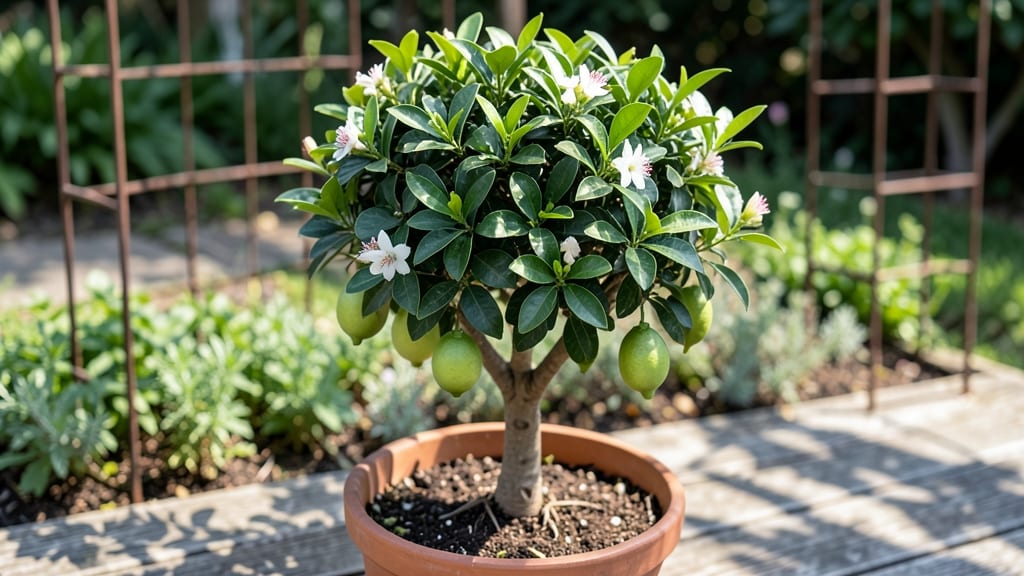
Growing a dwarf Persian lime tree in your backyard or patio means zesty harvests just steps from your kitchen—no orchard required. I’ve watched mine produce fruit from late fall through winter, a rare treat in colder climates.
The key? Mimicking its Mediterranean roots with the right balance of sun, soil, and pruning.
You’ll need a 15-25 gallon pot for container growing, well-draining soil mixed with compost, and a spot getting 6-8 hours of sunlight daily. Water deeply when the top inch of soil dries, but avoid soggy roots—this tree hates wet feet.
Prune in early spring to shape it and remove dead growth, and fertilize lightly every 4-6 weeks during growing season.
By winter, you’ll be plucking bright green limes straight from the tree, their tart-sweet flavor perfect for cocktails or desserts. The tree stays compact—6-8 feet tall—so it thrives on balconies, patios, or sunny windowsills.
Just watch for spider mites and scale insects, which love dry conditions, and you’re set for years of harvests.
Whether you’re in Zone 9-11 or bringing it indoors for winter, this tree adapts. The secret? Consistency—just like the limes themselves. Ready to grow your own citrus grove in a pot?
📚 In This Guide
- What you need
- Instructions
- Tips and common mistakes
- Wrapping up and next steps
What you need
- ● Dwarf Persian lime tree (Citrus × latifolia) – Choose a 1-3 gallon potted sapling from a reputable nursery.
- ● Container (if growing in pots) – A 5-gallon or larger pot with drainage holes (fabric grow bags work too!).
- ● Well-draining potting mix – A blend of 60% citrus-specific mix and 40% perlite/pumice for aeration.
- ● Pruning shears – Bypass pruners (sharp, clean, and sanitized with rubbing alcohol).
- ● Gloves – Heavy-duty garden gloves to protect from thorns and sap.
- ● Slow-release fertilizer – Citrus-specific 8-3-6 or 10-10-10 NPK ratio (follow label for application rates).
- ○ Mulch (optional but recommended) – 2-3 inches of organic mulch (e.g., wood chips or straw) to retain moisture.
- ● Support stake or trellis – For young trees to prevent toppling in windy areas.
- ● pH test kit – To monitor soil acidity (ideal range: 6.0–7.0).
- ● Citrus micronutrients – Iron chelate or zinc supplements if leaves show yellowing.
- ● Drip irrigation or soaker hose – For consistent moisture without overwatering.
- ● Citrus spray (neem oil or horticultural oil) – For pest prevention (e.g., aphids, scale).
How to grow a thriving dwarf Persian lime tree indoors
Here’s how to cultivate this compact citrus beauty with precision—no green thumb required.
🪴 Step 1: Select and Prepare the Right Container
Choose a 5-gallon container with drainage holes—dwarf Persian limes need room to develop roots but won’t tolerate soggy feet. I recommend a fabric grow bag or glazed ceramic pot for stability. The container should be at least 18 inches deep to accommodate the tree’s root system as it matures.
Fill the bottom 3 inches with fast-draining media like perlite or coarse sand. This prevents root rot, which is the #1 killer of container-grown citrus. Next, add 2 gallons of well-draining potting mix designed for citrus or Mediterranean shrubs. Avoid garden soil—it compacts and suffocates roots.
☀️ Step 2: Position for Maximum Light and Temperature Control
Dwarf Persian limes demand full sun—place your tree within 3 feet of a south-facing window or under 14-16 hours of grow lights daily. Without enough light, leaves yellow and fruit never sets. If natural light is insufficient, supplement with a full-spectrum LED grow light positioned 6-12 inches above the canopy.
Maintain temperatures between 65-85°F—cold drafts or heat above 90°F stress the tree. In winter, keep it away from heating vents, which dry out the air and leaves. A humidifier nearby helps prevent leaf drop, especially in dry climates.
💧 Step 3: Water with Precision and Fertilize Strategically
Water when the top 2 inches of soil feel dry—stick your finger in to check. Overwatering is worse than underwatering; limes hate soggy roots. Use room-temperature water to avoid shocking the plant, and water deeply until it drains from the bottom. Empty the saucer after 10 minutes to prevent root rot.
Feed every 4-6 weeks during spring and summer with a balanced citrus fertilizer (6-6-6 or 8-3-9 ratio). Reduce feeding in fall and winter—too much fertilizer then leads to weak growth. I also mix in 1 tablespoon of Epsom salt monthly to boost magnesium, which prevents yellowing between veins.
✂️ Step 4: Prune for Shape and Fruit Production
Prune in late winter or early spring before new growth begins. Remove dead, crossing, or inward-growing branches first—this improves airflow and sunlight penetration. Cut back overly long branches by one-third to encourage bushier growth. Use clean, sharp pruners to avoid tearing the bark.
Pinch off flower buds the first year to redirect energy into root and leaf growth. In year two, allow half the flowers to set fruit—too many limes stress the tree. Harvest when fruit turns bright green and slightly soft to the touch. Ripe limes stay green but yield slightly when gently squeezed.
🌿 Step 5: Monitor for Pests and Adjust Care Seasonally
Check leaves weekly for aphids, spider mites, or scale—common pests on citrus. Wipe leaves with a neem oil solution (1 tsp per quart of water) if you spot sticky residue or tiny webs. Avoid chemical pesticides; they harm beneficial insects and leave residues on edible fruit.
In fall, reduce watering slightly and stop fertilizing. This mimics the tree’s natural dormancy period. If leaves yellow, it’s often iron deficiency—apply chelated iron to the soil or spray foliage with an iron supplement like Ironite. With consistent care, your dwarf Persian lime will bear fruit year-round, even in small spaces.
Tips & tricks for perfect dwarf Persian lime tree care
Growing a thriving dwarf Persian lime tree indoors isn't just about following steps—it's about understanding the subtle details that make all the difference. Here's what I've learned after nurturing several trees to fruiting perfection.
Light Optimization: The 14-16 hours of light requirement is non-negotiable for fruit production, but don't assume all light is equal. Position your tree within 3 feet of the window during peak sunlight hours (10 AM to 4 PM) for the most intense light exposure. If using grow lights, place them closer to the canopy (6-8 inches) during winter months when natural light is weaker. I've seen trees with adequate light hours but poor placement fail to set fruit—light intensity matters just as much as duration.
Soil Science: The 3 inches of fast-draining media at the bottom of your container is your first line of defense against root rot. I recommend using a mix of perlite and coarse sand in a 2:1 ratio for this layer. This creates an air pocket that prevents water from pooling at the roots while still allowing excess moisture to drain. The 2 gallons of well-draining potting mix should be specifically formulated for citrus—regular potting soil compacts over time and suffocates roots.
Seasonal Care Transitions: The shift from active growth to dormancy in fall requires careful attention. When you reduce watering slightly and stop fertilizing, don't make this change abruptly. Gradually decrease watering over 2 weeks and taper off fertilizer applications over 3 weeks. I've seen trees go into shock when care routines change too suddenly—this gradual transition mimics the natural seasonal changes the tree would experience outdoors.
Pruning Precision: When cutting back overly long branches by one-third, focus on creating an open center rather than just reducing length. This improves airflow and sunlight penetration to the inner branches, which is crucial for fruit development. Use clean, sharp pruners and make cuts just above a leaf node at a 45-degree angle. I always prune on a dry day to prevent fungal infections from entering through fresh cuts.
Pro Tips for Dwarf Persian Lime Tree
- Growing a thriving dwarf Persian lime tree indoors isn't just about following steps—it's about understanding the subtle details that make all the difference.
- Light Optimization: The 14-16 hours of light requirement is non-negotiable for fruit production, but don't assume all light is equal.
- Soil Science: The 3 inches of fast-draining media at the bottom of your container is your first line of defense against root rot.
Frequently asked questions
Got questions about keeping your dwarf Persian lime tree thriving? Here are some of the most common ones—plus expert answers to help you grow like a pro!
How often should I prune my dwarf Persian lime tree?
Prune your dwarf Persian lime tree 2-3 times a year: once in late winter (before new growth starts), again after flowering (to shape and encourage fruiting), and lightly after harvest. Avoid heavy pruning in summer—it stresses the tree. Focus on removing dead wood, crossing branches, and thinning out crowded growth to improve airflow and sunlight penetration.
Can a dwarf Persian lime tree survive winter in cold climates?
Dwarf Persian lime trees are tender to frost and thrive in USDA zones 9-11. If you live in colder areas (zones 8 or below), grow yours in containers and move it indoors or to a protected garage during winter. Use a grow light if needed, and keep temperatures above 40°F (4°C) to prevent damage.
Why isn’t my dwarf Persian lime tree producing fruit?
Lack of fruit can stem from a few issues: inadequate sunlight (6+ hours of full sun daily), improper pollination (hand-pollinate with a brush if bees are scarce), or young age (trees under 2-3 years may not fruit). Also, check for nutrient deficiencies—lime trees love well-draining soil with balanced fertilizer (high in nitrogen early, then switch to phosphorus/potassium for fruiting).
What’s the best alternative if I can’t grow a dwarf Persian lime?
If space or climate is an issue, consider these low-maintenance citrus alternatives:
- Calamondin Orange: Compact, fragrant, and cold-hardy to 25°F (-4°C) in containers.
- Meyer Lemon: Dwarf varieties like ‘Improved Meyer’ produce sweet fruit and tolerate cooler temps.
- Kumquat: Tiny, hardy, and edible peel—perfect for small gardens or pots!
How do I protect my dwarf Persian lime from pests?
Common pests include scale, aphids, and spider mites. Start with preventative care: spray leaves with neem oil monthly, ensure good airflow, and keep the tree hydrated. For infestations, use insecticidal soap or horticultural oil. Avoid chemical pesticides—they can harm beneficial pollinators and leave residues on fruit.
Wrapping up and next steps
The dwarf Persian lime tree proves that big harvests don’t require big yards—just the right care and a little patience! 🌿 With its compact size, vibrant foliage, and delicious fruit, it’s the perfect addition to patios, balconies, or even sunny windowsills.
Whether you’re a seasoned gardener or just starting out, this citrus gem makes year-round growing deliciously achievable.
Ready to turn your small space into a citrus paradise? Start by gathering your tools, picking the perfect spot, and following the pruning tips shared here. Now’s the time to roll up your sleeves and get growing! 🌱