
Trees
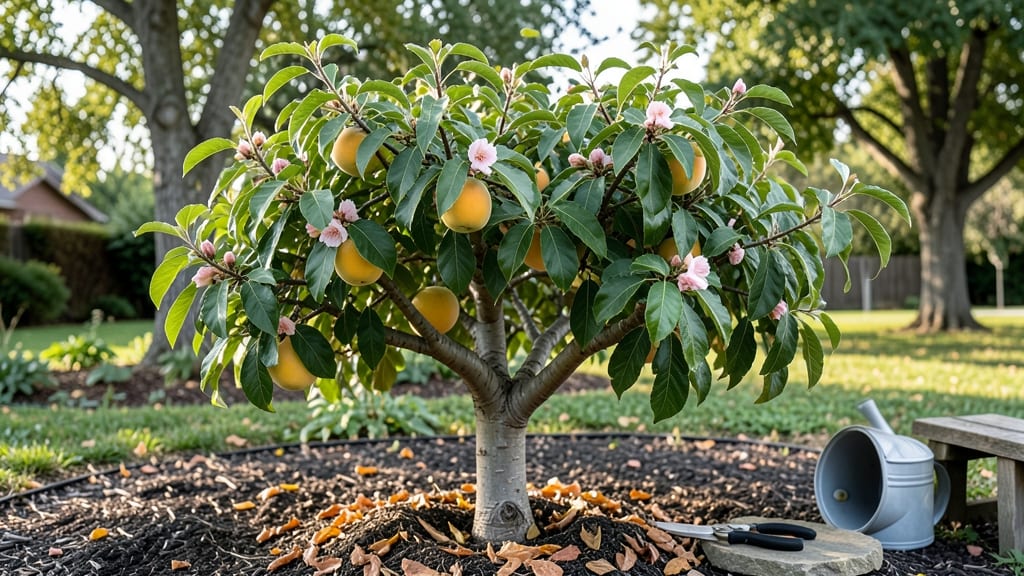
Growing cold-hardy peach trees in your yard means sweet summer fruit even when winter lingers. 🌱 I planted my first peach tree in zone 5 last spring, and with the right variety and care, it's thrived through two winters—something I never thought possible.
The secret isn't just picking the right tree; it's preparing the soil, timing the planting, and protecting it just enough to outsmart frost.
You'll need well-draining soil mixed with compost, a sunny spot with at least 6 hours of sunlight, and a rootstock that matches your zone—some varieties handle 15°F without flinching. My tree now produces pounds of juicy fruit each summer, and the blossoms in May are worth the wait.
The key is choosing a variety like 'Reliance' or 'Contender,' which are bred to resist late frosts that ruin tender flowers.
Once established, these trees need minimal winter care beyond a thick layer of mulch and perhaps a burlap wrap for young trunks. Prune in late winter to shape the tree and remove weak branches, which helps it recover faster after cold snaps.
By summer, you'll have a tree that's disease-resistant, productive, and resilient—exactly what you want in a peach tree for colder climates.
Works in zones 4 through 7, though some varieties stretch to zone 3 with extra protection. The payoff? Homegrown peaches that taste better than anything at the store. Let's get yours growing strong!
📚 In This Guide
- What you need
- Instructions
- Tips and common mistakes
- Wrapping up and next steps
What you need
- ● Cold-hardy peach tree varieties: 1–2 bare-root or container-grown saplings (e.g., Reliance, Contender, or Robusta—check your USDA zone compatibility!)
- ● Ensure they’re labeled as Zone 4–6 hardy for frost resistance.
- ● Planting site: Full sun (6+ hours/day) in a sheltered spot (e.g., near a south-facing wall or fence).
- ● Well-draining soil (amend with compost if needed).
- ● Tools: 1 shovel or trowel (for digging)
- ● 1 pruning shears (sterilized!)
- ● 1 watering can or hose with a gentle nozzle
- ● 1 wheelbarrow (for soil/compost)
- ● Soil amendments: 5–10 lbs of 5-10-10 fertilizer (for planting)
- ● 2–3 lbs of compost or aged manure (per hole)
- ● Mulch: 3–4 inches of wood chips or straw (to insulate roots)
- ● Frost cloth or row covers (for young trees in late spring/early fall).
- ● Tree guards or wire cages (to protect from critters/deer).
- ● Drip irrigation system (for consistent moisture).
- ● Soil pH test kit (ideal range: 6.0–6.5; adjust with lime/sulfur if needed).
- ● Organic pest control (neem oil or horticultural oil for aphids).
Step-by-Step instructions for planting and caring for cold hardy peach trees
Here's how I've successfully grown hardy peach varieties through harsh winters—no fancy tricks, just reliable methods.
🌱 Step 1: Choose the Right Variety and Planting Location
Select a cold-hardy peach variety suited for your zone—look for cultivars labeled for zones 4-6 like 'Reliance', 'Contender', or 'Monticello'. These varieties can withstand 15-25°F without damage, but they still need protection from extreme cold snaps.
Plant in a location with full sun exposure (at least 6-8 hours daily) and well-draining soil. Peach trees hate soggy roots, so avoid low spots where water pools. I always check the soil drainage by digging a 12-inch hole—if water doesn't drain within 6 hours, amend with 2-3 inches of compost or sand to improve drainage.
🪴 Step 2: Prepare the Planting Site and Transplant
Dig a hole twice as wide as the root ball but no deeper—peach trees prefer to sit slightly higher than surrounding soil to prevent root rot. Loosen the roots gently if they're circling or bound, but don't trim them unless they're damaged. This ensures a smooth transition and encourages new root growth.
Place the tree in the hole so the graft union (the bump where the top and rootstock meet) sits 2-3 inches above soil level. Backfill with the native soil, tamping lightly as you go to remove air pockets. Water deeply (5 gallons) to settle the soil and eliminate gaps. Mulch with 3-4 inches of wood chips, keeping it 6 inches away from the trunk to prevent moisture buildup that causes rot.
☀️ Step 3: Provide Seasonal Care for Winter Survival
In late fall, wrap the trunk and branches of young trees (under 3 years old) with tree wrap or burlap to protect against sunscald and rodent damage. Older trees develop thicker bark, but I still wrap them in years with extreme temperature swings (like 30°F drops overnight).
Prune in late winter or early spring before buds swell, removing dead, crossing, or weak branches. Cut at a 45-degree angle just outside the branch collar. Thin the canopy to allow sunlight to reach the center—this prevents fungal diseases like brown rot that thrive in shaded, damp conditions. Water deeply (10 gallons per tree) in early spring to encourage root growth before flowering.
⏰ Step 4: Monitor and Protect During Critical Frost Periods
Watch for late spring frost warnings—peach blossoms can't handle 28°F or below. If frost is forecasted, cover young trees with frost cloth or row covers secured with bricks or stakes. Avoid plastic sheets, which trap heat and can scorch blossoms. Water the soil (not the leaves) the day before a frost—moist soil holds heat better and protects roots.
In zone 4 or colder, mound 6-8 inches of soil around the base of the tree in late fall to insulate roots. Remove the mound in early spring once temperatures stabilize above 40°F. This simple trick has saved my trees from root freeze damage in years with subzero temperatures.
Tips & tricks for perfect cold hardy peach trees
These hard-earned lessons will help you avoid common pitfalls and maximize your peach tree's resilience in cold climates.
Variety Selection Matters: When choosing between 'Reliance', 'Contender', or 'Monticello', consider your specific zone within 4-6. 'Reliance' handles 15°F well, while 'Monticello' pushes to 20°F—the 5°F difference can mean the difference between a thriving tree and a frost-damaged one. I always check the USDA zone map for my exact location before purchasing.
Soil Test Before Planting: The 6-hour drainage test in Step 1 is crucial—don't skip it! If water pools after 6 hours, mix in 2-3 inches of compost or coarse sand to improve drainage. Clay-heavy soils can suffocate roots even in cold climates. I've seen trees survive -10°F winters but fail because of poor drainage during thaws.
Protecting Young Trees: For trees under 3 years old, the tree wrap or burlap in Step 3 isn't just about cold—it's also rodent prevention. Mice and rabbits will gnaw through bark in winter when food is scarce. I've lost entire saplings to winter critters before learning this trick. Secure the wrap tightly but not so tight it girdles the trunk.
Frost Protection Timing: When covering blossoms during late spring frosts (28°F or below), remove covers as soon as temperatures rise above freezing. Leaving frost cloth on in warm sunlight can overheat the tree. I set a reminder on my phone for 7 AM the day after frost warnings—just enough time to check conditions before removing covers.
Pro Tips for Cold Hardy Peach Trees
- These hard-earned lessons will help you avoid common pitfalls and maximize your peach tree's resilience in cold climates.
- Variety Selection Matters: When choosing between 'Reliance', 'Contender', or 'Monticello', consider your specific zone within 4-6.
- Soil Test Before Planting: The 6-hour drainage test in Step 1 is crucial—don't skip it!
Frequently asked questions
Got questions about growing cold-hardy peach trees? You’re not alone! Here are answers to the most common concerns—from choosing the right variety to keeping your trees thriving in chilly climates.
Can cold-hardy peach trees survive in Zone 4 or colder?
Yes! Varieties like ‘Reliance’ or ‘Contender’ are bred to handle Zone 4’s harsh winters (down to -30°F/-34°C). Plant them in well-drained soil, use mulch, and protect young trees with frost cloth or burlap wraps in extreme cold snaps.
When is the best time to plant cold-hardy peach trees?
Fall (4–6 weeks before the ground freezes) is ideal—roots establish before winter, and spring planting works too. Avoid extreme heat or frost during planting. Bare-root trees can go in as soon as the soil is workable (late winter/early spring).
Do cold-hardy peaches taste as good as traditional varieties?
While they may have slightly shorter seasons, cold-hardy peaches like ‘HoneyBrier’ or ‘Crimson Snow’ deliver sweet, juicy fruit. Flavor depends on care, sunlight, and variety—just like any peach. Try a few types to find your favorite!
What pests or diseases should I watch for in cold climates?
Peach leaf curl (a fungal disease) and borers are common. Prevent leaf curl with dormant oil sprays in late fall/winter. For borers, keep trees healthy with proper pruning and monitor for sawdust-like frass (insect poop) near bark crevices.
Can I grow cold-hardy peaches in containers?
Yes, but choose dwarf varieties like ‘Bonanza’ and use large pots (15+ gallons) with drainage. Move containers to a sheltered spot in winter (like a garage or against a south-facing wall) and water sparingly to avoid root rot. Expect smaller yields than in-ground trees.
Wrapping up and next steps
Growing cold-hardy peach trees is a rewarding journey that brings sweet, juicy fruit to your table—even in chilly climates! 🌱 With the right variety, proper care, and a little patience, you’ll enjoy bountiful harvests for years to come.
Whether you’re a seasoned gardener or just starting out, these frost-resistant trees prove that you can grow peaches anywhere.
Now that you’re armed with the best varieties and expert tips, it’s time to roll up your sleeves and get planting! Start by selecting your tree, preparing the soil, and giving it the love it deserves.
Before you know it, you’ll be savoring homegrown peaches straight from your own backyard. Happy growing! 🍑✨