
Pruning
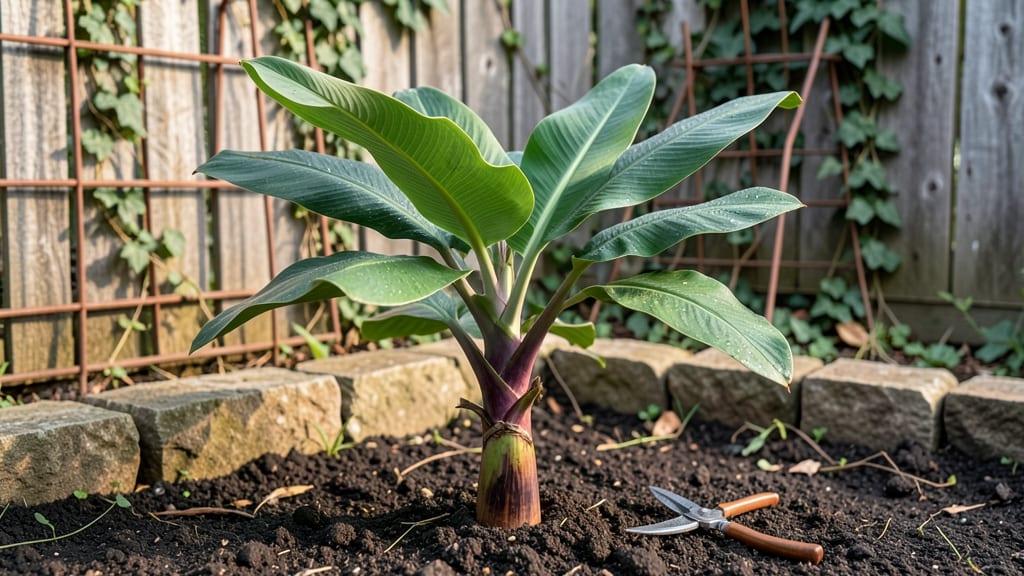
Growing a cold-hardy banana tree in Zone 5? I thought that was impossible—until I saw my first Musa basjoo sprout through last winter’s snow. This isn’t your tropical grocery-store banana; it’s a hardy, fast-growing shrub that thrives in cold climates with the right care.
The secret lies in three strategic pruning cuts that protect the plant from frost while encouraging new growth. You’ll need sharp pruners, a thick layer of mulch, and a sunny spot with well-draining soil—no greenhouse required.
After my first winter with one, I doubled my plant count, and they’ve never looked back.
By spring, you’ll see bold, banana-shaped leaves unfurling earlier than most perennials, with some varieties reaching 10-15 feet tall by summer. The fruit? Edible but seedy—think of it as a bonus harvest, not the main event. The real star is the dramatic foliage that adds tropical flair to cold-climate gardens.
Works in containers for patios or planted directly in the ground, even in Zones 4-9. The key is timing pruning for late winter and protecting the crown when temps drop below 20°F. Let’s get those cuts right—your winter garden just got a lot more interesting.
📚 In This Guide
- What you need
- Instructions
- Tips and common mistakes
- Wrapping up and next steps
What you need
- ● Cold-hardy banana plant (Musa spp.) – Choose varieties like Musa acuminata ‘Ice Cream’ or Musa basjoo (hardy to USDA Zone 5-7).
- ● Well-draining potting mix – 50% peat moss, 30% perlite, 20% compost (or a pre-mixed tropical blend). Quantity: 3-5 gallons per plant.
- ● Large container or raised bed – Minimum 18-inch diameter for pots; ensure drainage holes.
- ○ Pruning shears – Sharp, bypass-style (for clean cuts). Optional: Loppers for thicker stems.
- ● Gloves – Heavy-duty work gloves (banana pseudostems are spiky!).
- ● Mulch (straw or wood chips) – 3-4 inches to insulate roots in winter.
- ● Fertilizer – Balanced 10-10-10 NPK or banana-specific feed (apply every 6-8 weeks in growing season).
- ● Thermometer – To monitor soil temps (ideal: 60–85°F for growth).
- ● Row covers or frost cloth – For extra winter protection in Zone 5-6.
- ● Epsom salt – 1 tbsp/month in water for magnesium boosts.
- ● Slow-release pellets – Mix into soil for 3-4 month nutrient release.
Instructions for pruning cold-hardy banana trees
Here’s how to keep your winter-resistant banana thriving through harsh seasons.
Identify and Mark Healthy Growth Points
Examine the banana plant’s pseudostem—this is where the real action happens. Look for the crown, the dense cluster of leaves at the base where new shoots emerge. Healthy growth points appear as tight, upright leaves with a vibrant green hue. Avoid cutting near any yellowing or mushy tissue, as this signals rot or frost damage.
Use a sharp pruning saw to make clean cuts—never tear the pseudostem. Mark the top third of the stem for your first cut. This section often holds dormant buds that can regenerate if pruned properly. I like to wrap a red string around the stem at this height as a visual guide before cutting.
Remove the Top Third for Structural Balance
Make your first cut just above a leaf node (the point where leaves attach). This ensures the plant retains a growth point. Angle the cut slightly downward to prevent water from pooling and causing rot. Discard the removed top section—it won’t regrow, but removing it reduces wind resistance and prevents snow buildup.
Watch for sap bleeding after cutting. This is normal and indicates healthy tissue. If sap is thick and dark, it may signal stress or disease—reduce pruning in this area next time. After cutting, step back and assess the plant’s shape. The remaining stem should still appear sturdy, with at least 2-3 healthy leaves remaining at the crown.
Thin Out Weak or Damaged Leaves
Focus on leaves that are yellow, brown, or split—these are energy drains. Use sterilized pruning shears to cut these leaves at their base, leaving the pseudostem intact. Avoid removing more than 30% of the foliage in one session, as this can shock the plant. Prioritize leaves on the outer edges first, as they’re most exposed to wind and frost.
Here’s the thing—some leaves may look damaged but aren’t. Gently press a leaf between your fingers. If it feels firm and green underneath, leave it. Only remove leaves that crunch when bent or have blackened edges. After thinning, the plant’s crown should look open and airy, allowing sunlight to reach the center where new shoots form.
Apply Protective Measures for Winter
Once pruned, wrap the entire pseudostem with burlap or frost cloth, securing it with twine. This creates a microclimate that traps heat and shields the plant from freezing winds. Leave the top few leaves uncovered if possible—they act as a natural insulator. For extra protection, mound 6-8 inches of mulch around the base, but avoid piling it against the stem to prevent rot.
Real talk: If your banana tree is in Zone 7 or colder, consider adding a clear plastic dome over the crown in late fall. This traps radiant heat from the soil during the day and releases it slowly at night. Check weekly for condensation inside the dome—if it’s dripping, remove it for a few hours to prevent fungal growth.
Tips & tricks for pruning cold-hardy banana trees
Pruning your winter-hardy banana tree isn't just about cutting—it's about strategic renewal. These insights will help you avoid common pitfalls and maximize your plant's resilience.
Precision Cutting Technique: When marking the top third of the pseudostem in Step 1, use a carpenter's pencil to make a small dot at your target leaf node. This ensures you'll cut just above it cleanly, preserving that critical growth point. I've found that making the cut slightly downward—about a 15-degree angle—prevents water from pooling at the wound, which is crucial for preventing rot during winter's wet spells.
Leaf Assessment Trick: For Step 3's leaf thinning, here's what nobody tells you—press the leaf between your fingers and listen. A healthy leaf will make a slight squeak sound when bent, while a damaged one will crunch like dry paper. This tactile test helps you distinguish between leaves that need removal and those that can recover with proper care. Focus on the outer leaves first, as they're most exposed to winter winds and frost.
Winter Protection Strategy: In Step 4, when wrapping your pseudostem, leave a small gap at the bottom—about 2 inches—to allow any excess moisture to escape. This prevents condensation buildup inside the burlap or frost cloth, which could lead to fungal issues. For Zone 7 growers, I recommend adding a layer of reflective bubble wrap underneath the frost cloth—this can raise temperatures by up to 5°F during cold snaps without requiring additional heat sources.
Pro Tips for Cold Hardy Banana Tree
- Pruning your winter-hardy banana tree isn't just about cutting—it's about strategic renewal.
- Precision Cutting Technique: When marking the top third of the pseudostem in Step 1, use a carpenter's pencil to make a small dot at your target leaf node.
- Leaf Assessment Trick: For Step 3's leaf thinning, here's what nobody tells you—press the leaf between your fingers and listen.
Frequently asked questions
Got questions about growing cold-hardy banana trees? You’re not alone—these tropical divas need extra TLC in chilly climates! Here are answers to the most common queries to keep your banana plant thriving through winter.
Can cold-hardy banana trees survive frost?
Most cold-hardy varieties (like Musa acuminata) can tolerate brief dips to 20–25°F (-6 to -4°C), but prolonged frost will damage leaves. Protect your plant with mulch or frost cloth during sudden cold snaps. Young plants are more vulnerable—wait until they’re established (2+ years old) before pushing their limits.
When is the best time to prune for winter?
Prune after the first frost but before hard freezes (late fall to early winter). This removes dead leaves, redirects energy to the rhizome (underground stem), and prevents rot. Avoid pruning in spring—new growth needs all the warmth it can get! Pro tip: Use sterilized pruners to cut back to healthy green tissue.
What if my banana tree looks dead after winter?
Don’t panic! Cold-hardy bananas often look dead but regrow from the rhizome. Wait until spring (when soil warms to 60°F/15°C) to check for signs of life. If the center is still firm, water lightly and fertilize lightly. If it’s mushy, it’s likely dead—replace it next season.
Are there alternatives to traditional banana trees for colder zones?
Yes! Try these cold-tolerant cousins:
- Dwarf Cavendish (hardy to 20°F/-7°C)
- Plantain varieties (more resilient than dessert bananas)
- Ensete (false banana) (survives to 15°F/-9°C, edible too!)
How often should I fertilize a cold-hardy banana tree?
Feed lightly in spring (when new leaves emerge) and again in early summer with a balanced fertilizer (10-10-10). Avoid fall fertilization—it encourages tender growth that won’t survive winter. Pro tip: Mix compost into the soil annually for organic nutrients.
Wrapping up and next steps
Growing a cold-hardy banana tree isn’t just possible—it’s rewarding! 🌱 With the right pruning techniques, you can protect your plant from winter’s chill and enjoy lush, resilient growth year after year.
The key lies in those three strategic cuts: trimming dead fronds, thinning dense foliage, and prepping the pseudostem for dormancy.
Now that you’re armed with the know-how, roll up your sleeves and get pruning! Start with just one tree to practice, and soon, your garden will be a tropical oasis—even in cooler climates. Happy growing! 🌿