
Pruning
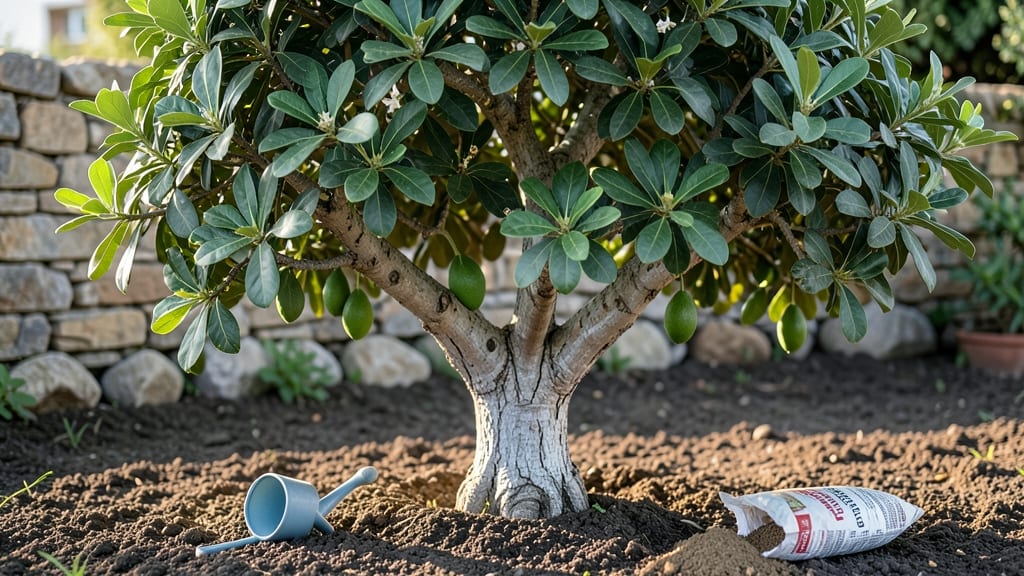
Growing a cold-hardy avocado tree in your yard isn’t just possible—it’s a game-changer for cooler climates. 🌱 I’ve nurtured mine through winters in Zone 7, and with the right pruning and protection, you can too.
The key lies in selecting the right variety and understanding how to shield it from frost without smothering its growth.
Start with varieties like ‘Wurtz’ or ‘Mexicola’, bred to handle temperatures down to 15°F. These aren’t your typical tropical divas—they’re tougher, with thicker leaves and deeper roots that anchor them through winter.
Pair them with well-draining soil, and you’ve got a foundation for success. The pruning comes next, where strategic cuts keep the tree compact and frost-resistant.
By late winter, you’ll see new growth pushing through, and with proper winter protection—like wrapping the trunk or using frost cloth—your tree will reward you with harvests year after year.
The first fruit might be small, but each season builds on the last, turning your backyard into a mini avocado oasis. Let’s get those roots growing!
This method works for containers too, making it perfect for patios or small spaces. Whether you’re in a cold desert or a chilly mountain town, the same principles apply. The secret? Patience and precision in pruning—no shortcuts, just steady progress toward that first ripe avocado in your hand.
📚 In This Guide
- What you need
- Instructions
- Tips and common mistakes
- Wrapping up and next steps
What you need
- ● Cold-hardy avocado tree sapling (look for Mexican or West Indian varieties like 'Hass' or 'Wurtz'—they tolerate temps down to 15–20°F with protection).
- ● 5-gallon or larger container (if growing in pots) with drainage holes and a saucer.
- ● Well-draining potting mix (50% cactus/succulent mix, 30% perlite, 20% compost). Pro tip: Avoid heavy garden soil—it causes root rot! 💡
- ● Pruning shears (bypass-style, sharp and sterilized to prevent disease).
- ● Hand pruners or loppers (for thicker branches, 1.5–2-inch cutting capacity).
- ● Gloves (thick leather or nitrile-coated for protection).
- ○ Pruning sealant (optional but helpful for sealing large cuts to prevent pests).
- ● Thermometer (to monitor frost risk—below 28°F is critical for protection!).
- ● Frost cloth or row covers (rated for 5°F protection).
- ● Heat lamp or space heater (for indoor overwintering in extreme cold).
- ● Slow-release fertilizer (balanced 10-10-10 or avocado-specific blend).
- ● Staking system (if growing in windy areas—use 3–4 stakes and soft ties).
- ● Mulch (straw or wood chips) (2–3 inches deep to insulate roots in winter).
Step-by-step guide to pruning a cold hardy avocado tree
Mastering these pruning techniques will keep your avocado tree productive even in cooler climates.
🌿 Step 1: Assess Growth and Identify Pruning Zones
Start by examining your tree's structure in early spring, just as new growth begins. Look for water sprouts—those fast-growing, vertical shoots that steal energy from fruit production. These are your first targets. Also identify crossing branches that rub against each other, which creates wounds vulnerable to disease.
Run your hand along the main trunk and branches to feel for suckers—small shoots growing from the base or along the trunk. These compete with the main canopy for nutrients. Cold hardy varieties like 'Mexicola' or 'Wurtz' need extra attention here, as their slower growth makes energy competition more critical. Mark these areas with a small piece of twine if you're unsure where to cut.
✂️ Step 2: Remove Problematic Growth First
Use sharp, clean pruning shears to cut water sprouts and suckers at their base, just above a leaf node or outward-facing bud. Never leave stubs—this invites rot. For thicker branches over ½ inch in diameter, use loppers and make cuts at a 45-degree angle, slanting away from the trunk to prevent water pooling.
Real talk: I once left a stub on a young tree, and within weeks, a fungal infection set in. Always cut cleanly, and sterilize your tools with rubbing alcohol between cuts. For crossing branches, remove the smaller of the two or the one growing inward. This opens the canopy to better air circulation, which is crucial for cold hardy varieties prone to mildew.
☀️ Step 3: Thin the Canopy for Light Penetration
Step back and visualize your tree's canopy. The goal is to create an open, umbrella-like shape that lets sunlight reach the inner branches. Remove 20-30% of the total foliage to achieve this, focusing on branches that block light from the center. Cold hardy avocados need this light to set fruit, especially in shorter growing seasons.
Look for branches growing toward the center of the tree—these are shading others and creating a dense, humid microclimate. Cut these back to a lateral branch or bud that faces outward. You'll see a difference in fruit production within a season: more sunlight means more flowers, and more flowers mean more potential for harvest.
🪴 Step 4: Shape for Cold Hardiness and Airflow
Cold hardy avocado trees benefit from a slightly rounded, vase-like shape rather than a tall, narrow one. This shape reduces wind damage and allows snow or frost to slide off more easily. Prune to encourage lower branches to fill out the bottom third of the tree, which helps protect the trunk from cold snaps.
Here's the thing—cold hardy varieties like 'Mexicola' can handle 20°F with proper care, but their roots are still vulnerable. Prune to keep the tree's center open, which improves airflow and reduces frost damage. Avoid heavy pruning in late summer or fall, as new growth won't harden off before winter. Instead, focus on shaping in late winter or early spring.
⏰ Step 5: Post-Pruning Care for Recovery
After pruning, water deeply to help the tree recover. The root system will need to support new growth, so ensure the soil stays moist but not waterlogged. Apply a balanced fertilizer (like 10-10-10) in early spring to support regrowth, but avoid heavy nitrogen in fall—it encourages tender growth that won't survive winter.
Monitor your tree for 3-4 weeks after pruning. You'll notice new shoots emerging from the buds you left behind—this is a good sign! If you see yellowing leaves or wilting, it could mean over-pruning or stress. In that case, hold off on further cuts and focus on keeping the soil consistently moist. Cold hardy avocados are resilient, but they need time to adjust after major pruning.
Tips & tricks for perfect cold hardy avocado tree pruning
These pruning secrets will help you transform your avocado tree into a cold-resistant fruit powerhouse—without the common mistakes that sabotage growth.
Tool Prep is Non-Negotiable: Sterilize your pruning shears and loppers with rubbing alcohol between every cut—especially when working with cold hardy varieties like 'Mexicola'. I learned this the hard way after a fungal infection spread through my tree from contaminated tools. For branches over ½ inch thick, use loppers to make clean cuts at a 45-degree angle, always slanting away from the trunk to prevent water pooling that leads to rot. The right angle makes all the difference in wound healing.
Season Timing Matters: Early spring is prime time for pruning cold hardy avocados because new growth begins then, giving your tree energy to recover. If you must prune in late winter, wait until just before buds swell—this ensures you're not removing potential fruit-bearing branches. I avoid fall pruning entirely for cold hardy varieties; new growth won't harden off before winter, making them vulnerable to frost damage. The 20°F threshold these trees can handle becomes meaningless if you've stimulated tender new growth too late in the season.
Visualize the Canopy: Step back and imagine sunlight streaming through your tree's branches. In Step 3, when you're thinning for light penetration, aim to remove 20-30% of the total foliage by targeting branches growing toward the center. These interior branches create dense, humid pockets that invite mildew—especially problematic for cold hardy varieties. Cut back to outward-facing buds to encourage new growth that will capture more sunlight for fruit production. The difference in harvest potential is dramatic when you open up that canopy properly.
Recovery Monitoring: After pruning, keep a close eye on your tree for those critical 3-4 weeks of recovery. Yellowing leaves or wilting often signal over-pruning or stress, especially in cold hardy varieties with slower growth rates. If you notice this, pause further pruning and focus on consistent moisture—cold hardy avocados need their roots to establish new growth. I've seen trees bounce back beautifully when given this recovery time, but they'll never fully recover if you push too hard too soon.
Pro Tips for Cold Hardy Avocado Tree
- These pruning secrets will help you transform your avocado tree into a cold-resistant fruit powerhouse—without the common mistakes that sabotage growth.
- Tool Prep is Non-Negotiable: Sterilize your pruning shears and loppers with rubbing alcohol between every cut—especially when working with cold hardy varieties like 'Mexicola'.
- Season Timing Matters: Early spring is prime time for pruning cold hardy avocados because new growth begins then, giving your tree energy to recover.
Frequently asked questions
Got questions about growing cold-hardy avocado trees? You’re not alone! Here are answers to the most common queries to help you cultivate a thriving, frost-resistant avocado grove.
Can cold-hardy avocado trees survive freezing temperatures?
Yes! While traditional avocados struggle below 28°F (-2°C), cold-hardy varieties (like ‘Gwen’ or ‘Mexicola’) can tolerate brief dips to 15–20°F (-9 to -6°C). Protect young trees with mulch, frost cloth, or microclimates (e.g., near south-facing walls) for extra resilience.
How long does it take for a cold-hardy avocado tree to bear fruit?
Patience is key! Most cold-hardy avocados take 3–5 years to bear fruit after planting, though some early varieties (like ‘Arlington’) may produce in 2–3 years with ideal care. Pruning for airflow and consistent watering speed up maturity.
Are there alternatives to traditional avocado trees for colder climates?
If avocados seem too finicky, try these cold-tolerant fruit trees:
- Pawpaw (20°F/-7°C tolerance, creamy fruit)
- Fig (some varieties handle 15°F/-9°C)
- Persimmon (20°F/-7°C, sweet harvest)
- Hardy citrus hybrids (e.g., ‘Improved Meyer’ lemon)
Why are my cold-hardy avocado leaves turning brown or yellow?
Brown/yellow leaves often signal overwatering, underwatering, or nutrient deficiencies. Check soil moisture (top 2” should be dry), ensure well-draining soil, and fertilize with citrus-specific nutrients (high in zinc/manganese). Fungal issues (like root rot) may need fungicide or pruning affected branches.
When’s the best time to prune cold-hardy avocados for winter?
Prune late winter/early spring (just before new growth starts) to remove dead wood and shape the tree. Avoid heavy pruning in fall—it stresses trees before dormancy. Focus on airflow to prevent frost damage and thin dense branches to boost fruit production.
Wrapping up and next steps
Growing a cold-hardy avocado tree isn’t just possible—it’s a rewarding adventure that brings year-round harvests to your doorstep! By mastering pruning science, you’ll protect your tree from frost, boost fruit production, and enjoy fresh avocados even in cooler climates. 🌱✨
Ready to take the next step? Start by assessing your tree’s current shape and needs—then grab your pruners and dive in! With patience and practice, you’ll turn your backyard into a thriving avocado oasis. Happy pruning!