
Pruning
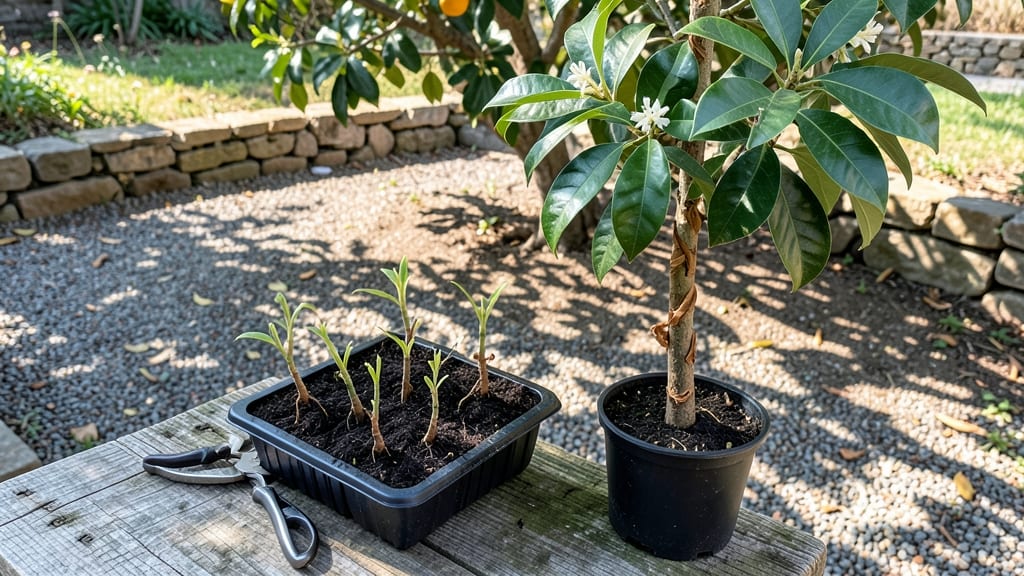
The cultivation of a cinnamon tree feels like magic—turning seeds into spice in just three years, especially when you’re growing your own kitchen staple. 🌱 The key isn’t some rare tropical secret; it’s matching the tree’s needs to what you can provide, whether that’s a sunny backyard or a bright indoor corner.
My first attempt nearly died from overwatering, but once I learned the rhythm of its tropical roots, the progress became shockingly predictable.
Cinnamon trees thrive in warm climates but adapt surprisingly well to containers, making them perfect for patios or greenhouses. You’ll need well-draining soil rich in organic matter, a spot with at least 6 hours of sunlight daily, and a steady supply of moisture—though never soggy roots.
Pruning isn’t just about shaping; it’s about encouraging thick bark, which is where the spice hides. Even indoors, with the right grow light, you can coax growth, though outdoor trees mature faster.
By year three, you’ll be harvesting thin, papery bark strips that dry into the familiar spice, with a harvest that keeps growing for decades. The first crop might be small, but each year the tree rewards patience with pounds of spice—enough to stock your pantry and share with neighbors.
The scent alone, as the bark cures in the sun, makes every step worth it.
Whether you’re in Florida or a balcony in Boston, the principles stay the same: warmth, drainage, and time. The biggest hurdle isn’t the tree—it’s resisting the urge to rush. Let’s get those seeds sprouting and turn your kitchen into a spice factory.
📚 In This Guide
- What you need
- Instructions
- Tips and common mistakes
- Wrapping up and next steps
What you need
- ● Cinnamon Seeds or Saplings: 1–3 high-quality seeds (or 1–2 young saplings from a trusted nursery). Pro tip: Look for Cinnamomum verum (true cinnamon) or Cinnamomum cassia (cassia) varieties.
- ● Well-Draining Soil: 5–10 gallons of a mix of 60% potting soil, 30% coconut coir, and 10% perlite (or sand). pH target: 5.5–6.5.
- ● Pot or Garden Bed: For pots: 1–2 10–15 gallon containers with drainage holes (terracotta or fabric pots preferred).
- ● For in-ground planting: A sunny, sheltered spot with 6+ feet of vertical space (trees can grow 20–30 ft tall!).
- ● Watering Can or Hose: With a gentle spray nozzle (cinnamon trees dislike soggy roots!).
- ● Fertilizer: Balanced organic fertilizer (e.g., 10-10-10 NPK or composted manure) for young plants.
- ○ Citrus-specific fertilizer (optional but helpful for mature trees).
- ● Pruning Shears: Sharp, bypass pruners (for shaping and harvesting).
- ● Mulch: 2–3 inches of organic mulch (e.g., wood chips or straw) to retain moisture.
- ● Humidity Dome or Plastic Tent: To maintain 70–80% humidity for seedlings (especially in dry climates).
- ● Grow Lights: If starting indoors, use full-spectrum LED lights (12–14 hours/day).
- ● Soil Moisture Meter: To monitor consistent moisture without overwatering.
- ● Pest Control: Neem oil or insecticidal soap (for aphids or mites).
- ● Support Stake: For young saplings in windy areas (e.g., 3–4 ft bamboo stakes).
How to cultivate a cinnamon tree for home spice production
Here's my battle-tested approach to growing a thriving cinnamon tree indoors.
🌱 Step 1: Source Healthy Seeds or Saplings
Start with fresh seeds from a true cinnamon tree (Cinnamomum verum)—never substitute with cassia seeds, which are a different species. I recommend buying seeds from a specialty tropical nursery or ordering online from a reputable supplier. Soak seeds in warm water for 24 hours before planting to soften the tough outer shell and encourage faster germination.
If you can't find seeds, purchase a 3-5 year old sapling from a grower who specializes in tropical plants. Young trees establish more easily than mature ones, and you'll see bark formation (the spice layer) in about 2-3 years with proper care. Handle the sapling gently—cinnamon trees have delicate root systems that bruise easily.
🪴 Step 2: Prepare the Ideal Growing Environment
Use a 12-inch diameter pot with drainage holes filled with a mix of 60% peat moss, 30% perlite, and 10% compost. This lightweight blend mimics the tree's natural tropical habitat while preventing root rot. Fill the pot halfway, then place the seed or sapling in the center, covering roots with the remaining mix but leaving the top 1 inch empty.
Cinnamon trees thrive in 70-85°F temperatures with 70-80% humidity. Position your tree near a south-facing window where it gets bright, indirect light for 10-12 hours daily. If natural light is insufficient, supplement with a grow light placed 12-18 inches away. Too little light causes yellowing leaves, while direct sun scorches the foliage.
💧 Step 3: Establish a Consistent Watering Routine
Water your cinnamon tree when the top 2 inches of soil feel dry—usually every 5-7 days depending on your home's humidity. I use room-temperature water to avoid shocking the roots, and I water deeply until it drains from the bottom. Empty the saucer 10 minutes later to prevent root suffocation. Overwatering is the #1 killer of young cinnamon trees.
Mist the leaves 2-3 times weekly to maintain humidity, especially in dry climates. A pebble tray with water beneath the pot also helps. You'll notice new growth when leaves appear lighter green and slightly waxy—this is your cue that the tree is adapting to its environment. Fertilize monthly with a balanced liquid fertilizer (10-10-10) during the growing season (spring to fall).
☀️ Step 4: Prune and Train for Optimal Growth
Prune your cinnamon tree in early spring to shape it and encourage bushier growth. Use clean, sharp pruning shears to cut just above a leaf node at a 45-degree angle. Remove any dead, yellow, or crossing branches first. I trim about 1/3 of the new growth each year to maintain a manageable size and improve air circulation.
Train the tree by gently tying the main stem to a small stake if it grows too leggy. This prevents weak stems that can't support the weight of future bark layers. Rotate the pot a quarter turn weekly so the tree grows evenly toward the light. You'll see stronger branches and more compact growth within 3-4 months of consistent pruning.
⏰ Step 5: Harvest and Process Bark After 3 Years
Your cinnamon tree will be ready for its first harvest when the bark begins to peel easily in long, thin strips—typically around 3-5 years of age. Choose a dry day in late winter or early spring when the tree is dormant. Use a sharp knife to make a shallow cut around the trunk, then gently peel back the outer layer. Avoid cutting into the green cambium layer beneath.
Let the bark strips dry in a warm, dark place for 2-3 weeks, turning them occasionally. Once completely dry, they'll curl into the familiar cinnamon sticks. Store in an airtight container away from light. With proper care, your tree will produce harvestable bark annually, and you'll have fresh cinnamon for cooking and crafts right at home.
Tips & tricks for growing a thriving cinnamon tree
Here's what I learned after years of growing my own cinnamon trees—and how to avoid my early mistakes.
Seed Selection Tip: When choosing seeds, look for plump, dark brown ones that feel firm to the touch. Avoid any that are shriveled or have cracks—these won't germinate. I've found that seeds from trees grown in tropical climates (like Sri Lanka or Madagascar) have the highest germination rates. If you're buying online, check reviews for recent successful germination experiences. The 24-hour soaking period is crucial—don't skip it, as it breaks down the seed's tough outer coating and kickstarts the germination process.
Soil Mix Strategy: The 60-30-10 soil blend (peat moss, perlite, compost) is perfect, but here's the secret: sterilize your peat moss first by baking it at 200°F for 30 minutes to kill any pathogens. I also add a handful of worm castings to the compost portion—this gives your young tree a natural boost of beneficial microbes. When filling the pot, press the soil mixture gently around the roots to eliminate air pockets, but don't compact it too tightly. This ensures good root contact while allowing proper drainage.
Lighting Hack: For that critical 10-12 hours of bright, indirect light, position your tree about 18 inches from a south-facing window during winter months when sunlight is weaker. If you notice leaves stretching toward the light (a condition called etiolation), it's time to supplement with a grow light. I use a simple LED grow bulb on a timer—just 12 inches away—and it makes all the difference in maintaining healthy, compact growth. Rotate the pot weekly so all sides get equal exposure, which prevents lopsided growth patterns.
Pruning Insight: That 45-degree angle cut in Step 4 might seem fussy, but it actually helps water run off the cut more efficiently, reducing the risk of fungal infections. When you're trimming about 1/3 of new growth annually, focus on removing branches that are growing inward—they'll rub against each other and create wounds. I've found that pruning just after a growth spurt (when new leaves are fully unfurled) gives the tree the best chance to recover quickly. Save any pruned branches—they can be used for propagation if you want to grow additional trees!
Pro Tips for Cinnamon Tree Cultivation
- Here's what I learned after years of growing my own cinnamon trees—and how to avoid my early mistakes.
- Seed Selection Tip: When choosing seeds, look for plump, dark brown ones that feel firm to the touch.
- Soil Mix Strategy: The 60-30-10 soil blend (peat moss, perlite, compost) is perfect, but here's the secret: sterilize your peat moss first by baking it at 200°F for 30 minutes to kill any pathogens.
Frequently asked questions
Got questions about growing your own cinnamon tree? Here are some of the most common ones—plus clear, practical answers to help you cultivate this fragrant tropical treasure with confidence!
How long does it take for a cinnamon tree to produce harvestable bark?
A cinnamon tree typically takes 3–5 years to mature enough for its first bark harvest. However, with ideal conditions (warmth, humidity, and proper care), you can sometimes harvest lightly after 3 years. Patience is key—think of it as growing a slow-cooked spice treasure!
Can I grow a cinnamon tree in a pot, or does it need to be planted in the ground?
Yes! Cinnamon trees thrive in large containers (at least 20+ gallons) if you live in a cooler climate. Use well-draining soil and place the pot in full sun. Just be sure to repot every 2–3 years and protect it from frost. Over time, transplanting to the ground (if possible) will give it the best growth potential.
What pests or diseases should I watch out for when growing a cinnamon tree?
Common issues include:
- Scale insects (sap-sucking pests that leave sticky residue)
- Root rot (from overwatering—ensure excellent drainage!)
- Fungal leaf spots (prune affected leaves and avoid overhead watering)
Neem oil or insecticidal soap can treat pests, while sterilizing pruning tools prevents disease spread. Stay vigilant—early action keeps your tree thriving!
Do cinnamon trees need a lot of water, or are they drought-tolerant?
Cinnamon trees prefer consistent moisture but hate soggy soil. Water deeply 1–2 times per week during dry spells, letting the top 2 inches of soil dry out between waterings. In humid climates, they’re more drought-tolerant; in arid areas, mulch helps retain moisture. Never let them wilt!
Can I use cinnamon tree leaves like I would cinnamon sticks?
Yes! While the bark is the prized spice, dried cinnamon leaves make a milder, herbal tea with earthy notes. Crush them fresh or dry them first. Just remember: leaf flavor differs from bark—great for teas but not a 1:1 substitute in baking. Experiment and enjoy the unique twist!
Wrapping up and next steps
Cultivating a cinnamon tree is a rewarding journey that blends patience with tropical flair—yielding fragrant bark and spice in just three years! With the right soil, climate, and care (like pruning and mulching), you’ll unlock a harvest of Cinnamomum verum or C. cassia that’s both delicious and profitable.
Whether you’re growing for the kitchen or the market, every step—from saplings to harvest—sets you up for success.
Ready to spice up your garden? Start small—plant your first tree today and watch your tropical dream take root! 🌱 For deeper insights, explore pruning tips or connect with fellow growers in local agri-forums.