
Pruning
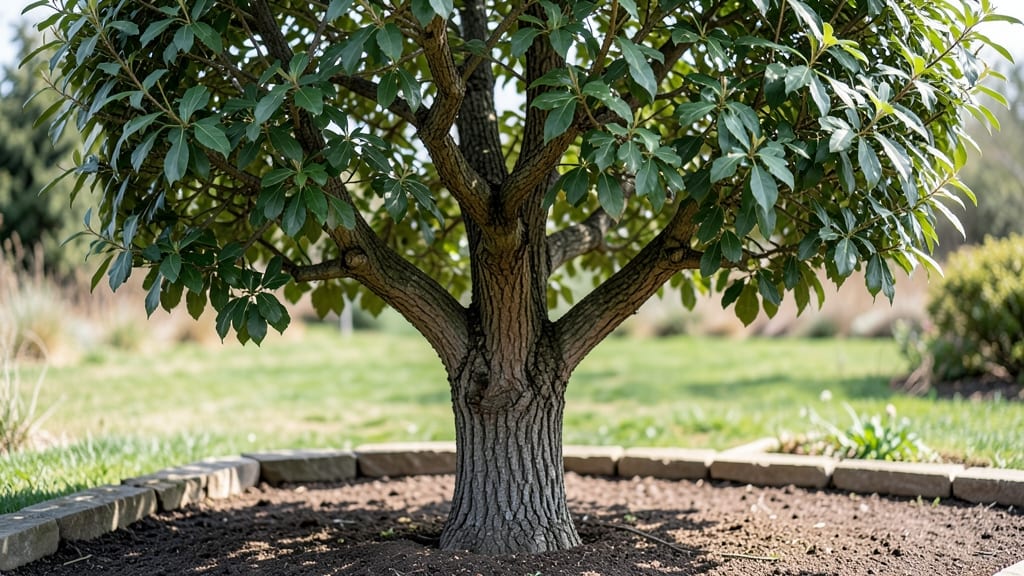
These Chinese elm tree pictures capture why my landscape feels like a living masterpiece—arching branches and velvety foliage that stay stunning even in winter. 🌿 I planted mine as a young sapling, and within five years, it became the centerpiece of my front yard, offering shade, texture, and year-round interest.
The small, leathery leaves create a fine, lacy canopy that dances in the breeze, while its resilience makes it perfect for urban gardens where other trees struggle.
What makes this tree truly special is its adaptability—whether you need a street tree, a privacy screen, or a focal point in a small courtyard, it thrives.
The distinctive bark and graceful shape add depth to any design, and its ability to handle pollution and drought means it’s a low-maintenance star. Pruning isn’t just about shaping; it’s about sculpting a tree that feels like part of the landscape, not just planted there.
Imagine waking up to sunlight filtering through those delicate branches in spring, or the way the leaves turn golden in fall—it’s a tree that gives back beauty in every season.
With the right placement and occasional pruning, you’ll have a tree that grows with your garden, offering shade, structure, and that "I finally nailed my landscaping" satisfaction. Let’s talk about how to make it work for your space.
From city sidewalks to suburban backyards, this tree fits anywhere with grace. Whether you’re dreaming of a grand entrance or a cozy corner, the Chinese elm delivers effortless elegance that keeps improving with age.
The key is understanding its natural shape and how to guide it—no complex techniques, just smart pruning for a tree that feels like it’s always been there.
📚 In This Guide
- What you need
- Instructions
- Tips and common mistakes
- Wrapping up and next steps
What you need
- ● Pruning shears: Bypass pruners (for small branches, ¼”–¾” thick). Example: Felco F-2 or Corona Classic.
- ● Loppers: For medium branches (¾”–2” thick). Look for bypass-style to avoid crushing.
- ● Pruning saw: Handsaw or folding pruning saw for thick branches (2”+ thick). Pro tip: 💡 Choose a curved blade for smoother cuts.
- ● Gloves: Heavy-duty, cut-resistant gloves (e.g., Mechanix or filament-reinforced).
- ● Ladder: Sturdy, extendable (20–30 ft) with a non-slip base. Safety first!
- ● Disinfectant: 70% isopropyl alcohol or rubbing alcohol (to sterilize tools between cuts and prevent disease).
- ● Sealing wax: Pruning sealant (e.g., Tanglefoot Tree Wound Pruning Seal) for cuts larger than ½”.
- ● Trash bags: Heavy-duty (for debris; 30–50 gallon size).
- ● Safety gear: Safety glasses and ear protection (if using a chainsaw for large branches).
- ● Chainsaw: For very thick branches (>3” diameter). Example: Stihl MS 180.
- ● Pole saw: Extendable saw for high branches (if you’re not using a ladder).
- ● Tree wound dressing: Controversial but some swear by it (e.g., TreeHelp). Note: Many arborists skip this—research first!
- ● Notebook & pen: To sketch a pruning plan before you start.
- ● Pruning rope: For supporting heavy branches during removal.
- ● Weather check: Prune on a dry, calm day (avoid rain or wind).
- ○ Timing: Best for late winter/early spring (before new growth). Optional: Light shaping in summer.
- ● Research: Study your tree’s growth habits—Chinese Elms respond well to open-center pruning.
- ● Permits: Check local regulations if your tree is near property lines or power lines.
How to prune a Chinese elm for year-round canopy beauty
Here's how to shape your Chinese elm into a stunning, healthy specimen that thrives in every season.
🌿 Step 1: Time Your Pruning for Optimal Growth
Prune your Chinese elm in late winter or early spring before new growth begins. This timing ensures you remove dead wood while stimulating fresh, vigorous growth for the season. Avoid heavy pruning in fall—it leaves branches vulnerable to winter damage and disease. I always check for buds swelling along the branches; that's my signal it's time to start shaping.
For minor maintenance pruning, you can trim lightly in summer to control size or shape, but never remove more than 25% of the canopy in one session. Over-pruning stresses the tree and weakens its natural resilience. If you're unsure, wait until spring—your tree will thank you with fuller foliage.
✂️ Step 2: Remove Dead, Diseased, or Weak Branches First
Start by inspecting the tree for dead, crossing, or diseased branches—these take priority. Dead branches snap easily when bent; diseased ones may have discolored bark or oozing sap. Use sharp, clean pruning shears to make cuts just outside the branch collar (the swollen area where the branch meets the trunk). This ensures proper healing and prevents unsightly stubs.
If a branch is too large for your shears, use a pruning saw instead. Make the cut on the underside of the branch, angled slightly away from the trunk. Sawing parallel to the trunk can damage the bark and invite pests. After removing the branch, sterilize your tools with rubbing alcohol to prevent spreading disease to healthy parts of the tree.
☀️ Step 3: Thin the Canopy for Light and Airflow
Step back and look at your tree from all angles. The goal is to create an open, airy canopy that allows sunlight to reach the inner branches. Focus on removing branches that rub against each other or grow inward—these compete for sunlight and create weak spots. Start at the outer edges and work your way inward, thinning about 10-20% of the smallest branches to encourage new growth from the center.
Chinese elms respond well to selective thinning, so don’t overdo it. You’ll know you’ve done enough when you can see light filtering through the branches from above. This not only improves the tree’s health but also enhances its natural beauty, giving it that lush, full look year-round. If you’re unsure, remove fewer branches—you can always prune more later.
🪴 Step 4: Shape for Balance and Structure
Now it’s time to refine the tree’s shape. Chinese elms have a natural, rounded form, so aim to maintain that silhouette while removing any branches that disrupt it. Use hand pruners to trim back the tips of branches that are growing too long or out of proportion. For a more formal look, you can also prune to encourage a slightly narrower canopy, but avoid cutting more than one-third of any branch’s length at once.
Pay special attention to the lower branches. If they’re too dense, they can block sunlight from reaching the trunk, which may encourage moss or fungal growth. Remove a few of the smallest lower branches to improve airflow and keep the trunk healthy. Step back frequently to check your progress—your goal is a tree that looks natural yet intentional.
⏰ Step 5: Clean Up and Monitor for Recovery
After pruning, rake up and dispose of all debris to prevent pests and diseases from taking hold. Sterilize your tools again with rubbing alcohol or a bleach solution (1 part bleach to 9 parts water) to ensure they’re ready for the next job. Water the base of the tree deeply to help it recover, especially if you’ve made significant cuts. A good soak encourages root growth and strengthens the tree for the season ahead.
Watch your Chinese elm over the next few weeks. New growth should appear within 4-6 weeks, signaling that the tree is healing well. If you notice any unusual wilting, discoloration, or signs of stress, it may be reacting to the pruning. In that case, reduce watering slightly and avoid further pruning until the tree stabilizes. With proper care, your tree will reward you with a stunning, year-round canopy.
Tips & tricks for perfect Chinese elm pruning
Here's what I learned after shaping my own Chinese elms—these details make all the difference for long-term beauty.
Timing is Everything: The late winter/early spring window is non-negotiable for major pruning. I've seen trees stressed when pruned in fall—buds swell too early, and new growth gets damaged by late frosts. If you must prune in summer for maintenance, limit yourself to 25% of the canopy and focus only on shaping, not heavy cuts. The tree's natural defenses are strongest when it's actively growing.
Branch Collar Matters: That swollen area where branches meet the trunk isn't just decoration—it's the tree's natural healing zone. Cutting flush with the trunk creates wounds that take years to seal. Instead, make your cuts just outside the branch collar, leaving a small bump. This simple technique prevents unsightly stubs and helps the tree recover faster. I've seen professional arborists make this mistake too—don't be afraid to ask for a second opinion if your cuts look too clean.
Thinning Technique: When you're thinning that 10-20% of smallest branches, work from the outside in. Start with branches that cross or rub against others—they're competing for sunlight and resources. Think of it like opening a window blind: you want light to filter through evenly. I use a simple trick—if I can see light through the canopy from above, I've done enough. Too much thinning can stress the tree, but proper thinning creates that lush, full look year-round.
Recovery Check: After pruning, watch for new growth within 4-6 weeks—that's your sign everything's healing properly. If you see wilting or discoloration, dial back on watering slightly. The tree is telling you it's stressed. I keep a small notebook with pruning dates and weather notes—it helps track patterns in my own trees. This attention to detail makes the difference between a tree that thrives and one that just survives.
Pro Tips for Chinese Elm Tree Pictures
- Here's what I learned after shaping my own Chinese elms—these details make all the difference for long-term beauty.
- Timing is Everything: The late winter/early spring window is non-negotiable for major pruning.
- Branch Collar Matters: That swollen area where branches meet the trunk isn't just decoration—it's the tree's natural healing zone.
Frequently asked questions
Got questions about keeping your Chinese elm tree looking its best? Here are some of the most common inquiries—plus quick answers to help you prune with confidence!
What’s the best time of year to prune a Chinese elm tree for year-round beauty?
The ideal time is late winter or early spring (before buds swell), but you can also do light pruning in summer to shape the canopy. Avoid heavy cuts in fall—it can stimulate tender new growth that won’t survive winter. For year-round appeal, focus on removing dead branches and thinning out crowded limbs in late winter to improve airflow and sunlight distribution.
How do I prune a Chinese elm to encourage a fuller, denser canopy?
Chinese elms respond well to selective pruning. Start by removing water sprouts (fast-growing vertical shoots) and crossing branches. Cut back 1/3 of the oldest stems to the ground every 2–3 years to stimulate new growth. For a bushier look, trim back the outermost tips of branches by 10–15% in spring. Pro tip: Use hand pruners for small branches and loppers for thicker limbs to avoid tearing the bark.
Why are my Chinese elm tree’s leaves turning yellow after pruning?
Yellowing leaves after pruning are usually a sign of stress, often caused by:
- Over-pruning (cutting too much at once—stick to no more than 25% of the canopy per year).
- Improper cuts (leaving stubs or tearing bark). Always make clean cuts just outside the branch collar.
- Underwatering or nutrient deficiency (fertilize lightly in spring if needed).
Can I use Chinese elm wood for anything after pruning?
Yes! Chinese elm wood is hard and durable, making it great for:
- Small furniture (like stools or bowls).
- Carving projects (e.g., spoons, figurines).
- Firewood (once seasoned properly—it burns hot!).
What are some low-maintenance alternatives to Chinese elm trees?
If you love the look of Chinese elms but want less pruning work, consider these hardy, drought-tolerant options:
- Ginkgo tree (Ginkgo biloba): Disease-resistant, golden fall foliage, and minimal pruning needs.
- Serviceberry (Amelanchier): Small tree with white flowers, edible berries, and graceful branching.
- Hackberry (Celtis occidentalis): Tolerates urban pollution and has a naturally tidy shape.
- Crape myrtle (Lagerstroemia): Stunning summer blooms and peeling bark for winter interest.
Wrapping up and next steps
From understanding the unique charm of Chinese elm trees to mastering the art of year-round pruning, you’ve now got the tools to keep your tree thriving and stunning! 🌿 Whether you’re trimming for shape, health, or seasonal beauty, these techniques will help you enjoy a lush, vibrant canopy all year.
Ready to put your new skills to work? Grab your pruners and get started—your tree (and your neighbors!) will thank you.
💡 Pro tip: Bookmark this guide for future reference or share it with fellow gardening enthusiasts who could use a little inspiration!