
Pruning
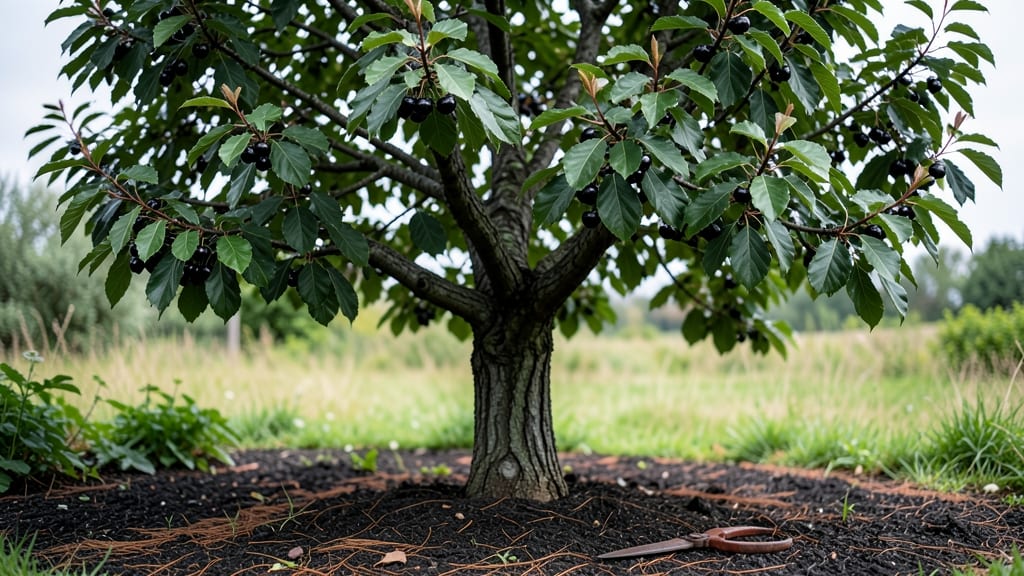
Pruning cherry trees in North Carolina isn’t just about shaping branches—it’s the secret to doubling your harvest while keeping those trees healthy through our humid summers and late frosts. 🌿 I’ve spent years watching ‘Stella’ and ‘Royal Ann’ cherries struggle with brown rot and weak wood until I learned the NC-specific cuts that make all the difference.
The right time to prune is late winter or early spring, when the tree is still dormant but before buds swell.
You’ll focus on three key cuts: removing dead wood, thinning crowded branches, and opening the center for airflow—this last step is critical in our sticky climate where fungal diseases thrive. A sharp pair of loppers and a little patience go a long way.
What you’ll end up with is a tree that produces larger, sweeter cherries and resists pests better than unpruned neighbors. The first year, you’ll see fewer fruitless branches and stronger growth by summer.
For those late frosts that hit us in April, proper pruning also helps young fruit survive by keeping the tree’s energy focused where it counts.
This method works for both sweet and tart cherries planted in NC’s USDA zones 7-8, whether you’re dealing with a young sapling or a mature tree that’s been neglected.
The same principles apply to container-grown cherries too—just scale down your cuts. Let’s get those branches in shape for next season’s harvest.
📚 In This Guide
- What you need
- Instructions
- Tips and common mistakes
- Wrapping up and next steps
What you need
- ● Pruning shears: Bypass pruners (sharp, clean, and sterilized to prevent disease). Example: Felco F-2 or Corona Tools 1000.
- ● Loppers: 8–12" bypass loppers for thicker branches (1–2" diameter). Example: Felco 202 or Fiskars X27.
- ● Pruning saw: Curved-tooth saw for branches >2" thick. Example: Felco 130 or Bahco Laplander.
- ● Disinfectant: 70% isopropyl alcohol or bleach solution (1 part bleach to 9 parts water) for sterilizing tools between cuts.
- ● Rubber gloves: Heavy-duty to protect from thorns and sap.
- ○ Pruning sealant: Optional but helpful for large cuts (>0.5" diameter) to prevent disease entry. Example: Tree Wound Pruning Seal.
- ● Ladder or step stool: Sturdy, 6–10 ft tall (for mature trees). Safety first!
- ● Marking twine or flags: For tagging branches to remove later (if needed).
- ● Heavy-duty trash bags: 2–3 bags (13-gallon size) for debris cleanup.
- ● Work vest or apron: With pockets for tools and supplies.
- ● Weather check: Prune during dormant season (late winter/early spring, before buds swell) to avoid pests like the black knot fungus (common in NC).
- ● Local regulations: Verify if your county requires permits for tree work (e.g., near power lines).
- ● Pest control: Have horticultural oil or neem oil ready if treating for cherry tree pests (e.g., cherry fruit fly).
- ● Handheld leaf blower for quick cleanup.
- ● Extension pole pruners for high branches (if no ladder is available).
- ● Camera or phone to document pruning progress.
- ● First-aid kit (for thorn pricks or minor cuts).
Step-by-step guide for pruning North Carolina cherry trees
Here’s how to shape your tree for healthier growth and better fruit—without overcomplicating it.
✂️ Step 1: Time Your Pruning for Maximum Impact
Prune your cherry tree during late winter or early spring, just before buds swell but before new growth begins. In North Carolina’s climate, this usually falls between mid-February and early March. Pruning too early risks exposing fresh cuts to late frosts, while pruning too late removes energy that could fuel fruit production.
If you’re dealing with a newly planted tree, wait 12-18 months before pruning to let the root system establish. Young trees need all their energy focused on growth, not recovery from cuts. Look for dormant branches—they’ll be bare and stiff, making them easier to identify for removal.
🌿 Step 2: Remove Dead, Diseased, or Crossing Branches
Start by scanning the tree for dead wood—branches that snap easily when bent or have no bark. Use clean, sharp pruning shears to cut these back to the main trunk or a healthy lateral branch. Diseased branches (often spotted with fungal growth or oozing sap) should also be removed immediately to prevent spread.
Next, target crossing or rubbing branches—these create wounds where pests and diseases love to hide. Make your cuts just outside the branch collar (the swollen area where the branch meets the trunk). Avoid leaving stubs; a clean cut helps the tree heal faster. If a branch is too thick for shears, use a pruning saw for a smooth cut.
☀️ Step 3: Thin Out the Canopy for Better Airflow
Cherry trees need good airflow to prevent fungal diseases like brown rot, which thrives in damp, shaded conditions. Aim to open up the canopy by removing 10-20% of the smallest branches—these are often the ones growing inward or upward. Focus on branches that don’t contribute to the tree’s structure but compete for sunlight and nutrients.
Look for water sprouts (fast-growing, vertical shoots) and suckers (shoots from the base or roots). These drain energy from fruit production. Cut them back to a bud or lateral branch facing outward. You’ll know you’re doing it right when you can see light filtering through the canopy—this signals healthier fruit development.
⏰ Step 4: Shape for Fruit Production and Safety
To encourage fruit-bearing branches, prune to create an open-center shape—this allows sunlight to reach the center of the tree, where most fruit forms. Remove branches that grow directly upward (they’ll never bear fruit) and redirect their energy to horizontal or slightly downward branches. Make your cuts just above an outward-facing bud to guide new growth in the right direction.
Finally, check for low-hanging branches that could become hazards during storms. These should be pruned back to a sturdy lateral branch or the trunk. In North Carolina’s windy conditions, a well-pruned tree is less likely to suffer storm damage. Step back occasionally to visualize the tree’s shape—you’re aiming for a balanced, pyramid-like form.
💧 Step 5: Clean Up and Protect Your Tree
After pruning, sterilize your tools with rubbing alcohol or a bleach solution to prevent spreading disease. Collect and dispose of all cuttings—never leave them on the ground, as they can harbor pests. If possible, shred and compost them, but avoid adding them to your garden if fungal issues are present.
Apply a layer of mulch (2-3 inches thick) around the base of the tree, keeping it 6 inches away from the trunk to prevent rot. This helps retain moisture and regulate soil temperature. Water deeply after pruning to help the tree recover. Watch for new growth within 4-6 weeks—this is your sign that the tree is responding well to the cuts.
Tips & tricks for pruning North Carolina cherry trees
Here's what I've learned after years of shaping these fruit-bearing giants in our state's unique climate.
Timing is Everything: The window between mid-February and early March is critical for North Carolina cherry trees. I've seen too many gardeners rush this and end up with frost-damaged cuts. Check for swollen buds—when you see them starting to plump up but haven't broken yet, that's your cue. For newly planted trees, that 12-18 month waiting period might feel long, but trust me, it prevents stress that could stunt growth for years.
Tool Prep Prevents Problems: Before you even touch a branch, sterilize your pruning shears with rubbing alcohol. I learned this the hard way after spreading brown rot between two of my trees. Use a clean towel to wipe down tools between cuts, especially when dealing with diseased branches. And for thick branches, a pruning saw with a fine-tooth blade will give you cleaner cuts that heal faster than jagged shears can provide.
Canopy Light Test: After thinning, step back and look at your tree's silhouette against the sky. You should see light filtering through the branches—this is your visual confirmation of proper airflow. I aim to remove about 15% of the smallest branches in mature trees, focusing on those growing straight up or inward. These branches never bear fruit anyway, so you're actually doing your tree a favor by removing them.
Storm-Proofing Strategy: In North Carolina's windy conditions, low-hanging branches become hazards. I cut these back to sturdy lateral branches, never leaving stubs. The key is to make your cuts just outside the branch collar—this swollen area at the base of the branch contains healing cells that help the tree recover. For branches thicker than 2 inches, I use a pruning saw and make the cut on the underside of the branch to prevent tearing.
Pro Tips for Cherry Tree North Carolina
- Here's what I've learned after years of shaping these fruit-bearing giants in our state's unique climate.
- Timing is Everything: The window between mid-February and early March is critical for North Carolina cherry trees.
- Tool Prep Prevents Problems: Before you even touch a branch, sterilize your pruning shears with rubbing alcohol.
Frequently asked questions
Got questions about pruning cherry trees in North Carolina? You’re not alone! Here are answers to the most common queries to help you grow a thriving orchard.
When is the best time to prune cherry trees in North Carolina?
For sweet cherries, prune in late winter (February–March) while trees are still dormant but before buds swell. Sour cherries (like Montmorency) can handle light pruning in summer to control growth. Avoid heavy cuts after mid-summer—they may stimulate late-season growth vulnerable to frost.
Can I prune a cherry tree in summer, or should I wait?
Light summer pruning (e.g., removing water sprouts or diseased branches) is fine, but avoid heavy structural cuts. Summer pruning can stress trees and invite pests. If you must prune heavily, do it in early summer (June) for sour cherries, but stick to dormant season for sweet cherries.
Why are my cherry tree leaves curling or dropping after pruning?
Curling or dropping leaves often signal stress from over-pruning, disease (like leaf spot), or pest damage (e.g., cherry leaf spot or aphids). Check for black spots or sticky residue. If pruning was recent, you may have cut too aggressively—focus on 10–20% of the canopy per year for sweet cherries.
Do cherry trees in North Carolina need special pruning for cold winters?
Yes! NC’s winters can damage young branches. Prune to improve airflow, reducing moisture retention that leads to fungal issues. Thin out crowded branches to prevent silver leaf disease (common in humid climates). After harsh winters, inspect for dead wood and prune after buds break in spring.
Will pruning my cherry tree increase fruit production?
Proper pruning boosts fruit quality and yield by redirecting energy to remaining branches, improving sunlight exposure, and reducing disease. Aim for an open-center shape for dwarf varieties or a central leader for standard trees. Just avoid topping—it stunts growth and weakens the tree.
What’s the difference between pruning sweet and sour cherries?
| Sweet Cherries (e.g., Bing, Stella) | Sour Cherries (e.g., Montmorency) |
|---|---|
| Prune only in dormant season (Feb–March). | Can handle light summer pruning (June–July). |
| More sensitive to frost damage—avoid late cuts. | Hardier; tolerates pruning after harvest. |
| Focus on structural cuts to prevent breakage. | Prune to manage vigorous growth and fruit clusters. |
Wrapping up and next steps
Growing a thriving cherry tree in North Carolina is all about timing, technique, and a little patience—just like crafting the perfect recipe! 🌳 By mastering the right cuts at the right time (like dormant-season pruning for structure and post-harvest shaping), you’ll unlock bigger yields, healthier branches, and fewer pests.
Whether you’re a first-time pruner or a seasoned gardener, these NC-specific tips will help your tree flourish for years to come.
Ready to take the next step? Grab your pruners, mark your calendar for this year’s pruning windows, and start small—even a single branch trimmed with care makes a difference! 💡 For extra confidence, sketch a simple branch map before cutting, or snap photos of your tree’s progress.
Happy pruning—your future harvests will thank you!