
Blooming
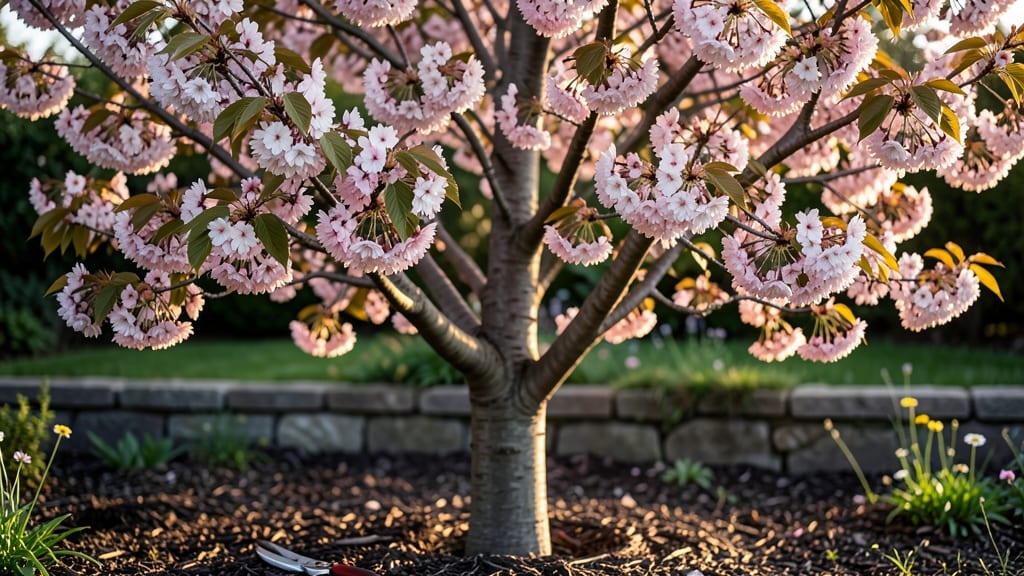
Planting cherry blossom trees in the US transforms your yard into a springtime masterpiece—imagine pink clouds of petals drifting over your patio every April. 🌸 I’ve watched these trees turn neighborhoods into postcard scenes, and the secret isn’t just picking any variety.
It’s choosing the right one for your climate, whether you’re in the Pacific Northwest’s damp chill or the Midwest’s sharper frosts.
The best part? You don’t need a sprawling estate—dwarf varieties fit small yards, while standard trees anchor large landscapes. These trees thrive in full sun and well-drained soil, and their blooms last 2-3 weeks, turning even urban streets into dreamy canvases.
Pair them with azaleas or dogwoods for layered color, and you’ve got a showstopper that keeps giving.
Once established, they’re low-maintenance—just prune in late winter and fertilize lightly. The payoff? Years of effortless beauty, with some varieties even producing edible cherries. Whether you’re planting a single specimen or a grove, this is how you make spring unforgettable.
Regional differences matter—some varieties handle Zone 3 winters, while others need Zone 6’s milder cold. I’ll walk you through the 10 toughest, most stunning options and how to place them for maximum impact. Let’s get started!
📚 In This Guide
- What you need
- Instructions
- Tips and common mistakes
- Wrapping up and next steps
What you need
- ● Cherry Blossom Tree: Choose from cold-hardy varieties like Prunus serrulata (Kanzan, Kwanzan), Prunus avium (Wild Cherry), or Prunus subhirtella (Autumn Brilliance). Buy a 2-3 year-old bare-root or container-grown sapling (15-20 ft tall at maturity).
- ● Shovel or Trench Digger: For digging a hole 2-3 times wider than the root ball and as deep as the root system.
- ● Native Soil or Well-Draining Potting Mix: 60% native soil, 30% compost, and 10% perlite or sand to improve drainage (avoid heavy clay). 1-2 cubic yards per tree.
- ● Organic Mulch: 3-4 inches of wood chips, shredded bark, or pine straw (keep 6 inches away from the trunk).
- ● Watering Can or Hose with Soaker Nozzle: For deep watering (1-2 gallons per week in the first year).
- ● Pruning Shears or Loppers: For shaping and removing dead branches (sterilize with rubbing alcohol before use).
- ○ Tree Stake & Ties (Optional but Recommended for Young Trees): 1-2 stakes and soft fabric ties to support the tree in windy areas.
- ● Slow-Release Fertilizer: Balanced 10-10-10 NPK (apply in early spring before blooming).
- ● Tree Guard or Protective Barrier: To deter animals or lawn equipment from damaging the trunk.
- ● pH Test Kit: Ideal soil pH for cherry blossoms is 5.5-6.5; amend with lime (to raise pH) or sulfur (to lower pH) if needed.
- ● Drip Irrigation System: For automated watering (especially useful in hot climates).
- ● Seasonal Pruning Kit: Includes gloves, safety glasses, and a pruning saw for larger branches.
How to plant and care for cold-hardy cherry blossom trees
Here’s how I’ve successfully planted and maintained these stunning trees in colder climates—no green thumb required.
🌱 Step 1: Choose the Right Variety for Your Zone
Cold-hardy cherry blossom trees thrive in USDA Zones 4-7, so pick a variety suited to your region. For example, ‘Kanzan’ handles Zone 4 winters with ease, while ‘Autumn Brilliance’ tolerates Zone 5’s sharp frosts. Check the tree’s mature height—some varieties like ‘Okame’ stay under 15 feet, while others like ‘Royalty’ can reach 25 feet.
Here’s the thing—soil drainage matters more than you’d think. If your yard has heavy clay, amend the planting area with 3 inches of compost to prevent root rot. I always test soil pH too; cherry blossoms prefer slightly acidic to neutral (6.0-7.0). If your soil is too alkaline, mix in sulfur before planting.
🪴 Step 2: Plant at the Right Time and Depth
Plant your tree in early spring or early fall, when soil is workable but not frozen. Dig a hole twice as wide as the root ball but no deeper—the top of the root ball should sit 1-2 inches above ground level. This prevents water from pooling around the trunk, which can rot roots over time.
Gently loosen the roots if they’re circling the root ball (a common issue with nursery trees). Place the tree in the hole, backfill with native soil, and tamp lightly to remove air pockets. Water deeply to settle the soil—you’ll know it’s right when moisture reaches the edges of the hole. Mulch with 3 inches of shredded bark (keep it 6 inches away from the trunk) to retain moisture and regulate soil temperature.
☀️ Step 3: Provide Ideal Light and Watering
Cherry blossoms need full sun (6-8 hours daily) to bloom spectacularly. If your yard has partial shade, choose ‘Shirofugen’—it tolerates 4-6 hours of sun better than most. Water deeply once a week during the first year, soaking the soil to 12 inches deep. You’ll know it’s enough when the moisture reaches that depth—stick a screwdriver in to check.
Real talk: Overwatering kills more cherry trees than drought. Once established (after 2-3 years), these trees are drought-tolerant. Reduce watering in winter unless temperatures drop below 10°F, then give a light drink every 3-4 weeks to prevent desiccation. Avoid wetting the bark in winter—wet wood in freezing temps invites fungal diseases.
✂️ Step 4: Prune for Health and Blooms
Prune right after flowering (late spring) to shape the tree and encourage next year’s blooms. Remove dead, crossing, or inward-growing branches first—these compete for energy and weaken the tree. Cut back to a healthy outward-facing bud just above the branch collar (the swollen area where the branch meets the trunk).
Never prune in fall—new growth won’t harden off before winter, and tender shoots will die in frost. If you notice mushroom-like growths at the base, it’s a sign of Armillaria root rot. Remove infected wood immediately and treat the area with copper fungicide to prevent spread. Healthy pruning keeps your tree strong for decades of blooms.
⏰ Step 5: Protect Against Pests and Winter Damage
Watch for Japanese beetles and cherry fruit flies in summer—they’ll defoliate leaves and damage blossoms. Apply neem oil spray every 2 weeks during peak pest season (June-July). For winter prep, wrap the trunk of young trees (under 3 years old) with tree guard to prevent voles and rabbits from gnawing bark. Older trees handle cold well, but sudden temperature swings (like a 30°F drop in a day) can shock buds.
This is the moment that matters: Mulch again in late fall with 4-6 inches of straw or leaves to insulate roots. Remove mulch in early spring to avoid suffocating roots as temps rise. With consistent care, your cherry blossom will reward you with pink clouds of blooms for years.
Tips & tricks for perfect cherry blossom planting
Real talk: These little details make the difference between a tree that thrives and one that struggles. Let me save you the trial-and-error of my first few attempts.
Variety Selection: When choosing between cold-hardy varieties like ‘Kanzan’ or ‘Autumn Brilliance’, consider your yard’s microclimate. ‘Kanzan’ handles Zone 4 winters beautifully but needs more space (up to 25 feet), while ‘Okame’ stays compact (under 15 feet) and tolerates urban environments better. I’ve seen ‘Autumn Brilliance’ survive Zone 5 winters with its vibrant fall foliage—don’t overlook it just because it’s not the flashiest bloomer.
Soil Preparation: The 3 inches of compost recommendation is non-negotiable for clay soils, but here’s what nobody tells you—mix that compost into the native soil, don’t just layer it on top. I learned this the hard way after watching roots circle the compost layer instead of spreading properly. For pH adjustment, test your soil first; adding sulfur to already acidic soil (below 6.0) can actually make things worse. Aim for that 6.0-7.0 sweet spot where roots can access nutrients efficiently.
Planting Depth: That 1-2 inch elevation above ground level is crucial for preventing water pooling, but here’s the trick: Use a level to verify it’s perfectly horizontal. I’ve seen trees planted with one side lower than the other, causing uneven water distribution. Also, if you’re planting in fall, do it at least 6 weeks before the first hard frost—roots need time to establish before winter dormancy.
Winter Protection: The 10°F threshold for winter watering is your guide, but watch for those sudden temperature swings mentioned in Step 5. If your area experiences rapid 30°F drops, consider wrapping young trees with tree guard AND adding extra mulch (up to 6 inches) around the base. I’ve seen trees survive -20°F winters with this double protection—don’t skimp on the insulation layer.
Pro Tips for Cherry Blossom Trees In The Us
- Real talk: These little details make the difference between a tree that thrives and one that struggles.
- Variety Selection: When choosing between cold-hardy varieties like ‘Kanzan’ or ‘Autumn Brilliance’, consider your yard’s microclimate.
- Soil Preparation: The 3 inches of compost recommendation is non-negotiable for clay soils, but here’s what nobody tells you—mix that compost into the native soil, don’t just layer it on top.
Frequently asked questions
Got questions about growing cherry blossom trees in the U.S.?
You’re not alone! Here are answers to the most common queries—from timing and care to troubleshooting—so you can enjoy your own spring spectacle without the guesswork.
When is the best time to plant cherry blossom trees in the U.S.?
Plant them in early spring or fall (4–6 weeks before the first frost) for the best root establishment. Spring planting lets them bloom sooner, while fall gives roots time to settle before winter. Avoid extreme heat or cold—aim for 50–60°F (10–15°C) soil temps for ideal success.
How long does it take for a cherry blossom tree to bloom after planting?
Patience is key! Most varieties take 3–5 years to produce flowers, though some faster-growing types (like Yoshino) may bloom in 2–3 years with proper care. Age, climate, and sunlight all play a role—soak up those petals once they arrive!
Are cherry blossom trees cold-hardy enough for northern states like Minnesota or New York?
Yes—if you choose the right variety! Kwanzan and Autumnalis thrive in USDA Zones 5–8, while Okame extends to Zone 4. Mulch heavily in winter and water deeply before frost to protect roots. Just avoid Prunus serrulata (traditional Japanese types), which need milder climates.
Why aren’t my cherry blossoms blooming this year?
No flowers? Check these fixes:
- Age: Young trees (under 3 years) may not bloom yet.
- Sunlight: Ensure 6+ hours of full sun daily—shady spots delay blooms.
- Pruning: Avoid heavy cuts in late winter/early spring (when buds form).
- Stress: Overwatering, drought, or pests can shock the tree. Monitor for aphids or borers.
Can I grow cherry blossom trees in containers? Dwarf varieties?
Dwarf varieties like Royal Burgundy or Snow Fountain thrive in 15–20 gallon containers with well-draining soil. Use a balanced fertilizer (10-10-10) in spring and repot every 2–3 years. Just note: Container-grown trees may bloom slightly later than ground-planted ones.
Are cherry blossom trees toxic to pets?
Yes—all parts of the tree (leaves, bark, pits) are toxic to dogs, cats, and horses due to cyanogenic glycosides. Symptoms include vomiting, diarrhea, or lethargy. Keep pets away from fallen petals/pits and opt for pet-safe alternatives like crabapple trees if needed.
Wrapping up and next steps
From the Tidal Basin’s iconic display in D.C. to the cold-hardy varieties perfect for your backyard, cherry blossoms bring magic to U.S. springs. Whether you’re admiring nature’s fleeting beauty or planting your own resilient trees, these varieties prove that spring’s splendor is within reach—even in cooler climates! 🌸
Ready to embrace the season? Start small:
- Visit a local arboretum to witness the bloom firsthand.
- Research your zone’s best varieties (like ‘Autumn Royal’ or ‘Kanzan’) for a future garden project.
- Share your blossom moments online—tag #USCherryBlossom to inspire others!