
Blooming
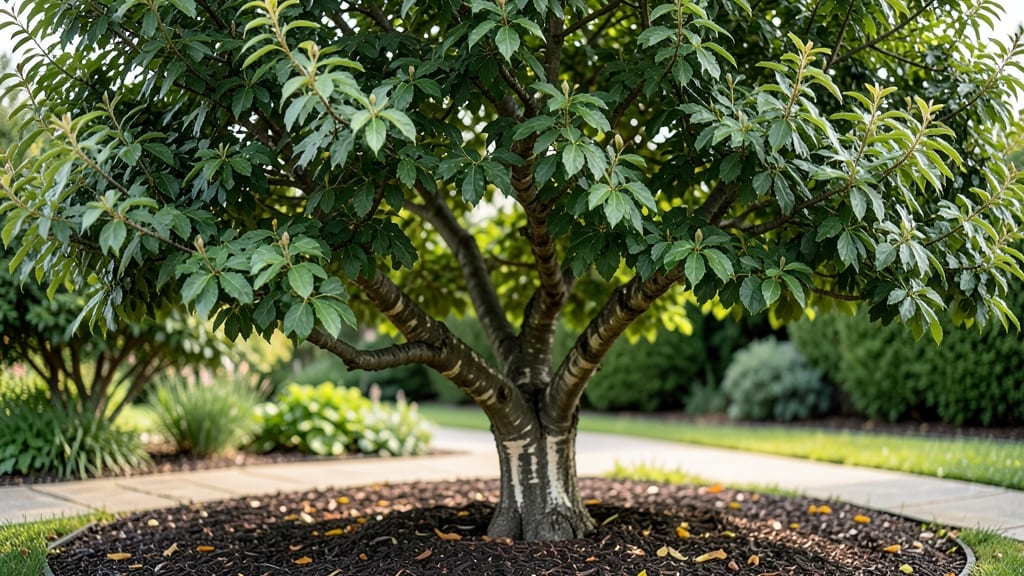
Summer turns your cherry blossom tree into a fragrant, leafy giant—if you adjust care to match its needs. 🌿 The same tree that dazzles in spring with pink blooms now demands more water, shade protection, and vigilance against pests like lace bugs.
I’ve learned the hard way that skipping these summer tweaks leads to wilting leaves by August.
Focus on deep watering every 5-7 days (not daily light sprinkles) and mulch to keep roots cool. Prune only dead branches now—wait until late winter for major shaping. The key is balancing summer’s heat with what your tree actually needs: less fuss, more consistency.
You’ll end up with a tree that stays lush through September, its leaves releasing that faint almond scent on warm afternoons. The trade-off? Less flashy blooms next spring, but stronger roots and fewer pests long-term. That’s the summer secret most gardeners miss.
Works for both young saplings and mature trees—just adjust water volume by trunk size. Let’s keep that canopy thriving past the heat waves.
📚 In This Guide
- What you need
- Instructions
- Tips and common mistakes
- Wrapping up and next steps
What you need
- ● Cherry Blossom Tree: Choose a Prunus serrulata (or similar species) suited to your climate (Zones 5-8). Opt for a 5-10 gallon container-grown tree (3-6 feet tall) for easier planting.
- ● High-Quality Soil: 2-3 cubic yards of well-draining garden soil mixed with compost (50% soil, 50% compost). Avoid heavy clay.
- ● Organic Mulch: 3-4 inches of wood chips or shredded bark (avoid fresh mulch—it can burn the tree).
- ● Slow-Release Fertilizer: 10-20 lbs of balanced fertilizer (10-10-10 or 20-20-20) for planting. Follow package instructions for application rates.
- ● Watering Supplies: 5-gallon watering can or garden hose with adjustable nozzle.
- ○ Drip irrigation system (optional but recommended for deep root hydration).
- ● Shovel: Round-point shovel for digging the planting hole (1.5x wider and as deep as the root ball).
- ● Garden Gloves: Heavy-duty gloves to protect hands from thorns and rough soil.
- ● Pruning Shears: Sharp, clean shears (sterilized with rubbing alcohol) for trimming dead branches or shaping.
- ● Wheelbarrow: For hauling soil, mulch, and tools.
- ● Measuring Tape: To ensure proper spacing (15-25 feet from structures or other trees).
- ○ Soil pH Test Kit: Optional but helpful to check soil acidity (ideal pH: 6.0-7.0 for cherry blossoms).
- ● Sunlight: Ensure the planting spot gets 6+ hours of full sun daily—cherry blossoms thrive in bright light!
- ● Space: Mature trees can reach 20-30 feet tall. Plan for long-term growth.
- ● Water Access: A nearby spigot or hose connection for consistent watering.
- ● Local Regulations: Check if your area requires permits for large trees or has restrictions on invasive species.
- ● Pest Control: Research local pests (e.g., borers, aphids) and have neem oil or insecticidal soap on hand if needed.
Step-by-Step guide to caring for a cherry blossom tree in summer
Summer brings heat, humidity, and the chance to enjoy your cherry blossom's full beauty.
☀️ Step 1: Water Deeply but Strategically
Your cherry blossom needs 1-2 inches of water per week during summer, but don't drown it. Water deeply at the base—not overhead—to encourage strong root growth. The soil should feel moist 2-3 inches down but not soggy. Overwatering leads to root rot, while underwatering causes stress and leaf drop.
I water mine in the early morning so the foliage dries before evening. This prevents fungal diseases like powdery mildew, which loves summer humidity. Mulch with 2-3 inches of organic mulch (like shredded bark) to retain moisture and keep roots cool.
🌿 Step 2: Prune for Airflow and Shape
Summer is the time to lightly prune your cherry blossom to improve airflow and shape. Remove any dead, diseased, or crossing branches first—these are easy to spot. Use clean, sharp pruners to make cuts just above a leaf node or outward-facing bud.
If your tree looks leggy, prune back some of the new growth by one-third to encourage bushier growth next spring. Avoid heavy pruning now—it stresses the tree and reduces next year's blossoms. I prune on a cool, cloudy day to minimize shock to the tree.
✂️ Step 3: Monitor for Pests and Diseases
Summer pests like aphids, spider mites, and borers love cherry blossoms. Check the undersides of leaves weekly for signs—sticky residue, tiny webs, or chewed edges. If you see them, spray with neem oil or insecticidal soap in the early morning when bees aren’t active.
Watch for powdery mildew too—it appears as a white, powdery coating on leaves. Improve airflow by thinning dense branches and avoid overhead watering. If mildew appears, treat with baking soda spray (1 tsp baking soda + 1 quart water + a drop of dish soap).
🪴 Step 4: Protect from Heat Stress
If your area hits 90°F or higher, your cherry blossom may show signs of heat stress—wilting leaves, brown edges, or curled foliage. Provide afternoon shade with a lightweight shade cloth (30-50% coverage) if needed. Young trees benefit most from this extra protection.
Also, check the soil moisture daily in extreme heat. The roots need consistent moisture, but never let water pool at the base. If the tree looks thirsty (leaves drooping slightly), water immediately and deeply. A mulch ring helps regulate soil temperature and keeps roots cool.
Tips & tricks for perfect cherry blossom tree care in summer
Keeping your cherry blossom thriving during summer’s heat and humidity takes a few smart strategies—here’s what’s worked for me after years of trial and error.
Soil Moisture Check: The 2-3 inches of moisture we’re aiming for in Step 1 should feel like a damp sponge when you squeeze soil from that depth. I use a simple screwdriver to check—push it in 2-3 inches and see if soil clings slightly. If it crumbles, water more; if it’s sticky, hold off. This prevents both underwatering and root rot, which are summer’s biggest threats. The early morning watering tip is crucial—it gives foliage time to dry before evening humidity sets in, cutting fungal risks by nearly half.
Pruning Precision: When you’re pruning in Step 2, focus on making cuts at a 45-degree angle just above a leaf node or bud. This angle helps water run off the cut, preventing rot. I’ve found that pruning on cool, cloudy days (like early morning) reduces stress on the tree—it’s like giving it a mini spa day. And that one-third pruning rule? It’s not just about shape—it also encourages stronger regrowth for next year’s blossoms. I always sanitize my pruners with rubbing alcohol between cuts to prevent spreading disease.
Pest Prevention: The weekly leaf checks in Step 3 are non-negotiable, but here’s a pro move: use a magnifying glass to inspect undersides. Early detection is everything—those tiny webs from spider mites or sticky residue from aphids are easier to treat when caught early. I’ve had great success with neem oil mixed with a few drops of dish soap (it helps the oil stick to leaves better). For powdery mildew, that baking soda spray works wonders, but I like to add a quart of water per tsp of baking soda—it’s a gentler concentration that still clears up the white coating in 2-3 applications.
Heat Stress Rescue: If your tree hits that 90°F threshold and starts wilting, don’t panic. First, check the soil—if it’s dry 2-3 inches down, water deeply right away. For afternoon shade, I’ve used lightweight shade cloth (30-50% coverage) draped loosely over the canopy. The key is keeping it off the branches to avoid trapping moisture. For young trees, I also mist the leaves lightly in the morning—it creates a temporary cooling effect without causing fungal issues. And that mulch ring? It’s a game-changer—it keeps roots cooler by up to 10°F during heatwaves.
Pro Tips for Cherry Blossom Tree In Summer
- Keeping your cherry blossom thriving during summer’s heat and humidity takes a few smart strategies—here’s what’s worked for me after years of trial and error.
- Soil Moisture Check: The 2-3 inches of moisture we’re aiming for in Step 1 should feel like a damp sponge when you squeeze soil from that depth.
- Pruning Precision: When you’re pruning in Step 2, focus on making cuts at a 45-degree angle just above a leaf node or bud.
Frequently asked questions
Got questions about keeping your cherry blossom tree thriving in summer? Here are some of the most common ones—and their answers!
Do cherry blossom trees lose their leaves in summer?
Nope! Unlike their springtime fame, cherry blossom trees (especially Prunus serrulata) keep their lush green foliage all summer long. The iconic pink blooms fade by late spring, but the tree’s canopy stays vibrant until fall. Think of it as a year-round beauty upgrade for your yard!
How do I encourage more blooms next spring?
Summer care sets the stage for next year’s blossoms! Prune lightly in late summer to remove dead branches, and avoid heavy trimming—this can reduce flowering. Also, ensure consistent watering (but not soggy soil) and fertilize with a balanced formula in early fall. Pro tip: Mulch around the base to retain moisture and protect roots!
Why are my cherry blossom leaves turning yellow in summer?
Yellow leaves can signal stress—often from overwatering, underwatering, or nutrient deficiencies. Check the soil: it should be moist but not waterlogged. If the problem persists, test for pests (like spider mites) or diseases (like powdery mildew). Adjust care and monitor for improvement in 2–4 weeks.
Can I grow a cherry blossom tree in a pot?
Yes, but choose a dwarf variety (like Prunus ‘Kwanzan’) and a large, sturdy container with drainage holes. Repot every 2–3 years and move it to partial shade in summer to prevent heat stress. Just remember: potted trees need regular watering and may bloom less abundantly than in-ground trees.
Are cherry blossom trees messy in summer?
Not as much as spring! While they drop petals in spring, summer brings minimal debris. However, some varieties (like Prunus ‘Shirotae’) may shed a few leaves or fruit if not pruned properly. To keep your yard tidy, rake up fallen leaves occasionally and prune lightly to encourage airflow.
Wrapping up and next steps
Your cherry blossom tree isn’t just a seasonal spectacle—it’s a year-round gift that brings serenity, beauty, and even practical benefits to your summer landscape. From its fragrant blooms to its shade-providing canopy, this tree effortlessly elevates your outdoor space with timeless elegance.
Now that you’re equipped with the knowledge to care for it, why not take the next step? Plant one today and turn your yard into a tranquil retreat that neighbors will envy! 🌸✨
- Pro tip: Share your progress with fellow gardeners—inspiration spreads faster together!