
Pruning
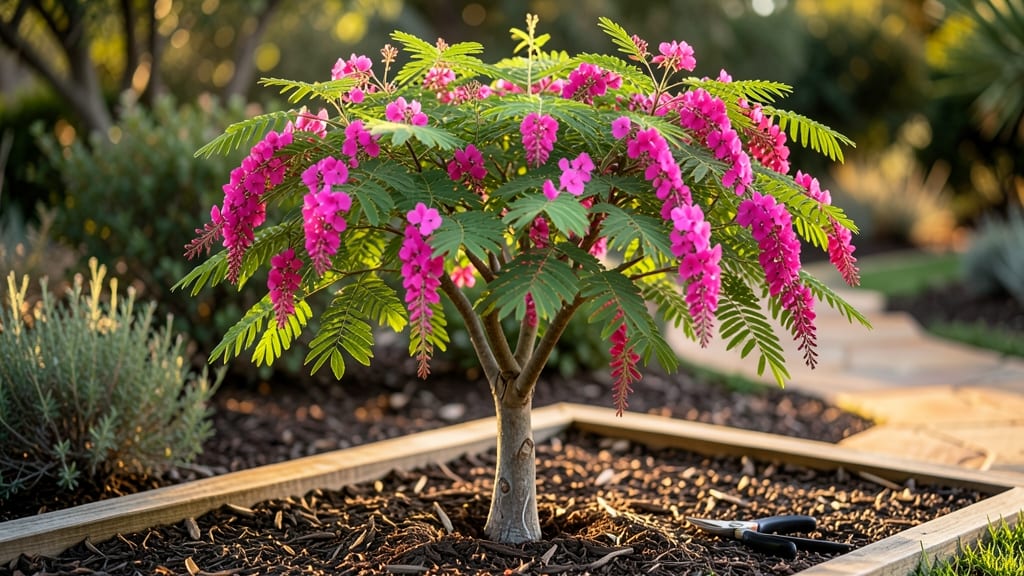
When your Cassia bakeriana "pink shower tree" explodes with pink floral fountains every few months, you’ll know you’ve mastered the pruning rhythm. This isn’t your average flowering tree—it rewards precise cuts with three blooming cycles per year if you time it right.
The key? Pruning after each flush of flowers, never during bloom, and always with sharp shears to avoid ragged growth.
Here’s the secret most gardeners miss: this tree blooms on new wood, so aggressive pruning actually encourages more flowers. Start by removing dead or crossing branches first—those are easy wins that improve airflow.
Then, cut back one-third of the oldest stems to the ground to stimulate fresh growth. The result? A bushier shape and longer-lasting blooms that start appearing as early as late winter in warm climates.
What you’ll end up with is a tree that looks like a pink waterfall when in full bloom, with flowers that last weeks longer than most ornamentals.
The foliage stays glossy and green year-round, and the tree’s natural shape makes it perfect for small yards or as a privacy screen with color. Just remember: patience pays off—it takes two years of consistent pruning to see the full floral potential.
This method works equally well in USDA zones 9-11, though in cooler areas, you’ll need to prune later in spring to avoid frost damage. For container growers, use well-draining potting mix and prune more aggressively to control size.
The tree’s drought tolerance means you won’t need to water more than usual—just keep the soil slightly moist during the first year after planting.
📚 In This Guide
- What you need
- Instructions
- Tips and common mistakes
- Wrapping up and next steps
What you need
- ● Pruning shears – Sharp, bypass-style shears (for clean cuts on smaller branches). Specs: 6–8" blade length, stainless steel.
- ● Loppers – For thicker branches (½"–1" diameter). Specs: Bypass blades, 18–24" reach.
- ● Hand pruners – For precision trimming of tiny stems. Specs: Anvil or bypass, ergonomic grip.
- ● Disinfectant (70% isopropyl alcohol or bleach solution) – 1 part bleach to 9 parts water (sterilize tools between cuts).
- ● Gloves – Heavy-duty gardening gloves (protect from thorns and sap).
- ● Rake or leaf blower – To clear debris post-pruning.
- ○ Pruning sealant (optional but helpful) – For large cuts (½" or wider) to prevent disease.
- ● Timing – Prune in late winter/early spring (before new growth) or right after flowering (summer). Avoid heavy pruning in fall.
- ● Weather – Choose a dry, overcast day to minimize stress on the tree.
- ● Safety first! – Wear long sleeves/pants—this tree has spiky seed pods and sharp branches.
- ● Tree health check – Inspect for pests/diseases (e.g., aphids, fungal spots) before pruning.
- ● Extension pole with pruners (for high branches).
- ● Sharpie marker (to label cuts if doing staged pruning).
- ● Compost bin (to recycle pruned branches as mulch).
- ● Hose with nozzle (for rinsing tools and refreshing the tree post-prune).
Step-by-step pruning guide for your Cassia bakeriana pink shower tree
Here's how to keep your tree blooming abundantly while maintaining its iconic cascading form.
Understand the Right Time to Prune
Prune your Cassia Bakeriana after its spring flowering period, typically between late April and early June. This timing ensures you don't remove next year's flower buds, which form on old wood. The tree's natural growth cycle makes this window critical—waiting too long risks leggy growth and fewer blooms.
Look for fresh seed pods forming after flowering as your cue to begin pruning. These indicate the tree has finished its primary blooming cycle. Avoid pruning during winter dormancy or in late summer, as both times stress the tree and reduce flowering potential.
Prepare Your Tools and Workspace
Use sharp, sterilized pruning shears for clean cuts and a small pruning saw for any thicker branches. Clean your tools with rubbing alcohol between cuts to prevent disease transmission. I always wear gloves when working with Cassia Bakeriana—the leaves can be slightly irritating to sensitive skin.
Work on a dry day when temperatures are between 60-80°F. The tree's sap flows more slowly in these conditions, reducing stress. Clear the area beneath your tree of debris and have a bucket ready to collect fallen branches and trimmings.
Remove Dead, Diseased, or Weak Growth
Start by identifying and removing any dead, diseased, or crossing branches. Cut back to the nearest healthy bud or branch collar, making cuts at a 45-degree angle just above the bud. This encourages new growth from the correct location. Look for branches that are brown inside when cut or have visible signs of fungal growth—these need immediate removal.
Thin out crowded areas to improve air circulation, which prevents fungal diseases. Aim to maintain an open, vase-like shape that showcases the tree's natural form. Remove no more than 25% of the tree's foliage in one session to avoid shocking the plant.
Shape the Tree for Optimal Flowering
Focus on maintaining the tree's signature umbrella shape by selectively pruning longer branches. Cut back the longest stems by about one-third to encourage bushier growth. Make your cuts just above a leaf node where new growth will emerge. This technique stimulates denser foliage and more flowering sites.
Pay special attention to the outer edges of the tree. Prune to create a gradual taper from top to bottom, which helps the tree support its own weight during heavy flowering. Avoid heavy pruning at the center—this can create a bare spot that never fills in properly.
Post-Pruning Care for Healthy Regrowth
Apply a balanced, slow-release fertilizer after pruning to support new growth. Water deeply at the base of the tree to help it recover from the stress of pruning. The soil should be moist but not waterlogged—Cassia Bakeriana prefers well-draining conditions.
Monitor the tree over the next few weeks for new growth emerging from the pruned areas. If you notice any yellowing leaves or wilting, reduce watering slightly and ensure the tree receives bright, indirect light. This care routine helps your Pink Shower Tree maintain its vibrant health and abundant flowering.
Tips & tricks for perfect Cassia bakeriana pink shower tree pruning
Real talk: Pruning this stunning tree isn't just about cutting branches—it's about preserving its legendary floral displays while keeping it structurally sound. Here's what nobody tells you about getting it right the first time.
Timing Secret: The late April to early June window is non-negotiable for spring pruning because that's when flower buds for next year are already forming on old wood. I learned this the hard way after accidentally pruning too late and getting sparse blooms the following spring. Watch for those fresh seed pods—they're your green light to start pruning.
Cutting Technique: Always make your cuts at a 45-degree angle just above a healthy bud, never leaving stubs. This angled cut prevents water from pooling at the wound site, which could lead to fungal infections. For thicker branches, use your pruning saw to make clean cuts without tearing the bark—rough cuts invite pests and disease.
Stress Management: Never remove more than 25% of the foliage in one session, no matter how tempting it is to give your tree a dramatic makeover. The tree's natural defense mechanism is to drop leaves when stressed, which can lead to a weak recovery. Think of it like a haircut—you wouldn't shave your head in one session, would you?
Post-Pruning Recovery: After you've finished pruning, give your tree a deep watering at the base to help it recover. The soil should be moist but not soggy—Cassia Bakeriana hates waterlogged roots. I've found that applying a balanced, slow-release fertilizer right after pruning gives the tree the nutrients it needs to bounce back quickly and put energy into new growth rather than recovery.
Pro Tips for Cassia Bakeriana Pink Shower Tree
- Real talk: Pruning this stunning tree isn't just about cutting branches—it's about preserving its legendary floral displays while keeping it structurally sound.
- Timing Secret: The late April to early June window is non-negotiable for spring pruning because that's when flower buds for next year are already forming on old wood.
- Cutting Technique: Always make your cuts at a 45-degree angle just above a healthy bud, never leaving stubs.
Frequently asked questions
about pruning your Cassia bakeriana (Pink Shower Tree) to keep it blooming beautifully year-round.When is the best time to prune my Pink Shower Tree?
Prune your Cassia bakeriana right after it finishes blooming in late spring or early summer. This encourages new growth and more flowers for the next season. Avoid heavy pruning in fall or winter, as the tree needs time to harden off before cold weather. Light shaping can be done anytime, but major cuts should wait until the blooming cycle is complete. Pro tip: If you prune too late, you might miss the next year’s floral display!
How much can I prune without harming the tree?
You can safely remove up to one-third of the tree’s foliage in a single pruning session without causing stress. Focus on thinning out crowded branches, removing dead or crossing limbs, and shaping the canopy for airflow. Avoid over-pruning—this tree thrives on regular, moderate cuts rather than drastic reductions. Watch for: excessive leaf drop or sparse blooms, which may signal over-pruning.
Why isn’t my Pink Shower Tree blooming after pruning?
If your tree isn’t flowering, check these common issues:
- Lack of sunlight: Ensure it gets 6+ hours of direct sun daily—partial shade reduces blooms.
- Over-fertilizing: Too much nitrogen promotes leafy growth over flowers. Use a low-nitrogen, high-phosphorus fertilizer in early spring.
- Improper timing: Pruning too late (after summer) can delay next year’s blooms.
- Age: Young trees (<3 years old) may not bloom heavily; be patient!
If the issue persists, inspect for pests (like scale or aphids) or fungal diseases, which can stress the tree.
Can I prune my Pink Shower Tree in winter?
Light pruning (removing dead branches or shaping) is fine in mild winters, but avoid heavy cuts during cold snaps. Winter pruning can stimulate new growth too early, making the tree vulnerable to frost damage. If you must prune in winter, do so on dry, above-freezing days and seal larger cuts with pruning sealant to prevent disease.
What’s a good alternative if my Pink Shower Tree struggles in my climate?
If your Cassia bakeriana struggles with cold winters (<10°F/-12°C) or heat, consider these low-maintenance, flowering alternatives:
| Plant | USDA Zone | Bloom Time | Care Level |
|---|---|---|---|
| Lagerstroemia indica (Crapemyrtle) | 6–9 | Summer–fall | Moderate (drought-tolerant) |
| Tabebuia impetiginosa (Pink Trumpet Tree) | 9–11 | Spring | Low (fast-growing) |
| Cassia fistula (Golden Shower Tree) | 10–11 | Spring–summer | Moderate (needs warmth) |
Tip: If you love the Cassia genus but live in a cooler climate, try Senna bicapsularis (Christmas Senna), which blooms in winter and tolerates light frosts!
Wrapping up and next steps
The Cassia bakeriana Pink Shower Tree is a stunning, low-maintenance plant that rewards patience with breathtaking blooms year-round. With the right pruning techniques—like timing, tools, and shaping—you’ll encourage vibrant flowers and a lush canopy. Your effort will transform your garden into a floral paradise!
Ready to take the next step? Start by scheduling your first pruning session this spring and observe how your tree responds. Happy pruning! 🌸✂️