
Pruning
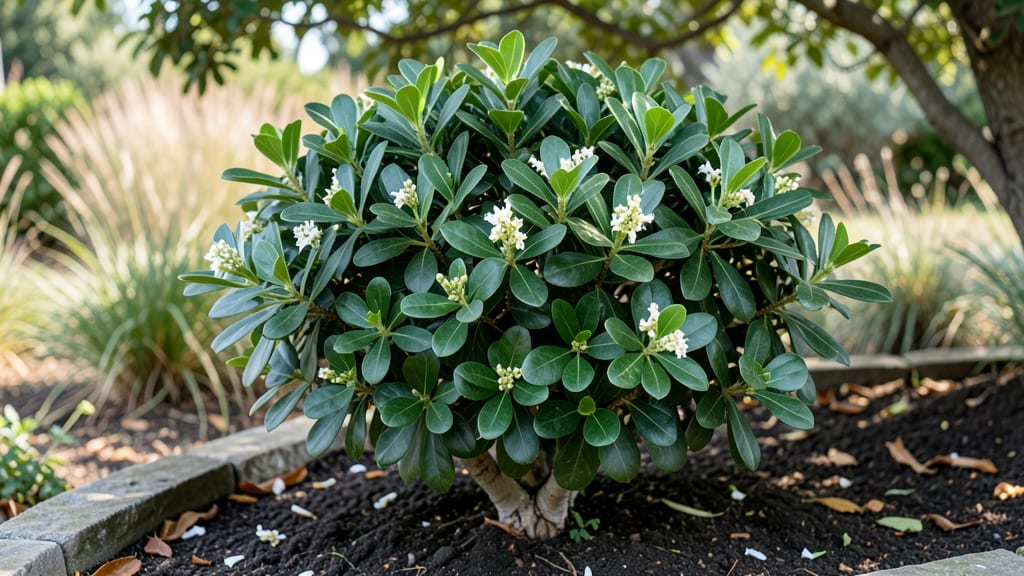
Pruning California privet trees transforms them from scraggly shrubs into lush, dense hedges that neighbors envy. 🌿 I learned the hard way—skipping regular trims meant my once-neat privet turned into a wild, leggy mess by summer.
The secret? Pruning at the right times with the right cuts, which I’ll break down into a simple seasonal schedule.
This evergreen thrives in California’s mild winters and dry summers, but it needs your help to stay shaped. You’ll need basic tools—a pair of sharp pruners, gloves, and maybe a ladder for taller varieties.
The key is cutting just above a leaf node (that little bump where leaves grow) to encourage new branches. Over time, this creates that thick, bushy look privets are famous for.
By following this guide, you’ll end up with a privet that’s neater, healthier, and fuller than ever. The first year might take a little work, but after that, maintenance prunes keep it looking polished with minimal effort.
Plus, you’ll save money—no need for expensive hedges when your privet does the job naturally.
Works for both formal hedges and informal shrubs, and adapts well to coastal or inland California climates. Let’s get those shears ready—your privet’s makeover starts now.
📚 In This Guide
- What you need
- Instructions
- Tips and common mistakes
- Wrapping up and next steps
What you need
- ● Pruning shears: Bypass pruners (for small branches, ¼”–¾” thick)
- ● Loppers: 1 pair (for medium branches, ¾”–2” thick)
- ● Pruning saw: 1 (for thick branches, 2”+ thick)
- ● Gloves: Heavy-duty, cut-resistant (e.g., mechanics’ gloves)
- ● Safety glasses: 1 pair (to protect from debris)
- ● Ladder: Extendable or sturdy step ladder (if tree exceeds 6–8 ft)
- ● Disposable pruning bags: 2–3 (for collecting debris)
- ● Rubbing alcohol (70%+) or bleach solution: 1 small bottle (to sterilize tools)
- ○ Tree wound dressing (optional): 1 small tube (e.g., Tanglefoot Tree Wound Pruning Sealer)
- ● Weather check: Prune on a dry, cloudy day (avoid midday heat or wind)
- ● Tree health assessment: Inspect for diseased or dead branches (remove first!)
- ● Clear workspace: Remove lawn furniture, hoses, or pets from a 10-ft radius
- ● Water source: Hose or bucket (to clean tools post-pruning)
- ● First-aid kit: Basic kit (for minor cuts or scrapes)
- ● 💡 Sharpen tools first! Dull blades tear bark—ruining the tree’s health.
- ● 🎯 Sterilize tools between cuts if pruning multiple trees to prevent disease spread.
- ● 🌡️ Work in layers: Start with dead/diseased wood, then shape, and finish with fine-tuning.
Step-by-Step guide for pruning California privet trees
Here’s how I keep my California privet looking full and healthy—without over-trimming.
✂️ Step 1: Prune Late Winter or Early Spring for New Growth
Wait until just after the last frost when new buds begin to swell—usually February to March in most California climates. This timing ensures you’re cutting back before vigorous spring growth starts. I always check for tight, plump buds along the branches as my signal that it’s time.
Start by removing any dead, diseased, or crossing branches first. These are easy to spot—they’re brown, brittle, or growing inward. Use clean, sharp pruners to make 45-degree cuts just above a leaf node or outward-facing bud. This encourages new growth in the right direction.
For shaping, I focus on the outer third of the tree first. California privets respond well to light pruning, so I never remove more than 25% of the foliage in one session. You’ll see fresh green shoots emerging within 2-3 weeks—that’s your confirmation the tree is happy with the cuts.
✂️ Step 2: Light Summer Pruning to Encourage Density
Mid-summer, around June or July, is the time for a quick maintenance trim. This isn’t about heavy shaping—just a light touch to keep the tree looking neat. I look for branches that are growing too long or leggy and cut them back to a leaf node where the branch naturally splits or turns outward.
Here’s the thing—California privets grow fast, and if you skip summer pruning, you’ll end up with a lot of thick, woody growth that’s harder to manage later. I make small cuts—never more than 12 inches from the tip of a branch—so the tree doesn’t get stressed. You’ll notice new side shoots forming within 4-6 weeks if you’ve pruned at the right nodes.
If you see any yellowing leaves or branches with fewer leaves than usual, those are candidates for removal. They’re often signs of stress or disease, and cutting them out early prevents the problem from spreading.
✂️ Step 3: Minimal Fall Pruning to Prepare for Winter
Fall pruning is optional but helpful for cleanup. If you notice any dead or dying branches after summer growth slows down, remove them now. The goal here is to tidy up, not to encourage new growth—so avoid heavy pruning after mid-October. You want the tree to harden off before winter.
I also check for any suckers—those are the small, weak shoots growing at the base of the tree. These compete with the main structure for nutrients, so I snip them off at the base. California privets don’t need much fall pruning, but this light touch keeps the tree looking sharp and reduces pests hiding in dense, untrimmed areas.
If you’re in a colder microclimate, hold off on any major cuts until spring. The tree’s energy is focused on survival, and pruning now can leave it vulnerable to frost damage.
✂️ Step 4: Avoid Winter Pruning—Wait for Bud Break
This is a common mistake, but never prune in winter when the tree is dormant. Winter cuts expose fresh wood to cold snaps, and the tree won’t have the energy to heal until spring. Instead, I mark any branches I want to address in late winter and wait until just before bud break to make those cuts.
If you’ve missed the window and winter’s already here, don’t panic—just wait. The tree will still grow, but you’ll lose some of the bushier shape you could’ve achieved with timely pruning. I’ve learned the hard way that patience pays off with California privets.
Once buds start to swell in late winter, you’re back on track. That’s your cue to grab your pruners and get to work—you’ll see the difference in fuller growth by mid-summer.
Tips & tricks for pruning California privet trees
These simple strategies will help you avoid common mistakes and get the bushiest, healthiest privet possible.
Timing is Everything: The February-March window for Step 1 isn't just about avoiding frost—it's about catching the tree when it's ready to grow. I've seen privets struggle when pruned too early; wait until you see those tight, plump buds along the branches. This is when the tree's energy is focused on new growth, not recovery. The 2-3 week window for new shoots to appear after pruning is your confirmation you timed it right.
Tool Prep Matters: Never skip sterilizing your pruners between cuts in Step 1. I use a 1:10 bleach-water solution (1 part bleach to 9 parts water) to wipe them down after each diseased branch. Clean tools prevent spreading fungal spores that can weaken your tree. Also, make sure your pruners are sharp—dull blades crush stems instead of making clean cuts, which stresses the tree.
Shape Strategically: When focusing on the outer third in Step 1, think of creating an inverted cone shape. This allows sunlight to reach all parts of the tree and encourages dense growth from the center outward. I avoid cutting into the center because privets naturally grow bushier when they have room to expand outward first. The 25% foliage limit prevents over-stressing the tree.
Summer Pruning Secrets: Those 4-6 week side shoots in Step 2 are your reward for precise cuts. I look for branches that grow at a 45-degree angle or less from the main stem—these are the ones that create that lush, rounded shape. If you see yellowing leaves, don't just cut the whole branch—remove individual leaves first to see if the branch recovers before making the cut.
Pro Tips for California Privet Tree
- These simple strategies will help you avoid common mistakes and get the bushiest, healthiest privet possible.
- Timing is Everything: The February-March window for Step 1 isn't just about avoiding frost—it's about catching the tree when it's ready to grow.
- Tool Prep Matters: Never skip sterilizing your pruners between cuts in Step 1.
Frequently asked questions
Got questions about pruning your California privet tree? You’re not alone! Here are answers to the most common concerns—from timing to troubleshooting—to keep your tree thriving.
When is the best time to prune a California privet tree?
The ideal time is late winter or early spring (just before new growth begins). This encourages bushier, healthier foliage. Avoid heavy pruning in fall—it can stimulate tender new growth that won’t survive winter. Light maintenance (removing dead branches) is okay year-round.
How often should I prune my California privet?
Prune once a year for shape and health, but light trimming (removing dead or crossing branches) can happen anytime. Over-pruning weakens the tree, so aim for no more than 25% of the canopy at a time. Regular upkeep keeps it dense and pest-resistant.
Can I prune a California privet too much?
Yes! Over-pruning—especially cutting back more than 1/3 of the foliage—stresses the tree, making it vulnerable to disease or pests. Signs of over-pruning include sparse leaves, stunted growth, or bare branches. If this happens, skip a season of heavy cuts to recover.
What’s the best way to shape a California privet for a hedge?
Use hand pruners or hedge shears for clean cuts, shaping the top and sides evenly. Prune just after flowering (spring) to maintain density. For a formal look, trim every 4–6 weeks during the growing season, but avoid cutting into old wood—new growth is easier to shape.
Why are my privet branches dying after pruning?
Dead branches often signal over-pruning, disease, or pests. Check for:
- Fungal issues (black spots, powdery mildew)—prune infected areas and apply fungicide.
- Borers or scale insects—treat with horticultural oil if you spot holes or sticky residue.
- Root stress—water deeply after pruning and mulch to retain moisture.
Wrapping up and next steps
The California privet tree thrives with the right seasonal pruning—whether you’re shaping it for privacy, controlling its size, or encouraging lush growth. By following a structured approach (spring for shaping, summer for maintenance, and winter for cleanup), you’ll keep your tree healthy, vibrant, and well-behaved. 🌿
Ready to give your privet tree the TLC it deserves? Grab your tools, pick your season, and get pruning—your future bushier, more vibrant tree will thank you! For extra confidence, watch a quick tutorial or consult a local arborist before diving in.