Lawn
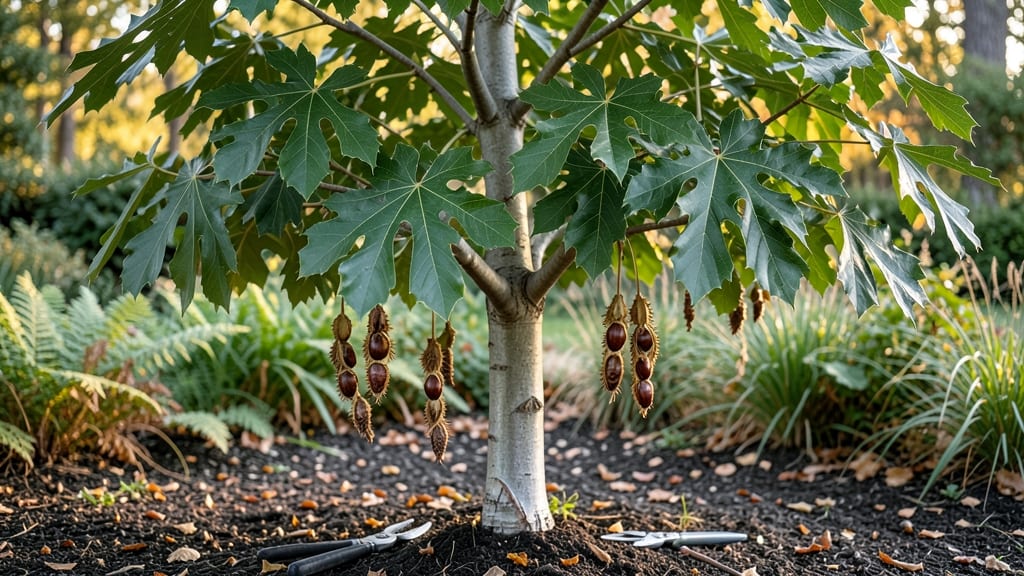
Growing a buckeye tree from seed means starting with nature’s own time capsule—those glossy, poisonous nuts hiding a future giant. 🌱 I’ve cracked the code on getting them to sprout after years of watching them sit stubbornly dormant, and the secret lies in mimicking winter’s slow thaw.
The process isn’t fast, but the payoff—a towering shade tree with striking yellow blooms—makes every waiting week worth it.
You’ll need just three things to begin: fresh buckeye seeds (the fresher, the better), a plastic bag with a damp paper towel, and patience—lots of it. Stratification, or that cold-mimicking trick, takes 4-6 weeks in the fridge before you even see a sprout.
Once they wake up, they’ll need bright light and consistent moisture, but no soggy soil. The real challenge? Not all seeds will cooperate, so plant a few extra.
By the time you’re transplanting those first seedlings into pots, you’ll recognize the unmistakable buckeye leaves—palmately divided and slightly fuzzy. With the right care, they’ll grow 2-3 inches per year, reaching maturity in 10-20 years.
Imagine the shade they’ll provide by then, or the way kids will chase those heavy seeds when they drop.
This method works best in zones 4-9, but even if you’re outside that range, the seeds are worth a try—they’ll germinate if you give them the right conditions.
The hardest part? Resisting the urge to rush them. Let nature set the pace, and you’ll end up with a tree that feels like a legacy.
📚 In This Guide
- What you need
- Instructions
- Tips and common mistakes
- Wrapping up and next steps
What you need
- ● Buckeye seeds: 3–5 fresh, plump seeds (harvested from a healthy buckeye tree). Pro tip: 💡 Store seeds in a cool, dry place if not planting immediately.
- ● Potting mix: 1–2 bags of high-quality, well-draining seed-starting mix (avoid garden soil—it’s too dense!).
- ● Small pots or seed trays: 3–5 biodegradable pots (3–4 inches deep) or a seed tray with individual cells.
- ● Plastic wrap or humidity dome: 1 sheet (to retain moisture during germination).
- ● Spray bottle: 1 (for gentle watering).
- ● Scissors or pruners: Small pair for carefully removing seeds from shells.
- ● Measuring cup or scale: To ensure proper watering (keep soil moist but not soggy).
- ○ Grow lights or sunny windowsill: A grow light (optional but ideal) or a south-facing window with 6+ hours of sunlight daily.
- ○ Fertilizer (optional): A balanced, water-soluble fertilizer (5-5-5 or 10-10-10) for young seedlings.
- ● Garden gloves: 1 pair (to protect hands from the mildly toxic seed shells).
- ● A patient mindset—buckeye seeds can take 30–90 days to germinate!
- ● Access to warmth (70–80°F) for germination (a heat mat helps if needed).
- ● Outdoor space for transplanting once seedlings are 6–12 inches tall.
- ● Seed germination station (for controlled conditions).
- ● pH test kit (ideal soil pH: 6.0–7.0).
- ● Mulch (for outdoor planting later).
Step-by-step instructions for germinating buckeye tree seeds
Here’s how to coax those stubborn buckeye seeds into life—no shortcuts, just patience and the right technique.
🌱 Step 1: Extract and Stratify the Seeds
Start by carefully cracking open the hard outer shell of the buckeye seed. I use a hammer and a small chisel to tap gently—you want to expose the inner nut without damaging the seed inside. Once exposed, place each seed between two damp paper towels in a sealed plastic bag. This creates a humid environment that mimics winter’s natural stratification process.
Store the bag in your refrigerator for 8-12 weeks. Check the towels every 2-3 weeks to ensure they stay moist but not soggy. You’ll know stratification is working when the seed begins to soften slightly—this breaks dormancy and prepares it for germination. Real talk: Skipping this step means waiting months, if ever, for sprouts to appear.
⏰ Step 2: Plant Stratified Seeds in Moisture-Retentive Medium
After stratification, fill a small pot or seed tray with sterile potting mix (not garden soil—it’s too dense). Moisten it thoroughly until water runs out the drainage holes, then let it drain completely. Plant each seed ½ inch deep in the soil, spacing them 3-4 inches apart to allow room for growth. I like to use a pencil to make small holes—it keeps the seeds at the right depth without disturbing the soil too much.
Cover the pot with plastic wrap or a humidity dome to trap warmth and moisture. Place it in a warm spot (70-75°F) where it won’t be disturbed. Germination can take 4-12 weeks, so patience is key. You’ll see the first sign of life when a tiny white root pushes through the soil, followed by a shoot breaking the surface. Don’t rush this—buckeyes aren’t in a hurry.
☀️ Step 3: Transplant and Provide Care for Young Saplings
Once seedlings reach 3-4 inches tall and have 2-3 sets of true leaves, it’s time to transplant them into individual 4-inch pots. Use the same potting mix and handle the seedlings gently by their leaves, not the stems. Plant them at the same depth they were growing before—burying too deep can cause rot, while planting too shallow stunts growth.
Place the pots in bright, indirect light for the first week to help them adjust. After that, gradually introduce them to morning sun for 2-3 hours daily, increasing exposure over 2-3 weeks. Water when the top inch of soil feels dry, but avoid soggy conditions—buckeye seedlings hate wet feet. You’ll know they’re thriving when new leaves appear regularly and the stems stay sturdy.
Tips & tricks for perfect buckeye tree seed germination
Common pitfalls—and how to sidestep every one—when growing buckeye seeds from stubborn shells to sturdy saplings.
Shell Extraction: Use a hammer and chisel to gently tap the seed—don't smash it! The goal is to expose the inner nut without cracking it. I learned this the hard way after ruining three seeds trying to force them open. Place the exposed seed between two damp paper towels immediately after extraction to prevent drying.
Stratification Check: During the 8-12 week refrigeration period, check your seeds every 2-3 weeks. The towels should stay moist but not dripping wet—think of a wrung-out sponge. If you notice mold or foul smells, discard those seeds and refresh the towels. The slight softening you're waiting for should happen around weeks 6-8, signaling dormancy is breaking.
Planting Depth: That ½-inch planting depth is critical—any deeper and you risk rot, any shallower and the seed won't anchor properly. Use a pencil to make precise holes in the sterile potting mix. Press the seed gently into place rather than dropping it in, which could disturb the surrounding soil structure.
Light Transition: When moving seedlings from bright indirect light to morning sun, do it gradually over 2-3 weeks. I start with just 30 minutes of morning sun on week one, then add 30 minutes each subsequent week. This prevents sunburn on delicate young leaves. Watch for yellowing or wilting as signs you're moving too quickly.
Pro Tips for Buckeye Tree Seed
- Common pitfalls—and how to sidestep every one—when growing buckeye seeds from stubborn shells to sturdy saplings.
- Shell Extraction: Use a hammer and chisel to gently tap the seed—don't smash it!
- Stratification Check: During the 8-12 week refrigeration period, check your seeds every 2-3 weeks.
Frequently asked questions
Got questions about buckeye tree seeds?
You’re not alone! Whether you’re curious about germination, safety, or growing tips, we’ve got answers. Here are the most common queries—and how to tackle them like a pro.
How long does it take for buckeye seeds to germinate?
Buckeye seeds can take anywhere from 30 to 90 days to germinate, depending on soil temperature and moisture. Cold stratification (chilling seeds for 60–90 days) often speeds up the process. Patience is key—don’t give up if sprouts don’t appear right away!
Are buckeye seeds poisonous to humans or pets?
Yes!
All parts of the buckeye tree—especially the seeds—contain toxic compounds that can cause nausea, vomiting, or even paralysis if ingested. Keep seeds away from kids and pets, and wear gloves when handling them. When in doubt, supervise or avoid direct contact.
Can I grow a buckeye tree from a seed I found in my yard?
If you’ve spotted a buckeye seed (the glossy, nut-like pod), you can grow it—just follow the cold stratification method. Scrub the seed clean, soak it overnight, then plant it in well-draining soil. Bonus: Wild-grown trees often thrive with minimal fuss!
What’s the best time of year to plant buckeye seeds?
For fastest results, plant seeds in late fall or early winter (October–December) to mimic natural cold stratification. If planting in spring, pre-chill seeds for 2–3 months in a damp paper towel in the fridge. Avoid planting during extreme heat—seeds need consistent moisture to sprout.
What if my buckeye seed won’t sprout? Troubleshooting tips
- Check moisture: Soil should stay evenly damp (not soggy). Use a spray bottle if needed.
- Verify depth: Plant seeds 1–2 inches deep—too shallow, and they’ll dry out.
- Test viability: Soak a seed in water for 24 hours. If it floats, it’s likely dead.
- Patience pays: Some seeds need up to 6 months to break dormancy.
Pro tip: If all else fails, try a second stratification cycle—sometimes seeds need extra time!
Wrapping up and next steps
Growing a buckeye tree from seed is a rewarding journey that connects you to nature’s patience and beauty. 🌱 Whether you’re drawn to the challenge of nurturing a sapling or simply love the iconic seed’s charm, each stage—from shell to sprout—teaches resilience.
Now that you’re armed with the right tools and tips, why not plant a few seeds today? Start small, track your progress, and watch your little acorn transform into a majestic tree—one that could stand for decades to come!