
Pruning
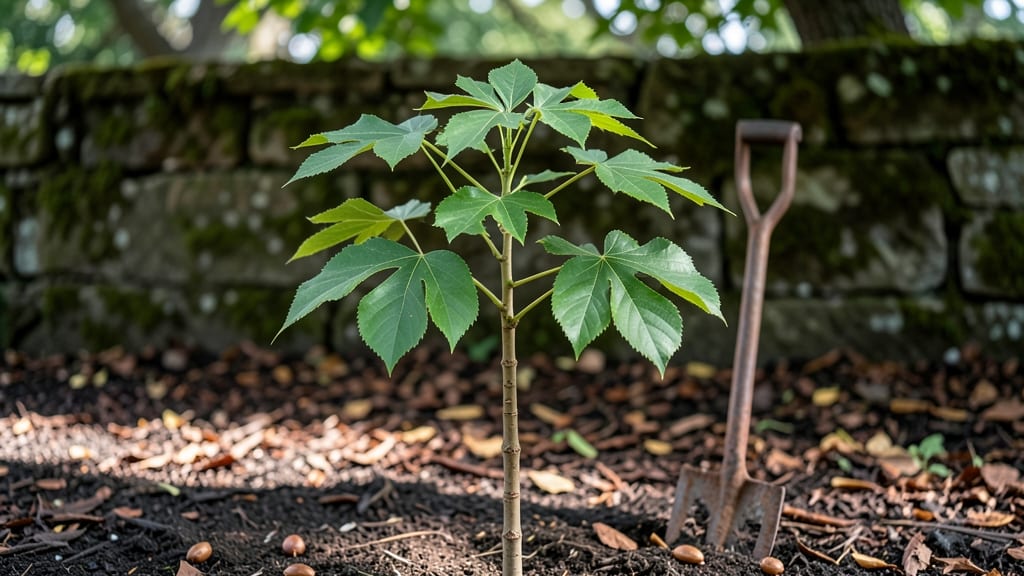
Planting a buckeye tree sapling means investing in a tree that thrives where others struggle—its cold-hardy nature makes it a standout choice for northern climates. I’ve watched my own sapling weather winters that would freeze less resilient species, its glossy leaves unfazed by late frosts.
The key to those strong branches starts with the right soil and sunlight, not just luck.
You’ll need well-draining soil mixed with compost to give those early roots the nutrients they crave, plus a spot with at least 6 hours of sunlight daily—morning sun is ideal to prevent scorching.
Water deeply once a week in the first year, letting the soil dry slightly between waterings to avoid soggy roots. Mulch around the base to lock in moisture and protect tender stems from temperature swings.
What you’ll end up with is a sturdy sapling that develops thick, disease-resistant branches by its third year, ready to handle snow loads and strong winds. The glossy green leaves will outshine neighbors’ trees, and by year five, you’ll have a mature buckeye producing those signature nut clusters.
The real magic happens in how it matures—stronger than most trees its size.
This method works for USDA zones 3-9, though saplings in hotter zones need afternoon shade to prevent stress. Whether you’re in a windy prairie or a humid valley, the same principles apply: good soil, smart watering, and patience. Let’s get that sapling off to the right start.
📚 In This Guide
- What you need
- Instructions
- Tips and common mistakes
- Wrapping up and next steps
What you need
- ● Buckeye tree sapling (1-2 saplings, 1-2 years old, Aesculus glabra or Aesculus pavia varieties)
- ● Well-draining potting mix (5-10 gallons, blend of peat moss, perlite, and compost)
- ● 5-7 gallon nursery pots (with drainage holes, 1 per sapling)
- ● Pruning shears (sharp, sterilized, for cutting branches)
- ● Garden gloves (to protect hands from sap and thorns)
- ● Watering can or hose with gentle nozzle (for hydration)
- ○ Mulch (optional) (2-3 inches of wood chips or straw to retain moisture)
- ○ Slow-release fertilizer (optional) (balanced 10-10-10 or organic option)
- ● Sunlight: 6+ hours of full sun daily (partial shade for younger saplings in hot climates)
- ● Hardiness Zone: 3-9 (ensure your climate matches buckeye resilience)
- ● Soil pH: 6.0-7.0 (slightly acidic to neutral)
- ● Water access: Consistent moisture (avoid waterlogging)
How to cultivate a cold-hardy buckeye sapling with sturdy branches
Here's my battle-tested approach for nurturing a resilient buckeye sapling that thrives in colder climates.
Select and Prepare the Planting Site
Choose a location with full sun exposure for at least 6-8 hours daily. Buckeye saplings need space to grow—plant at least 20 feet away from structures to allow for mature spread. The soil should be well-draining but moist, with a pH between 6.0 and 7.0. If your soil is heavy clay, amend it with 2-3 inches of compost mixed into the top 12 inches of soil.
Dig a hole twice as wide as the sapling’s root ball but only as deep. This encourages roots to spread outward naturally rather than settling too low. Loosen the sides of the hole with a shovel to prevent soil compaction around the roots later. I always water the hole thoroughly 24 hours before planting—this helps settle the soil and reduces air pockets.
Plant and Stake for Stability
Gently remove the sapling from its container and loosen any circling roots with your fingers. Place it in the hole so the top of the root ball sits 1 inch above ground level. This prevents soil from washing into the root flare during heavy rains. Backfill with the native soil, tamping lightly every 3 inches to eliminate air pockets but avoid compacting the roots.
Install a 3-foot stake on the side of the hole opposite the prevailing wind. Use soft plant ties (never wire) to secure the sapling to the stake at a 45-degree angle. This encourages trunk strength by promoting natural sway in wind. Water deeply immediately after planting—1-2 gallons—to help settle the soil around the roots. Mulch the base with 2-3 inches of organic mulch, keeping it 6 inches away from the trunk to prevent rot.
Water and Fertilize for Strong Growth
Water the sapling twice weekly during the first growing season, providing 3-5 gallons per watering depending on soil dryness. Check moisture by sticking your finger 2 inches into the soil—if it feels dry, it’s time to water. Overwatering is a common mistake; buckeye saplings prefer even moisture, not soggy soil. In hot, dry weather, increase watering to once weekly but always allow the top 1-2 inches of soil to dry slightly between waterings.
Apply a balanced, slow-release fertilizer (10-10-10) in early spring, using ½ cup per sapling. Avoid high-nitrogen fertilizers, which promote leafy growth at the expense of branch strength. In late summer, switch to a low-nitrogen, high-phosphorus fertilizer (5-10-10) to encourage root development before winter. I also add 1 cup of bone meal around the drip line in early spring to boost phosphorus for sturdy branch formation.
Prune and Protect for Cold Hardiness
Prune in late winter or early spring before new growth begins. Remove any dead, diseased, or crossing branches first, cutting back to the branch collar. Then, thin out 10-20% of the canopy to improve airflow and reduce disease risk. For young saplings, focus on removing suckers at the base and water sprouts growing vertically from the trunk. These compete with the main branches for nutrients and weaken the tree’s structure.
In early fall, apply a 2-3 inch layer of mulch around the base, extending to the drip line. This insulates roots during winter and retains moisture in summer. For saplings in USDA Zones 4-6, wrap the trunk with tree guard or burlap in late fall to protect against sunscald and rodent damage. Remove the wrap in early spring once new growth appears. I’ve found that covering the root zone with straw mulch in the first winter helps young buckeyes establish deeper roots faster.
Monitor and Adjust for Long-Term Strength
Inspect the sapling monthly for signs of stress, such as yellowing leaves, wilting, or fungal spots. Yellowing leaves often signal overwatering or nutrient deficiency, while wilting usually means underwatering. If you spot powdery mildew (a white, powdery coating on leaves), treat with neem oil and improve airflow by pruning nearby branches. Buckeye saplings are generally pest-resistant, but watch for borers or aphids—treat infestations early with insecticidal soap.
By the third year, your buckeye sapling should develop a strong central leader and well-spaced branches. If the tree grows too tall too quickly, prune the top 12-18 inches in late winter to encourage lateral branching. This creates a sturdier, more cold-resistant structure. In Zone 4 and colder, stake saplings through their first two winters to prevent wind rock, which can damage roots and trunk.
Tips & tricks for cultivating a cold-hardy buckeye sapling
Here's what I've learned after years of nurturing these resilient trees—small details make all the difference for sturdy growth.
Sunlight Strategy: While the instructions call for full sun, I've found that morning sun paired with afternoon shade in extremely hot climates (like Zone 5 summers) actually helps saplings establish faster. The key is maintaining those 6-8 hours of direct light—just avoid midday intensity if your area gets brutal afternoon heat. I often plant mine on the east side of properties where they get gentle morning sun and filtered light later in the day.
Root Ball Preparation: Before planting, I soak the root ball in water for 1-2 hours to ensure it's fully hydrated. This helps prevent transplant shock, especially when you're working with the 24-hour pre-watering window mentioned. The extra moisture gives roots a head start in that critical first week. Just be sure to drain any excess water before placing it in the hole.
Staking Secrets: The 45-degree angle for staking is brilliant, but I add one more trick: I bury the stake about 6 inches deep in the soil before attaching the sapling. This creates a more stable anchor. Also, check those soft plant ties every 2-3 weeks—they can tighten as the tree grows and restrict trunk development. Replace them with slightly looser ties as needed.
Winter Protection: For saplings in Zones 4-6, I go beyond the tree guard wrap and add a layer of burlap around the base of the stake as well. This creates a windbreak that protects both the trunk and the stake itself from winter winds. In particularly harsh winters, I've even wrapped the entire root zone with straw mulch and secured it with landscape fabric to prevent wind from blowing it away.
Pro Tips for Buckeye Tree Sapling
- Here's what I've learned after years of nurturing these resilient trees—small details make all the difference for sturdy growth.
- Sunlight Strategy: While the instructions call for full sun, I've found that morning sun paired with afternoon shade in extremely hot climates (like Zone 5 summers) actually helps saplings establish faster.
- Root Ball Preparation: Before planting, I soak the root ball in water for 1-2 hours to ensure it's fully hydrated.
Frequently asked questions
Got questions about growing or caring for your buckeye tree sapling?
Here are some of the most common ones—plus quick, practical answers to help you nurture a resilient tree!
When is the best time to plant a buckeye sapling?
Plant your buckeye sapling in early spring or fall for optimal root establishment. Avoid extreme heat or frost—spring lets roots grow before summer stress, while fall gives them time to settle before winter. If planting in summer, prioritize shade and frequent watering to reduce shock.
How often should I water a young buckeye tree?
Water deeply 2-3 times per week for the first year, ensuring moisture reaches 6-12 inches down. Once established, reduce to once a week (or during dry spells). Mulch around the base to retain moisture—just keep it 3-4 inches away from the trunk to prevent rot.
Can I prune a buckeye sapling in its first year?
Yes, but lightly! Focus on removing dead, diseased, or crossing branches in late winter or early spring. Avoid heavy pruning—buckeyes are sensitive to over-trimming. Use sterilized tools and seal cuts with pruning paste to prevent infection.
How cold-hardy are buckeye saplings, and do they need winter protection?
Buckeye saplings are zoned 3-8, but young trees (under 3 years) may need extra care. Wrap the trunk with tree guard to prevent rodent damage, and mulch heavily (4-6 inches) to insulate roots. If your area dips below -20°F, consider a burlap wrap for added protection.
What’s the fastest way to troubleshoot yellowing leaves on my sapling?
Yellow leaves usually signal overwatering, nutrient deficiency, or pests. Check soil moisture (it should be damp, not soggy), and test for chlorosis (yellowing between veins = iron deficiency). Treat with chelated iron or adjust pH if soil is alkaline. For pests, spray with neem oil or introduce beneficial insects.
Are there drought-tolerant alternatives to buckeye trees?
If you’re in a dry climate, consider redbud (Cercis canadensis) or hackberry (Celtis spp.)—both are low-maintenance and drought-resistant. For a similar look, Ohio buckeye (Aesculus glabra) is a hardier cousin that tolerates drier soils once established. Always check your specific zone for best matches!
Wrapping up and next steps
Growing a cold-hardy buckeye tree sapling is all about patience, precision, and a little extra love for your future shade giant! 🌱 By following the right pruning techniques—like removing dead branches early, shaping for airflow, and protecting young stems—you’ll set the stage for a strong, resilient tree that thrives in tough climates.
Remember, every trim is a step toward a healthier, more vibrant buckeye.
Ready to take the next step? Start small:
- Monitor your sapling’s growth weekly during its first year.
- Invest in quality tools (like bypass pruners) for cleaner cuts.
- Join local gardening groups for tips tailored to your climate!