
Blooming
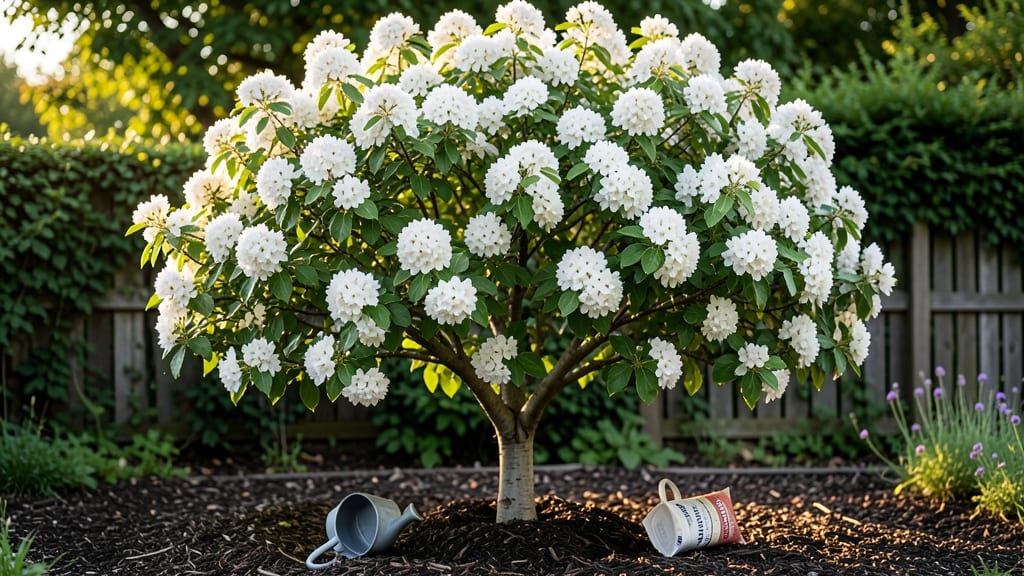
Nothing signals spring’s arrival like a Bradford pear tree bursting into a pink canopy that stops traffic and turns heads. 🌸 I still remember the first time I saw one—my neighbor’s tree exploded with blossoms so dense they looked like a watercolor painting come to life, and suddenly, every walk felt like a celebration.
The timing is everything: in most of the eastern U.S., these trees peak in late March to early April, though cooler zones might wait until May. That first flush of color transforms even the dullest winter yard into a showstopper.
The magic happens when you time it right—planting in full sun and well-drained soil sets the stage for bold, abundant blooms that last 7-10 days. I’ve learned the hard way that overwatering or late pruning can delay or weaken the show, but the payoff is worth it.
These trees aren’t just pretty; they’re pollinator magnets, drawing bees and butterflies the moment the petals unfurl. For maximum impact, pair them with early-blooming bulbs like daffodils or grape hyacinths—the contrast of purple and pink creates a springtime masterpiece.
What you’ll love most is how effortlessly they elevate any landscape. A single Bradford pear can turn a plain street corner into a pink-hued spectacle, and the way the blossoms cascade down the branches creates movement even on still days. The trade-off?
They’re not long-lived, but that only makes the annual bloom spectacle feel more precious. Once you’ve experienced that first burst of color, you’ll understand why so many homeowners plant them—it’s not just a tree, it’s a springtime promise delivered every year.
For cooler climates or late springs, a little strategic pruning in winter can encourage earlier blooming. And if you’re in a region where pests like fire blight are a concern, choosing disease-resistant varieties ensures your pink canopy stays flawless.
The secret’s in the timing, the placement, and letting nature do the rest—because once those blossoms appear, the hardest part is already over.
📚 In This Guide
- What you need
- Instructions
- Tips and common mistakes
- Wrapping up and next steps
What you need
- ● Bradford pear tree (Pyrus calleryana) – Choose a healthy, disease-resistant variety (e.g., 'Aristocrat' or 'Chanticleer').
- ● Well-draining soil – Mix equal parts topsoil, compost, and sand for optimal growth.
- ● Organic mulch – 2–3 inches of shredded bark or wood chips to retain moisture.
- ● Slow-release fertilizer – 10-10-10 NPK ratio (apply in early spring).
- ● Watering can or hose with a gentle spray nozzle – For deep, consistent hydration.
- ● Gloves (heavy-duty) – Protect your hands from thorns and rough bark.
- ● Pruning shears – Sharp, bypass-style shears for clean cuts (sterilize with rubbing alcohol).
- ● Loppers – For thicker branches (2–3 inch diameter).
- ○ Hand saw (optional) – For large branches (if pruning mature trees).
- ● Wheelbarrow or bucket – For hauling soil, mulch, or debris.
- ○ Tree support stakes (optional) – If planting a young sapling (2–3 stakes + ties).
- ● Sunlight – Full sun (6+ hours daily) for vibrant blossoms.
- ● Space – Mature trees need 30–40 feet of clearance (check local regulations for spacing laws).
- ● Patience – Bradford pears take 3–5 years to reach full bloom potential!
How to cultivate stunning Bradford pear tree blossoms
Here's how to coax that iconic pink canopy from your Bradford pear—seasoned wisdom for showstopping spring displays.
🌱 Step 1: Plant in the Right Location for Maximum Blooms
Bradford pears thrive in full sun—at least 6-8 hours daily—to fuel abundant blossoms. Choose a spot with well-draining soil and room to grow, since mature trees reach 30-40 feet tall with a 30-foot spread. I always dig a hole twice as wide as the root ball but only as deep as the container—burying the graft union too deep weakens the tree.
Test soil pH before planting—Bradford pears prefer slightly acidic to neutral (6.0-7.0). If your soil is heavy clay, amend with 2-3 inches of compost mixed into the bottom of the planting hole. This improves drainage and gives roots a nutrient boost right from the start. Water the hole thoroughly before placing the tree in.
☀️ Step 2: Provide Year-Round Care for Consistent Flowering
Water deeply once a week during the first growing season, keeping soil 2-3 inches moist but never soggy. Bradford pears are drought-tolerant once established, but young trees need consistent moisture to develop strong root systems. You'll know you're watering right when the topsoil feels damp to the touch but excess water drains away within 30 minutes.
Fertilize in early spring with a balanced 10-10-10 formula—about ½ cup per inch of trunk diameter. Avoid high-nitrogen fertilizers after mid-summer, as new growth won't harden off before winter. I also apply 2-3 inches of mulch around the base (keeping it 6 inches away from the trunk) to retain moisture and regulate soil temperature. Refresh the mulch annually in late winter.
✂️ Step 3: Prune Strategically to Encourage Blooms
Prune Bradford pears in late winter or early spring—just as buds begin to swell—before new growth starts. Remove dead, diseased, or crossing branches first, then thin the canopy to improve airflow. Never remove more than 25% of the tree's foliage in one season, or you'll stress the tree and reduce flowering. Look for suckers (shoots growing from the base) and prune them off immediately—they drain energy from the main tree.
For shape, focus on open-center pruning—cut branches back to an outward-facing bud to encourage an airy structure. Bradford pears naturally develop a rounded canopy, but aggressive pruning can lead to weak wood. If you see water sprouts (fast-growing vertical shoots), prune them back to a lateral branch. This redirection of energy leads to more abundant blossoms the following spring.
🌿 Step 4: Protect and Maintain for Long-Term Beauty
Watch for fire blight, a common bacterial disease that blackens blossoms and twigs. If you spot infected branches, prune them 6 inches below the damage and sterilize your pruners with rubbing alcohol. Bradford pears are also prone to borers—tiny insects that tunnel into wood. Apply beneficial nematodes in early spring to prevent infestations. Healthy trees with strong canopies resist pests better, so prioritize proper pruning and fertilization.
In late fall, apply a 2-3 inch layer of mulch to insulate roots from freezing temperatures. Bradford pears are hardy, but young trees benefit from winter protection. Avoid heavy pruning in fall, as it stimulates new growth that won't harden off before winter. Instead, focus on cleaning up debris around the base to prevent fungal diseases. With consistent care, your Bradford pear will reward you with spectacular pink blooms for decades.
Tips & tricks for cultivating Bradford pear tree blossoms
Real talk: Bradford pears don't bloom like clockwork—they demand a little extra attention. Here's how to give your tree the best chance at that showstopping pink canopy.
Sunlight Strategy: Those 6-8 hours of daily sun are non-negotiable for maximum blooms, but here's the thing—morning sun is more valuable than afternoon heat. Position your tree to catch east-facing sunlight first, which helps prevent afternoon wilting that can stress the tree. If your yard has afternoon shade, consider planting near a southern exposure wall that reflects sunlight back onto the tree.
Pruning Precision: When you're pruning in late winter/early spring, focus on creating an open vase shape rather than a dense canopy. I learned this the hard way after pruning too aggressively and watching my tree's flowering decline. Aim to remove branches that grow inward or cross each other—these compete for energy that could go toward blossoms. The goal is sunlight penetration all the way to the inner branches where flower buds form.
Soil Science: That 6.0-7.0 pH range isn't just a suggestion—Bradford pears are particularly sensitive to alkaline soils. If your soil tests higher than 7.0, amend with elemental sulfur (about 1 pound per 100 square feet) in fall to gradually lower the pH. I've seen trees planted in slightly alkaline soil produce half the expected blossoms—they just can't access nutrients properly. Also, that 2-3 inches of compost isn't just for drainage—it introduces beneficial mycorrhizal fungi that help roots absorb water and nutrients more efficiently.
Watering Wisdom: The 30-minute drainage test after watering is your best friend for preventing root rot. But here's what nobody tells you—Bradford pears actually prefer slightly drier conditions once established. After the first growing season, you can reduce watering to every 10-14 days during dry spells, checking that top 2-3 inches of soil stay dry between waterings. This encourages deeper root growth, which leads to stronger blooming potential.
Pro Tips for Bradford Pear Tree Blossoms
- Real talk: Bradford pears don't bloom like clockwork—they demand a little extra attention.
- Sunlight Strategy: Those 6-8 hours of daily sun are non-negotiable for maximum blooms, but here's the thing—morning sun is more valuable than afternoon heat.
- Pruning Precision: When you're pruning in late winter/early spring, focus on creating an open vase shape rather than a dense canopy.
Frequently asked questions
Got questions about those stunning Bradford pear tree blossoms? You're not alone! Here are some common queries—and their answers—to help you make the most of your springtime floral display.
When do Bradford pear trees bloom?
The timing varies slightly by climate, but Bradford pear trees typically burst into bloom in late March to early April. In colder regions, expect flowers to appear a bit later, while warmer zones may see blossoms as early as February. Pro tip: Watch for buds swelling in late winter—they’re your cue that spring is near!
How long do the blossoms last?
Bradford pear blooms are fleeting but magical! The flowers usually last about 7–10 days, though heavy rain or cold snaps can shorten their lifespan. For a longer display, plant multiple trees—some varieties bloom slightly earlier or later, extending your pink canopy’s glory.
Are Bradford pear trees messy? Do they drop a lot of debris?
Yes, they’re famous for it! After blooming, the flowers turn into small, fuzzy fruits that litter lawns and gutters. To minimize mess, mulch heavily around the base or install a tree well. Some gardeners also prune lightly after blooming to reduce future debris.
Can I plant a Bradford pear tree in my yard?
Bradford pears thrive in full sun to partial shade and are drought-tolerant once established. However, check local regulations—some areas discourage them due to their invasive tendencies when they spread via root suckers. Opt for cultivar hybrids (like ‘Aristocrat’) if you want the beauty without the wild spread.
Do Bradford pear blossoms attract bees and butterflies?
You bet! Their fragrant flowers are a magnet for pollinators, including bees, butterflies, and even hummingbirds. For extra buzz, plant companion flowers like dwarf lilacs or viburnum nearby to extend the pollinator party. Just be mindful if you have allergies—they’re also a top allergen!
Why aren’t my Bradford pear blossoms as vibrant as they should be?
Dim blossoms often signal stress. Check for:
- Poor sunlight: Ensure the tree gets at least 6 hours of sun daily.
- Overwatering/underwatering: Keep soil moist but not soggy.
- Nutrient deficiency: Apply a balanced fertilizer in early spring.
- Pests/disease: Inspect for aphids or fungal spots on leaves.
If issues persist, a soil test can pinpoint specific needs!
Wrapping up and next steps
The Bradford pear tree’s stunning pink blossoms transform any spring landscape into a dreamy, fragrant paradise—effortlessly adding charm and curb appeal. Whether you’re planting one for the first time or simply admiring their beauty, these trees are a must-have for gardeners and nature lovers alike. 🌸
Ready to bring this pink canopy magic to your yard? Start by researching local nurseries, checking your climate zone, or even sketching a simple planting plan. Every blossom begins with a single step—so why not make it yours today?