
Pruning
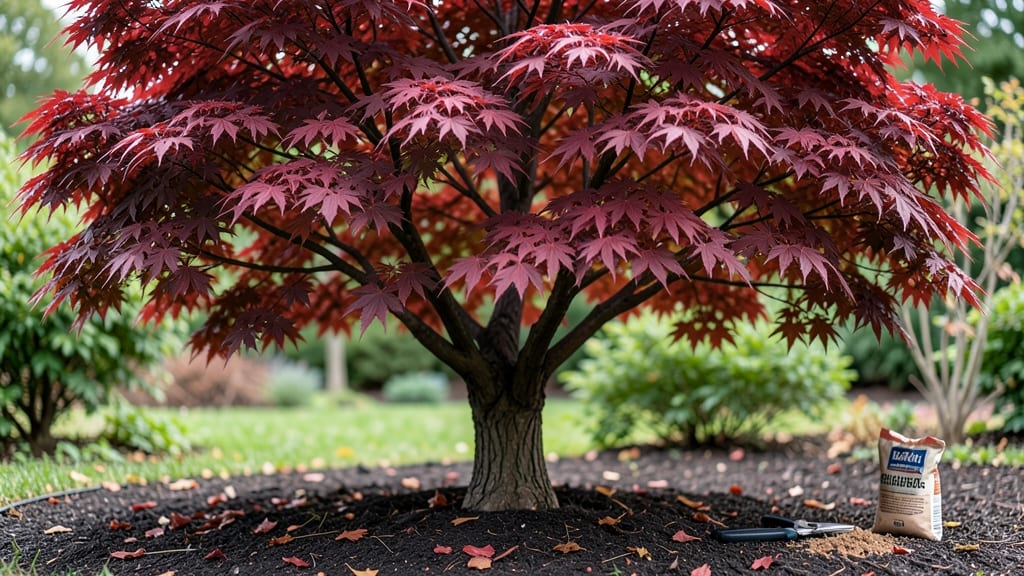
The Bloodgood red maple tree delivers the kind of reliable color and structure that makes neighbors stop and stare—deep red foliage that holds its vibrancy through fall, sturdy branches that support heavy snow, and a growth habit that’s both elegant and low-maintenance.
I planted mine five years ago after struggling with finicky maples that dropped leaves at the first sign of stress, and this one has never let me down. The secret lies in its disease resistance, which means fewer pesticides and more time enjoying the show.
This tree thrives in full sun to partial shade, making it perfect for yards with mixed light conditions. It’s not fussy about soil either—just avoid waterlogged spots, and you’ll get that bold, glossy foliage that turns heads in autumn.
Pruning is simple too: focus on removing dead branches in late winter, and you’ll maintain that perfect canopy shape without much effort. Even in urban areas with pollution, it keeps its leaves looking fresh.
By year three, you’ll notice how the tree’s roots spread steadily but predictably, creating a strong foundation that supports its dramatic height (up to 40 feet). The bark develops a striking texture over time, adding winter interest when the leaves fall.
Best of all, it attracts birds and butterflies year-round, turning your yard into a quiet wildlife haven. Here’s how to keep it thriving for decades.
Whether you’re replacing an old tree, adding curb appeal, or creating shade for a patio, the Bloodgood red maple delivers year-after-year reliability. It’s the kind of tree that grows with your landscape—just give it space, consistent water in dry spells, and a little seasonal attention.
Let’s get yours planted right from the start.
📚 In This Guide
- What you need
- Instructions
- Tips and common mistakes
- Wrapping up and next steps
What you need
- ● Sharp bypass pruners – Choose high-quality, bypass-style pruners (e.g., Felco or Fiskars) with 4-6 inch blades for clean cuts.
- ● Loppers – Bypass loppers with 18-24 inch handles for thicker branches (up to 2-inch diameter).
- ● Pruning saw – A curved-tooth pruning saw for branches 2+ inches thick (e.g., Bahco or Corona).
- ● Extension pole – A 6-12 foot pole with a pruner or saw attachment for high branches.
- ● Gloves – Leather or heavy-duty gardening gloves (size medium/large) to protect hands from thorns and sap.
- ● Disinfectant (70% isopropyl alcohol or bleach solution) – 1 part bleach to 10 parts water to sterilize tools between cuts.
- ○ Tree wound dressing (optional but recommended) – Pruning sealant (e.g., Tanglefoot Tree Wound Pruning Seal) for cuts larger than ½ inch.
- ● Safety gear – Safety glasses and sturdy shoes to protect against falling debris.
- ● Ladder or stump – Only if needed for ground-level access (ensure it’s stable and rated for your weight).
- ● Work gloves with grip – For better control on slippery branches.
- ● Tree bag or tarp – To collect and dispose of large branches neatly.
- ● Marking spray (paint) – Bright-colored spray paint to mark branches for removal (useful for large trees).
- ● First-aid kit – Just in case of minor scrapes or sap irritation.
- ● Notebook & pen – To sketch a pruning plan or track growth progress.
How to plant and care for a disease-resistant Bloodgood red Maple tree
Here's the straightforward method I rely on to ensure your Bloodgood Red Maple thrives from day one.
Choose the Perfect Planting Location
Bloodgood Red Maples need full sun to partial shade—at least 6 hours of direct sunlight daily—to develop their signature deep red foliage. I always pick a spot with well-draining soil and 6-8 feet of overhead clearance for mature growth. Avoid low-lying areas where water pools, as these trees hate soggy roots.
Dig a hole twice as wide as the root ball but no deeper. Loosen the sides of the hole with a shovel to encourage root spread. The tree’s top should sit 1-2 inches above ground level—this prevents water from pooling at the base and causing rot.
Plant with Proper Soil and Support
Backfill the hole with the native soil you removed, mixing in a handful of balanced, slow-release fertilizer (10-10-10 ratio) to give it a nutrient boost. Avoid amending with compost or peat moss—Bloodgood Maples prefer natural soil conditions. Tamp the soil gently around the roots to remove air pockets.
Water deeply right after planting to settle the soil and eliminate gaps. Mulch around the base with 2-3 inches of organic mulch, keeping it 6 inches away from the trunk to prevent moisture buildup. Stake the tree only if necessary—young Bloodgood Maples are sturdy but may need support in windy areas.
Water and Fertilize for Strong Early Growth
Water once a week for the first month, then taper to every 10-14 days once established—unless your area experiences drought. Bloodgood Maples are drought-tolerant but perform best with consistent moisture. Check soil 2 inches deep before watering; if it’s dry, it’s time.
Fertilize once in early spring with a slow-release granular fertilizer to encourage strong root and canopy growth. Avoid over-fertilizing—too much nitrogen leads to weak wood and fewer vibrant fall colors. Prune only to remove dead or crossing branches in late winter or early spring.
Protect and Maintain for Long-Term Health
Bloodgood Maples are disease-resistant, but watch for tar spot fungus—common in humid climates. If you see black spots on leaves, prune affected branches in late fall or winter and dispose of them properly. Avoid overhead watering to reduce fungal risks.
Inspect the tree annually for pests like aphids or scale. A strong jet of water usually removes them, but severe infestations may require neem oil or horticultural soap. With proper care, your Bloodgood Red Maple will develop a stunning canopy and vibrant fall colors for decades.
Tips & tricks for perfect Bloodgood red Maple growth
Real talk: These are the secrets I've learned after watching Bloodgood Red Maples transform from saplings into stunning canopies. The little details make all the difference between a tree that just survives and one that thrives.
Sunlight Strategy: That 6-hour minimum of sunlight is non-negotiable for those signature deep red leaves, but here's what nobody tells you—morning sun is more valuable than afternoon heat. Position your tree to catch the eastern sunlight first. In Step 1, if you're on the fence about a spot, test it first: place a white board where you plan to plant and check how many hours it gets direct sun. You'll be surprised how much difference those extra morning rays make during the critical summer months.
Root Ball Revelation: When you're loosening the sides of that planting hole in Step 1, don't just scratch the surface—go deep. Use your shovel to create vertical slices down to 12 inches around the hole. This creates channels for roots to spread into native soil immediately. I learned this the hard way after seeing roots circle instead of spread in my first planting. The wider those initial channels, the stronger your tree's foundation will be.
Mulching Mastery: That 2-3 inch layer of organic mulch in Step 2 isn't just decoration—it's insulation. Spread it wider than you think: create a donut shape extending 18 inches from the trunk, thinning to just 1 inch at the outer edge. This gradual slope prevents moisture from pooling while still protecting those vital roots. And here's the pro move: refresh that mulch every spring, but never pile it against the trunk—this prevents rot and gives your tree room to grow.
Watering Wisdom: The once-a-week schedule in Step 3 works, but timing matters more than you'd think. Water in the early morning whenever possible—this gives roots all day to absorb moisture before evaporation. If you must water in the evening, finish at least 3 hours before sunset to prevent fungal growth. And that 2-inch soil check? Use a screwdriver instead of your finger—it gives you a more accurate reading of moisture at root level.
Pro Tips for Bloodgood Red Maple Tree
- Real talk: These are the secrets I've learned after watching Bloodgood Red Maples transform from saplings into stunning canopies.
- Sunlight Strategy: That 6-hour minimum of sunlight is non-negotiable for those signature deep red leaves, but here's what nobody tells you—morning sun is more valuable than afternoon heat.
- Root Ball Revelation: When you're loosening the sides of that planting hole in Step 1, don't just scratch the surface—go deep.
Frequently asked questions
Got questions about your Bloodgood Red Maple? You’re not alone!
Whether you’re a new tree owner or a seasoned gardener, these answers will help you keep your stunning canopy thriving—without the stress.
How often should I prune a Bloodgood Red Maple to keep it healthy?
Prune your Bloodgood Red Maple in late winter or early spring (before buds break) to promote strong growth. Light maintenance (removing dead/diseased branches) can happen year-round, but avoid heavy pruning in fall—it stresses the tree and invites pests. Aim for 10-20% of the canopy max per year for optimal health.
Why are the leaves on my Bloodgood Red Maple turning yellow or brown?
Yellowing leaves often signal overwatering, nutrient deficiency, or fungal issues (like tar spot). Check soil moisture—Bloodgoods hate soggy roots—and test for iron or magnesium deficiencies (common in alkaline soil). Fungicides may help if tar spot is present. Prune affected branches to improve airflow and prevent spread.
Can I plant a Bloodgood Red Maple in full shade? Will it still turn red?
While Bloodgood Maples tolerate partial shade, they thrive in full sun for vibrant red foliage. In deep shade, expect less color intensity and slower growth. For the show-stopping hues, plant in at least 6 hours of sunlight daily. If shade is unavoidable, choose a sunny spot within your yard for the best results.
What’s the fastest way to recover a Bloodgood Red Maple after heavy pruning?
After pruning, water deeply and apply a balanced fertilizer (like 10-10-10) in early spring. Mulch the base (3–4 inches) to retain moisture and protect roots. Avoid pruning more than 25% of the canopy at once—gradual cuts reduce shock. With proper care, your tree will bounce back with new growth in 2–3 months!
Are there disease-resistant alternatives to the Bloodgood Red Maple?
If you love the Bloodgood’s color but want even more disease resistance, consider:
All three offer stunning fall foliage while requiring less maintenance than some traditional maples.
Wrapping up and next steps
The Bloodgood Red Maple isn’t just a stunning addition to your landscape—it’s a low-maintenance powerhouse that thrives with the right care.
By mastering pruning techniques and staying vigilant against pests and diseases, you’ll ensure vibrant foliage and robust growth year after year. Now’s the time to roll up your sleeves and give your tree the attention it deserves!
🌿 Next Steps:
- Schedule your first pruning session in late winter or early spring for optimal results.
- Monitor your tree regularly for signs of stress or pests—early action prevents big problems!
- Share your progress with fellow gardeners or local arborists for extra tips and support.