
Pruning
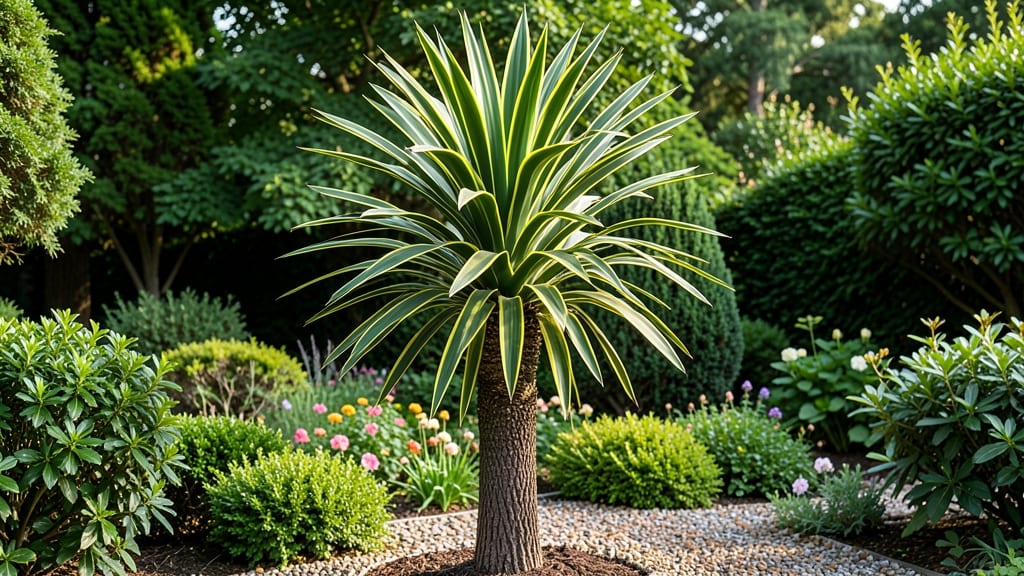
Your Black Dragon Tree isn't just a houseplant—it's a statement piece that thrives when you prune it boldly. This striking Dracaena marginata rewards confidence with lush, arching canes and year-round growth, but most people hesitate to trim it properly.
The key is understanding when and how to cut to encourage that dramatic, layered look without stressing the plant.
Here's the thing—this plant loves bright, indirect light and lets you know when it's thirsty by drooping slightly. Overwatering is the real enemy, so let the top inch of soil dry out between drinks.
The right soil mix (well-draining and slightly sandy) keeps those roots happy, and a little fertilizer in spring and summer gives it the boost it craves for that vibrant, dark foliage. Confidence comes from consistency, not perfection.
When you prune correctly, you'll see new growth emerge within weeks, creating that signature layered effect. The plant handles trimming like a pro—just snip above a leaf node, and it'll send out fresh shoots.
You'll end up with a taller, fuller tree that stays healthy even in dry indoor air. The best part? Every cut you make encourages more of that bold, architectural beauty.
This works just as well for indoor plants as it does for outdoor specimens in warm climates. Whether you're dealing with a six-foot giant or a small tabletop version, the same pruning principles apply.
Let's get those shears sharp and turn your Black Dragon Tree into the star of your space.
📚 In This Guide
- What you need
- Instructions
- Tips and common mistakes
- Wrapping up and next steps
What you need
- ● Sharp bypass pruners (1 pair) – Look for ergonomic, stainless-steel blades (4-6" opening) to avoid crushing branches.
- ● Loppers (1 pair) – For thicker branches (½"–2" diameter).
- ● Hand saw (1) – Pruning saw with a curved blade for stubborn wood (2"+ diameter).
- ● Disinfectant (70% isopropyl alcohol or 10% bleach solution) – 1 small spray bottle (4 oz) to sterilize tools between cuts.
- ● Garden gloves (1 pair) – Cut-resistant, breathable material for safety.
- ● Rubbing alcohol wipes (1 pack) – For quick tool sanitization on the go.
- ○ Pruning sealant (optional but recommended) – 1 small tube (2 oz) to protect large cuts.
- ● Heavy-duty trash bags (2–3) – For debris disposal (check local regulations for composting prunings).
- ● Know your tree’s age & health – Young trees (under 3 years) need gentler pruning; mature trees (3+ years) can handle bolder cuts.
- ● Weather check – Prune on a dry, cloudy day to reduce stress on the tree.
- ● Sunlight & water access – Ensure your tree has 6+ hours of sun post-pruning and keep soil moist for 1–2 weeks.
- ○ Optional: Extension pole (for tall trees) – 10–12 ft pole with pruner attachment.
- ● Tree growth regulator (e.g., paclobutrazol) – For controlling excessive growth (follow label instructions).
- ● Camera or sketchpad – To map out cuts before pruning!
Step-by-Step pruning guide for a thriving black dragon tree
Here’s how to shape your tree for lush growth and abundant fruit.
Identify and Remove Dead or Diseased Branches
Start by inspecting your Black Dragon Tree for any branches that are brown, brittle, or showing signs of disease. These are easy to spot—they’ll look dry, cracked, or covered in spots. Use sharp, clean pruning shears to make clean cuts just above a healthy leaf node or lateral branch. This prevents unsightly stubs and encourages new growth.
Real talk: Don’t skip this step. Dead branches sap energy from your tree and can attract pests. If you’re unsure whether a branch is dead, scratch the bark with your fingernail—if it’s green underneath, it’s still alive. If it’s brown all the way through, it’s time to cut.
Prune for Shape and Airflow
Next, shape your tree by removing branches that grow inward or cross over each other. These compete for sunlight and can create weak spots where fruit won’t develop properly. Aim for an open, vase-like structure with branches spaced evenly around the trunk. This also improves airflow, which reduces the risk of fungal diseases.
I like to step back every few cuts to visualize the tree’s shape. You want sunlight to reach the center, so avoid heavy pruning on one side unless it’s absolutely necessary. For a Black Dragon Tree, which can grow quite tall, focus on removing lower branches first to encourage upward growth and fruit production.
Encourage Fruit Production with Strategic Cuts
To maximize fruit yields, prune back some of the older, woodier branches by about one-third. This stimulates new growth from the base of the cuts, which often produces more flowers and fruit. Look for branches that have already borne fruit—they’re prime candidates for pruning. Cut just above a leaf node where new shoots can emerge.
Here’s the thing—Black Dragon Trees fruit on new wood, so pruning in late winter or early spring (just before new growth starts) gives your tree time to recover and produce fruit for the season. Avoid heavy pruning in fall, as the tree needs energy to store for winter dormancy.
Maintain Year-Round with Light Trimming
Throughout the year, keep an eye out for branches that grow too long or become leggy. These can be trimmed back to maintain a compact shape and encourage bushier growth. A light trim after each harvest also helps the tree stay balanced and prevents overcrowding. Use clean shears to make cuts at a 45-degree angle just above a leaf node.
Don’t overdo it—your goal is to maintain, not drastically reshape. A little pruning every few months keeps your Black Dragon Tree healthy and productive without shocking it. If you notice new growth slowing down after pruning, it might need more sunlight or water, so check those conditions too.
Tips & tricks for pruning a black dragon tree
Mastering the art of pruning transforms your Black Dragon Tree from a wild, unruly plant into a thriving, fruit-bearing powerhouse. These practical insights will help you avoid common pitfalls and maximize your tree's potential.
Tool Preparation: Before you begin, sterilize your pruning shears with rubbing alcohol or a 10% bleach solution to prevent spreading disease between cuts. I learned this the hard way after accidentally transferring fungal spores from one branch to another. Sharp tools make cleaner cuts that heal faster, so take a moment to hone your blades before starting. A well-maintained toolkit is your first line of defense against infection.
Seasonal Timing Strategy: The instructions emphasize late winter or early spring pruning, but here's what nobody tells you—this timing works because it coincides with your tree's natural dormancy period. During dormancy, the tree has stored energy reserves that it can redirect toward new growth. If you must prune outside this window, avoid heavy cuts during fall when the tree needs to store energy for winter. For minor maintenance trims, summer is acceptable, but always prioritize the late winter/early spring window for major structural pruning.
Visual Pruning Cues: When shaping your tree in Step 2, focus on creating an open center where sunlight can penetrate. I recommend using a simple visual test: if you can see the sky through the center of your tree when standing back 3-4 feet, you've achieved good airflow. For the 45-degree angle cuts in Step 4, imagine slicing a pie—your cut should follow that same diagonal line just above a leaf node. This angle helps water run off the cut and prevents rot.
Recovery Monitoring: After pruning, watch for signs of stress like yellowing leaves or wilting branches. This is normal for the first week as the tree adjusts, but if symptoms persist beyond two weeks, your cuts may have been too aggressive. In Step 3, when pruning older branches by one-third, focus on making these cuts gradually over two years if possible. This gives your tree time to adjust without going into shock. Keep an eye on new growth—vigorous shoots emerging from the base of cuts indicate successful pruning.
Pro Tips for Black Dragon Tree
- Mastering the art of pruning transforms your Black Dragon Tree from a wild, unruly plant into a thriving, fruit-bearing powerhouse.
- Tool Preparation: Before you begin, sterilize your pruning shears with rubbing alcohol or a 10% bleach solution to prevent spreading disease between cuts.
- Seasonal Timing Strategy: The instructions emphasize late winter or early spring pruning, but here's what nobody tells you—this timing works because it coincides with your tree's natural dormancy period.
Frequently asked questions
Got questions about pruning your Black Dragon Fruit Tree? You’re not alone! Here are some of the most common concerns—and their answers—to help you keep your tree thriving and productive.
When is the best time to prune my Black Dragon Tree?
The ideal time to prune is late winter or early spring, just before new growth begins. This helps redirect energy to fruit production. Avoid heavy pruning in summer or fall, as it can stress the tree and reduce yields. Light trimming for maintenance is fine year-round, but major cuts should wait for dormancy.
How much can I prune without harming the tree?
For established trees, aim to remove no more than 25-30% of the foliage in a single session. Focus on dead, diseased, or crossing branches first. Over-pruning can weaken the tree, so prioritize open canopy structure and air circulation. If your tree looks stressed after pruning, it’s a sign you’ve gone too far!
Will pruning my Black Dragon Tree increase fruit production?
Strategic pruning boosts fruit quality and quantity by improving sunlight exposure and airflow. Remove suckers (shoots at the base) and overcrowded branches to encourage larger, sweeter fruit. Just avoid cutting back too aggressively—balance is key for a bountiful harvest.
What should I do if my tree isn’t recovering after pruning?
If your tree shows signs of stress—yellowing leaves, slow growth, or pest infestations—it may need extra care. Ensure it’s well-watered (but not soggy), fertilize with a balanced citrus/avocado mix, and monitor for pests like aphids or mites. If issues persist, consult a local arborist for tailored advice.
Are there alternatives to traditional pruning for Black Dragon Trees?
Yes! For minimalists, selective pruning (trimming only dead or problematic branches) works well. You can also use growth regulators to manage size naturally. However, traditional pruning remains the most effective way to shape the tree, enhance fruit yield, and prevent disease long-term.
Wrapping up and next steps
The Black Dragon Fruit Tree is a stunning and rewarding plant that thrives with the right pruning techniques—whether you're aiming for year-round harvests or simply keeping it lush and vibrant.
By mastering bold pruning, you’ll encourage stronger growth, better fruit production, and a show-stopping appearance that’s as functional as it is beautiful. 🌿✨
Now that you’re armed with the know-how, roll up your sleeves and get pruning! Start with a single branch or section to build confidence, then gradually expand your efforts. Before you know it, your Black Dragon Tree will be flourishing—and you’ll be the proud gardener behind it all.
Pro tip: Keep a pruning journal to track growth and adjustments—it’s the secret to long-term success! 📝🌱