
Pruning
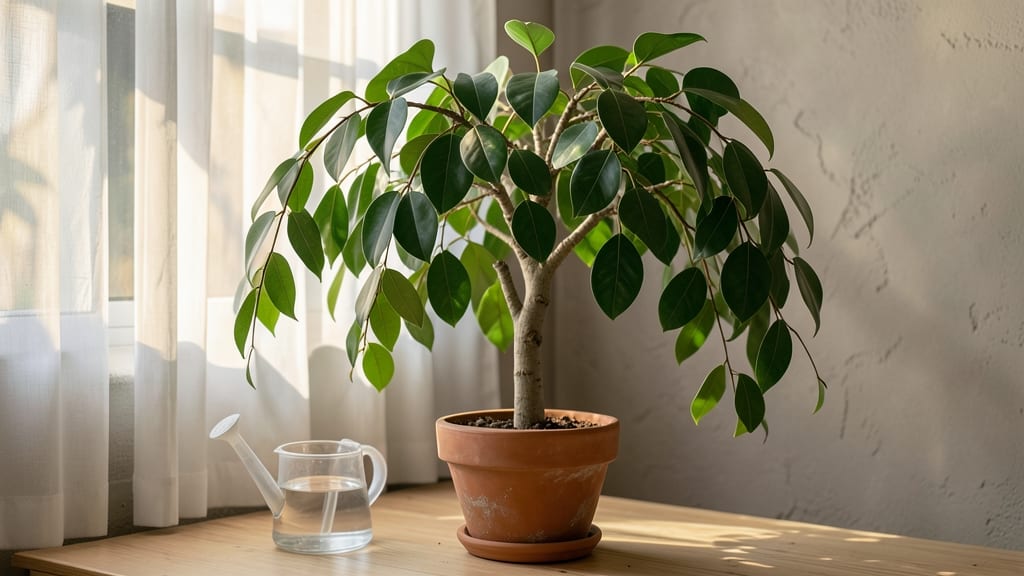
Caring for a Ficus benjamina—that glossy-leaved showstopper—starts with understanding its four-season rhythm. 🌿 I’ve learned the hard way that skipping seasonal trims leads to leggy growth and sparse foliage, but with the right approach, your tree stays lush year-round.
The key isn’t just pruning; it’s matching your care to the time of year, from spring’s fresh flush of growth to winter’s dormant slowdown.
This tree thrives on routine but hates extremes—bright, indirect light, moderate watering (let the top inch dry between drinks), and a well-draining potting mix. My first Benjamina nearly died from overwatering, but once I adjusted to its needs, it’s been disease-resistant and fast-growing for years.
The real magic happens with those four strategic trims, each timed to boost health and shape.
By summer’s end, you’ll have a tree that’s dense, symmetrical, and vibrant—no more bare stems or sad, yellowing leaves. The secret’s in the details: pinching new growth in spring, shaping in summer, and light maintenance in fall and winter.
Even if you’ve killed a plant before, this tree forgives mistakes if you act fast.
Outdoor varieties handle patio life with ease, while indoor trees adapt to low light (though they’ll stretch toward windows). The goal? A tree that stays compact, full, and happy no matter the season. Let’s get those shears ready—your Benjamina’s transformation starts now.
📚 In This Guide
- What you need
- Instructions
- Tips and common mistakes
- Wrapping up and next steps
What you need
- ● Pruning shears: Bypass pruners (sharp, 6-8" blades) for small branches.
- ● Loppers: 1 pair (8-10" blades) for thicker branches (½"–1.5" diameter).
- ● Pruning saw: 1 handheld saw (for branches >1.5" thick).
- ● Gloves: Heavy-duty gardening gloves (cut-resistant for safety).
- ● Disinfectant: 70% isopropyl alcohol or bleach solution (1 part bleach to 9 parts water) to sterilize tools.
- ○ Pruning sealant: Optional but helpful (e.g., tree wound paint) for larger cuts.
- ● Ladder or step stool: Sturdy and tall enough to reach the tree’s highest branches safely.
- ● Trash bags or bucket: For collecting pruned branches and debris.
- ● Extension pole pruners: For high branches without a ladder.
- ● Handheld leaf blower: To clear debris quickly.
- ● Sharpie or permanent marker: For labeling branches if training the tree.
- ● Compost bin: To recycle pruned branches into nutrient-rich compost.
- ● Safety goggles: Protect your eyes from debris or sap splashes.
Step-by-step guide to seasonal Benjamina tree trimming
Here’s how I keep my Benjamina thriving year-round with targeted trims.
✂️ Step 1: Early Spring Cleanup (March-April)
Start by removing any dead, yellowed, or crossing branches—these compete for energy and invite pests. I use sharp, sterilized pruning shears to make clean cuts just above a leaf node or outward-facing bud. This ensures new growth emerges in the right direction.
Focus on shaping the canopy while maintaining airflow. Benjamina trees respond well to light trimming now, so don’t overdo it—aim for no more than 20% of the foliage. Watch for fresh, vibrant leaves emerging within 2-3 weeks as your signal that the tree is recovering.
☀️ Step 2: Mid-Summer Maintenance (June-July)
This is the time to control leggy growth and encourage bushiness. Pinch back new shoots that exceed 6-8 inches to promote branching. I also remove any flowers or seed pods that appear—Benjamina trees produce them, but they drain energy better spent on foliage.
Water deeply after trimming to help the tree recover. You’ll notice new side shoots forming within 3-4 weeks, especially if you’ve been providing bright, indirect light (no direct afternoon sun). This step keeps the tree compact and prevents it from becoming top-heavy.
🌿 Step 3: Fall Preparation (September-October)
Reduce trimming to minimal shaping—focus on removing only the most overgrown branches. Avoid heavy cuts now, as the tree needs to harden off before winter. I also clean the leaves with a damp cloth to remove dust and pests before they overwinter.
Move the tree closer to a south-facing window if indoors, or bring it inside entirely if temperatures drop below 55°F. You’ll see slower growth in fall, but the tree will enter dormancy stronger and more resilient for winter.
⏰ Step 4: Late Winter Pruning (January-February)
This is the deepest trim of the year—cut back one-third of the longest branches to encourage fresh, vigorous growth. I look for branches that grew excessively in spring/summer and trim them back to a strong lateral branch or leaf node.
After pruning, place the tree under a grow light for 12-14 hours daily to stimulate new shoots. Within 4-6 weeks, you’ll see bright green, healthy growth signaling the tree is ready for spring. This step ensures a full, lush canopy by summer.
Tips & tricks for perfect Benjamina tree trimming
Here's what nobody tells you about keeping your Benjamina looking its best through all four seasons.
Tool Prep is Everything: Sterilize your pruning shears with rubbing alcohol before each session to prevent spreading disease between cuts. I also sharpen my blades annually—the duller they get, the more you crush stems instead of making clean cuts. This stress weakens the tree and invites infections, especially during the vulnerable spring growth phase when you're removing up to 20% of foliage.
The 20% Rule in Spring: That 20% foliage guideline in Step 1 isn't arbitrary—it's based on how much a Benjamina can regenerate without shock. Think of it like giving your tree a haircut: too much leaves it sparse, too little means missed opportunities for airflow. I mark branches with painter's tape before cutting to visualize the 20% threshold, which helps me stay precise when shaping the canopy.
Light Matters More Than You Think: The bright, indirect light mentioned in Step 2 should be your benchmark year-round. Place your tree where it gets morning sun and afternoon shade—direct afternoon sun causes leaf scorch. I've learned this the hard way after watching leaves crisp at the edges during summer maintenance. If you notice new growth leaning toward light, rotate the tree weekly to encourage even growth patterns.
Winter Recovery Hack: After your deep winter pruning, place a humidity tray (pebble tray with water) beneath the grow light setup. The increased humidity mimics tropical conditions and helps prevent leaf drop during the 4-6 week recovery period. I've seen Benjaminas lose 30% of new leaves when humidity drops below 40%—this simple trick maintains that vibrant green signal you're watching for.
Pro Tips for Benjamina Tree Care
- Here's what nobody tells you about keeping your Benjamina looking its best through all four seasons.
- Tool Prep is Everything: Sterilize your pruning shears with rubbing alcohol before each session to prevent spreading disease between cuts.
- The 20% Rule in Spring: That 20% foliage guideline in Step 1 isn't arbitrary—it's based on how much a Benjamina can regenerate without shock.
Frequently asked questions
Got questions about keeping your Benjamina tree thriving? You’re not alone! Here are answers to the most common concerns—from pruning to pests—so you can keep your tree lush year-round.
When is the best time to trim a Benjamina tree?
The ideal times are late winter/early spring (before new growth) and summer (after flowering). Avoid heavy pruning in fall—it can stress the tree before winter. Light trims to shape or remove dead branches can happen anytime, but never prune in extreme heat or cold.
How often should I prune my Benjamina tree?
Prune 2–4 times a year for healthy growth: once in late winter (to shape), once in summer (to encourage bushiness), and light touch-ups as needed. Over-pruning weakens the tree, so aim for no more than 1/3 of the foliage at a time. Think of it like a haircut—regular maintenance keeps it looking its best!
Why are my Benjamina tree leaves turning yellow or dropping?
Yellowing or dropping leaves usually signal overwatering, underwatering, or pests. Check the soil—it should be slightly moist but not soggy. Look for spider mites, scale, or aphids on the undersides of leaves. If pests are the culprit, use neem oil or insecticidal soap. Adjust watering and fertilize lightly (every 2–3 months) to revive it.
Can a Benjamina tree survive indoors year-round?
Yes! Benjamina trees thrive indoors with bright, indirect light (like near a window but not in direct sun). They tolerate indoor temps (60–75°F) but need humidity—mist leaves or use a pebble tray. Rotate the pot occasionally for even growth. Outdoor trees love full sun and warmth but may need protection from harsh winters (below 20°F).
What’s the easiest alternative to a Benjamina tree for low-maintenance care?
If Benjamina seems high-maintenance, try these low-fuss alternatives:
- Dwarf Schefflera: Tolerates low light and infrequent watering.
- Snake Plant: Nearly indestructible—thrives on neglect.
- ZZ Plant: Drought-resistant and perfect for beginners.
- Olive Tree: Hardy and adaptable to indoor/outdoor settings.
Wrapping up and next steps
Caring for your Benjamina tree year-round is totally doable with the right seasonal trims and a little love! 🌿 By mastering pruning techniques—like shaping, thinning, and promoting airflow—you’ll keep your tree lush, healthy, and thriving through every season.
Remember, consistency is key, and a well-timed trim can prevent pests, diseases, and even save your tree from stress.
Now that you’re armed with expert tips, grab those shears and get trimming! Start small, observe your tree’s response, and adjust as needed. Your Benjamina will thank you with vibrant foliage and strong growth. Happy pruning! 🌟