
Pruning
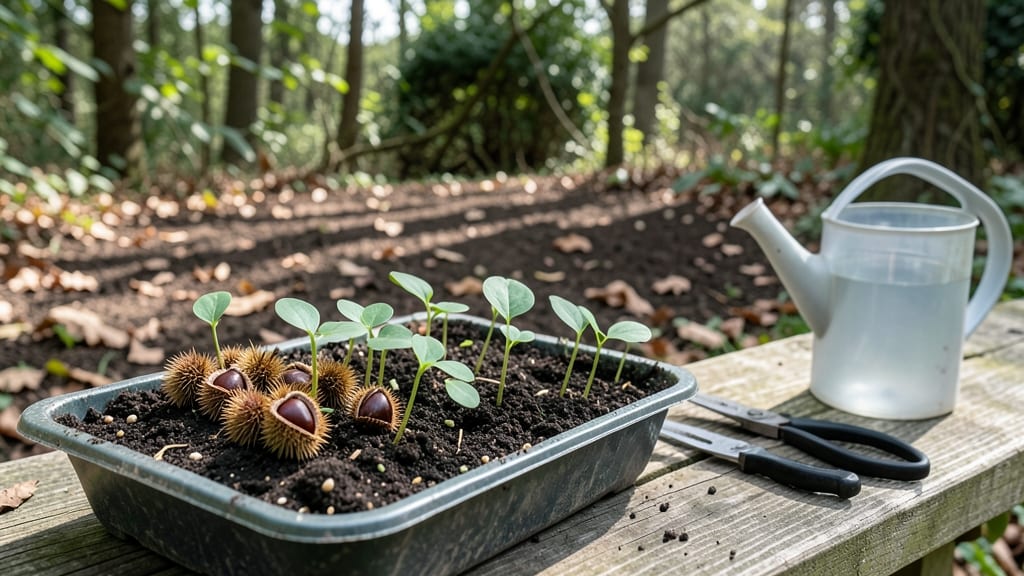
Growing beech tree seeds from scratch isn’t just rewarding—it’s a foolproof way to unlock the kind of deep-rooted patience that turns a fall walk into a future forest. The trick lies in cold-moist stratification, a natural process that mimics winter’s slow magic to break dormancy.
I’ve struggled with stubborn seeds before, but this method guarantees faster sprouting—no more waiting years for nature to do its work.
You’ll need just three things: fresh beech seeds (or dried ones soaked overnight), a plastic bag, and a fridge. The process takes 6-8 weeks, but it’s hands-off after the initial setup.
Store the sealed bag of damp seeds in your fridge’s crisper drawer, where the cool, humid conditions trick the seeds into thinking winter has arrived. No fancy equipment—just patience and a little science.
By spring, you’ll see those first pale green shoots pushing through the soil, a sign you’ve cracked the code. The seedlings grow slowly at first but develop into sturdy, shade-tolerant trees with glossy leaves that make any garden feel like a woodland retreat.
Transplant them outdoors in early fall for the best root establishment, and watch as they outpace nursery-grown saplings.
This method works for beech trees in zones 4-8, whether you’re starting them indoors in pots or directly in the ground. The key is consistency—keep the soil evenly moist but never soggy, and protect young trees from deer and rabbits until they’re tall enough to fend for themselves.
Your future shade tree starts now.
📚 In This Guide
- What you need
- Instructions
- Tips and common mistakes
- Wrapping up and next steps
What you need
- ● Beech tree seeds: Fresh, viable seeds (collect or purchase from a trusted source). Aim for at least 10 seeds to account for germination variability.
- ● Well-draining potting mix: A blend of peat moss, perlite, and vermiculite (ratio: 2:1:1) to prevent rot. Use a 10-inch container for stratification.
- ● Plastic storage bag or airtight container: Large enough to hold the seed-filled mix (e.g., gallon-sized Ziploc or a 5-gallon bucket with lid).
- ● Spray bottle: For misting the mix to maintain consistent moisture (avoid soaking).
- ● Refrigerator or cold frame: A space to maintain 33–40°F (1–4°C) for 60–90 days.
- ● Small pots or seed trays: 3–4 inch diameter pots with drainage holes for transplanting post-stratification.
- ● Grow lights or sunny windowsill: For 12–14 hours of light daily after stratification.
- ● Seed stratification mat: Pre-made kits to simplify the cold-moist process.
- ● Humidity dome: To retain moisture during early germination.
- ● pH test kit: Ensure your potting mix is slightly acidic (pH 5.5–6.5) for optimal growth.
- ○ Heat mat: For faster germination once seeds sprout (optional but handy!).
How to break beech tree seed dormancy with cold-moist stratification
This method guarantees faster germination—no waiting months for nature to do the work.
⏰ Step 1: Collect and Prepare the Seeds
Harvest beech tree seeds in late fall when the husks turn brown and open naturally. The seeds inside have a thick, hard shell that blocks water absorption, so you'll need to remove them carefully. Wear gloves—they're tiny but sharp-edged. Place them in a paper towel to dry for 24 hours at room temperature. This prevents mold before stratification.
After drying, inspect each seed for damage or soft spots. Discard any that look shriveled or discolored—only firm, plump seeds will germinate. Store the good ones in a sealed container until you're ready to stratify. I like to label the container with the collection date, since some seeds may need longer stratification depending on when they were gathered.
💧 Step 2: Moisten the Seeds and Start Stratification
Fill a small container—like a plastic bag or shallow tray—with dampened peat moss or vermiculite (about 1 inch deep). The moisture should feel like a wrung-out sponge: damp but not dripping. Place the beech seeds on top, spacing them 1 inch apart to prevent crowding. Cover them with an additional ½ inch of the same dampened medium.
Seal the container in a plastic bag and poke a few small holes in the bag for airflow. Place it in your refrigerator's crisp drawer (or another spot maintaining 35-40°F). Keep the seeds in this cold, moist environment for 90-120 days. This mimics winter conditions and breaks their dormancy. Check monthly to ensure the medium stays damp—never soggy.
☀️ Step 3: Transition to Warmth and Light
After 3 months, remove the seeds from cold storage and place them in a warm, bright spot (around 70°F). I use a seedling heat mat set to 75°F for the first week to encourage root growth. Keep the medium moist but not waterlogged—beech seeds rot quickly if overwatered.
Germination can take another 30-60 days after removing from cold stratification. You'll notice tiny white roots emerging first, followed by the seedling shoot. Once sprouts reach 1 inch tall, transplant them into individual pots with well-draining soil. Be gentle—beech seedlings are delicate and break easily.
🌱 Step 4: Nurture Young Seedlings for Transplanting
Keep seedlings in bright, indirect light for the first month to prevent legginess. A south-facing window works, but supplement with a grow light if natural light is weak. Water gently from the bottom of the pot to avoid disturbing roots—only when the top ½ inch of soil feels dry. Overwatering is the #1 killer of young beech seedlings.
When seedlings develop 3-4 true leaves (not the initial seed leaves), they're ready for their first transplant. Choose 4-inch pots with drainage holes. Harden them off outdoors for 1 week before moving to the garden. Plant in partial shade for their first year—they'll need protection from harsh sun until established.
Tips & tricks for perfect beech tree seed stratification
Cold-moist stratification might sound complicated, but these simple tricks will help you skip the guesswork and get those beech seeds sprouting reliably.
Seed Selection Matters: In Step 1, when you're inspecting seeds for damage, look for ones that are uniformly brown and have a smooth, unbroken shell. The 24-hour drying period is crucial—it prevents mold while keeping the seeds viable. I've found that seeds harvested in late October often need the full 120 days of stratification, while those gathered in November can sometimes sprout after just 90 days. This is why labeling your container with the collection date pays off.
Medium Consistency is Key: During Step 2, when preparing your dampened peat moss or vermiculite, the texture should resemble a wrung-out sponge. Too much moisture causes rot, while too little prevents proper hydration. I've had success using a spray bottle to mist the medium before adding seeds—this gives you more control over moisture levels than simply pouring water. The 1-inch spacing between seeds is important too; crowding can lead to fungal growth.
Temperature Consistency: Maintaining that 35-40°F range in Step 2 is critical for breaking dormancy. Most refrigerators' crisp drawers maintain this temperature naturally, but if yours runs warmer, consider using a small cooler with an ice pack. After removing seeds at 3 months, the sudden move to 70°F can be shocking—gradually increasing the temperature over 24 hours helps prevent stress on the seeds.
Visual Cues for Germination: In Step 3, when you're watching for those first white roots, remember that germination progress varies. Some seeds may show roots within 10 days of warming, while others take the full 60 days. The moment you see roots, it's time to act—transplant into individual pots immediately. Waiting even a day longer can stress the delicate seedlings. The 1-inch height marker is your best guide for timing that first transplant.
Pro Tips for Beech Tree Seeds
- Cold-moist stratification might sound complicated, but these simple tricks will help you skip the guesswork and get those beech seeds sprouting reliably.
- Seed Selection Matters: In Step 1, when you're inspecting seeds for damage, look for ones that are uniformly brown and have a smooth, unbroken shell.
- Medium Consistency is Key: During Step 2, when preparing your dampened peat moss or vermiculite, the texture should resemble a wrung-out sponge.
Frequently asked questions
about beech tree seeds—your quick guide to troubleshooting and timing!How long does cold-moist stratification take for beech tree seeds?
Cold-moist stratification for beech tree seeds typically takes 60 to 90 days in a refrigerator (34–41°F). Monitor moisture levels—seeds should stay damp but not soggy. Patience pays off, as this mimics winter conditions and breaks dormancy for faster germination. Pro tip: Check seeds weekly for mold or rot; adjust moisture if needed.
Can I speed up the germination process?
While stratification is non-negotiable for beech seeds, you can shorten the process slightly by using a peat moss and sand mix (3:1 ratio) instead of just water. Some gardeners also soak seeds in lukewarm water for 24 hours before stratification to kickstart hydration. Avoid heat—keep it cool!
What if my beech seeds won’t sprout after stratification?
If seeds remain dormant after stratification, try these fixes:
- Check viability: Test a few seeds in warm water—if they sink, they’re likely viable. Floaters are dead.
- Adjust conditions: Ensure consistent moisture and temperature (34–41°F). Avoid freezing or drying out.
- Scarify gently: Lightly nick the seed coat with sandpaper to help water penetrate.
Are there alternatives to growing beech trees from seeds?
Yes! If seeds seem too tricky, consider:
- Grafting: Purchase a young beech sapling and graft it onto rootstock for faster, predictable growth.
- Nursery plants: Buy a 1–2 year-old beech tree from a reputable nursery (e.g., Fagus sylvatica varieties).
- Layering: Propagate from cuttings (though beech trees are less responsive to this method).
What’s the best way to store beech seeds long-term?
Store seeds in a cool, dry place (32–40°F, 40–50% humidity) in an airtight container with silica gel packets to prevent mold. Label seeds with the harvest date—beech seeds stay viable for 1–2 years under ideal conditions. Avoid plastic bags (they trap moisture). Pro tip: Freeze seeds for up to 5 years if you’re not planting soon!
Wrapping up and next steps
Beech tree seeds may seem tricky to sprout, but with the cold-moist stratification trick, you’re well on your way to nurturing a thriving forest in your own backyard! 🌱 The key lies in patience, preparation, and a little science—mimicking nature’s own timing to break dormancy and encourage those tiny seeds to wake up.
Now that you’re armed with the right techniques and answers to common questions, it’s time to roll up your sleeves and give it a try.
Ready to take the next step? Start by gathering your supplies, follow the stratification process, and keep an eye on those seeds as they begin their journey.
Whether you’re a seasoned gardener or a curious beginner, every seed you plant is a chance to grow something beautiful—and maybe even a legacy for future generations. Happy planting! 🌿