
Pruning
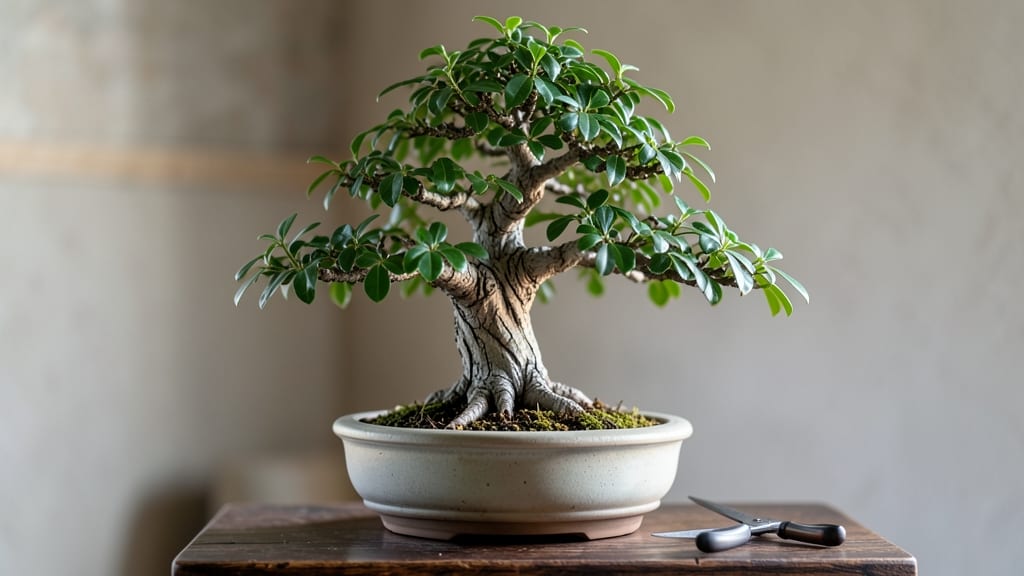
Creating a beech tree bonsai that stays lush year-round starts with understanding its delicate balance between growth and restraint. 🌿 The key isn’t just trimming branches—it’s learning when to guide the tree’s natural shape while preserving its signature peeling bark and vibrant foliage.
My first attempt looked like a sad, over-pruned stick until I realized timing and technique matter more than aggressive cuts.
You’ll need sharp bonsai shears, a well-draining soil mix (50% akadama, 30% pumice, 20% organic matter), and patience—beech trees respond to gentle shaping over months, not weeks. The real magic happens in late winter when dormant buds signal it’s time to refine the silhouette.
A single misplaced cut can throw off the tree’s energy for an entire season, so precision beats speed every time.
By summer, your efforts pay off: glossy green leaves unfurl in perfect proportion, and the bark’s texture becomes the star of the show. The trick is keeping the canopy open enough for light to reach all branches while maintaining that elegant, almost sculptural form.
Even in winter, when leaves fall, the structure remains striking—proof that bonsai isn’t just about leaves, but about harmony.
This method works for both indoor and outdoor beech bonsai, though outdoor specimens handle seasonal changes better. Whether you’re shaping a miniature forest or a single statement tree, the principles stay the same: less is more, and every cut should serve a purpose.
Let’s get started with the tools and steps that make the difference.
📚 In This Guide
- What you need
- Instructions
- Tips and common mistakes
- Wrapping up and next steps
What you need
- ● Beech tree sapling: Choose a young, healthy Fagus sylvatica (European beech) or Fagus grandifolia (American beech) with a sturdy trunk (3–6 inches tall).
- ● Bonsai pot: 1 shallow, well-draining pot (6–12 inches wide) with drainage holes. Unglazed clay is ideal.
- ● Bonsai soil: 1 bag (10–20 lbs) of akadama, pumice, and lava rock mix (70:20:10 ratio) for aeration.
- ● Pruning tools: 1 pair concave bonsai shears (for clean cuts).
- ● 1 needle-nose pliers (for wire removal).
- ● 1 sharp bonsai knife (for intricate cuts).
- ● Aluminum or copper bonsai wire: 1–2 rolls (1–3mm gauge) for branch shaping.
- ● Spray bottle: 1 (for misting leaves).
- ○ Rooting hormone (optional but helpful): 1 small bottle for grafting or propagation.
- ● Bonsai fertilizer: 1 bottle of balanced liquid fertilizer (e.g., 10-10-10 NPK).
- ● Wire cutters: 1 pair for trimming excess wire.
- ● Humidity tray: 1 (to maintain moisture in dry climates).
- ● Decorative elements: Miniature rocks, moss, or figurines for styling.
- ● Grafting tools: If you plan to clip-and-grow (e.g., grafting kits).
Step-by-Step guide to cultivating a beech tree bonsai
Here's how to shape your beech bonsai into a masterpiece with patience and precision.
🌱 Step 1: Select and Prepare Your Beech Tree Seedling
Start with a young beech tree—look for one with a sturdy trunk and healthy leaves. I prefer seedlings around 1-2 feet tall because they're easier to shape without breaking branches. Remove any damaged leaves or weak growth immediately. This gives your tree a strong foundation before you begin pruning.
Check the roots for signs of rot or pests. Healthy roots should be firm and white. If you find any issues, trim the affected areas with clean, sharp scissors. This is the moment that matters: a healthy start means a thriving bonsai down the road.
✂️ Step 2: Master the Art of Precision Pruning
Use bypass pruners to make clean cuts just above a leaf node or bud. Never cut blindly—always look for the tiny bump where new growth will emerge. I like to prune in early spring when the tree is just waking up, but you can also do light shaping in late summer. The goal is to encourage branching while keeping the tree's natural silhouette.
Don't overdo it. Real talk: I once pruned too aggressively and nearly killed my bonsai. Stick to removing no more than 20-30% of the foliage at a time. After pruning, wipe your tools with rubbing alcohol to prevent spreading disease between cuts.
🪴 Step 3: Shape and Wire for Structure
Aluminum or copper wiring is your best friend for shaping. Wrap it gently around branches, avoiding the trunk—you want to guide growth, not strangle it. Start with 1-2 mm wire for small branches and thicker wire for larger limbs. Bend branches slowly; beech wood is flexible but can snap if forced too quickly.
Check your wiring every 2-3 weeks during the growing season. If the wire starts to cut into the bark, remove it immediately. You'll see new growth pushing against the wire, which is your signal that it's working. Remove wires once the branch holds its new shape—usually by late summer.
☀️ Step 4: Maintain Light and Water Balance
Beech bonsai thrive in bright, indirect light—think morning sun with afternoon shade. A south-facing window works well, but direct afternoon sun can scorch leaves. If you notice leaves turning yellow or crispy, move your tree back a few feet or use a sheer curtain to filter the light.
Water when the top 1-2 inches of soil feel dry to the touch. Beech trees hate soggy roots but also can't handle drought. I like to water deeply until it drains from the bottom, then let excess water out of the tray. In winter, reduce watering significantly—only enough to keep the soil from drying out completely.
🌿 Step 5: Year-Round Care for Long-Term Health
Fertilize lightly every 4-6 weeks during the growing season with a balanced 10-10-10 fertilizer diluted to half strength. In winter, cut back to once every 8-10 weeks. Over-fertilizing burns roots, and I’ve learned that less is often more with bonsai.
Watch for pests like spider mites or scale insects. Wipe leaves with a damp cloth weekly to remove dust and deter pests. If you spot trouble, treat with neem oil—it’s gentle but effective. A healthy beech bonsai should have glossy leaves and steady growth year-round.
Tips & tricks for perfect beech tree bonsai
Here's what nobody tells you about keeping your beech bonsai thriving through every season.
Selection Tip: When choosing your 1-2 feet tall beech seedling, look beyond just the leaves. Tap the trunk gently—it should sound hollow but solid, not dull. I've learned this the hard way after selecting a seedling with hidden rot that spread despite my best pruning efforts. Healthy roots are non-negotiable, so take an extra minute to inspect them thoroughly before bringing your tree home.
Pruning Secret: That 20-30% foliage guideline in Step 2 isn't arbitrary—it's based on the tree's ability to recover. Think of it like this: every leaf is a tiny food factory. When you remove too many, the tree struggles to support remaining branches. I mark my pruning cuts with a pencil first to visualize the final shape before making any cuts. This prevents that panicked moment when you realize you've taken too much.
Wiring Wisdom: The 1-2 mm wire recommendation is perfect for beech branches, but here's the trick: wrap the wire in a gentle spiral that leaves small gaps between turns. This allows the branch to grow without constriction. I check my wiring every 2-3 weeks during growing season, and if I see any white bark showing through (the wire's cutting in), I remove it immediately. That white line is your warning sign—don't wait until you see actual damage.
Lighting Strategy: That bright, indirect light requirement is crucial, but here's how to test your setup: place your hand near the tree for 10 minutes. If your hand gets warm, the light's too intense. I've used sheer white curtains to diffuse harsh afternoon sun, which saved my bonsai from several cases of leaf scorch. The goal is consistent, gentle light that mimics the tree's natural forest understory environment.
Pro Tips for Beech Tree Bonsai
- Here's what nobody tells you about keeping your beech bonsai thriving through every season.
- Selection Tip: When choosing your 1-2 feet tall beech seedling, look beyond just the leaves.
- Pruning Secret: That 20-30% foliage guideline in Step 2 isn't arbitrary—it's based on the tree's ability to recover.
Frequently asked questions
Got questions about keeping your beech tree bonsai thriving?
Here are answers to the most common ones—so you can prune with confidence and style!
How often should I prune my beech tree bonsai?
Prune your beech tree bonsai twice a year: once in late winter or early spring (before new growth) to shape the tree, and again in summer (after 2-3 months of growth) to refine details. Avoid heavy pruning in fall—it stresses the tree before dormancy. Pro tip: Use sharp bonsai shears for clean cuts!
Can I use regular garden shears instead of bonsai tools?
While you can use garden shears in a pinch, they’re not ideal. Bonsai shears give you precision control for delicate cuts, and concave cutters help wounds heal faster. If you’re just starting, invest in a basic bonsai tool kit—it’s a game-changer for long-term tree health!
What should I do if my beech bonsai loses leaves in winter?
Beech trees naturally drop leaves in winter, but if it’s unusually heavy, check for overwatering, pests, or root issues. Ensure it’s in a cool, shaded spot (40–50°F) and reduce watering slightly. If branches are bare, prune them back to encourage new growth in spring. Don’t panic! Many bonsai recover beautifully.
Are there easier bonsai trees for beginners than beech?
Yes! If beech seems tricky, try ficus (hardy and forgiving) or juniper (slow-growing and resilient). Beech bonsai require patience and precision, but they’re rewarding for intermediate growers. Start with a pre-bonsai beech sapling to ease into the process.
Why are my beech bonsai leaves turning yellow?
Yellow leaves often signal overwatering or nutrient deficiencies. Let the soil dry slightly between waterings, and fertilize lightly in spring/summer with a balanced bonsai fertilizer. If yellowing persists, check for root rot—repot if needed. Act fast! Beech trees bounce back with proper care.
Wrapping up and next steps
Cultivating a beech tree bonsai is a rewarding journey that blends artistry with patience—each precise pruning cut shapes not just the tree, but your own skills. Remember, consistency is key: seasonal adjustments, gentle wiring, and mindful trimming will keep your miniature masterpiece thriving year-round. 🌿✨
Ready to take the next step? Start by observing your tree’s growth and refining your technique—whether it’s mastering the inverted V cut or perfecting your wiring schedule. Share your progress with fellow bonsai enthusiasts or treat yourself to a new tool to elevate your craft!