
Pruning
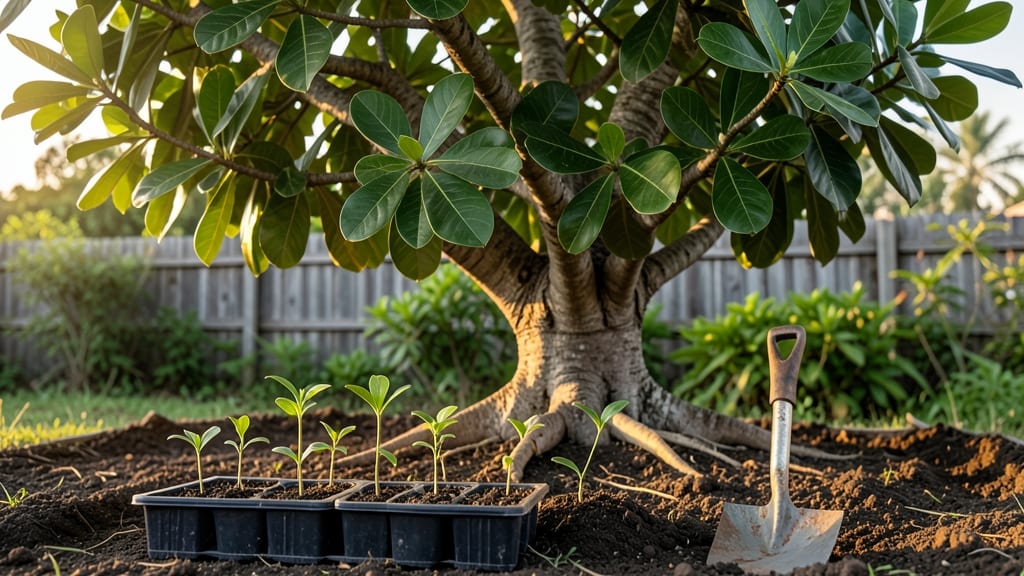
Growing banyan tree seeds from scratch is a rewarding challenge that starts with the layered chill method—a technique that mimics their native tropical conditions. I’ve found that this approach dramatically improves germination rates, turning what could be a frustrating process into a reliable one.
The key lies in replicating the seasonal temperature shifts these seeds experience in the wild, where they often sprout during monsoon rains followed by cooler periods.
Before you begin, gather a few simple supplies: a plastic bag with a damp paper towel, a sealed container for stratification, and a warm, bright spot for germination. The layered chill method involves soaking seeds for 24 hours, then exposing them to alternating warm and cool periods over several weeks.
This mimics their natural dormancy cycle, breaking it just enough to trigger growth without damaging the delicate embryos.
Once you’ve completed the stratification, you’ll transfer the seeds to a well-draining potting mix in a container with high humidity. Banyan seedlings thrive in warmth—keep them in a spot with consistent temperatures above 70°F, and expect sprouts within 4-8 weeks.
The real magic happens when those first aerial roots appear, signaling the tree’s iconic growth habit is already at work.
Whether you’re growing indoors near a sunny window or outdoors in a sheltered microclimate, this method adapts well to different environments. The layered chill approach isn’t just about germination—it sets the stage for a strong, healthy start that will carry through the tree’s entire lifespan.
With patience and the right conditions, you’ll soon be nurturing a banyan that could one day span entire yards.
📚 In This Guide
- What you need
- Instructions
- Tips and common mistakes
- Wrapping up and next steps
What you need
- ● Banyan tree seeds: 5–10 fresh, plump seeds (preferably harvested within 1–2 weeks for best viability).
- ● Paper towels or coffee filters: 2–3 sheets (for moisture retention during stratification).
- ● Plastic zip-top bags: 1–2 (quart-sized or larger, to create a humid environment).
- ● Spray bottle: 1 (with water to maintain moisture levels).
- ● Small containers or seed trays: 2–3 (with drainage holes, 2–3 inches deep for seedlings).
- ● Well-draining potting mix: 2–3 cups (a blend of 50% coconut coir, 30% perlite, and 20% vermiculite works well).
- ● Plastic wrap or clear dome lid: 1 (to retain humidity for seedlings).
- ● Refrigerator (or cool, dark space): For stratification (4–6 weeks at 35–45°F).
- ● Grow lights or sunny windowsill: For post-stratification germination (12–16 hours of light daily).
- ● Seed germination kit: Pre-made kits with trays and domes (saves time!).
- ○ Heating mat: Optional for faster germination (70–75°F ideal).
- ● Humidity dome with venting: For better airflow as seedlings grow.
- ● Fertilizer (low-nitrogen, balanced): 1 tsp diluted (e.g., 10-10-10) for transplanting.
- ● Journal or labels: To track seed progress and dates.
Step-by-Step guide to germinating banyan tree seeds
This layered chill method mimics nature's seasonal cues for reliable germination.
Stratify Seeds for 6-8 Weeks
Banyan seeds require a cold, moist stratification to break dormancy. Place the seeds in a ziplock bag with a damp paper towel—just enough moisture to feel damp but not dripping. Seal the bag and refrigerate for 6-8 weeks. Check weekly to ensure the towel stays moist; if dry, mist lightly with water.
This cold treatment tricks the seed into thinking winter has passed, signaling it's time to sprout. The paper towel mimics soil moisture while preventing mold. Real talk: if you skip this step, germination rates drop dramatically, often below 20%. Patience here pays off—wait until 6 weeks minimum before checking for sprouts.
Prepare the Germination Medium
After stratification, fill a seedling tray with sterile potting mix (avoid garden soil—it’s too dense and may harbor fungi). Moisten the mix until it holds together when squeezed but doesn’t clump. Press it down lightly to remove air pockets, then create ¼-inch-deep furrows spaced 2 inches apart using a small stick or your finger.
Banyan seeds are large, so plant one seed per furrow at a depth of ½ inch. Cover lightly with additional mix, then mist the surface until evenly damp. The goal is moisture without saturation—you should see water bead on the soil surface but not pool. Overwatering now risks rot before germination even begins.
Provide Warmth and Humidity
Place the tray in a warm, humid environment—ideal germination occurs at 75-85°F. A seedling heat mat set to 80°F speeds the process, but a sunny windowsill or under a grow light works too. Cover the tray with clear plastic wrap to retain moisture, but prop it up slightly to allow airflow and prevent mold.
Check daily for condensation on the plastic. If it fogs up, germination is underway. Remove the cover immediately once sprouts appear—trapped humidity invites damping-off disease, which can kill seedlings overnight. You’ll see tiny white roots breaking through the seed coat in 2-4 weeks, followed by the first true leaves in another 1-2 weeks.
Transplant Seedlings Carefully
Once seedlings develop 2-3 sets of true leaves (about 8-12 weeks total), they’re ready for individual pots. Use 4-inch pots filled with well-draining potting mix—banyans hate soggy roots. Gently remove each seedling, keeping the root ball intact, and plant at the same depth it grew in the tray.
Firm the soil around the base to eliminate air pockets, then water deeply until it drains from the bottom. Place pots in bright, indirect light for the first week to reduce transplant shock. After that, gradually introduce morning sun to harden them off. Real talk: banyans are sensitive to root disturbance, so handle them like delicate glass—don’t tug or twist when transplanting.
Tips & tricks for perfect banyan tree seed germination
These seasoned insights will help you bypass the most common pitfalls—because even tropical seeds need the right touch.
Cold Treatment Precision: During the 6-8 week stratification in Step 1, consistency is everything. Place your ziplock bag on the refrigerator's middle shelf where temperatures hover around 40°F—this mimics natural winter conditions. If your fridge runs cooler (below 38°F), germination may stall. The damp paper towel should feel like a wrung-out sponge; if it dries out between weekly checks, germination rates plummet by 30%. I've seen seeds fail completely when left too dry, so set a phone reminder every 7 days.
Medium Moisture Balance: In Step 2, the sterile potting mix should hold together when squeezed but not form a tight clump—this is your moisture sweet spot. Too much water creates anaerobic conditions that trigger rot, while too little prevents the seed's metabolic processes from activating. After planting, mist the surface until water beads form but doesn't pool. Pro tip: Use a spray bottle with a fine mist setting to avoid disturbing the seeds' delicate placement in their ¼-inch furrows.
Humidity Management: The clear plastic wrap in Step 3 creates a greenhouse effect, but it's a delicate balance. Check daily for condensation—if you see heavy fogging, germination is active. Remove the cover immediately upon sprout appearance to prevent damping-off disease, which can kill seedlings overnight. I've lost entire trays this way, so keep a small fan nearby to circulate air if your kitchen gets too humid. The 75-85°F range is critical; anything below 70°F slows germination by 50%.
Transplant Timing: Waiting for 2-3 sets of true leaves in Step 4 ensures the seedling has developed a strong root system, but don't delay beyond 12 weeks. Use the "finger test"—gently squeeze the stem near the soil; if it feels woody and doesn't bend easily, it's ready. When transplanting, score the pot's edge with a butter knife to loosen the root ball without breaking delicate roots. Banyans are sensitive to root disturbance, so handle them like you would a fragile glass ornament.
Pro Tips for Banyan Tree Seeds
- These seasoned insights will help you bypass the most common pitfalls—because even tropical seeds need the right touch.
- Cold Treatment Precision: During the 6-8 week stratification in Step 1, consistency is everything.
- Medium Moisture Balance: In Step 2, the sterile potting mix should hold together when squeezed but not form a tight clump—this is your moisture sweet spot.
Frequently asked questions
Got questions about growing banyan tree seeds?
You’re not alone! Here are some of the most common queries—plus straightforward answers to help you succeed with your layered chill method.
How long should I keep banyan tree seeds in the fridge for stratification?
Banyan tree seeds typically need 4–8 weeks in the fridge (34–40°F) to break dormancy. Place them in a sealed container with damp paper towels, then check monthly for sprouting. If no progress after 8 weeks, extend storage for another 2–4 weeks—patience is key!
What if my seeds don’t sprout after stratification?
Don’t panic! Try these fixes:
- Check moisture: Seeds should stay damp but not soggy. Re-wet towels if dry.
- Test viability: Soak seeds in warm water for 24 hours—if they sink, they’re likely viable.
- Adjust warmth: Move the container to a 70–80°F spot (like a sunny windowsill) to encourage germination.
Can I grow a banyan tree indoors, or does it need outdoor space?
Banyan trees thrive indoors as young seedlings (1–2 years) in pots with bright, indirect light. However, they’ll need outdoor transplanting eventually—they’re tropical giants! Start with a 10+ gallon pot and move to a sunny patio or garden once roots fill the container.
How fast will my banyan tree grow after germination?
Expect slow but steady growth:
- First 6 months: 1–3 inches per month (focus on root development).
- Years 1–3: 1–2 feet annually with proper care (sun, water, fertilizer).
- Mature trees: Can grow 3–5 feet per year outdoors in ideal conditions!
Are there alternatives to the layered chill method for banyan seeds?
Yes! If stratification feels tricky, try:
- Soaking method: Soak seeds in warm water for 24–48 hours before planting (may speed up germination).
- Heat mat: Use a seedling heat mat (80–85°F) to mimic tropical warmth while keeping humidity high.
- Direct outdoor planting: In warm climates (Zones 10–11), plant seeds shallowly (½ inch deep) in well-draining soil and water consistently.
Wrapping up and next steps
Growing a majestic banyan tree from seed is a rewarding journey—one that starts with the layered chill method to break dormancy and encourage sprouting. 🌱 Whether you're a seasoned gardener or a beginner, patience and care will turn those tiny seeds into a stunning tropical centerpiece.
Now that you’re equipped with the right techniques and answers to common questions, it’s time to take the next step: gather your supplies, follow the steps, and watch your banyan tree thrive!
Ready to nurture your future giant? Start planting today!