Pruning
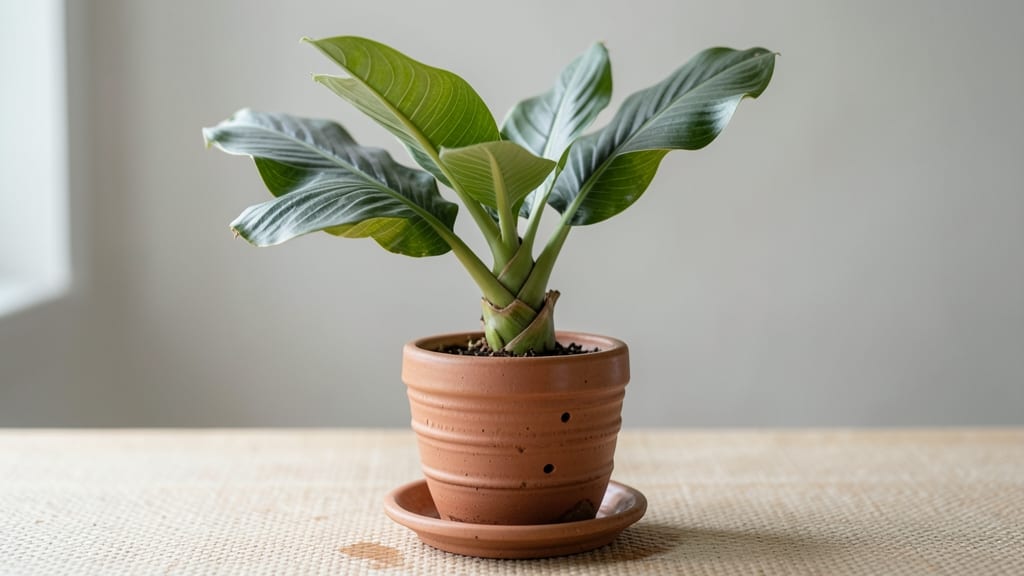
Growing a banana tree indoors as a houseplant means balancing lush foliage with the dream of fruit—without letting one overwhelm the other. 🌿 The key lies in strategic pruning that redirects energy where you want it, whether that’s towering leaves or sweet, edible bananas.
I’ve learned the hard way that aggressive pruning for fruit often starves the leaves, but there’s a middle path that keeps both thriving.
The secret starts with light: these tropical giants need bright, indirect sunlight for 12+ hours daily, plus a well-draining potting mix rich in organic matter.
My 6-foot-tall banana tree in a 15-gallon container gets a winter boost from a grow light, and I’ve found that repotting every 2-3 years in spring keeps roots happy without shocking the plant. Overwatering is the silent killer—let the top 2 inches dry out before watering again, even in summer.
When it comes to pruning for fruit, timing matters most. Pinch off flower stalks if you’re prioritizing foliage, but if you want bananas, leave them—just be ready to support the weight with stakes. After fruiting, prune back one-third of the oldest leaves to encourage new growth.
The result? A plant that stays compact enough for indoor spaces while still producing fruit, though smaller than its outdoor cousins.
This approach works year-round, but winter slows growth. Reduce watering slightly and keep temperatures above 60°F to avoid leaf drop. With patience, your banana tree can live indoors for years, fruiting occasionally and rewarding you with tropical vibes—even if you’ll never grow a grocery-store-sized bunch.
Let’s get those leaves and bananas in balance.
📚 In This Guide
- What you need
- Instructions
- Tips and common mistakes
- Wrapping up and next steps
What you need
- ● Sharp pruning shears or bypass pruners – Choose sterilized, high-quality shears with a 4-6 inch blade (e.g., Felco or Fiskars).
- ● Clean, disinfected cutting tool – A sterilized knife or pruning saw for thicker stems (if needed).
- ● Rubbing alcohol (70% or higher) – For sanitizing tools before and after use (1 small bottle).
- ○ Horticultural sealant (optional but recommended) – Pruning wax or tree paint (e.g., Tanglefoot or a homemade beeswax blend).
- ● Glove – Heavy-duty gardening gloves (to protect from sap and sharp edges).
- ● Bucket or tray – For collecting pruned material (5-gallon size works well).
- ● Spray bottle with water – To mist cuts and reduce shock (16 oz).
- ● Growth hormone powder – Rooting hormone (e.g., Clonex) for propagating cuttings.
- ● Plant food – Balanced liquid fertilizer (10-10-10 or similar) for post-pruning recovery.
- ● Support stakes or trellis – For guiding new growth (if pruning heavily).
- ● Camera or phone – To document your pruning progress!
Step-by-Step pruning guide for indoor banana trees with heavy fruit
Here's how to balance fruit production and leaf health—without losing both in one cut.
🌿 Step 1: Assess Fruit Load and Leaf Health First
Start by examining your banana tree's fruit clusters and leaves. Look for overcrowded fruit (more than 3-4 bunches per stem) or yellowing leaves—these are your first clues. A healthy banana tree can support 2-3 mature fruit bunches at once, but anything beyond that will drain the plant's energy and reduce leaf vigor.
Run your fingers along the stem between leaves. If you feel thin, papery stems or notice leaves curling inward, the tree is struggling to support both fruit and foliage. This is your signal to prune selectively. I always prune in the morning when temperatures are cooler—banana trees handle stress better then.
✂️ Step 2: Remove Overripe or Damaged Fruit First
Begin by identifying any overripe fruit (blackened tips, soft spots) or damaged bunches (bruised, cracked stems). These are energy vampires—your banana tree is still trying to nourish fruit that won't ripen properly indoors. Use clean, sharp pruning shears to cut these bunches at the base of the stem, leaving a ½-inch stub.
Don't toss these immediately! Place them in a paper bag with a banana to speed up ripening. The key here is to reduce the tree's workload before addressing the healthy fruit. If you skip this step, you risk shocking the plant by removing too much fruit at once—banana trees can go into shock and drop all remaining fruit.
🌱 Step 3: Thin Healthy Fruit Bunches Strategically
Now focus on the healthy fruit. Select one main bunch per stem to keep—this becomes your priority. Remove the others by cutting at their base, but save the smaller side shoots (called "pups") for future harvests. I like to leave 2-3 pups per stem; these will develop into new fruit-bearing stems later.
Watch for uneven fruit distribution. If one side of the tree has dense clusters while the other is sparse, thin the heavier side first. This balances the tree's energy output. After pruning, step back and observe the stem structure—you should see clear spacing between remaining fruit and no more than 3-4 leaves per foot of stem.
☀️ Step 4: Prune Leaves to Improve Airflow and Light Penetration
Next, address the leaves. Remove yellow, brown, or curled leaves first—they're no longer photosynthesizing effectively. Cut these at the base of the petiole (the leaf stem). For healthy but overlapping leaves, trim the outer edges slightly to improve airflow around the fruit.
Here's the thing—banana trees need bright, indirect light to produce fruit, but too many leaves create shade. After pruning, your tree should show light-colored stems in the center where sunlight now reaches. If your space has limited light, avoid heavy leaf pruning—focus only on removing damaged foliage to prevent stress.
💧 Step 5: Post-Pruning Care to Prevent Shock
After pruning, your banana tree will need 2-3 weeks of recovery time before producing new growth. Water deeply but let the top 2 inches of soil dry out between waterings—overwatering now can cause root rot. Place the pot in a location with bright, filtered light (avoid direct sun for the first week).
You'll notice new growth within 3-4 weeks—look for emerging leaf buds at the base of the stem. This signals the tree is redirecting energy to foliage. Once new leaves appear, gradually reintroduce morning sunlight to harden them off. Avoid fertilizing during this period; the tree needs to focus on root and leaf recovery before supporting new fruit.
Tips & tricks for perfect indoor banana tree pruning
Balancing fruit production with leaf health takes precision—but these insights will help you avoid common pitfalls while maximizing your harvest.
Timing is Everything: In Step 1, when assessing your tree, focus on the stem thickness between leaves—this is your best indicator of stress. Thin, papery stems mean the tree is already struggling, so prioritize removing fruit bunches from these areas first. The morning timing mentioned in Step 1 is critical because cooler temps reduce stress during pruning, helping the tree recover faster. I've seen trees drop all remaining fruit when pruned in hot afternoons.
Strategic Fruit Removal: During Step 3, when thinning healthy bunches, leave the largest, most centrally located bunch as your priority. Smaller side shoots (pups) can be saved for future harvests, but never keep more than 2-3 per stem—they'll compete for nutrients. I once kept four pups on a single stem, and while it produced fruit, the leaves turned yellow within weeks from nutrient depletion.
Leaf Pruning Precision: In Step 4, when addressing leaves, use a 1:3 ratio—remove one damaged leaf for every three healthy ones you trim. Over-trimming reduces photosynthesis, but leaving too many creates shade that prevents fruit ripening. After pruning, your tree should show visible light penetration to the center stem. If your space has limited light, skip the outer leaf trimming entirely and focus only on removing dead foliage.
Recovery Phase Insights: The 2-3 week recovery period in Step 5 is non-negotiable. During this time, monitor the soil's moisture by inserting your finger 2 inches deep—this matches the drying guideline. If you see new leaf buds emerging within 3-4 weeks, that's your confirmation the tree is redirecting energy correctly. I've seen growers rush to fertilize too soon, which actually stresses the plant further when it's still focusing on root recovery.
Pro Tips for Banana Tree Houseplant
- Balancing fruit production with leaf health takes precision—but these insights will help you avoid common pitfalls while maximizing your harvest.
- Timing is Everything: In Step 1, when assessing your tree, focus on the stem thickness between leaves—this is your best indicator of stress.
- Strategic Fruit Removal: During Step 3, when thinning healthy bunches, leave the largest, most centrally located bunch as your priority.
Frequently asked questions
How often should I prune my banana tree houseplant to balance fruit and leaves?
Prune your banana tree once or twice a year, ideally after fruiting (when fruit turns yellow) or during early spring growth. Focus on removing overly dense or damaged leaves—never cut more than 1/3 of the plant at once to avoid stress. For heavy fruit loads, trim selectively to redirect energy to either fruit or foliage, depending on your goal.
Can I prune a banana tree houseplant while it’s still bearing fruit?
Yes, but minimize heavy pruning during fruiting. Instead, remove only dead, yellowing, or obstructing leaves to maintain airflow. Avoid cutting back more than 10-15% of the plant—this ensures the tree can still support its fruit load. Post-harvest is the best time for major pruning to encourage new growth.
What if my banana tree houseplant has no leaves after pruning—did I cut too much?
If your banana tree looks bare after pruning, you’ve likely removed too many leaves. Don’t panic! Healthy pseudostems (the "trunk") should still have buds or growth points near the top. Water consistently and fertilize lightly (half-strength) to encourage regrowth. If the pseudostem is hollow or brittle, pruning was too aggressive—next time, aim for only 1/3 removal.
Are there alternatives to pruning if I want more fruit but fewer leaves?
If pruning feels risky, try these low-impact strategies:
- Adjust lighting: Move the plant to bright, indirect light to slow leafy growth and encourage fruiting.
- Fertilize strategically: Use a low-nitrogen, high-potassium fertilizer (like 5-10-10) to promote fruit over foliage.
- Control watering: Let the top 2 inches of soil dry between waterings to reduce leafy vigor.
Why did my banana tree houseplant’s new leaves turn brown after pruning?
Brown edges on new leaves usually signal environmental stress post-pruning. Check these fixes:
- Humidity: Increase airflow with a fan but boost humidity (mist leaves or use a pebble tray).
- Watering: Ensure soil is moist but not soggy—banana trees hate "wet feet."
- Fertilizer: Hold off on feeding for 2-3 weeks to let the plant recover.
Wrapping up and next steps
Growing a banana tree houseplant with a bountiful fruit load doesn’t have to mean sacrificing its lush leaves—it’s all about strategic pruning! By mastering the right techniques, you’ll keep your plant thriving while enjoying those sweet rewards. 🍌✨
Ready to take the next step? Start by observing your plant’s growth and applying the pruning tips you’ve learned. With patience and care, your banana tree will stay healthy, productive, and stunning—proving that great things (and fruit!) come to those who prune. Happy growing! 🌱💚