
Pruning
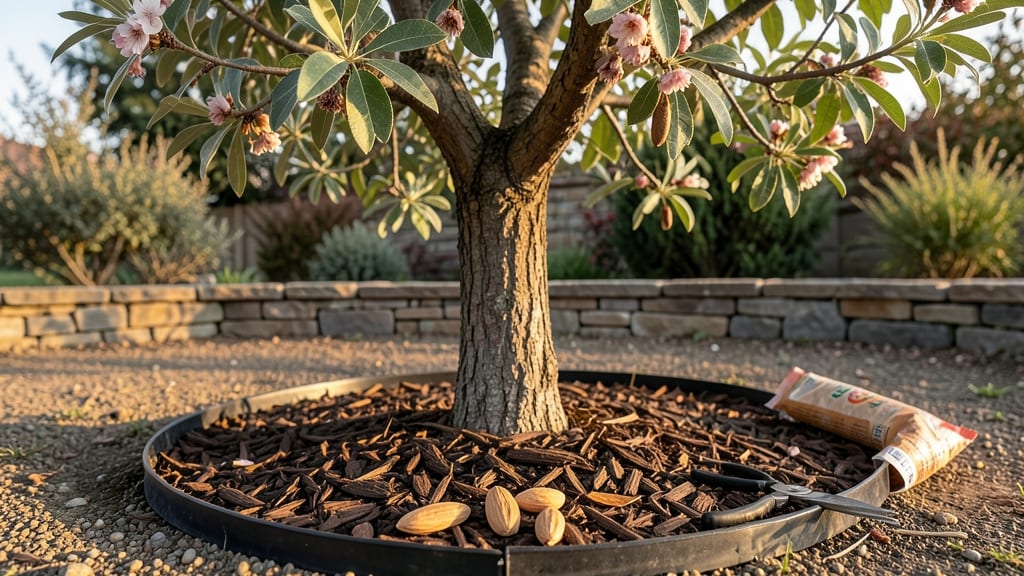
Growing a badam fruit tree from seed to harvest is simpler than you think—no green thumb required. I started with a single seedling in my backyard last spring, and now I’m harvesting sweet, crunchy nuts that taste like summer every year.
The key is patience and the right conditions, which I’ll break down step by step so you can skip the guesswork.
Badam trees thrive in USDA Zones 5-9, where winters stay above 10°F and summers don’t scorch them. They love well-draining, slightly alkaline soil—think sandy loam mixed with compost—and full sun for at least 6 hours a day.
Whether you start from seed (takes 3-5 years for nuts) or a sapling (faster harvest), the process is straightforward once you know the tricks.
You’ll water deeply once a week (more in summer heat), prune in late winter to shape the tree, and fertilize lightly in spring with balanced 10-10-10. By year 3, you’ll see your first flowers—and if pollinated, those iconic almonds by fall.
The best part? A mature tree keeps producing for decades with minimal effort.
Common pests like aphids or borers are easy to spot early, and a spray of neem oil usually does the trick. Harvest when the hulls turn brown but the nuts are still firm inside.
Store them in a cool, dry place for months, or crack them fresh for the ultimate snack. Ready to grow your own?
📚 In This Guide
- What you need
- Instructions
- Tips and common mistakes
- Wrapping up and next steps
What you need
- ● Almond tree saplings: Choose disease-resistant varieties (e.g., Nonpareil, Carmel, or Peerless). Buy from a reputable nursery—2-3 saplings for better pollination.
- ● Well-draining soil: Badam trees thrive in loamy, slightly alkaline soil (pH 6.0–8.0). Amend clay soil with compost or sand.
- ● Fertilizer: Balanced NPK (10-10-10) for young trees.
- ● Citric acid or zinc sulfate (if soil lacks micronutrients).
- ● Pruning tools: Bypass pruners (for small branches).
- ● Loppers (for thicker branches).
- ● Pruning saw (for large limbs).
- ● Disinfectant (70% isopropyl alcohol) to sterilize tools between cuts.
- ● Mulch: 3–4 inches of wood chips or straw to retain moisture and regulate soil temperature.
- ● Drip irrigation system or soaker hoses: Almond trees need deep, infrequent watering (avoid overhead sprinklers).
- ● Soil test kit: Ensures your soil meets the tree’s needs before planting.
- ● Tree ties or stakes: Supports young saplings in windy areas.
- ● Pest control: Neem oil (organic option for aphids/mites).
- ● Sticky traps for monitoring pests.
- ● Cold frame or frost cloth: Protects young trees in USDA Zones 5–6 during winter.
Step-by-step guide to growing a thriving badam tree
Here's my straightforward approach—no guesswork, just reliable results for your almond tree.
🌱 Step 1: Choose the Right Variety and Planting Site
Badam trees thrive in USDA zones 7-10, where winters stay above 20°F. If you live in colder areas, opt for cold-hardy varieties like 'Nonpareil' or 'Butte'. The tree needs full sun exposure—at least 8 hours daily—and well-draining soil with a slightly alkaline pH (6.5-7.5). Avoid low-lying spots where frost collects, as even young trees can suffer damage.
I always test soil drainage by digging a 12-inch hole, filling it with water, and checking if it drains within 2 hours. Slow drainage means amending with sand or gravel before planting. The tree’s root system spreads wide, so space 20-25 feet between multiple trees to prevent competition.
☀️ Step 2: Plant at the Correct Time and Depth
Plant bare-root trees in late winter or early spring, just as buds begin to swell. Container-grown trees can go in year-round in mild climates. Dig a hole twice as wide as the root ball but no deeper—planting too deep suffocates roots. Place the tree so the graft union (visible bump near the base) sits 2-3 inches above soil level to prevent rot.
Loosen roots gently if they’re circling, then spread them outward in the hole. Backfill with native soil mixed with compost (avoid fresh manure—it burns roots). Water deeply to settle soil, then add a 2-inch layer of mulch (like wood chips) around the base, keeping it 6 inches away from the trunk. This retains moisture and regulates soil temperature.
💧 Step 3: Water and Fertilize for Strong Early Growth
Young badam trees need deep watering once a week during the first year, soaking the root zone to 12 inches deep. Let the top 2 inches of soil dry between waterings—overwatering leads to root rot. Use a drip irrigation system for consistency, as surface watering wastes moisture and encourages weeds.
Fertilize lightly in early spring with a balanced 10-10-10 formula, applying ½ cup per year of tree age (max 2 cups for young trees). Avoid high-nitrogen fertilizers—they promote leafy growth at the expense of fruit production. I also side-dress with compost in fall to replenish organic matter naturally.
✂️ Step 4: Prune for Shape and Fruit Production
Prune in late winter or early spring before new growth starts. Remove dead, diseased, or crossing branches first, then thin out 20% of the canopy to improve airflow. Badam trees fruit on older wood, so avoid heavy pruning—focus on shaping rather than cutting back hard. Use clean, sharp pruners to make cuts at a 45-degree angle just above a bud.
Watch for suckers (shoots at the base) and remove them immediately—they divert energy from fruit production. I also prune out water sprouts (vertical shoots) to encourage a bushier, more productive tree. After pruning, apply a copper fungicide spray to prevent infections from open wounds.
🌿 Step 5: Monitor for Pests and Harvest at Peak Ripeness
Badam trees attract aphids, scale, and borers. Inspect leaves weekly for sticky residue (aphids) or tiny bumps (scale). Treat infestations early with neem oil or insecticidal soap. Borers require manual removal—drill out larvae and seal holes with pruning sealant.
Harvest nuts when the outer hull turns brown and splits open (typically late summer to fall, depending on variety). Shake the tree gently over a tarp to collect fallen nuts. Store them in a cool, dry place (like a mesh bag in the fridge) until ready to use. Don’t harvest too early—they won’t ripen further off the tree.
Tips & tricks for perfect badam fruit tree growth
Here's what nobody tells you about growing badam trees that actually bear fruit.
Site Selection Secret: When testing soil drainage in that 12-inch hole, I've found that clay-heavy soils often need more than just sand or gravel. Try mixing in perlite or coarse builder's sand for better long-term drainage. The tree's roots will thank you by growing stronger and deeper. This is especially important in zones 7-10 where summer heat can dry out soil quickly.
Planting Depth Trick: That 2-3 inches above soil level for the graft union is critical, but here's what I learned the hard way: If your soil settles after planting, the union might end up too low. I now add a small mound of soil in the center of the hole before placing the tree, then spread roots around it. This keeps the graft union properly elevated even after settling.
Watering Wisdom: The once-weekly deep watering is perfect, but timing matters just as much. I water in the early morning between 6-8 AM to minimize evaporation and fungal risks. For container-grown trees, I actually water every 3-4 days since pots dry out faster—just remember to check that top 2 inches of soil first.
Pruning Precision: When thinning that 20% of the canopy, focus on removing branches that grow inward or rub against each other. These are the ones that create weak spots where pests can enter. I also make a point to keep the center of the tree open—this improves airflow and helps prevent fungal diseases that can rot the fruit before harvest.
Pro Tips for Badam Fruit Tree
- Here's what nobody tells you about growing badam trees that actually bear fruit.
- Site Selection Secret: When testing soil drainage in that 12-inch hole, I've found that clay-heavy soils often need more than just sand or gravel.
- Planting Depth Trick: That 2-3 inches above soil level for the graft union is critical, but here's what I learned the hard way: If your soil settles after planting, the union might end up too low.
Frequently asked questions
Got questions about growing your own badam (almond) fruit tree? You’re not alone! Here are answers to the most common queries—from planting to harvest—to help you grow a thriving tree with minimal stress.
How long does it take for a badam tree to bear fruit?
A badam tree typically takes 3 to 5 years to produce its first harvest, depending on climate, soil quality, and care. Patience is key—young trees focus on root and branch growth before flowering. Pro tip: Prune wisely in the first few years to encourage a sturdy structure for future fruit production.
Can badam trees survive cold winters?
Yes! Badam trees are hardy in USDA zones 5–9, but they need protection in colder regions. Young trees benefit from mulching or wrapping the trunk in burlap. Mature trees handle frost well, but late spring frosts can damage blossoms. Troubleshooting: If buds blacken after frost, prune them back to encourage new growth.
What’s the best soil mix for a badam tree?
Badam trees thrive in well-draining, slightly alkaline soil (pH 6.5–7.5). Mix equal parts sandy loam, compost, and perlite for optimal growth. Avoid heavy clay, which can cause root rot. Alternative: If your soil is poor, plant in raised beds or containers with a 1:1 soil-to-perlite blend.
How do I protect my badam tree from pests?
Common pests include aphids, spider mites, and borers. Start with neem oil spray for soft-bodied insects. For borers, inject beneficial nematodes into the soil. Prevention tip: Keep the area around the tree weed-free and monitor for early signs of infestation (e.g., yellowing leaves or sawdust-like frass).
Can I grow badam trees in containers?
Dwarf varieties like ‘Nonpareil’ or ‘Texas’ thrive in 15–20 gallon pots with drainage holes. Use a fast-draining potting mix and repot every 2–3 years. Place containers in full sun (6+ hours/day) and water deeply when the top inch of soil is dry. Note: Move pots indoors if temps drop below 20°F (-7°C).
Wrapping up and next steps
Growing a badam (almond) fruit tree is a rewarding journey that blends patience with delicious results! With the right pruning techniques, soil care, and seasonal attention, you’ll enjoy a year-round harvest of nutritious almonds.
Whether you’re a beginner or seasoned gardener, these steps make the process simple and satisfying—so roll up your sleeves and get growing!
Ready to take the next step? Start small:
- 🌱 Pick a sapling (or graft your own!) from a trusted nursery.
- 📅 Mark your calendar for pruning seasons—spring and winter are key!
- 💡 Join a local gardening group for tips and troubleshooting.