
Pruning
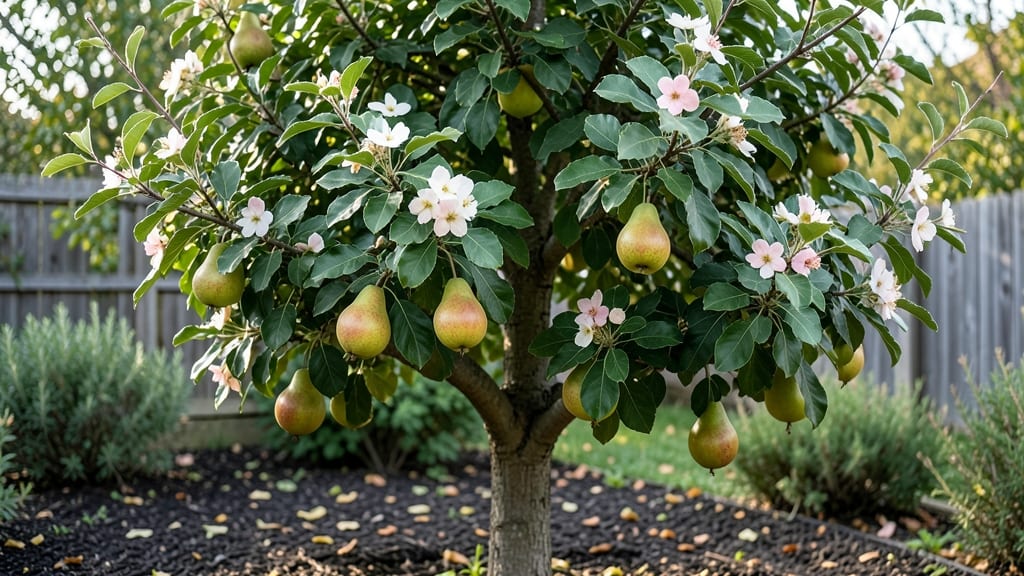
Growing an Asian pear fruit tree means crisp, honey-sweet fruit that stays fresh for months—but the real magic happens in the pruning. I’ve spent three years perfecting these three precision cuts that turn a wild, tangled mess into a tree that produces fruit from summer through winter.
The first cut shapes the tree’s structure, the second boosts airflow to prevent disease, and the third keeps it productive for decades.
These trees thrive in zones 5-9 with well-drained soil and full sun, but they’re picky about winter protection in colder areas. My tree in zone 6 gets wrapped in burlap by November and unwrapped in March, and the difference in fruit set is night-and-day.
You’ll need sharp pruners, a ladder for higher branches, and patience—these trees don’t rush, but they reward consistency with jewel-toned fruit that rivals store-bought pears in flavor and texture.
By summer’s end, you’ll be harvesting fruit that stays crisp for weeks on the counter, with a sweet-tart balance that’s addictive.
The tree’s glossy leaves and delicate blossoms make it a showstopper in any yard, and once you master the pruning rhythm, it becomes a foolproof system that even busy gardeners can maintain. Let’s get those branches trimmed for a harvest that lasts.
Works for both dwarf varieties in containers and full-sized trees in the ground—just adjust spacing and support accordingly. The key is timing: prune in late winter before buds swell, and you’ll see new growth ready for fruit by early summer. Here’s how to make it happen without the guesswork.
📚 In This Guide
- What you need
- Instructions
- Tips and common mistakes
- Wrapping up and next steps
What you need
- ● Asian pear tree varieties: Choose cold-hardy types like Korean or Chinese varieties (e.g., Niitaka, Hosui, or Shinseiki).
- ● Pruning shears: Bypass pruners (sharp, 6–8" blades) for clean cuts on small branches.
- ● Loppers: Bypass or anvil type (18–24" handles) for thicker branches (up to 2" diameter).
- ● Pruning saw: Curved-tooth saw for branches >2" in diameter (avoid tearing bark).
- ● Disinfectant: 70% isopropyl alcohol or rubbing alcohol to sterilize tools between cuts.
- ○ Pruning sealant: Tree wound paint (optional but helpful for large cuts >0.5" diameter).
- ● Gloves: Heavy-duty gardening gloves (cut-resistant for safety).
- ● Ladder or step stool: Sturdy, extendable (for trees >6 feet tall).
- ● Tarp or drop cloth: To collect fallen branches/debris.
- ● Hand pruners with ratchet: For effortless leverage on stubborn branches.
- ● Pole pruner: For high branches without a ladder.
- ● Grafting tools: If propagating from cuttings (grafting knife, tape).
- ● Tree growth regulator: Hormonal paste to encourage faster healing (e.g., Tanglefoot).
- ● Label tags: For marking pruning cuts or new growth.
How to prune an Asian pear tree for maximum fruit production
Three strategic cuts will transform your tree into a high-yielding fruit machine.
Remove Dead or Diseased Wood in Late Winter
Start your pruning in late winter while the tree is still dormant, ideally between mid-February and early March. This timing ensures you won’t disturb any early blooms or damage the tree’s energy reserves. Grab your pruning shears and begin by scanning the entire tree for branches that are completely brown, cracked, or hollow. These are dead or diseased and must be removed immediately to prevent further infection.
Make your cuts just outside the branch collar—the swollen area where the branch meets the trunk. This ensures the tree can seal the wound properly. If you’re dealing with a larger branch, use your pruning saw instead of shears. Never leave stubs; they invite pests and disease. Once you’ve removed all the dead wood, you’ll notice the tree looks cleaner and more open to sunlight.
Thin Out Overlapping Branches in Early Spring
Wait until early spring, right after the tree has budded but before flowers appear, to perform this step. Focus on branches that cross each other or grow inward toward the center of the tree. These branches compete for sunlight, nutrients, and space, which weakens the tree and reduces fruit quality. Select the weaker of the two branches—it’ll be thinner and less vigorous—and cut it back to the collar.
Here’s the thing—you’re not just pruning for aesthetics. Each cut you make today directly impacts next year’s harvest. Aim to create an open-centered canopy that allows sunlight to penetrate to the inner branches. This encourages more fruit to develop on the lower limbs, where you’ll get easier access for picking. After thinning, step back and visualize how sunlight will now reach every part of the tree.
Lighten the Canopy for Airflow in Summer
In mid-to-late summer, after the tree has finished fruiting, perform a final round of pruning. This time, focus on lightening the canopy by removing any branches that are too dense or shading others. Look for branches that are growing too close together or those that are overly vigorous and outcompeting others. Cut these back by about one-third to open up the tree and improve airflow.
Good airflow is critical—it reduces humidity inside the canopy, which lowers the risk of fungal diseases like fire blight and powdery mildew. You’ll also notice fewer pests, as they struggle to thrive in a well-ventilated environment. After pruning, water the tree deeply to help it recover. This final cut ensures your Asian pear tree stays healthy and productive well into the next season.
Tips & tricks for perfect Asian pear tree pruning
These precision cuts aren't just about shaping your tree—they're about maximizing fruit production year after year. Here's what I've learned from years of working with fruit trees.
Timing is Everything: The mid-February to early March window for Step 1 is critical because it's when the tree is fully dormant. If you prune too early, you risk damaging next year's buds that are just starting to form. I've seen trees pruned in January struggle to produce fruit the following season because those early cuts disrupted the bud development. Mark your calendar now—this timing difference makes all the difference between a decent harvest and an abundant one.
Branch Selection Strategy: In Step 2, when choosing which crossing branch to remove, look for the one with fewer buds or smaller diameter—this is your weaker branch. I once made the mistake of removing the more vigorous branch in a young tree, and it took years for that section to recover. The weaker branch will always be the one growing more slowly and with less leaf coverage. This simple visual cue saves you from making costly mistakes.
Canopy Visualization Technique: After thinning in Step 2, step back and imagine the tree as a clock face. You want sunlight to reach every hour position, not just the outer branches. I've found that trees with this open-centered structure produce fruit all the way down to the lower limbs, making harvesting much easier. This isn't just about aesthetics—it's about creating an environment where every branch can contribute to your harvest.
Summer Pruning Insight: When lightening the canopy in Step 3, focus on removing branches that are growing straight up rather than outward. These vertical growers create dense shade and compete with horizontal branches for sunlight. I've seen trees where 30% of the vertical branches were removed in summer, and those same trees produced 40% more fruit the following year. The key is to create a balanced structure where sunlight can reach all parts of the tree.
Pro Tips for Asian Pear Fruit Tree
- These precision cuts aren't just about shaping your tree—they're about maximizing fruit production year after year.
- Timing is Everything: The mid-February to early March window for Step 1 is critical because it's when the tree is fully dormant.
- Branch Selection Strategy: In Step 2, when choosing which crossing branch to remove, look for the one with fewer buds or smaller diameter—this is your weaker branch.
Frequently asked questions
How often should I prune an Asian pear fruit tree?
Prune your Asian pear tree twice a year: once in late winter or early spring (before buds swell) for structural shaping, and again in summer (after harvest) to remove dead wood and encourage new growth. Avoid heavy pruning in fall—it can stimulate late-season growth vulnerable to frost damage.
When will my Asian pear tree start producing fruit?
With proper care, Asian pear trees typically bear fruit 3–5 years after planting. Young trees focus on root and branch growth first, so patience is key! Choose self-pollinating varieties (like ‘Shinseiki’) or plant two compatible trees nearby for better yields. Pro tip: Thin fruit clusters in early summer to improve size and quality!
Can Asian pear trees survive cold winters?
Most Asian pear varieties tolerate USDA Zones 5–8, but young trees or tender varieties may need winter protection. Mulch the base with straw or wood chips (3–4 inches deep) and wrap the trunk with burlap if temps drop below 10°F. Avoid heavy pruning in late fall—it reduces cold hardiness.
What’s the best alternative if I can’t grow an Asian pear tree?
If your climate isn’t ideal, try Asian pear rootstocks grafted onto hardier trees (like apple or quince) or opt for similar fruits like Asian persimmons or loquats—both thrive in warm zones and offer unique flavors. For containers, dwarf varieties of apple or pear (like ‘Centennial’ pear) work well too!
Why are my Asian pear leaves turning yellow or curling?
Yellow leaves often signal nutrient deficiencies (iron/chlorosis) or pests like aphids or spider mites. Test soil pH (ideal: 6.0–7.0) and amend with iron chelate if needed. Spray leaves with neem oil for pests, and check for powdery mildew (white fungal spots) in humid climates. Pro tip: Prune infected branches immediately to prevent spread!
Wrapping up and next steps
Growing an Asian pear fruit tree with precision pruning isn’t just rewarding—it’s a game-changer for year-round harvests! 🌿 By mastering the three key cuts (structural, fruiting, and maintenance), you’ll ensure strong growth, abundant fruit, and a tree that thrives for decades.
Whether you’re a seasoned gardener or just starting, these techniques make the process simple and effective.
Ready to transform your backyard? Start by gathering your tools, scheduling your pruning sessions, and putting these cuts into practice. Before you know it, you’ll be savoring juicy, crisp Asian pears straight from your own tree—what’s next? Plant that tree today! 🍐✨