
Pruning
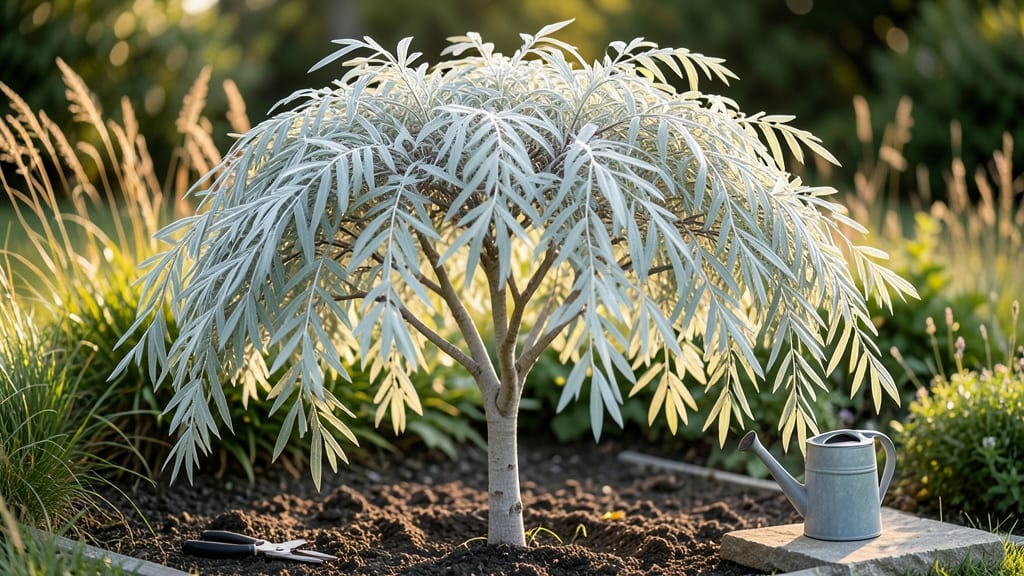
Transforming the Arctic Blue Willow tree from a wild, sprawling mess into a structured, elegant centerpiece keeps its signature blue-gray foliage sharp all year—here’s how I’ve pruned mine every winter for five seasons. night-and-day—neater branches, better airflow, and that willow’s signature weeping habit stays intentional, not chaotic.
The key is timing and technique: prune in late winter or early spring before new growth starts, and always cut just above a bud or branch junction. You’ll shape it into the graceful arch you want while encouraging dense, vibrant foliage.
Most gardeners over-prune, but this willow forgives mistakes—it grows back fast, so you can always adjust.
What you end up with is a tree that stays compact, healthy, and show-stopping from January through December. The blue-gray leaves contrast beautifully with spring blooms, and the weeping branches add movement to any landscape.
Plus, it handles cold better than most willows, so you won’t lose branches to winter snaps.
Works for urban yards, cottage gardens, or even large containers—just give it space to spread its arms. Here’s how to do it right, step by step.
📚 In This Guide
- What you need
- Instructions
- Tips and common mistakes
- Wrapping up and next steps
What you need
- ● Pruning shears: Bypass pruners (sharp, clean, and disinfected with rubbing alcohol or a 10% bleach solution). Recommended: Felco F-2 or similar.
- ● Loppers: For thicker branches (1–2 inches in diameter). Look for bypass-style loppers with a 4–6 foot handle for leverage.
- ● Hand saw: Pruning saw with a fine-toothed blade (for branches over 2 inches thick). Pro tip: 💡 A bow saw works best for willows!
- ● Gloves: Heavy-duty gardening gloves (waterproof, with reinforced palms) to protect against thorns and sap.
- ● Disinfectant: 70% isopropyl alcohol or a 10% bleach solution (1 part bleach to 9 parts water) to sterilize tools between cuts.
- ● Rags or paper towels: For wiping down tools and absorbing sap.
- ○ Pruning sealant: Optional but helpful for large cuts (e.g., Tanglefoot Tree Wound Pruning Seal or beeswax-based products).
- ● Ladder or step stool: If your tree is over 6 feet tall, ensure it’s stable and non-slip.
- ● Trash bags or bucket: For collecting pruned branches and debris.
- ● Weather: Prune on a dry, cool day (avoid frost or extreme heat). Best months: Late winter or early spring (before new growth sprouts).
- ● Safety gear: Safety glasses (to protect against debris) and closed-toe shoes.
- ● Tree health check: Inspect for diseased or dead branches (they’ll snap easily—remove them first!).
- ● Plan ahead: Sketch a rough pruning map of your tree’s structure to avoid over-thinning.
- ● Sharpener: A file or sharpening stone to maintain tool edges.
- ● Extension pole: For high branches (e.g., Fiskars X27 Extendable Pole Saw).
- ● Tree tie or zip ties: To secure branches if you’re doing major structural pruning.
- ● Mulch: Organic mulch (like shredded bark) to replenish soil after pruning.
- ● Camera: Snap before/after photos to track progress!
Step-by-Step guide to pruning arctic blue willow trees for health and shape
This elegant tree thrives with strategic pruning—here’s how to maintain its graceful form while keeping it strong through harsh winters.
Time Your Pruning for Optimal Growth
Prune your Arctic Blue Willow in late winter or early spring, just as new growth begins but before buds break. This timing ensures you remove dead wood while encouraging vigorous spring growth. Avoid pruning in fall, as new growth may not harden off before winter, leaving it vulnerable to cold damage.
If you must prune in summer, do so after flowering to avoid disrupting the tree’s energy reserves. Summer pruning should be minimal—focus only on removing dead or diseased branches. The tree’s natural weeping habit means it rarely needs heavy structural pruning, but light maintenance keeps it looking its best.
Remove Dead, Diseased, or Weak Branches First
Start by inspecting the tree for dead, diseased, or crossing branches. Dead wood is easy to spot—it’s brittle, lacks bark, and may have no leaves. Use clean, sharp pruning shears to make 45-degree cuts just outside the branch collar (the swollen area where the branch meets the trunk). This prevents unsightly stubs and promotes faster healing.
If you find branches rubbing against each other, remove the smaller one to prevent bark damage. Willow trees are prone to canker diseases, so any branch with oozing sap, fungal growth, or sunken lesions should be cut back to healthy wood. Sterilize your tools with rubbing alcohol between cuts to prevent spreading pathogens.
Shape the Tree for Balance and Airflow
The Arctic Blue Willow’s natural weeping form is its signature, but light shaping improves airflow and reduces disease risk. Focus on thinning out dense areas rather than shearing indiscriminately. Remove branches that grow inward or downward excessively, as these can block sunlight and trap moisture.
For a more structured look, you can lightly prune the outer branches to encourage a slightly bushier silhouette. Never remove more than 25% of the tree’s foliage in one season—this stresses the tree and weakens its cold hardiness. Step back frequently to assess balance; the goal is to maintain the tree’s graceful, cascading habit while keeping it sturdy.
Encourage New Growth with Strategic Cuts
To stimulate fresh growth, make heading cuts just above a healthy bud or lateral branch. Avoid leaving stubs—always cut back to a leaf node or outward-facing bud to encourage growth in the right direction. Willow trees respond well to pruning, often sending out vigorous new shoots from the base or along branches.
If your tree has become leggy, prune the longest, most upright branches by one-third to promote bushier growth. This is especially useful for younger trees still establishing their form. Avoid over-pruning—willows are resilient but can suffer from excessive cuts, leading to weak regrowth or increased susceptibility to pests.
Clean Up and Prepare for Winter
After pruning, remove all debris from the ground around the tree to prevent fungal growth. Dispose of diseased branches immediately—do not compost them. Rake up fallen leaves and prunings, and consider applying a 2-inch layer of mulch (using the 4 cubic feet of mulch from your materials) around the base to insulate roots and retain moisture.
If your tree is young or in a particularly harsh climate, consider wrapping the trunk with tree guard or burlap in late fall to protect it from sunscald or rodent damage. Water deeply before the first hard frost to ensure the roots are hydrated for winter. Pruning in late winter (just before buds swell) sets the stage for a strong growing season ahead.
Tips & tricks for perfect arctic blue willow tree pruning
Real talk: Pruning this stunning tree isn't just about cutting branches—it's about understanding its natural rhythm and working with it. Here's what nobody tells you about keeping your Arctic Blue Willow thriving through winter and beyond.
Seasonal Timing is Everything: The late winter/early spring window (just before buds swell) is critical because this is when the tree's energy reserves are at their peak for new growth. I've learned the hard way that pruning too early can leave your tree vulnerable to winter's harshest conditions, while waiting too long means you're cutting into next season's growth potential. If you must prune in summer, do it after flowering—this prevents disrupting the tree's energy reserves that it needs for winter survival.
The 45-Degree Cut Secret: When removing branches in Step 2, that 45-degree angle isn't arbitrary—it's about promoting faster healing and preventing water from pooling in the cut. I've seen too many pruning jobs leave ugly stubs that become entry points for disease. Always cut just outside the branch collar, and use clean, sharp tools to make crisp cuts that seal properly. Sterilizing your tools between cuts (with rubbing alcohol) might seem like overkill, but it's what separates healthy trees from those battling fungal infections.
Strategic Thinning Over Heavy Pruning: The 25% foliage limit in Step 3 isn't just a random number—it's based on the tree's ability to photosynthesize enough energy to survive winter. I've watched willows struggle after aggressive pruning, only to recover slowly. Focus on thinning dense areas to improve airflow, which dramatically reduces disease risk. For leggy trees, pruning the longest branches by one-third stimulates bushier growth without shocking the tree—this is especially valuable for younger specimens still establishing their form.
Winter Protection Details: That 2-inch layer of mulch mentioned in Step 5 isn't just for show—it creates a thermal barrier that protects roots from extreme temperature fluctuations. For young trees in harsh climates, I've found that wrapping the trunk with tree guard provides an extra layer of protection against sunscald and rodent damage. And here's the thing about watering before frost: it's not just about hydration—it's about creating ice crystals in the soil that act as insulation for the roots during winter's coldest nights.
Pro Tips for Arctic Blue Willow Tree
- Real talk: Pruning this stunning tree isn't just about cutting branches—it's about understanding its natural rhythm and working with it.
- Seasonal Timing is Everything: The late winter/early spring window (just before buds swell) is critical because this is when the tree's energy reserves are at their peak for new growth.
- The 45-Degree Cut Secret: When removing branches in Step 2, that 45-degree angle isn't arbitrary—it's about promoting faster healing and preventing water from pooling in the cut.
Frequently asked questions
Got questions about pruning your Arctic Blue Willow Tree? You’re not alone!
This cold-hardy beauty thrives with the right care, but timing, techniques, and troubleshooting can feel tricky. Below, we’ve answered the most common questions to keep your willow looking its best year-round.
When is the best time to prune an Arctic Blue Willow Tree?
The ideal time to prune is late winter or early spring (before new growth begins). This helps shape the tree while it’s dormant and prevents disease spread. Avoid pruning in fall—new growth may not harden off before frost. For light shaping, you can also prune in early summer, but avoid heavy cuts then.
How much can I prune without harming the tree?
You can safely remove up to 25-30% of the tree’s foliage in one season, but avoid drastic cuts. Focus on thinning out crowded branches and removing dead or crossing limbs. Over-pruning weakens the tree, so space major cuts over a few years. Arctic Blue Willows are resilient but benefit from gradual shaping!
What if my willow’s branches turn brown or die after pruning?
Brown or dead branches can happen if cuts are too severe or made at the wrong time. If only a few branches suffer, they’ll likely regrow in spring. For persistent issues, check for disease or pest damage (like willow borers) and prune those areas. Always use sterilized tools to prevent infections.
Can I prune an Arctic Blue Willow in winter, even when it’s dormant?
Yes! Pruning dormant willows in late winter (before buds swell) is ideal—it’s easier to see the tree’s structure and reduces stress. However, avoid pruning during extreme cold snaps (<32°F/0°C), as frozen wood is harder to cut cleanly. If you must prune in winter, do it on a mild day and seal larger cuts with pruning sealant.
What’s a good alternative if my willow keeps growing out of shape?
If pruning isn’t enough, consider training the tree with stakes or a trellis while young. For mature trees, selective pruning every 2–3 years (instead of annual heavy cuts) often works better. You can also top the tree lightly in spring to encourage bushier growth, but avoid aggressive topping—it can lead to weak, water-sprout growth.
Wrapping up and next steps
The Arctic Blue Willow Tree is a stunning, cold-hardy beauty that thrives with proper pruning—transforming it into a year-round showstopper. By mastering the right techniques, you’ll encourage vibrant growth, prevent disease, and keep its graceful form intact.
Whether you’re a seasoned gardener or a beginner, the key is patience and consistency!
Ready to give your willow tree the care it deserves? Grab your pruners, review the tips above, and schedule your first pruning session this season! Your tree—and your garden—will thank you with lush, healthy foliage for years to come. 🌿✨