
Pruning
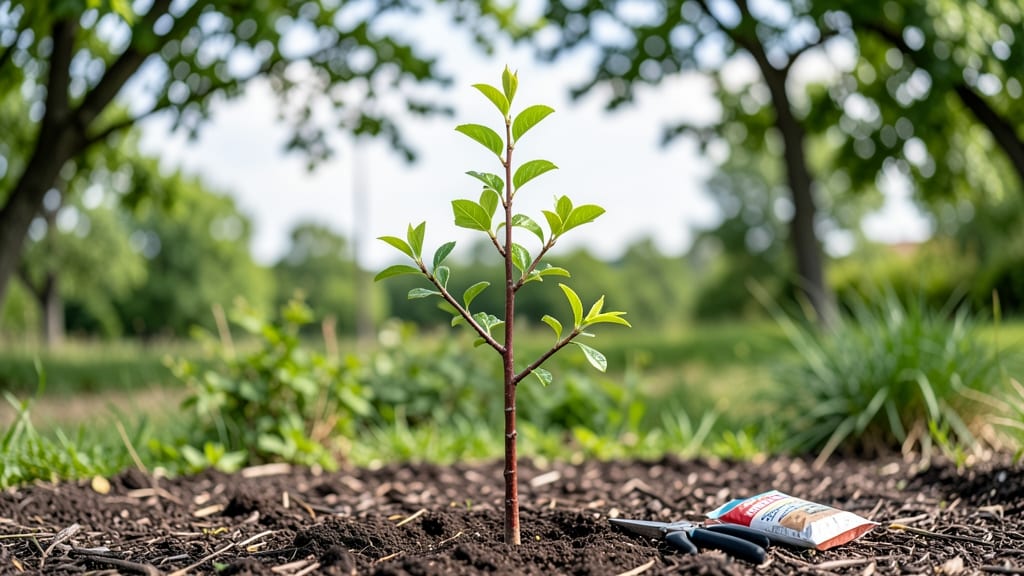
Planting an apricot tree sapling this fall means waking up to blushing spring blooms and sweet summer fruit—if you pick the right cold-hardy variety. I learned the hard way that tender apricots need protection, but these resilient types thrive even in chilly zones.
The key is starting with a sapling that’s bred to handle your climate, not just any nursery plant.
You’ll need well-draining soil with a pH of 6.0-7.0, full sun (at least 6-8 hours daily), and a spot sheltered from late frosts. Saplings under 3 feet tall need 1-2 gallons of water weekly the first year, while deeper roots mean less frequent watering later.
Prune in late winter to shape the tree and remove dead wood—this keeps energy focused on fruit production.
By summer, you’ll see glossy green leaves and the first hints of those iconic peach-orange blossoms. With proper care, your tree will reward you with harvests for decades, though early fruit might need frost blankets.
The real magic happens in year three, when branches bend under the weight of ripe apricots—sweet, juicy, and worth every cold snap you survived.
Cold-hardy varieties like ‘Goldbar’ or ‘Moorpark’ handle down to 15°F, making them perfect for zones 5-7. Just avoid planting in low spots where frost lingers. Next up: soil prep and the best time to get that sapling in the ground.
📚 In This Guide
- What you need
- Instructions
- Tips and common mistakes
- Wrapping up and next steps
What you need
- ● Apricot tree sapling: Choose a cold-hardy variety (e.g., ‘Goldbar’, ‘Moongold’, or ‘Royal’), 1–3 years old, with a sturdy root system.
- ● Well-draining soil: 50% native soil + 50% organic matter (compost or aged manure). Test pH (ideal: 6.0–7.0).
- ● Planting hole: 2–3 times wider than the root ball, same depth. Loosen soil at the bottom.
- ● Mulch: 2–3 inches of wood chips or straw (keep 3–4 inches away from the trunk).
- ● Watering can or hose: With a gentle spray nozzle (1–2 gallons per watering).
- ● Garden trowel or spade (for digging).
- ● Pruning shears (sterilized with rubbing alcohol).
- ● Glove (gardening or work gloves for protection).
- ○ Stake and ties (optional, for young saplings in windy areas).
- ● Fertilizer (balanced 10-10-10 or slow-release granulated, only after 6–8 weeks).
- ● Soil moisture meter (to monitor watering needs).
- ● Tree guard or protective fence (to deter animals).
- ● Epsom salt (1 tbsp in water, applied once in early spring for magnesium).
- ● Cold-frame or frost cloth (for young trees in late frosts).
Step-by-step guide for planting cold-hardy apricot saplings
Here's how I plant apricot saplings to ensure strong roots and vibrant spring blooms—tested in cooler climates.
🌱 Step 1: Choose the Perfect Planting Site
Apricots thrive in full sun, so pick a location that gets at least 6-8 hours of direct sunlight daily. Avoid low spots where cold air settles, as these trees are sensitive to late frosts. I always check the microclimate—some spots near my house stay warmer than others, even in winter.
Test the soil drainage by digging a hole and filling it with water. If it doesn’t drain within 2-3 hours, amend the soil with 2-3 inches of compost mixed into the top 12 inches of soil. Apricot roots hate soggy conditions, and poor drainage leads to root rot.
🪴 Step 2: Prepare the Hole and Plant Correctly
Dig a hole twice as wide as the sapling’s root ball but no deeper. The top of the root ball should sit 1-2 inches above ground level—this prevents water from pooling around the trunk. I always loosen the roots slightly if they’re circling tightly in the container.
Backfill the hole with native soil mixed with 1-2 gallons of compost to encourage root expansion. Press the soil gently around the roots to remove air pockets, then water deeply to settle everything. The soil should feel moist but not waterlogged after soaking in.
☀️ Step 3: Water and Mulch for First-Year Success
Water the sapling twice a week for the first month, then taper to once a week unless it’s extremely hot or dry. You’ll know it’s getting enough water when the top 2-3 inches of soil stay consistently moist but not soggy. Overwatering is a common mistake—apricots are drought-tolerant once established.
Spread 2-3 inches of mulch (wood chips or straw) around the base, keeping it 3-4 inches away from the trunk to prevent rot. Mulch helps retain moisture and regulates soil temperature, which is especially important in spring when roots are still developing.
✂️ Step 4: Prune and Protect for Winter Readiness
In late winter, before buds swell, prune out any dead or crossing branches using clean, sharp pruners. I remove no more than 20-25% of the canopy to avoid stressing the tree. Apricots bloom on old wood, so avoid heavy pruning in fall or winter.
Wrap the trunk with tree guard or burlap in late fall to protect it from sunscald and rodent damage. Cold-hardy varieties still need this extra care in their first few winters. I also apply a 2-inch layer of mulch around the base for added insulation.
Tips & tricks for planting cold-hardy apricot saplings
Cold-hardy apricot saplings need special care to thrive in cooler climates—and these tricks make all the difference.
Sunlight Strategy: While the instructions call for 6-8 hours of sunlight, I recommend planting on the south or southwest side of your property. This gives your sapling the longest possible exposure to warm afternoon sun, which is crucial for fruit development in cooler zones. If your yard has limited sun, consider a microclimate near a building or fence that absorbs heat during the day.
Root Ball Inspection: Before planting, gently separate the root ball from the container to check for circling roots. If you find roots growing in tight circles around the edge, use a clean knife to make 2-3 vertical cuts along the sides—this encourages outward root growth instead of the compacted pattern that stunts development. The instructions mention loosening roots if they're circling, but this extra step makes a noticeable difference in first-year growth.
Compost Quality Check: The instructions specify using 2-3 inches of compost mixed into the top 12 inches of soil, but not all compost is created equal. For best results, use well-aged compost with a dark, crumbly texture—avoid fresh manure or compost that still smells strong. Cold-hardy apricots need nutrient-rich soil to establish strong roots quickly, and high-quality compost provides the perfect foundation without overwhelming the young tree.
Winter Protection Upgrade: While the instructions recommend wrapping the trunk with tree guard, I add an extra layer of protection by placing a small burlap sack filled with straw around the base in late fall. This creates an insulating barrier that helps regulate soil temperature and prevents frost heave. Remove it in early spring once the ground begins to thaw—this simple addition has helped my saplings survive winters with temperatures dropping below 0°F.
Pro Tips for Apricot Tree Sapling
- Cold-hardy apricot saplings need special care to thrive in cooler climates—and these tricks make all the difference.
- Sunlight Strategy: While the instructions call for 6-8 hours of sunlight, I recommend planting on the south or southwest side of your property.
- Root Ball Inspection: Before planting, gently separate the root ball from the container to check for circling roots.
Frequently asked questions
Got questions about growing apricot tree saplings? You’re in the right place! Here are answers to the most common queries to help you nurture a thriving tree with confidence.
What’s the best time to plant an apricot tree sapling?
Plant your apricot sapling in early spring (just as buds swell) or late fall (before the first frost). This gives roots time to establish before summer heat or winter cold. Avoid planting in extreme heat—saplings need moisture to settle in!
Are apricot trees really cold-hardy? Which varieties survive best?
Yes! Cold-hardy apricot varieties like ‘Gold Bar’ or ‘Moongold’ tolerate down to -25°F (-32°C). For extra protection, plant in a sheltered spot (like near a south-facing wall) and mulch heavily in winter. Young trees may need winter wraps for the first few years.
How much sunlight does an apricot sapling need?
Apricot trees are sun lovers! They thrive in full sun (6–8+ hours daily). Too little light = fewer blooms and smaller fruit. If your yard is shady, consider a dwarf variety or container growing (though fruit yield will be limited).
Why aren’t my apricot sapling’s leaves turning green?
Yellow or pale leaves often signal nutrient deficiency (like iron or nitrogen) or overwatering. Test soil pH (ideal: 6.0–7.0) and amend with compost. If roots are waterlogged, improve drainage. Pro tip: A slow-release fertilizer in spring can boost growth!
Can I grow an apricot tree in a container? What size pot do I need?
Yes! Use a 15–20 gallon pot with drainage holes and well-draining soil. Dwarf varieties like ‘Nucellar’ apricots work best. Move pots to a sunny spot in winter (if temps drop below 10°F (-12°C)) and prune annually to control size. Expect smaller fruit but bountiful blooms!
How often should I prune my young apricot sapling?
Prune once a year, right after harvest (late summer) or in late winter (before buds swell). Remove dead/diseased branches, thin crowded growth, and shape the tree to improve airflow. Avoid heavy pruning—apricots fruit on last year’s wood, so keep it balanced!
Wrapping up and next steps
Growing a cold-hardy apricot tree sapling is a rewarding way to enjoy vibrant spring blooms and delicious fruit—even in cooler climates! 🌸 With the right variety (like ‘Goldbar’ or ‘Moorpark’) and proper care, you’ll set the stage for years of success.
Remember, pruning in late winter and protecting young trees from frost are key to thriving growth.
Ready to take the next step? Start by selecting your sapling from a trusted nursery and give it the love it deserves. Happy planting—your future orchard awaits! 🌱