Pruning
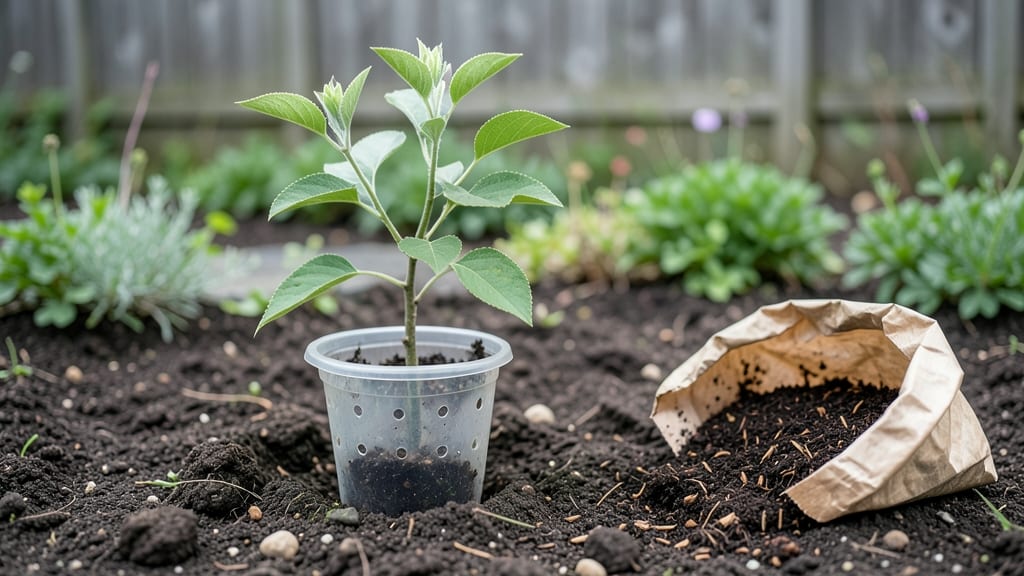
Growing apple trees from seeds lets you start with a blank slate—though the fruit won’t match the store-bought variety. I’ve learned the hard way that patience and the right timing turn those tiny seeds into sturdy saplings in just 90 days.
The key? A chill-resistant germination trick that mimics winter’s cold spell without freezing your patience.
You’ll need a few simple supplies: apple seeds (from a favorite variety), damp paper towels, a plastic bag, and a sunny windowsill or grow light. The process isn’t about fancy equipment—it’s about foolproof stratification to break dormancy.
Most seeds sprout within 2-3 weeks of cold treatment, and you’ll watch those first green shoots push through in under a month.
What you end up with is a young tree that’ll need careful transplanting into soil by spring. It’ll grow faster than you expect, with 3-4 foot stems by its first year—though the fruit won’t be edible for years.
The real reward? Knowing you grew it from scratch, with roots (literally) in your own backyard.
This method works best in zones 5-8, but even warmer climates can adapt with extra cold treatment. The trade-off? Seedlings may not fruit true to the parent tree, but the adventure of growing one from scratch makes it worth it. Ready to start your orchard journey?
📚 In This Guide
- What you need
- Instructions
- Tips and common mistakes
- Wrapping up and next steps
What you need
- ● Apple seeds: 5–10 fresh, viable seeds (harvested from a preferred apple variety). Pro tip: 💡 Store seeds in a damp paper towel in the fridge (32–40°F) for 4–6 weeks to simulate winter chilling!
- ○ Small pots or seed trays: 4–6 (4–6 inches deep) with drainage holes. Optional: Biodegradable peat pots for easy transplanting.
- ● Potting mix: 1 bag (1–2 cubic feet) of well-draining, seed-starting mix (or a 50/50 blend of peat moss and perlite).
- ● Plastic wrap or humidity dome: To retain moisture during germination.
- ● Spray bottle: For gentle watering (avoid over-saturating seeds).
- ● Grow lights or sunny windowsill: A 6-inch LED grow light (or natural light, 6+ hours/day).
- ● Thermometer: To monitor soil temp (ideal: 60–70°F for germination).
- ○ Pruning shears (small): For trimming seedlings later (optional but helpful).
- ● Seed stratification kit: If you want to skip the DIY fridge method.
- ● Fungicide: 1 tsp per gallon of water (to prevent damping-off disease).
- ● Label markers: To track seed varieties (if testing multiple apples!).
- ● Heat mat: For faster germination (set to 70–75°F).
How to germinate apple tree seeds for cold-hardy saplings
Here's the straightforward method I've used to grow sturdy apple seedlings ready for outdoor planting.
Extract and Prepare the Seeds
Start by selecting fresh, plump apple seeds from a variety you love. Remove them from the fruit and rinse off any remaining flesh. I like to spread them on a paper towel to dry overnight—this prevents mold from forming during storage. Store the dried seeds in a sealed container in the refrigerator for 6-8 weeks to complete the cold stratification they need to break dormancy.
This chilling mimics winter conditions, tricking the seed into thinking it's time to grow. If you skip this step, germination rates drop dramatically. I mark the container with the date so I don't forget when the stratification period ends.
Sow Seeds in Moist Starting Mix
Fill small pots with sterile seed-starting mix—I use 2-3 inch deep containers for each seed. Moisten the mix until it's damp but not soggy. Plant one seed per pot at a depth of about ½ inch, pressing lightly to ensure good soil contact. This depth prevents the seed from drying out while still allowing room for the root to establish.
I tap the pot gently on the table to settle the soil around the seed. Cover the pot with plastic wrap to maintain humidity, which helps prevent the seed from drying out during germination. Place the pots in a warm spot, ideally around 70-75°F, where they'll stay until sprouts appear.
Provide Warmth and Monitor for Sprouts
Keep the soil consistently moist but not waterlogged—this is where many beginner gardeners go wrong. I check the moisture level by sticking my finger into the soil; it should feel damp about 1 inch down. Germination typically takes 3-6 weeks, but some seeds may take longer, especially if they didn't fully complete stratification.
Once the first sprouts appear, remove the plastic wrap immediately to prevent fungal growth. Place the pots in bright, indirect light to avoid shocking the seedlings. You'll know they're ready for more light when the first true leaves (not the initial seed leaves) appear—this usually happens within 2-3 weeks after germination.
Transition to Outdoor Conditions
After the seedlings have 3-4 sets of true leaves, it's time to harden them off. Start by moving them outdoors for 1-2 hours on a mild day, gradually increasing their time outside over 10-14 days. This slow adjustment helps them adapt to wind, sun, and temperature fluctuations without shock.
Once hardened off, transplant the seedlings into larger pots or directly into the ground in a well-draining location. Choose a spot with full sun and protect young trees from strong winds. Mulch around the base to retain moisture and regulate soil temperature, which is especially important in the first growing season.
Maintain and Support Growth
Water deeply once a week, ensuring the soil stays moist but not waterlogged. Apple seedlings need consistent moisture to establish strong roots. I use a 5-gallon watering can to deliver water slowly and evenly, avoiding splashing on the leaves to prevent disease.
Fertilize lightly with a balanced, slow-release fertilizer every 4-6 weeks during the growing season. Avoid over-fertilizing, as this can lead to weak, leggy growth. Prune any damaged or diseased branches promptly to keep the seedlings healthy and encourage strong structure.
Tips & tricks for perfect apple tree seed germination
Here's what I've learned after years of growing apple seedlings that thrive in cold climates.
Stratification Precision: The 6-8 week cold stratification in your fridge is non-negotiable for breaking dormancy. I place my seeds in a sealed container with a damp paper towel to maintain moisture without creating a soggy environment. Mark the container with the start date—this helps you track exactly when the stratification period ends. If you're impatient, you can extend this to 12 weeks for seeds that might need extra time to break dormancy.
Seedling Light Transition: When moving seedlings from warm indoor conditions to outdoor hardening, I start with just 1-2 hours on mild days. This gradual approach prevents shock—think of it like acclimating yourself to cold weather. Use a small fan on low setting near the seedlings during this period to help them develop stronger stems. This mimics natural wind conditions and creates more resilient plants.
Soil Moisture Secret: The soil should feel like a wrung-out sponge—damp but not dripping. I test this by sticking my finger about 1 inch deep; if it comes out clean, it's time to water. Overwatering is the fastest way to kill seedlings, while underwatering causes roots to dry out. A moisture meter can be a game-changer for maintaining consistent moisture levels during the critical germination phase.
Hardening Off Strategy: For the 10-14 day hardening process, I increase outdoor time by about 30 minutes each day. On cloudy days, you can extend the time since direct sun isn't as intense. I also rotate the pots daily so all sides of the seedlings get equal exposure to light and wind. This creates more balanced growth patterns and prevents leggy seedlings that might fall over later.
Pro Tips for Apple Tree Seeds
- Here's what I've learned after years of growing apple seedlings that thrive in cold climates.
- Stratification Precision: The 6-8 week cold stratification in your fridge is non-negotiable for breaking dormancy.
- Seedling Light Transition: When moving seedlings from warm indoor conditions to outdoor hardening, I start with just 1-2 hours on mild days.
Frequently asked questions
Got questions about growing apple trees from seeds? Here are some common ones—and their answers—to help you get started on your chill-resistant orchard journey!
How long does it take for apple tree seeds to germinate?
With the right stratification (chilling process), apple seeds typically sprout in 2–4 weeks after planting. The 90-day timeline in this guide accounts for pre-chilling, planting, and early growth—so patience is key! If seeds don’t sprout in 6 weeks, they may need more cold exposure or could be non-viable.
Will seeds from store-bought apples grow into fruit-bearing trees?
Yes, but with a catch! Seedlings may not produce fruit identical to the parent apple (thanks to cross-pollination). For consistent varieties, grafted trees are better. However, heirloom or open-pollinated seeds can yield unique, hardy trees—just don’t expect commercial-quality fruit right away.
Do apple seeds need cold treatment before planting?
Absolutely!
Apple seeds are dormant and require 60–90 days of cold stratification (40–50°F) to break dormancy. Skip this step, and germination rates plummet. Use the fridge method (moist sand + sealed bag) or plant outdoors in fall for nature to handle it.
What’s the best soil mix for germinating apple seeds?
Use a light, well-draining mix like:
- 50% peat moss or coco coir
- 30% perlite or vermiculite
- 20% sand or compost
Why aren’t my apple seeds sprouting?
Troubleshoot with this checklist:
Issue
Fix
Seeds aren’t chilled long enough
Extend stratification by 2–4 weeks or try the outdoor winter plant method.
Over/under-watered soil
Keep soil moist but not soggy—think "damp sponge." Drain excess water.
Fungal growth (mold)
Add 1 part cinnamon to soil (natural fungicide) or repot with fresh mix.
Old or non-viable seeds
Test viability by floating seeds—sinkers may still sprout; floaters are dead.
Wrapping up and next steps
Growing apple trees from seeds is a rewarding journey—especially when you harness the power of chill-resistant germination to see sprouts in just 90 days! 🌱 With the right materials, patience, and a few clever tricks, you’re not just planting seeds; you’re nurturing the future of your orchard.
Whether you’re a seasoned gardener or a curious beginner, this method makes the process accessible and exciting.
Ready to take the next step? Start small—try a few seeds in pots before committing to outdoor planting. Keep track of your progress, and don’t hesitate to share your green thumb victories with fellow gardeners. Happy growing, and may your apple trees thrive! 🍏✨