
Pruning
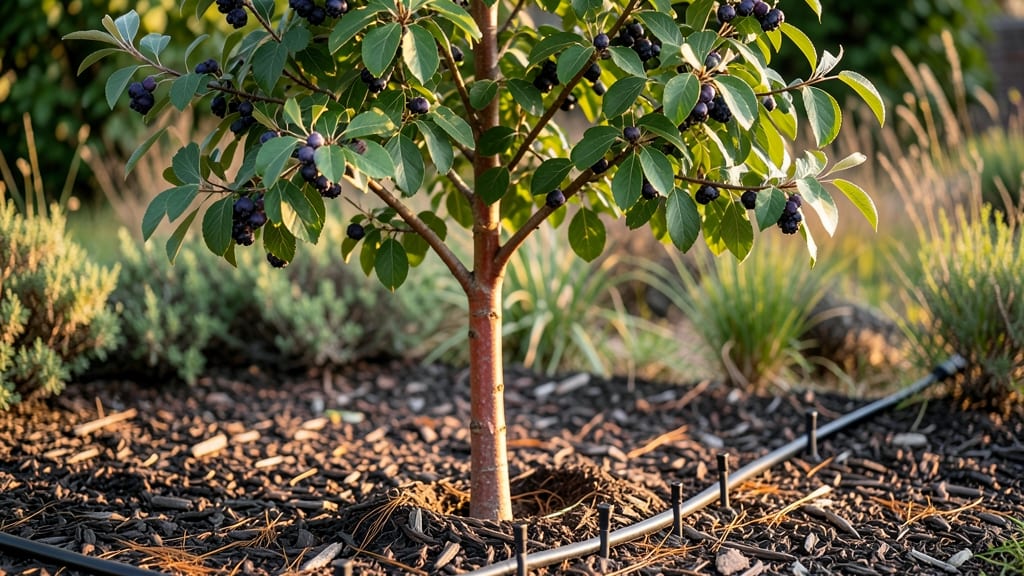
Proper amelanchier tree care—those showy, multi-season stars—requires year-round pruning to keep their blooms lush and fruit bountiful. 🌸 I learned the hard way that skipping this step means fewer berries and leggy branches by summer. The secret isn’t just cutting back; it’s timing and technique that unlocks their full potential.
Start with the right tools: sharp pruners, gloves, and a clear day. You’ll shape the tree in late winter (before buds swell) and lightly trim after flowering to encourage new growth.
Amelanchiers thrive with 6 hours of sun and well-draining soil—sandy loam works best, but they’re forgiving if you amend clay.
By summer, you’ll see the payoff: clusters of white blossoms turning to purple berries, and a tree that stays compact without sacrificing beauty. Prune just enough to open the canopy to sunlight, and avoid heavy cuts that stress the wood.
Think of it as a conversation with the tree, not a battle.
Winter care matters too—mulch heavily to protect roots in cold zones, and watch for silver leaf disease, which can sneak in if branches are too dense. With consistent pruning, your amelanchier will reward you for decades, from spring blooms to fall color. Let’s get started!
📚 In This Guide
- What you need
- Instructions
- Tips and common mistakes
- Wrapping up and next steps
What you need
- ● Pruning shears: Bypass pruners (sharp, 6-8" blades) for small branches.
- ● Loppers: 10-12" bypass loppers for medium branches (2-4" diameter).
- ● Pruning saw: Curved-tooth saw for thick branches (4"+ diameter).
- ● Disinfectant: 70% isopropyl alcohol or pruning sealant (to prevent disease spread).
- ● Gloves: Heavy-duty gardening gloves (cut-resistant, size medium/large).
- ○ Pruning paint: Optional but helpful for sealing large cuts (1-2 cans).
- ● Safety gear: Safety glasses and long sleeves (for protection).
- ● Extension pole: For high branches (10-15 ft, adjustable).
- ● Tree bag: To collect pruned branches (20-30 gallon capacity).
- ● Marking spray: For identifying branches to remove (1-2 spray bottles).
- ● Compost bin: For repurposing pruned material.
- ● Step stool: Sturdy, non-slip (for shorter trees).
How to prune your amelanchier tree for healthy growth and bountiful harvests
Here's the straightforward approach I use to keep my serviceberry thriving year-round.
✂️ Step 1: Late Winter Pruning for Structure
Start your pruning in late winter—just as buds begin to swell but before new growth appears. This is the best time to shape your amelanchier and remove dead or crossing branches. I always begin by cutting out any branches that are completely dead or broken, using sharp clean pruning shears. Make your cuts at a 45-degree angle, about ¼ inch above an outward-facing bud to encourage proper growth direction.
Next, remove any branches that cross each other or grow inward. These compete for sunlight and nutrients, weakening the tree. Look for branches that grow directly opposite each other—they'll rub against one another as they grow thicker. Cut one of the two branches at its base, leaving the stronger one to develop. This step ensures your tree maintains an open, airy structure that lets sunlight reach all branches.
🌿 Step 2: Spring Pruning for Blooms and Fruit Production
After the tree flowers but before the fruit begins to form, do a second round of pruning. This is where you focus on thinning out rather than just removing dead wood. Start by cutting back overly vigorous branches that are growing too fast—they'll produce fewer flowers and fruit. Aim to remove about 10-20% of the tree's total branches in this step, prioritizing those that are thin, weak, or crowded.
For each branch you prune, make your cut just above a leaf bud or side branch that's growing in the direction you want the tree to fill out. This encourages new growth in the right places. Avoid cutting back into old wood—amelanchiers bloom on second-year wood, so you want to preserve last year's growth. If you see any suckers (shoots growing from the base), remove them immediately—they drain energy from the main tree.
☀️ Step 3: Summer Maintenance for Airflow and Health
During the growing season, do light maintenance pruning as needed. Remove any diseased or pest-infested branches immediately—they can spread problems quickly. Look for leaves with black spots, holes, or unusual discoloration, and prune those branches back to healthy wood. Always disinfect your tools with rubbing alcohol between cuts to prevent spreading pathogens.
Also, keep an eye out for water sprouts—these are fast-growing, vertical shoots that appear along branches. While they might look vigorous, they don't produce fruit or flowers and can weaken the tree. Snip them off as soon as you notice them. This step ensures your amelanchier stays strong and productive rather than putting energy into non-fruiting growth.
⏰ Step 4: Fall Cleanup for Winter Readiness
In late fall, after the leaves have dropped but before the first hard frost, do a final check of your tree. Remove any remaining dead, diseased, or weak branches—these can harbor pests and diseases over winter. Also, prune back any overly long branches that might break under snow or ice. Cut them back to a strong lateral branch or bud to maintain the tree's shape.
This is also the time to thin out dense areas of the canopy to improve airflow. Good airflow reduces the risk of fungal diseases, which can be a problem in humid climates. Leave the pruned branches on the ground for a few days—they make great mulch for the base of the tree. Just be sure to rake them up before winter to prevent pests from using them as shelter.
Tips & tricks for perfect amelanchier tree care
Here's what nobody tells you about keeping your serviceberry thriving through all four seasons.
Timing is Everything: Late winter pruning in Step 1 should happen when buds begin to swell but before any new growth appears. I've learned this the hard way—pruning too early can shock the tree, while waiting too long risks losing next year's blooms. Check your local frost dates to pinpoint the exact window, usually 2-4 weeks before spring. This precise timing ensures your tree enters its growing season strong.
Tool Maintenance Matters: Your pruning shears are only as good as their sharpness. Before you start Step 1, take 2 minutes to clean and sharpen your tools with rubbing alcohol. Dull blades tear rather than cut cleanly, creating larger wounds that heal more slowly. I keep a small bottle of rubbing alcohol in my gardening toolbox specifically for this purpose—it's a game-changer for tree health.
Visual Growth Cues: When thinning branches in Step 2, look for these key indicators: branches that grow directly opposite each other (they'll rub as they thicken) and those growing inward toward the center of the tree. These visual cues help you identify which branches to remove. Remember, you're aiming for an open canopy that lets sunlight reach all parts of the tree—this is what produces those beautiful blooms and fruit.
Seasonal Checklist: Create a simple seasonal checklist based on these steps: Late winter (structure), spring (blooms), summer (maintenance), fall (cleanup). I keep mine posted near my gardening tools as a reminder. This systematic approach ensures you don't miss any critical pruning windows, and your tree will reward you with abundant harvests year after year.
Pro Tips for Amelanchier Tree Care
- Here's what nobody tells you about keeping your serviceberry thriving through all four seasons.
- Timing is Everything: Late winter pruning in Step 1 should happen when buds begin to swell but before any new growth appears.
- Tool Maintenance Matters: Your pruning shears are only as good as their sharpness.
Frequently asked questions
Got questions about keeping your amelanchier tree thriving?
Here are answers to the most common ones—so you can enjoy those stunning blooms and sweet berries year after year!
When is the best time to prune an amelanchier tree?
The ideal time is late winter or early spring (before buds swell) to avoid disturbing nesting birds. Light pruning can also happen in summer after fruiting, but avoid heavy cuts then. Never prune in fall—it encourages late growth that may not harden off before winter.
How much can I trim without harming the tree?
Remove no more than 25% of the canopy in a single pruning session to avoid stress. Focus on dead, diseased, or crossing branches first, then thin out to improve airflow. Over-pruning weakens the tree, reducing next year’s flowers and fruit. Pro tip: Step back often—your tree’s shape should still look natural after pruning!
Will pruning scare away birds that eat the berries?
Not if you time it right! Prune before birds arrive in spring (typically March–April, depending on your climate). If you must prune later, avoid heavy cuts near nesting areas. Birds prefer mature trees with dense canopies, so light, strategic pruning keeps them happy—and your berry harvest intact!
Can I use the same pruning techniques for dwarf vs. standard amelanchier trees?
Yes, but scale the effort! Dwarf varieties (like ‘Ballerina’ or ‘Regent’) need less aggressive pruning—focus on shaping and removing only the most problematic branches. Standard trees (like ‘Robust’ or ‘Alliance’) can handle slightly bolder cuts to maintain their size. Always prioritize health over aesthetics for both types.
What should I do if my amelanchier tree has brown leaves or spots?
Brown leaves or spots often signal fungal issues (like powdery mildew) or pests (aphids, mites). Start by removing affected leaves/branches and disposing of them. Apply neem oil or fungicide if needed, and ensure good airflow with light pruning. Water at the base (not overhead) to prevent spreading problems. Prevention tip: Mulch well and avoid overhead irrigation!
Wrapping up and next steps
Caring for your Amelanchier tree is a rewarding journey that yields stunning blooms, delicious fruit, and year-round beauty!
With the right pruning techniques—whether in late winter, summer, or after fruiting—you’ll keep your tree thriving and productive. Remember, consistency is key: regular maintenance ensures healthy growth, vibrant flowers, and a bountiful harvest.
Now that you’re armed with expert tips, roll up your sleeves and get pruning! 🌿 Start small, observe your tree’s response, and adjust as needed. Before you know it, your Amelanchier will be the star of your landscape—one cut at a time.