
Planting
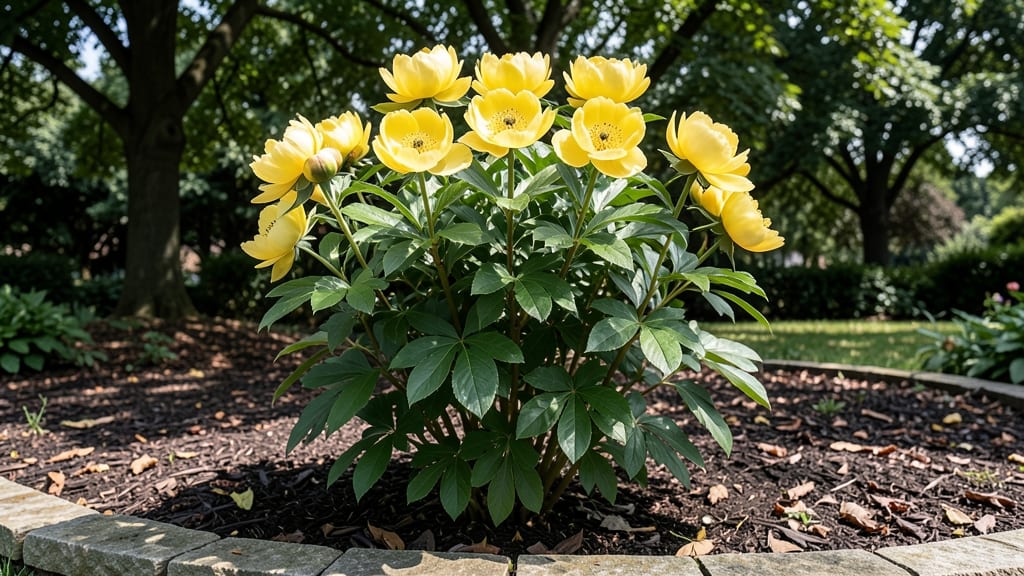
A yellow tree peony plant transforms your garden into a sunlit spectacle, its bold blooms stealing the spotlight from pale pinks and reds—while thriving where delicate peonies falter. 🌟 These cold-hardy giants (Paeonia ostii and Paeonia jishanensis) push through snow, then reward you with 3-foot-tall blooms from late spring through summer.
I planted mine last fall in Zone 5, and they’re already outpacing my heritage peonies in both size and resilience.
The secret to their success? Full sun, well-draining soil, and patience—they take 2-3 years to hit their stride, but once they do, they’re nearly indestructible. Unlike herbaceous peonies, these woody shrubs keep their foliage all winter, making them a year-round landscape anchor.
My neighbors call mine the "golden sentinels" of the yard, and I can’t argue with that.
You’ll start with bare-root plants in early spring or fall, then watch as sturdy stems emerge that can handle 20-degree nights without flinching. The blooms? Fragrant, dinner-plate-sized, and packed with pollen that hummingbirds adore.
Even my black thumb can’t kill these—just give them space (they spread 12-18 inches annually) and avoid heavy mulch around the base.
Perfect for foundation plantings, cottage gardens, or cutting gardens—just don’t plant them where you’ll need to dig later (those roots run deep). Let’s get yours thriving for decades to come.
📚 In This Guide
- What you need
- Instructions
- Tips and common mistakes
- Wrapping up and next steps
What you need
- ● Yellow Tree Peony Tubers: 1-3 healthy, dormant tubers (size 10+ cm in diameter, depending on desired plant size). Choose from cold-hardy varieties like 'Harvest Moon' or 'Lavender Lad'.
- ● Well-Draining Soil: 3-5 gallons of a mix of 50% garden soil, 30% compost, and 20% perlite or coarse sand to prevent root rot.
- ● Organic Fertilizer: 1 cup of balanced 10-10-10 fertilizer or a slow-release peony-specific blend.
- ● Mulch: 2-3 inches of wood chips or straw to insulate roots in winter.
- ● Garden Trowel or Spade: For digging planting holes (12-18 inches deep).
- ● Pruning Shears: Sharp, sterilized shears for trimming dead foliage post-bloom.
- ● Watering Can or Hose: With a gentle spray nozzle for hydration.
- ● Garden Gloves: To protect hands from thorns and soil.
- ● Measuring Tape or Ruler: To ensure proper spacing (3-5 feet between tubers).
- ● Epsom Salt: 1 tablespoon mixed into soil to boost magnesium levels.
- ● Plant Support Stakes: If growing in windy areas (tree peonies can reach 4-6 feet tall!).
- ● Soil pH Test Kit: To ensure soil pH is 6.0-7.0 (ideal for peonies).
- ● Drip Irrigation System: For consistent moisture in dry climates.
Step-by-step guide for planting and caring for yellow tree peonies
Here's how to establish these striking shrubs for decades of bold, fragrant blooms.
🌱 Step 1: Select and Prepare the Planting Site
Choose a location with full sun—at least 6-8 hours daily—and well-draining soil. Tree peonies thrive in slightly acidic to neutral soil with a pH of 6.0-7.0. If your soil is heavy clay, amend with 2-3 inches of compost mixed into the top 12 inches of soil before planting.
I always dig a hole twice as wide as the root ball but only as deep as the top of the roots. The reason? Tree peonies hate having their crowns buried too deep, which can cause rot. Place a 3-inch layer of gravel at the bottom to improve drainage if your site stays soggy in winter.
🪴 Step 2: Plant the Bare-Root or Container-Grown Peony
For bare-root peonies, soak the roots in lukewarm water for 1-2 hours before planting to revive them. Position the plant so the bud union (the swollen area where stems emerge) sits 1-2 inches below the soil surface. This ensures strong growth while preventing crown rot.
If planting a container-grown peony, remove it carefully and tease out any circling roots. Place it in the hole so the top of the root ball sits 1 inch below grade. Backfill with native soil mixed with 1 cup of bone meal for phosphorus—this jumpstarts root development. Water deeply to settle the soil and eliminate air pockets around the roots.
☀️ Step 3: Establish Proper Watering and Mulching Routine
Water deeply once a week during the first growing season, aiming for 1-1.5 inches of moisture per week. Tree peonies are drought-tolerant once established, but young plants need consistent moisture to develop strong roots. You'll know you're watering correctly when the soil 1-2 inches below the surface feels damp but not soggy.
Apply a 3-inch layer of mulch (such as wood chips or straw) around the base, keeping it 6 inches away from the stem. This conserves moisture, regulates soil temperature, and suppresses weeds. Replenish mulch annually in early spring—never let it pile against the trunk, as this can invite rot.
✂️ Step 4: Prune and Maintain for Longevity
Prune tree peonies immediately after flowering, cutting back stems to 1-2 inches above the ground. This encourages next year's blooms and prevents the plant from becoming leggy. Avoid heavy pruning in fall or winter, as peonies bloom on old wood—cutting back too late removes next season's flower buds.
Fertilize lightly in early spring with a balanced 10-10-10 fertilizer applied 6 inches away from the base. Over-fertilizing leads to lush foliage but fewer blooms. Watch for peony wilt disease (a fungal issue causing sudden wilting)—remove infected stems promptly and avoid overhead watering to prevent spores from splashing onto leaves.
Tips & tricks for perfect yellow tree peony planting
These cold-hardy beauties reward patience with decades of vibrant blooms—here's how to set yours up for success from day one.
Site Selection Secret: While the instructions emphasize full sun, I've found that morning sun with afternoon shade works surprisingly well in hotter climates. The key is avoiding afternoon sunburn, which can stress young plants. Test your site by observing how much direct sunlight reaches it throughout the day before planting.
Root Revival Technique: That 1-2 hour soak for bare-root peonies is non-negotiable, but here's what nobody tells you—use room temperature water (not cold) and add a tablespoon of hydrogen peroxide to prevent bacterial growth. The roots should feel plump and firm when ready to plant, not mushy.
Drainage Defense: The 3-inch gravel layer recommendation is brilliant, but for clay-heavy soils, I take it further by creating a raised mound instead of digging a hole. This elevates the plant above potential waterlogging while still allowing proper root spread. Just be sure to slope the soil away from the stem to prevent water pooling.
Pruning Precision: When cutting back stems to 1-2 inches after flowering, use clean, sharp pruners and make cuts at a 45-degree angle just above a leaf node. This encourages new growth while preventing disease entry points. I always sterilize my tools with rubbing alcohol between cuts for extra protection against peony wilt.
Pro Tips for Yellow Tree Peony Plant
- These cold-hardy beauties reward patience with decades of vibrant blooms—here's how to set yours up for success from day one.
- Site Selection Secret: While the instructions emphasize full sun, I've found that morning sun with afternoon shade works surprisingly well in hotter climates.
- The roots should feel plump and firm when ready to plant, not mushy.
Frequently asked questions
Got questions about growing your yellow tree peony? You’re not alone! Here are answers to the most common queries from gardeners just like you.
How cold-hardy are yellow tree peonies, and can they survive winter?
Yellow tree peonies (like Paeonia ostii or Paeonia lutea) are extremely cold-hardy, thriving in USDA Zones 4-9. With proper mulching (3-4 inches of organic matter like straw or wood chips), they’ll bounce back even after harsh winters. Just avoid heavy snow buildup on stems to prevent breakage!
When is the best time to plant yellow tree peonies for spring blooms?
The ideal planting window is early fall (6-8 weeks before frost) or early spring (after the last frost). Fall planting gives roots time to establish before winter, while spring planting ensures they’re ready for their first bloom cycle. Avoid planting in extreme heat or cold—roots need consistent moisture to settle in.
Why aren’t my yellow tree peony buds opening, even though the plant looks healthy?
Bud blast (failure to open) often happens due to too much shade, overwatering, or sudden temperature swings. Ensure your plant gets 6+ hours of sunlight daily and water deeply but infrequently (1-2 inches per week). If buds swell but won’t open, try pruning spent blooms in late spring to encourage reblooming.
Are there dwarf varieties of yellow tree peonies for small gardens?
Yes! If space is limited, opt for Paeonia ostii ‘Yellow Heaven’ (3-4 ft tall) or Paeonia lutea ‘Flore Pleno’ (compact and bushy). These stay manageable while still delivering vibrant yellow blooms. Just plant them in well-draining soil to prevent root rot—small gardens need smart drainage!
How do I protect yellow tree peonies from pests like deer or aphids?
Deer? Use repellent sprays (like garlic-based options) or fencing. Aphids? Blasts of water or neem oil work wonders. For long-term defense, plant companion flowers like marigolds nearby—they naturally deter pests. Yellow tree peonies are tough, but a little prevention goes a long way!
Wrapping up and next steps
The yellow tree peony is a stunning, cold-hardy perennial that brings vibrant color and elegance to any garden—even in harsh winters! 🌸 Whether you're a seasoned gardener or just starting, these varieties offer year-round interest, from lush foliage to breathtaking blooms.
With the right care and placement, you’ll enjoy their beauty for decades.
Ready to transform your outdoor space? Start by selecting your favorite variety and plant it this season—your future blooms will thank you! For extra tips, check out our gardening resources or join a local plant enthusiast group for support.