
Trees
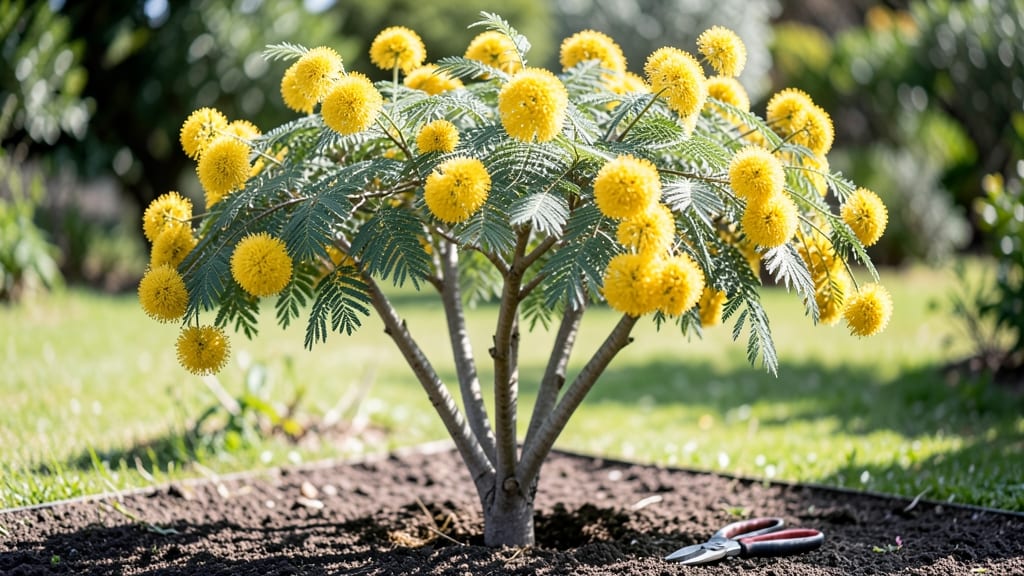
Growing a yellow mimosa tree with its golden foliage and delicate puffball blooms feels like inviting sunshine into your garden—except it’s a plant that actually stays vibrant year-round. 🌿 I’ve watched mine transform a dull corner into a sunlit oasis, and the secret isn’t complicated: it’s about matching its love for warmth, well-draining soil, and minimal fuss.
The real magic happens when you pair its drought tolerance with occasional deep watering—no soggy roots here. Prune lightly after flowering to keep its airy shape, and you’ll reward yourself with bright yellow blooms that last from spring to fall.
Even in hot summers, this tree thrives where others wilt, making it the perfect low-maintenance star for sunny spots.
📚 In This Guide
- What you need
- Instructions
- Tips and common mistakes
- Wrapping up and next steps
What you need
- ● Yellow mimosa seeds or saplings: 1–3 (seeds may take longer to sprout; saplings offer faster results).
- ● Well-draining potting mix: 5–10 gallons (look for a blend with perlite or sand for aeration).
- ● Pot or garden bed: For containers: 5–10 gallon pots with drainage holes (1–2 per sapling).
- ● For in-ground planting: A sunny spot with loose, sandy soil (or amend clay soil with compost).
- ● Garden trowel or shovel: 1 (for transplanting or digging).
- ● Watering can or hose with a gentle nozzle: 1 (avoid overwatering—mimosas hate soggy roots!).
- ● Pruning shears: 1 (for shaping and maintaining health).
- ● Organic fertilizer (low nitrogen, high phosphorus): 1 bag (e.g., 10-20-10 ratio, 1–2 tbsp per plant monthly in spring/summer).
- ● Mulch (pine bark or straw): 2–3 inches (retains moisture and regulates soil temp).
- ● Slow-release fertilizer spikes: 2–4 (for hassle-free nourishment).
- ● Soil moisture meter: 1 (prevents over/under-watering).
- ● Tree support stake (if young sapling): 1 (for windy areas).
- ● Neem oil or insecticidal soap: 1 bottle (for pest control, like aphids or spider mites).
Step-by-Step instructions for cultivating a thriving yellow mimosa tree
Here's the straightforward method I've used to grow these showstopping trees—no fuss, just sun and patience.
🌱 Step 1: Select and Prepare the Perfect Planting Site
Yellow mimosa trees (Acacia baileyana) crave full sun—that means 6-8 hours of direct sunlight daily. I always choose a spot with southern or western exposure. The soil should drain like a sieve; mimosas hate soggy roots. If your yard is heavy clay, mix in 2-3 inches of coarse sand or garden grit to improve drainage before planting.
Dig a hole twice as wide as the root ball but only as deep as the container it came in. The top of the root ball should sit 1-2 inches above ground level—this prevents water from pooling around the stem. Loosen the edges of the hole with your hands or a trowel to encourage root spread.
☀️ Step 2: Plant and Establish for Optimal Growth
Remove the tree from its container and gently tease apart any circling roots with your fingers. Place it in the hole so the root flare (where roots meet trunk) is visible above soil level. Fill around the roots with native soil, pressing lightly to eliminate air pockets. Water deeply to settle everything—you'll know it's enough when water runs out the bottom of the hole.
Mulch with 2-3 inches of organic mulch (like wood chips) around the base, keeping it 6 inches away from the trunk. This conserves moisture and regulates soil temperature. Avoid piling mulch against the stem; it can cause rot. Water twice weekly for the first month, then taper to once weekly once established—yellow mimosas are drought-tolerant once rooted.
✂️ Step 3: Prune and Maintain for Long-Term Beauty
Prune in late winter or early spring before new growth starts. Remove dead, diseased, or crossing branches first—these compete for energy. Then shape the tree by cutting back overly long branches to maintain an open, airy form. Mimosa flowers appear on new growth, so avoid heavy pruning after spring.
Fertilize once in early spring with a balanced, slow-release fertilizer (10-10-10 ratio). Yellow mimosas don't need much—over-fertilizing leads to leafy growth at the expense of those stunning yellow blooms. Watch for aphids or scale insects on new shoots; treat with neem oil if you spot them. With proper care, your tree will burst into bright yellow blossoms by late spring or early summer.
Tips & tricks for perfect yellow mimosa tree cultivation
Here's what I've learned from years of growing these sun-loving beauties—simple secrets that make all the difference.
Location is Everything: That 6-8 hours of sunlight in Step 1 isn't just a suggestion—it's non-negotiable for vibrant blooms. I've seen mimosas struggle in partial shade, even when everything else was perfect. For the best results, test your spot by observing how much direct sunlight it gets throughout the day. Southern or western exposures are ideal because they capture the afternoon sun when temperatures are warmest. If you're unsure, use a sun calculator app to track light exposure for a full day before planting.
Root Care Makes the Difference: When you're loosening the edges of that planting hole in Step 1, take extra care to avoid damaging the roots. I learned this the hard way—cutting roots during transplanting can set your tree back months. Instead, gently separate any circling roots with your fingers rather than using tools. This encourages outward growth rather than compacted root balls. Also, that 1-2 inch height above ground level isn't just about drainage—it prevents water from sitting against the trunk, which can cause rot.
Watering Wisdom: Those twice-weekly waterings in the first month are critical, but timing matters just as much. Water deeply in the morning so the soil has time to dry out before evening. This prevents fungal issues while keeping roots hydrated. After the first month, you can reduce to once weekly, but always check the top inch of soil—if it's dry, water again. Mimosas are drought-tolerant once established, but they won't bloom beautifully if they're stressed during their first year.
Pruning Precision: When you're shaping your tree in Step 3, remember that mimosa flowers appear on new growth. That means you should never prune after spring—you'll be cutting off potential blooms for next year. Focus on removing only dead, diseased, or crossing branches first, then lightly shape the outer edges. I like to use clean, sharp pruners and make cuts just above a leaf node or outward-facing bud. This encourages healthy growth and maintains that beautiful airy form that lets sunlight reach all parts of the tree.
Pro Tips for Yellow Mimosa Tree
- Here's what I've learned from years of growing these sun-loving beauties—simple secrets that make all the difference.
- Location is Everything: That 6-8 hours of sunlight in Step 1 isn't just a suggestion—it's non-negotiable for vibrant blooms.
- Root Care Makes the Difference: When you're loosening the edges of that planting hole in Step 1, take extra care to avoid damaging the roots.
Frequently asked questions
How long does it take for a yellow mimosa tree to bloom?
A young yellow mimosa (Acacia farnesiana) typically takes 1–3 years to produce its signature fragrant yellow flowers, depending on climate and care. In warmer zones (USDA 8–11), expect blooms as early as spring or early summer after planting. Patience pays off—once established, it can flower multiple times per year!
Can yellow mimosa trees grow in partial shade?
While they tolerate partial shade (3–4 hours of sun daily), yellow mimosas thrive best in full sun (6+ hours). In shadier spots, expect fewer blooms and slower growth. If your yard lacks sun, place it near a south- or west-facing window or opt for a sun-loving alternative like the Mexican sunflower.
Why are my yellow mimosa leaves turning yellow or dropping?
Yellowing leaves (chlorosis) or premature drop often signal overwatering, poor drainage, or nutrient deficiencies. Check these fixes:
- Water deeply but infrequently—let soil dry between waterings.
- Ensure the pot/drainage area has holes to prevent root rot.
- Fertilize lightly in spring with a balanced 10-10-10 formula.
If pests (like aphids) are present, spray with neem oil or insecticidal soap.
How cold-hardy is the yellow mimosa tree?
Yellow mimosas are tender perennials, surviving only in USDA zones 8–11. In colder areas (below 20°F/-7°C), they’ll die back to the ground but often regrow from roots in spring. For colder climates:
- Plant in containers and overwinter indoors near a bright window.
- Mulch heavily in fall to protect roots.
- Consider Acacia koa (hardier but slower-growing) as an alternative.
Pro tip: Prune dead branches in early spring to encourage new growth.
Are yellow mimosa trees good for pollinators?
Absolutely! Their highly fragrant, nectar-rich flowers attract bees, butterflies, and hummingbirds, making them a pollinator powerhouse. For extra buzz:
Bonus: The flowers also dry beautifully for potpourri or bouquets.
Wrapping up and next steps
The yellow mimosa tree is a stunning addition to any garden, offering vibrant blooms and low-maintenance charm. With the right soil, sunlight, and care, you’ll enjoy its cheerful flowers for years—whether you’re a seasoned gardener or just starting out! 🌸
Ready to transform your outdoor space? Start by selecting your spot—whether it’s a sunny patio or a shady corner—and follow the simple steps to nurture your mimosa. Before you know it, you’ll be basking in its golden beauty! 🌞