
Pests
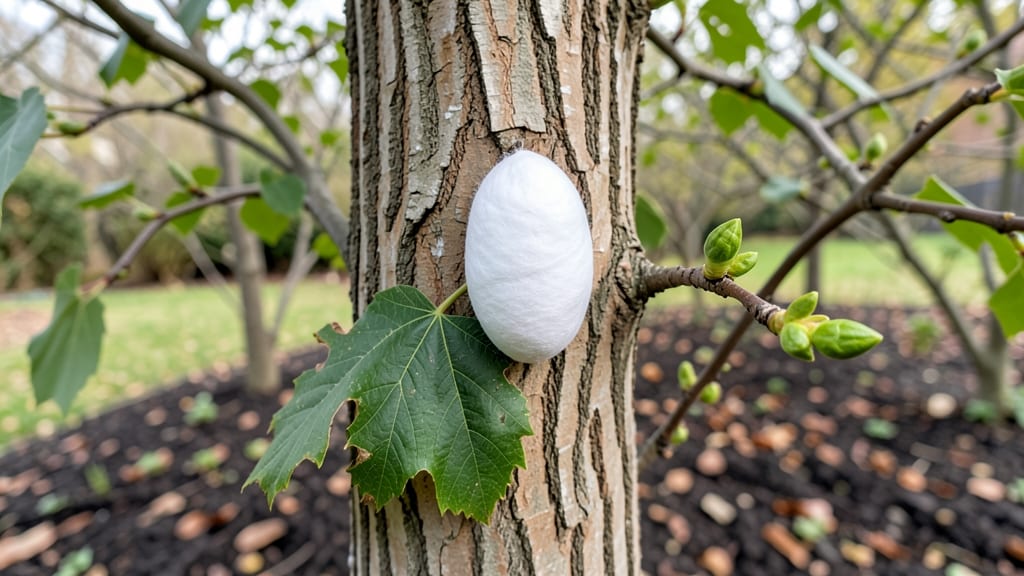
Finding white cocoons clinging to your tree branches is like discovering a silent invasion—bagworms spin these deceptive nests, and by the time you notice them, they’ve already stripped your tree of leaves. 🌿 The damage starts small but escalates fast, leaving your tree weak and vulnerable if left unchecked.
These caterpillars hide inside their silk-and-debris cocoons, feasting unseen until entire branches go bare.
Here’s the good news: you can tackle them before they cause serious harm. Grab a pair of sharp pruners, a bucket of soapy water, or even a vacuum for stubborn clusters—organic options like neem oil or Bt (Bacillus thuringiensis) work well too.
The key is acting early, when the cocoons are still small and manageable, before they grow into a full-blown infestation.
📚 In This Guide
- What you need
- Instructions
- Tips and common mistakes
- Wrapping up and next steps
What you need
- ● Safety gear: Nitrile or latex gloves (2–3 pairs) – thick enough to protect against irritation
- ● Safety goggles (1 pair) – to shield eyes from debris or pesticide spray
- ● Long-sleeved shirt and pants – preferably lightweight and breathable
- ● Inspection tools: Magnifying glass (1) – for close-up inspection of cocoons and larvae
- ● Flashlight (1) – LED with adjustable brightness for evening checks
- ● Pruning shears (1 pair) – sharp, bypass-style for clean cuts (6–8" blades)
- ● Garden hose with nozzle (1) – for rinsing off debris or dislodging cocoons
- ● Treatment supplies (choose one): Insecticidal soap: 1–2 bottles (look for spinosad or potassium salts)
- ● Horticultural oil: 1 gallon (summer or dormant oil, 70% paraffin-based)
- ● Neem oil: 1–2 oz concentrate (mix with water per label instructions)
- ○ Systemic pesticide (optional): 1–2 bottles (e.g., imidacloprid, follow label for tree size)
- ● Cleanup supplies: Heavy-duty trash bags (2–3) – for collecting cocoons, debris, or pruned branches
- ● Disposable rags or paper towels (1 pack) – for wiping tools or sticky residue
- ● Bucket with soapy water (1) – for soaking tools post-use
- ● Tree-specific fertilizer (1 bag) – to boost tree health post-treatment (e.g., balanced 10-10-10)
- ● Pruning sealant – for coating cuts if pruning large branches
- ● Camera or smartphone – to document the infestation before/after treatment
- ● Friend or helper – for safety (especially when working with ladders or large trees)
How to identify and safely remove tree cocoons
Those silky white cocoons hanging from branches aren't just unsightly—they're a sign of invasive pests.
🌿 Step 1: Confirm the Cocoon Type and Location
First, examine the cocoon closely. True tree cocoons (often from gypsy moths or bagworms) are usually 1-2 inches long, silky, and attached to branches or leaves. Look for tiny holes at one end—this is where the caterpillar will emerge. Avoid touching them barehanded; some caterpillars can cause skin irritation.
Check the tree's underside and branch tips first. Cocoons often cluster near new growth where leaves provide food for emerging larvae. If the cocoons are smaller than ½ inch or have a hard, papery texture, they might be from less harmful pests like leafrollers—still best to remove, but with less urgency.
🪴 Step 2: Gather Removal Tools and Safety Gear
You'll need a pair of long-handled pruning shears (to avoid reaching into cocoon clusters), heavy-duty trash bags, and a garden hose with a spray nozzle. Wear long sleeves, gloves, and a face mask—some caterpillars release irritating hairs when disturbed. I always work on a dry day; wet cocoons are heavier and harder to handle.
Lay a drop cloth or tarp beneath the tree to catch falling debris. Cocoons can multiply quickly, so contain them immediately. Keep a disposable spray bottle with soapy water handy—this helps dissolve silk and makes cleanup easier. Never burn cocoons; the heat can release harmful chemicals into the air.
✂️ Step 3: Remove Cocoons Without Damaging the Tree
Start by snipping the cocoon clusters with your pruning shears, cutting the silk strands where they attach to the branch. Work from the top of the tree downward to avoid dropping cocoons on lower branches. Place each cluster directly into a sealed trash bag—don't shake them out, or you risk spreading eggs or irritating hairs.
For stubborn cocoons, use the garden hose to soak the area for 30 seconds before cutting. The water weakens the silk, making removal easier. If cocoons are on smaller branches (under ½ inch thick), trim the entire branch just above a bud or leaf node. This prevents future infestations while minimizing tree stress.
💧 Step 4: Dispose of Cocoons and Treat the Tree
Seal the trash bags tightly and dispose of them in an outdoor trash bin immediately. Do not compost cocoons—they can survive winter and reinfest next year. After removal, spray the tree with a mild horticultural oil or neem oil solution (1 tablespoon per gallon of water) to suffocate any remaining eggs or larvae. Apply in the early morning or late evening to avoid harming beneficial insects.
Check the tree again in 7-10 days for new cocoons. If you see fresh webbing or tiny caterpillars, repeat the process. For severe infestations, consider consulting a local arborist about beneficial nematodes or Bacillus thuringiensis (Bt), a natural bacteria that targets caterpillars without harming other wildlife.
🌱 Step 5: Monitor and Prevent Future Infestations
Inspect the tree monthly during spring and summer, focusing on new growth areas. Healthy trees are less susceptible to pests, so fertilize with balanced, slow-release fertilizer in early spring. Avoid overwatering—the excess moisture attracts other pests that can stress the tree further.
Encourage natural predators like birds and parasitic wasps by planting native flowering shrubs nearby. These predators feed on caterpillar eggs and larvae, reducing future cocoon populations. If you notice cocoons appearing in the same location year after year, the tree may be weakened—consider a soil test to check for nutrient deficiencies.
Tips & tricks for identifying and removing tree cocoons
Real talk: These silky invaders can spread faster than you think, so here's how to tackle them like a pro.
Timing Secret: In Step 1, when examining cocoons, focus on the underside of branches first—they're often hidden there. I've found that early morning inspections work best because dew can make the silk strands more visible against the branch. Look for clusters near new growth where emerging larvae will find their first meal.
Safety Gear Strategy: Don't skip the face mask in Step 2—some caterpillars release irritating hairs that can trigger allergic reactions. I always double-check my gear before climbing ladders, especially if working near dense clusters. The soapy water spray is your secret weapon for dissolving silk strands during cleanup, making disposal easier.
Removal Technique: When you're cutting cocoon clusters in Step 3, work systematically from top to bottom. This prevents accidental drops onto lower branches where you've already cleared areas. For branches under ½ inch thick, I've learned that complete removal (including the branch) is often the most effective long-term solution.
Post-Removal Inspection: After treating your tree in Step 4, mark the date on your calendar—checking again in 7-10 days is critical. I've seen cases where new webbing appears just days after removal, indicating either missed cocoons or new egg-laying activity. This follow-up prevents reinfestation before it becomes unmanageable.
Pro Tips for White Cocoon On Tree
- Real talk: These silky invaders can spread faster than you think, so here's how to tackle them like a pro.
- Timing Secret: In Step 1, when examining cocoons, focus on the underside of branches first—they're often hidden there.
- Safety Gear Strategy: Don't skip the face mask in Step 2—some caterpillars release irritating hairs that can trigger allergic reactions.
Frequently asked questions
Got questions about those mysterious white cocoons lurking in your trees? You’re not alone! Here are some of the most common concerns—and straightforward answers—to help you tackle this issue like a pro.
What kind of pest creates white cocoons on trees?
White cocoons on trees are most often the work of spider mites, bagworms, or lace bugs. Bagworms, in particular, spin silky white cocoons that resemble tiny bags—hence the name! These pests can defoliate trees if left unchecked. Identify yours to target treatment effectively.
When is the best time to remove white cocoons from trees?
Timing is key! For bagworms, remove cocoons in late fall or early spring (before larvae emerge) or during summer when they’re most vulnerable. For spider mites, act at the first sign of webbing or discoloration. Pro tip: Don’t wait until you see damage—early action prevents infestations from spiraling out of control.
How do I safely remove white cocoons without harming the tree?
Start by pruning infested branches (wear gloves!) and disposing of them in a sealed bag. For stubborn cocoons, use a hose with strong water pressure to dislodge them. Avoid chemical sprays unless necessary—opt for organic solutions like neem oil or insecticidal soap first. Always sterilize pruning tools to prevent spreading pests.
What should I do if the cocoons keep coming back?
Persistent cocoons often mean the tree is still hosting eggs or larvae. Re-inspect every 2–3 weeks and treat with a systemic insecticide (like imidacloprid) for severe cases. Improve tree health with proper watering and fertilization—healthy trees resist pests better. If infestations recur yearly, consider consulting an arborist for long-term solutions.
Are there natural alternatives to chemical treatments?
Try these eco-friendly fixes:
- Neem oil spray: Disrupts larvae development (mix 1 tbsp neem oil + 1 tsp mild soap per gallon of water).
- Parasitic wasps: Release Trichogramma wasps—they prey on bagworm eggs naturally!
- Diatomaceous earth: Sprinkle around the tree base (reapply after rain).
- Birds and beneficial insects: Attract them with native plants to create a pest-free balance.
For heavy infestations, combine methods for best results.
Wrapping up and next steps
Spotting a white cocoon on a tree can feel alarming, but now you’re equipped with the knowledge to tackle it confidently! Remember, early action is key—whether it’s spider mites, bagworms, or scale insects, removing these pests protects your tree’s health and beauty. 🌳✨
Ready to take the next step? Inspect your trees regularly—especially after seasons change—and keep those garden tools handy. If the infestation feels overwhelming, don’t hesitate to call a local arborist for expert help. Your green thumb (and your trees) will thank you!