
Trees
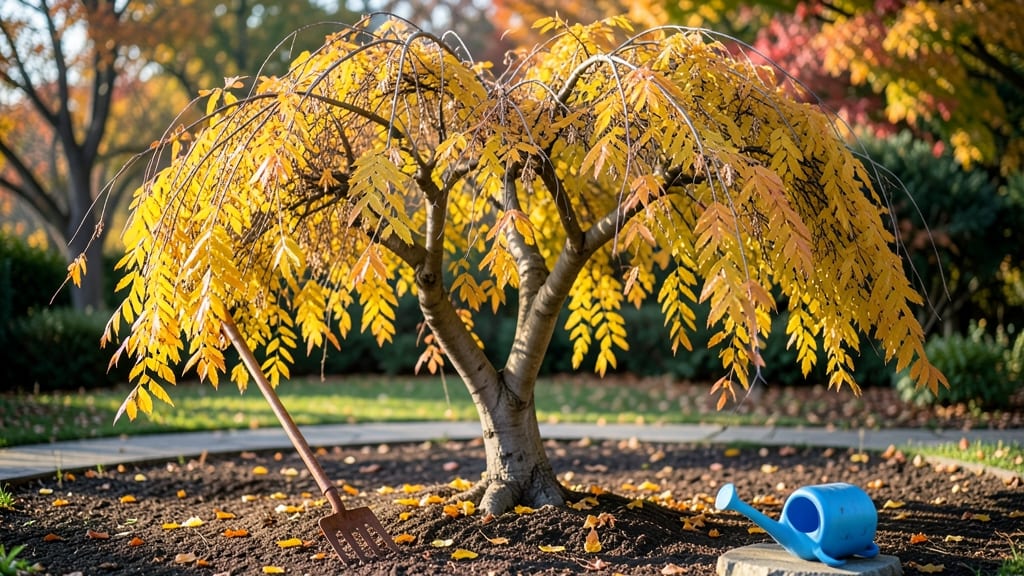
The weeping katsura tree (Cercidiphyllum japonicum) transforms any garden into a fragrant sanctuary with its cascading branches and four-season beauty. 🌿 I first fell for it when I spotted one in a neighbor's yard—its delicate, weeping form swaying in the breeze while releasing that unmistakable sweet, spicy scent on warm days.
This isn't just a tree; it's a living perfume diffuser that works year-round, from spring blooms to fiery autumn foliage.
Planting one requires patience but pays off handsomely. You'll need a sunny to partially shaded spot with well-draining soil—this tree hates soggy roots—and space to grow 20-30 feet wide (though it stays smaller in containers).
The real magic happens when you give it consistent moisture during its first few years, mimicking its native woodland understory habits. Pruning is minimal, mostly just removing deadwood or shaping in early spring before new growth appears.
What makes this tree special is how it performs all year: fragrant spring flowers, lush green leaves that turn golden-yellow in fall, and even peeling cinnamon bark in winter for texture.
It handles city pollution better than most trees and attracts pollinators like crazy. The scent alone—often compared to cotton candy or spicy maple syrup—makes it worth growing just for the sensory experience.
Perfect for small yards, urban gardens, or as a specimen plant where you want drama without the upkeep of roses. Just avoid planting it near walkways (those branches will sweep the ground) and give it room to stretch its elegant limbs.
Ready to grow one that'll make your garden smell like a Japanese forest? Let's get started.
📚 In This Guide
- What you need
- Instructions
- Tips and common mistakes
- Wrapping up and next steps
What you need
- ● Weeping katsura tree sapling or bare-root plant: Choose a Cercidophyllum japonicum cultivar (e.g., 'Pendulum' or 'Crimson Fan').
- ● Size: 1–3 gallons (for established plants) or bare-root (for dormant-season planting).
- ● Well-draining soil: Mix of loamy soil + compost (60/40 ratio) for optimal drainage.
- ● pH: 5.0–7.0 (slightly acidic to neutral).
- ● Organic mulch: 2–3 inches of wood chips or pine straw to retain moisture.
- ● Slow-release fertilizer: Balanced 10-10-10 or organic (e.g., composted manure).
- ● Shovel or trowel (for digging).
- ● Garden gloves (to protect hands).
- ● Watering can or hose (with gentle spray nozzle).
- ● Pruning shears (for shaping or cleanup).
- ● Measuring tape (to mark planting depth).
- ○ Optional: Soil pH test kit (to verify acidity).
- ● Tree stake + ties (for young saplings in windy areas).
- ● Drip irrigation system (for automated watering).
- ● Sunlight: Partial shade to full sun (6+ hours/day).
- ● Space: Mature height of 20–30 feet; plant 15–20 feet from structures.
- ● Climate: Hardy in USDA Zones 4–8 (cold-hardy but loves humidity!).
- ● Water access: Regular watering (especially in first year).
Step-by-Step guide to planting and caring for a weeping katsura tree
This elegant tree thrives with the right approach—here’s how to nurture its signature cascading branches and intoxicating fragrance.
🌱 Step 1: Choose the Perfect Planting Site
The weeping katsura (Cercidophyllum japonicum) loves bright, indirect light but tolerates partial shade, making it ideal for understory planting or near large windows. Avoid full sun in hot climates—its delicate leaves scorch easily. I always test the spot by observing how other shade-tolerant plants fare there first.
Well-draining soil is critical. Amend heavy clay with 3 inches of compost and a handful of sand to prevent root rot. The tree’s natural habitat is moist but not soggy—think woodland edges, not swampy lowlands. Dig a hole twice as wide as the root ball but only as deep, so the top of the roots sits level with the surrounding soil.
🌿 Step 2: Plant with Care to Encourage Spread
Gently remove the tree from its container and loosen any circling roots with your fingers—this prevents girdling as it matures. Place it in the hole so the base of the trunk aligns with the soil line (burying too deep suffocates roots). Backfill with native soil mixed with 1 part compost to improve fertility.
Water deeply immediately after planting to settle the soil and eliminate air pockets. The root ball should absorb 1 gallon of water per inch of trunk diameter—so a 4-inch trunk needs 4 gallons. Mulch with 3 inches of shredded bark around the base (but keep it 6 inches away from the trunk to prevent rot). This mimics the leaf litter of its native forests.
☀️ Step 3: Maintain Year-Round Conditions for Optimal Growth
Water once a week in the first growing season, then taper to every 2 weeks once established (adjust for drought). The tree’s weeping branches signal stress if leaves yellow or droop—this usually means underwatering. I check soil moisture by pushing my finger 2 inches deep; if dry, it’s time to water.
Fertilize lightly in early spring with a balanced 10-10-10 formula (use ½ cup per inch of trunk diameter). Over-fertilizing causes weak, leggy growth. Prune only to remove dead wood or shape branches in late winter—never during bloom season (spring), as you’ll sacrifice those fragrant clouds.
✂️ Step 4: Prune and Protect for Long-Term Beauty
This tree’s natural weeping habit requires minimal pruning, but I remove 1-2 lowest branches annually to encourage upward growth and prevent ground contact. Use clean, sharp pruners to make cuts just outside the branch collar—never leave stubs. Sterilize tools with rubbing alcohol between cuts to prevent disease spread.
Watch for anthracnose fungus (dark spots on leaves) or scale insects (white bumps on branches). Treat early with neem oil spray (mix 1 tablespoon per gallon of water). The tree’s fragrance deters most pests, but aphids occasionally cluster on new growth—blast them off with a strong stream of water if they appear.
Tips & tricks for perfect weeping katsura tree cultivation
Took me years to master the delicate balance of light, soil, and water for these stunning trees—and here’s what I’ve learned to keep them thriving.
Lighting Strategy: The weeping katsura’s love for bright, indirect light is non-negotiable. In Step 1, when selecting your site, observe the area throughout the day—morning sun with afternoon shade is ideal. If planting near a window, rotate the pot every few weeks to prevent lopsided growth from one-sided light exposure. In hotter climates, I’ve seen leaves scorch within days of direct afternoon sun, so dappled shade is your best friend.
Soil Science: That 3 inches of compost and handful of sand in Step 1 isn’t just arbitrary—it’s about mimicking its woodland habitat. For heavy clay soils, I recommend adding perlite or vermiculite to improve drainage further. The key is creating a sponge-like texture that holds moisture without suffocating roots. Test your soil’s drainage by digging a hole, filling it with water, and seeing how quickly it drains—if it takes more than 30 minutes, you need to amend further.
Watering Wisdom: The 1 gallon per inch of trunk diameter rule in Step 2 is your baseline, but timing matters just as much. Water deeply in the morning so leaves have all day to dry, reducing fungal risks. In Step 3’s maintenance routine, I’ve found that checking soil moisture at 2 inches depth with your finger is more reliable than sticking to the weekly schedule blindly—especially in rainy seasons or droughts. The tree’s weeping branches will tell you when something’s off: drooping leaves mean underwatering, while yellowing suggests overwatering or poor drainage.
Pruning Precision: When removing those 1-2 lowest branches annually in Step 4, think of it as sculpting rather than cutting. Make your cuts just outside the branch collar at a 45-degree angle to promote faster healing. I’ve seen too many well-intentioned pruners leave stubs that invite disease. And remember: the tree’s fragrance comes from its spring blooms, so never prune during bloom season—wait until late winter when the tree is dormant and those fragrant clouds aren’t yet forming.
Pro Tips for Weeping Katsura Tree
- Took me years to master the delicate balance of light, soil, and water for these stunning trees—and here’s what I’ve learned to keep them thriving.
- Lighting Strategy: The weeping katsura’s love for bright, indirect light is non-negotiable.
- Soil Science: That 3 inches of compost and handful of sand in Step 1 isn’t just arbitrary—it’s about mimicking its woodland habitat.
Frequently asked questions
Got questions about the weeping katsura tree? You’re not alone! This stunning tree is beloved for its fragrance and elegance, but it’s natural to have a few curiosities before planting. Below, we’ve rounded up the most common questions—and answers—to help you get started with confidence.
How fast does a weeping katsura tree grow, and how large does it get?
A weeping katsura tree grows at a moderate pace, typically adding 12–24 inches per year under ideal conditions. Mature trees reach 20–30 feet tall with a 15–25-foot spread, making them perfect for medium to large gardens or as a focal point in landscapes. Patience is key—it takes about 10–15 years to reach full height, but the wait is worth it for its fragrant blooms and graceful form!
When is the best time to plant a weeping katsura tree?
The ideal planting window is in early spring or fall, when temperatures are mild and the tree can establish roots without stress. Avoid planting in summer heat or winter frost, as these extremes can shock young roots. If you’re transplanting an existing tree, late fall is your best bet—just ensure the soil isn’t frozen!
Does the weeping katsura tree tolerate wet soil or drought?
This tree is highly adaptable but prefers moist, well-drained soil. While it can handle occasional drought, soggy or waterlogged conditions may lead to root rot. If your soil drains poorly, consider amending it with compost or organic matter to improve aeration. Mulching around the base helps retain moisture while keeping roots cool.
Can I grow a weeping katsura tree in a container, or does it need to be planted in the ground?
While possible in large containers (20+ gallons), weeping katsura trees are best suited for in-ground planting due to their size and root system. Containers limit root growth and may restrict the tree’s ability to thrive long-term. If you’re set on a pot, choose a deep, wide container with drainage holes and refresh the soil annually. Note: Potted trees won’t reach their full potential or produce as many fragrant blooms.
Are weeping katsura trees prone to pests or diseases?
Generally low-maintenance, weeping katsura trees are resistant to most pests and diseases. However, they can occasionally attract aphids, spider mites, or scale insects, especially in dry conditions. To prevent issues, water deeply and regularly and prune to improve airflow. If pests appear, a hose spray or insecticidal soap usually does the trick. Fungal diseases like powdery mildew are rare but can occur in humid climates—ensure proper spacing and avoid overhead watering.
Pro Tip: Why does my weeping katsura tree have sparse foliage?
If your tree looks thin or leggy, it might need more sunlight (6+ hours daily) or better soil drainage. Over-pruning or transplant shock can also cause stress. Try fertilizing in early spring with a balanced, slow-release fertilizer and monitor watering—consistency is key! If the issue persists, a soil test can help identify nutrient deficiencies.
Wrapping up and next steps
The weeping katsura tree is a breathtaking addition to any landscape, offering fragrant blooms, seasonal beauty, and year-round elegance. Whether you’re drawn to its delicate flowers or its graceful, cascading branches, this tree brings tranquility and charm to gardens of all sizes.
Ready to cultivate your own? Start by researching local nurseries or trusted online sources to find a healthy sapling. Plant it with care, nurture it with patience, and watch as your garden transforms into a fragrant paradise! 🌿✨