
Pruning
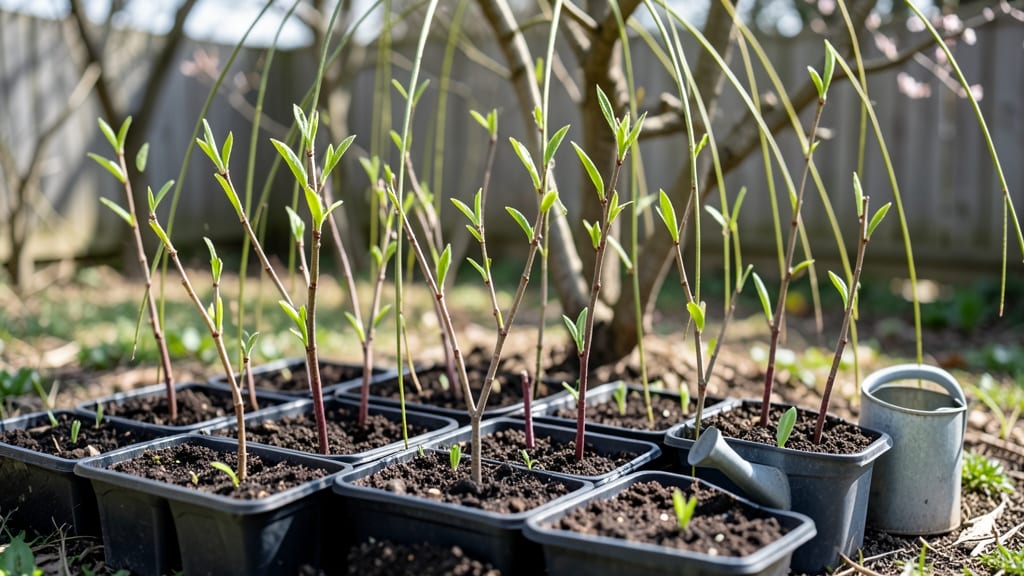
Growing weeping cherry tree seedlings from seed isn’t just possible—it’s a foolproof way to get the graceful branches you love for a fraction of the cost. 🌱 I’ve watched my own seedlings transform from tiny specks into trees that now shade my patio, and the secret starts with stratification, a simple cold treatment that mimics winter’s magic.
You’ll need just three things: seeds (or bare-root seedlings), a plastic bag, and patience—about 8-12 weeks of it. The process is gentle: moisten your seeds, seal them in damp paper towels, then refrigerate them.
No fancy equipment, no guesswork—just nature doing its thing while you sip coffee and wait. Even if you’ve killed houseplants before, this method works.
By spring, you’ll have seedlings with strong roots and the promise of delicate pink blooms by year three. The payoff? A tree that grows slower but lives longer, with branches that cascade like a living waterfall.
And the best part? You’ll avoid the heartbreak of nursery-bought trees that struggle to adapt.
Works in zones 5-8, whether you’re planting in containers or the ground. Let’s get those seeds ready for their big debut—your future tree is waiting just beneath the soil.
📚 In This Guide
- What you need
- Instructions
- Tips and common mistakes
- Wrapping up and next steps
What you need
- ● Weeping cherry tree seeds – 10-20 seeds (ensure they’re fresh or properly stored).
- ● Stratification medium – 2 cups of moist peat moss or cocopeat (or a 50/50 mix of both).
- ● Plastic bag or airtight container – A quart-sized zip-top bag or small Tupperware.
- ● Refrigerator – A standard fridge (34–40°F / 1–4°C) for cold stratification.
- ● Planting pots or seed trays – 4–6 small pots (3–4 inches deep) or a seed tray with drainage holes.
- ● Well-draining potting mix – 2–3 gallons of a blend designed for seedlings (e.g., 50% peat moss, 30% perlite, 20% compost).
- ● Spray bottle – For gentle watering to avoid disturbing seeds.
- ● Grow lights or sunny windowsill – A 12–16 hour light source (natural or artificial).
- ○ Heat mat (optional) – A seedling heat mat (70–75°F / 21–24°C) to speed germination.
- ● Seedling heating pad – Keeps soil warm during stratification.
- ● Humidity dome – Retains moisture while seeds germinate.
- ● pH testing kit – Ensures your potting mix is slightly acidic (pH 6.0–6.5).
- ● Fertilizer (balanced, low-nitrogen) – Like a 5-5-5 mix, diluted to half-strength for young seedlings.
- ● Label markers – To track planting dates and varieties.
How to stratify weeping cherry tree seedlings for spring planting
Here’s my foolproof method for breaking dormancy—no guesswork, just reliable results.
🌱 Step 1: Collect and Prepare the Seeds
Harvest seeds from fully ripened cherries in late summer or fall. Remove the pits and let them dry completely for 1-2 weeks in a cool, dark place. This mimics natural drying conditions and prevents mold. I spread them on a paper towel in a single layer, checking daily for moisture.
Once dry, store the seeds in a sealed container with a bit of damp sand or peat moss. The goal is 50-60% moisture—enough to keep them from drying out but not soggy. This pre-moisture jumpstarts the stratification process. Real talk: Skipping this step means seeds may never germinate, as weeping cherries need this cold treatment to break dormancy.
⏰ Step 2: Cold Stratify for 6-8 Weeks
Place the sealed container in your refrigerator’s crisper drawer, where temperatures hover around 35-40°F. This mimics winter’s natural cold period. Check the moisture every 2-3 weeks—if the sand feels dry, lightly mist it. Overly wet conditions invite rot, while too-dry seeds stall germination.
After 6-8 weeks, you’ll see tiny cracks in the seed coats or even a slight sprout. That’s your cue to move them to a warmer spot. I like to place them in a 65-70°F environment (like a sunny windowsill) to encourage consistent germination. Here’s the thing—if seeds haven’t sprouted by week 10, they may need another month of cold treatment.
☀️ Step 3: Sow Stratified Seeds in Light Mix
Fill small pots with a light, well-draining mix—I use a 50/50 blend of peat moss and perlite. Plant seeds ½ inch deep, spacing them 1 inch apart to avoid crowding. Gently firm the soil around them to ensure good contact. Water lightly with a spray bottle, keeping the mix moist but not waterlogged.
Cover the pots with plastic wrap or a humidity dome to retain warmth and moisture. Place them in bright, indirect light—a south-facing window works, but avoid direct sun, which can overheat the soil. Germination typically takes 4-8 weeks, depending on seed vigor. You’ll know it’s working when the first true leaves appear, signaling the seedling is ready for transplanting into larger containers.
Tips & tricks for perfect weeping cherry tree seedling stratification
A few strategic moves will help you avoid the most common pitfalls with weeping cherry seed germination.
Seed Selection: Only use seeds from fully ripened cherries—unripe seeds won't break dormancy properly. Look for plump, dark pits with no cracks. I've learned the hard way that seeds from underripe fruit often rot during stratification. If you're harvesting from your own tree, wait until the fruit is completely soft and dark red before collecting seeds.
Moisture Management: The 50-60% moisture target in Step 1 is critical—too dry and the seeds won't activate, too wet and they'll rot. I use a spray bottle to lightly mist the sand every 2-3 days until it feels like a wrung-out sponge. You can test moisture by squeezing a handful: it should feel damp but not dripping. This balance prevents both mold and dehydration during the cold treatment.
Temperature Transition: Moving seeds from 35-40°F to 65-70°F should happen gradually over 1-2 days. I place the container in a cool room (around 50°F) for 24 hours before moving to the sunny windowsill. This mimics spring's gradual warming and prevents shock that could stall germination. Watch for condensation on the container—this indicates too rapid a temperature change.
Germination Environment: Bright, indirect light is key in Step 3—direct sunlight can overheat the soil mix and cause seedlings to dry out. A north-facing window or fluorescent grow lights work well. I've found that placing a small fan nearby creates gentle airflow, which strengthens seedlings and prevents fungal issues. Just keep it at a low setting to avoid drying out the soil.
Pro Tips for Weeping Cherry Tree Seedlings
- A few strategic moves will help you avoid the most common pitfalls with weeping cherry seed germination.
- Seed Selection: Only use seeds from fully ripened cherries—unripe seeds won't break dormancy properly.
- Moisture Management: The 50-60% moisture target in Step 1 is critical—too dry and the seeds won't activate, too wet and they'll rot.
Frequently asked questions
Got questions about growing weeping cherry tree seedlings? You’re not alone!
Here are answers to the most common concerns—from timing to troubleshooting—so you can nurture healthy seedlings with confidence.
When is the best time to plant weeping cherry tree seedlings?
Plant seedlings in early spring (after the last frost) or fall (6–8 weeks before your first frost). Spring planting gives them time to establish roots before summer heat, while fall planting allows roots to grow in cool soil. Avoid planting in extreme heat or cold—seedlings need gentle conditions to thrive!
How long does it take for weeping cherry seedlings to bloom?
Patience is key! Weeping cherry seedlings typically take 3–5 years to produce their first blooms, depending on care, climate, and variety. Focus on healthy growth first—proper watering, sunlight (6+ hours/day), and soil drainage set the stage for stunning spring flowers.
Can I grow weeping cherry trees from seed, or should I buy seedlings?
While possible, growing from seed is not recommended for weeping cherries. Seedlings may not retain the parent tree’s prized traits (like weeping shape or flower color). Buy certified seedlings from nurseries for consistent results. Plus, they’re already 1–2 years old, giving you a head start!
Why are my weeping cherry seedlings’ leaves turning yellow?
Yellow leaves often signal overwatering or poor drainage. Check soil moisture—it should stay damp but not soggy. Ensure pots/containers have drainage holes, and avoid waterlogging. If yellowing spreads, test for nutrient deficiencies (like iron) or pests (like spider mites). Adjust care and monitor progress!
Do weeping cherry seedlings need full sun, or can they grow in partial shade?
Ideally, plant seedlings in full sun (6+ hours/day) for vibrant blooms and strong growth. However, they can tolerate partial shade (4–6 hours of sun), especially in hot climates. Just expect fewer flowers and slower growth. If shading is unavoidable, choose a spot with morning sun for the best balance.
Pro Tip:
Mulch around seedlings with 2–3 inches of organic mulch (like wood chips) to retain moisture, regulate soil temperature, and suppress weeds. Keep mulch away from the trunk to prevent rot. Replenish as it breaks down—your seedlings will thank you!
Wrapping up and next steps
Growing weeping cherry tree seedlings is a rewarding journey that brings delicate blooms and serene beauty to your garden. By stratifying seeds, providing the right light and soil, and nurturing them with patience, you’re setting the stage for stunning spring displays. 🌸
Now that you’re armed with the know-how, it’s time to take action! Start your seedlings today—whether in a cozy indoor setup or a sunny outdoor spot—and watch your garden transform. Happy planting! 🌱