
Pruning
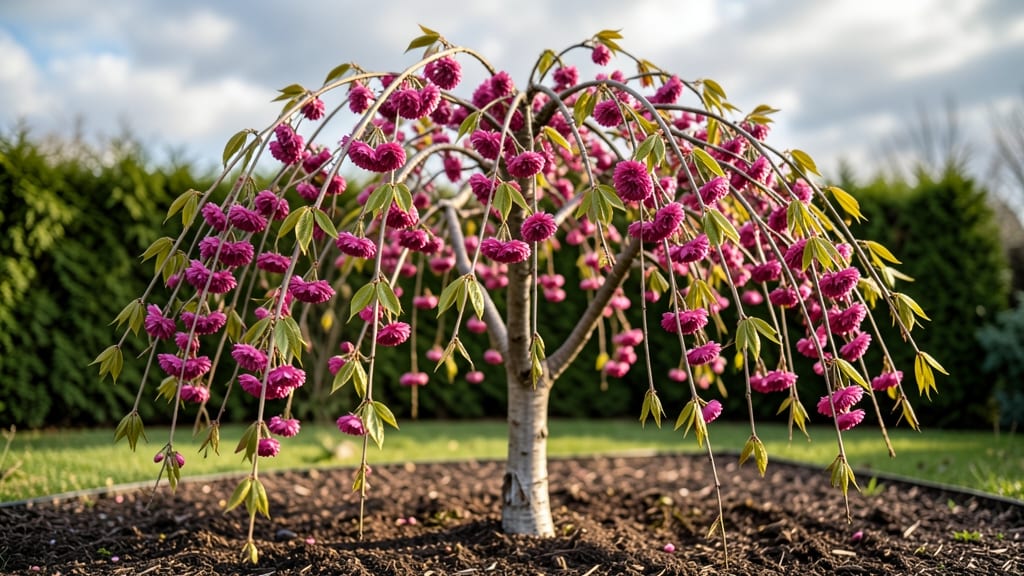
A weeping cherry tree in front of your house isn’t just a plant—it’s a living sculpture that transforms your curb appeal from ordinary to stunning year-round. The way its cascading branches frame your home’s facade, especially when pink blossoms burst in spring, makes every passerby pause and admire.
I’ve seen how this single tree can elevate a modest home into a showstopper, and it’s not just about looks—it’s about creating a space that feels intentional and serene.
Here’s the best part: weeping cherries thrive with minimal fuss. They love full sun but adapt to partial shade, and their graceful shape means you’ll prune less than with traditional trees.
Pair it with low-maintenance perennials like hostas or ornamental grasses, and you’ve got a design that’s both dramatic and easy to care for.
The key is spacing—plant it 15-20 feet from your house to avoid root competition with foundations, and you’ll get that perfect balance of presence without overwhelming your yard.
Imagine the scene: spring’s soft pink blooms, summer’s lush green canopy, autumn’s fiery foliage, and winter’s bare branches letting sunlight dance on your home’s siding. This tree doesn’t just grow—it tells a story with every season. The secret to keeping it thriving?
A well-drained soil mix, occasional watering during droughts, and the occasional prune to shape its natural elegance. It’s the kind of plant that makes neighbors ask, “What’s that tree?”—and then you get to brag about your landscaping genius.
Whether you’re going for a Japanese-inspired zen garden with gravel and moss, a modern minimalist look with clean lines, or a cottage-core charm with wildflowers at its base, this tree adapts beautifully.
Start with the right spot, add a few complementary plants, and let nature do the rest. Your home’s exterior will never look the same.
📚 In This Guide
- What you need
- Instructions
- Tips and common mistakes
- Wrapping up and next steps
What you need
- ● Weeping cherry tree (Prunus serrulata 'Pendula' or similar cultivar) – Choose a 1- to 3-gallon container-grown tree for easier planting.
- ● Shovel or trowel – A heavy-duty digging shovel (18-24" blade) for planting holes.
- ● Garden gloves – Durable, breathable leather or nitrile-coated to protect your hands.
- ● Mulch (2-4 inches) – Organic options like shredded bark or pine straw to retain moisture.
- ● Slow-release fertilizer (10-10-10 or balanced NPK) – 1-2 lbs per tree at planting.
- ● Watering can or hose with nozzle – Adjustable spray setting for gentle hydration.
- ○ Staking kit (optional but recommended for young trees) – 3 stakes + soft tree ties to prevent wind damage.
- ● Pruning shears – Bypass pruners (sharp, 6-8" blades) for clean cuts.
- ○ Loppers (optional) – For thicker branches (up to 1.5" diameter) if needed.
- ● Disinfectant spray (70% isopropyl alcohol) – To sterilize tools between cuts and prevent disease.
- ● Hand pruners (for fine trimming) – Anvil-style for delicate branches (if your tree needs shaping).
- ● Sunlight access – Full sun (6+ hours daily) for optimal growth.
- ● Well-draining soil – Amend clay soil with compost if needed.
- ● Space allowance – 15-20 feet wide and tall at maturity (account for branches!).
- ● Local climate check – Weeping cherries thrive in USDA Zones 5-8 (verify your zone!).
How to plant and maintain a stunning weeping cherry tree
Here's how to create a graceful, low-maintenance centerpiece that transforms your home's facade.
🌱 Step 1: Choose the Perfect Planting Location
Select a spot that receives full sun to partial shade—at least 6 hours of direct sunlight daily for optimal bloom performance. The tree thrives in well-drained soil with a pH between 5.5 and 7.0, so avoid low-lying areas where water pools after rain. I always test soil moisture by pressing my finger 2 inches deep—if it feels damp, the site is too soggy.
Position the tree 10-15 feet from the house to allow for mature spread while maintaining curb appeal. Weeping cherries grow 15-25 feet tall with a 20-30 foot spread, so account for this when planning. A south or southwest exposure ensures vibrant spring blooms and rich fall foliage.
🪴 Step 2: Prepare the Planting Hole and Soil
Dig a hole twice as wide as the tree's root ball but no deeper—this prevents root suffocation. Loosen the native soil at the hole's edges with a shovel to encourage root expansion. Amend the planting area with 2-3 inches of compost mixed into the top 12 inches of soil to improve drainage and fertility.
Place the tree in the hole so the top of the root ball sits level with the surrounding ground. Fill the hole with native soil, tamping gently to eliminate air pockets. Water deeply to settle the soil—10 gallons total—until moisture reaches the edges of the hole. Avoid compacting the soil too firmly, as this restricts root growth.
☀️ Step 3: Water and Mulch for Long-Term Health
Water the tree deeply twice weekly for the first month, then taper to once weekly once established. Check soil moisture by digging 3 inches deep—if dry, water again. Overwatering is a common mistake; weeping cherries hate soggy roots. A 3-inch layer of mulch (wood chips or bark) around the base helps retain moisture and regulates soil temperature.
Keep mulch 6 inches away from the trunk to prevent rot. Refresh the mulch layer annually in early spring. The first year is critical—young trees need consistent moisture to develop strong roots. After the first growing season, the tree becomes more drought-tolerant, but mulch remains essential for winter protection.
✂️ Step 4: Prune Strategically for Shape and Health
Prune only to remove dead, diseased, or crossing branches in late winter or early spring before buds swell. Never prune in fall, as this invites fungal infections. Use clean, sharp pruners to make cuts just outside the branch collar—the swollen area where the branch meets the trunk. Avoid heavy pruning, as weeping cherries rely on their natural shape for beauty.
If you notice leggy growth, trim back 10-15% of the longest branches to encourage bushier foliage. The goal is to maintain the tree’s graceful weeping habit while removing only what’s necessary. Pruning after blooms fade in early summer can reduce next year’s flower production, so time it carefully.
⏰ Step 5: Protect and Nurture Through the Seasons
In late winter, apply a 2-inch layer of mulch to insulate roots from freezing temperatures. Weeping cherries tolerate cold well but benefit from winter protection in harsh climates. Avoid fertilizing in fall, as new growth won’t harden off before winter. Instead, focus on watering deeply in early autumn to prepare for dormancy.
Spring is the time for light fertilization—use a balanced 10-10-10 formula at half strength in early March. Watch for signs of stress, like yellowing leaves or stunted growth, which may indicate overwatering or nutrient deficiency. A healthy weeping cherry should show vibrant pink blooms in spring, lush green foliage in summer, and stunning red or orange fall color—proof you’re on the right track.
Tips & tricks for perfect weeping cherry tree planting
Here's what I've learned after planting and maintaining weeping cherries for years—these details make all the difference for long-term success.
Soil Testing is Non-Negotiable: While the pH range of 5.5-7.0 is ideal, I recommend testing your soil before planting. Many garden centers offer affordable test kits—this prevents potential problems with nutrient availability. If your soil tests acidic (below 5.5), work in 2-3 pounds of lime per 100 square feet and retest in 3 months. The 6 hours of sunlight requirement is critical too; partial shade areas often mean fewer blooms and less vibrant fall color.
The Planting Depth Secret: When positioning your weeping cherry, the top of the root ball should sit exactly level with the surrounding ground—not buried, not exposed. I've seen many gardeners bury the root ball slightly, which can lead to root suffocation. After planting, water with the full 10 gallons immediately to eliminate air pockets and help the soil settle around the roots. This single step dramatically improves establishment.
Mulch Application Technique: The 3-inch layer of mulch should extend outward from the trunk but stop 6 inches away to prevent rot. I use wood chips because they break down slowly, maintaining their insulating properties. Refreshing the mulch annually in early spring creates a protective barrier that regulates soil temperature and retains moisture—especially important during the critical first year when roots are developing.
Pruning Timing Matters: Late winter or early spring is the only safe time to prune weeping cherries. I've made the mistake of pruning in fall, which led to fungal infections the following spring. When you do prune, make clean cuts just outside the branch collar. The 10-15% rule for leggy branches works well—never remove more than this to maintain the tree's natural weeping habit and avoid stressing it.
Pro Tips for Weeping Cherry Tree In Front Of House
- Here's what I've learned after planting and maintaining weeping cherries for years—these details make all the difference for long-term success.
- Soil Testing is Non-Negotiable: While the pH range of 5.5-7.0 is ideal, I recommend testing your soil before planting.
- The Planting Depth Secret: When positioning your weeping cherry, the top of the root ball should sit exactly level with the surrounding ground—not buried, not exposed.
Frequently asked questions
Got questions about adding a weeping cherry tree to your front yard?
Here are answers to the most common ones—so you can plant with confidence and enjoy its beauty for years!
How much space does a weeping cherry tree need in front of a house?
A mature weeping cherry tree typically spreads 15–25 feet wide and reaches 15–20 feet tall. Plant it at least 10–15 feet from your house (check local codes) to avoid root interference with foundations or sidewalks. Dwarf varieties (like Prunus serrulata 'Kanzan') stay smaller but still make a stunning statement!
When is the best time to plant a weeping cherry tree?
Plant in early spring or fall when temperatures are mild (50–70°F). Avoid extreme heat or frost—roots need time to establish before winter. Pro tip: Water deeply after planting and mulch to retain moisture while the tree settles in!
Do weeping cherry trees need a lot of pruning?
Not at all! These trees are low-maintenance—just remove dead or crossing branches in late winter/early spring. Avoid heavy pruning in summer (it stresses the tree). Bonus: Their natural weeping shape means minimal shaping work for you!
What’s a good alternative if my yard isn’t big enough?
Consider dwarf weeping cherry varieties (e.g., 'Shirotae' or 'Snow Fountain') or smaller ornamental trees like Japanese maples or ornamental pears. For instant curb appeal, try a potted weeping cherry in a large container (just ensure it gets full sun!).
Are weeping cherry trees prone to pests or diseases?
They’re generally hardy, but watch for aphids, borers, or fungal issues (like powdery mildew). Preventative tip: Space trees for airflow, water at the base (not leaves), and prune for sunlight access. Most problems are manageable with proper care!
How much does a weeping cherry tree cost?
Prices vary by size and variety:
- Small (3–5 ft): $50–$150
- Medium (6–10 ft): $150–$300
- Large/Mature (15+ ft): $300–$800+
Check local nurseries or online retailers for sales—spring is often the best time to find deals!
Wrapping up and next steps
A weeping cherry tree in front of your house isn’t just a stunning visual—it’s a low-maintenance masterpiece that thrives with minimal pruning while delivering year-round charm. Whether you’re drawn to its delicate blossoms, graceful branches, or seasonal foliage, this tree proves beauty and simplicity go hand in hand. 🌸
Ready to transform your outdoor space? Start by choosing the right variety for your climate and soil, then follow the pruning tips shared here to keep it healthy and breathtaking.
With just a little care, your weeping cherry tree will become the envy of the neighborhood—and your new favorite focal point!