
Pruning
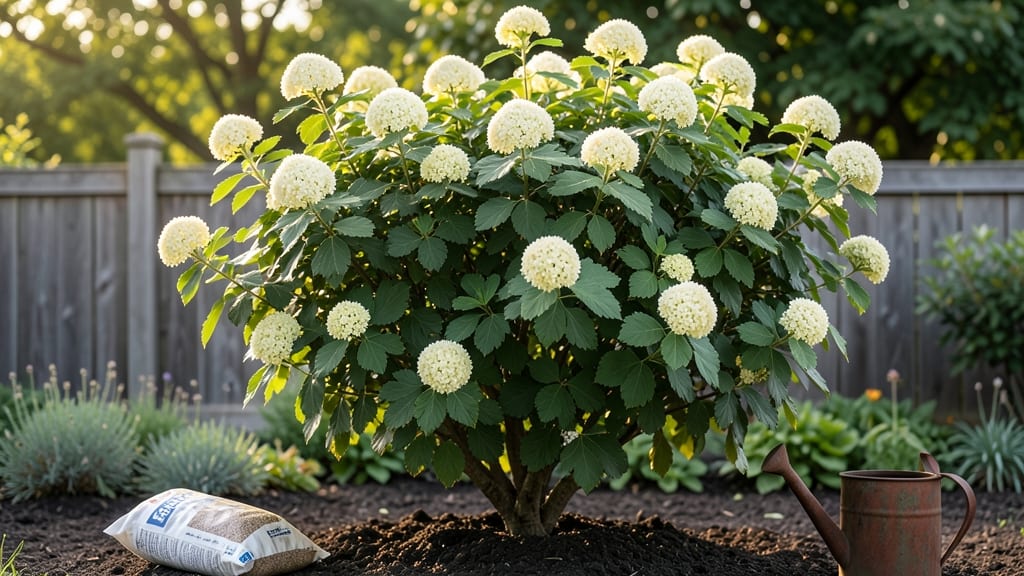
Your Viburnum Snowball tree could bloom twice as long with just three strategic cuts this season. 🌿 I’ve pruned mine for years, and the difference in flower abundance is shocking—once you know the right time and technique, it’s foolproof even for beginners.
The secret lies in when you prune: late winter or early spring before new growth starts. You’ll remove dead wood, shape the shrub, and encourage fresh blooms on last year’s growth.
Most people overlook this step, but it’s what transforms a decent shrub into a showstopper with football-sized clusters of white flowers from spring to summer.
By summer’s end, you’ll have a tree that stays lush and productive, with fewer bare stems and more vibrant foliage. The berries that follow add another layer of interest, and the whole plant becomes a magnet for pollinators. It’s the kind of shrub that makes neighbors ask, “What’s your secret?”
Works for both sunny borders and partial shade spots, and the same principles apply whether you’re dealing with a young plant or an established shrub. Let’s get those blooms going strong!
📚 In This Guide
- What you need
- Instructions
- Tips and common mistakes
- Wrapping up and next steps
What you need
- ● Pruning shears: Bypass pruners (sharp, clean, and disinfected to prevent disease). Look for ergonomic handles for comfort.
- ● Loppers: For thicker branches (up to 2 inches in diameter). Opt for bypass-style loppers for precision cuts.
- ● Hand pruners: For smaller branches or detailed trimming (anvil-style is fine for occasional use).
- ● Gloves: Heavy-duty gardening gloves to protect your hands from thorns and rough bark.
- ● Disinfectant: 70% isopropyl alcohol or a gardening-specific disinfectant to sterilize tools between cuts.
- ● Rubbing alcohol or bleach solution: 1 part bleach to 9 parts water (for cleaning tools).
- ○ Pruning sealant (optional but recommended): Tree wound sealant (like Tanglefoot Tree Wound Pruning Seal) to protect larger cuts.
- ● Ladder or step stool: If your tree is taller than 6 feet (ensure it’s stable and safe!).
- ● Trash bags or bucket: For collecting pruned branches and debris.
- ● Safety glasses: To shield your eyes from debris.
- ● Knee pads: For comfort if you’re working on the ground.
- ● Notebook & pen: To jot down notes on cuts made or future pruning plans.
- ● Extension pole pruners: For high branches (if you don’t want to use a ladder).
- ● Mulch: Organic mulch (like shredded bark) to replenish after pruning.
How to prune a viburnum Snowball tree for continuous blooms
Here's the straightforward method I use every year to keep my viburnum looking lush and flowering nonstop.
✂️ Step 1: Clean Up Last Year's Blooms After They Fade
Right after your snowball clusters turn brown and fall—usually in late spring—grab your pruners and cut the entire flowered stem back to the first set of strong buds below the bloom. This isn't just about looks; removing spent blooms redirects the plant's energy into fresh growth and next year's flowers.
I always work on a dry morning when the branches aren't wet. Wet wood is harder to cut cleanly and can tear, leaving jagged edges that invite disease. Make your cuts at a 45-degree angle just above the bud, about ¼ inch above it. This angle helps water run off the cut instead of pooling and rotting the stem.
Don't worry if you miss a few stems here and there—they'll still produce flowers, but you'll get the most dramatic blooms if you're thorough. Real talk: I've skipped this step before, and while the tree still flowers, it's noticeably less prolific the following year.
✂️ Step 2: Thin Out Crowded Branches in Early Summer
In early summer, when new growth is about 6-8 inches long, it's time to thin. Look for branches that cross each other or grow inward—they'll rub against one another and create wounds. Also remove any branches that are weaker than a pencil in diameter or growing straight up instead of outward.
When thinning, cut all the way back to the main trunk or a strong lateral branch. Never leave a stub—it's an open invitation for disease. I like to step back every few cuts to visualize the shape. Your goal is an open center that lets light and air circulate, which prevents fungal issues and encourages more blooms.
Here's the thing—if your viburnum is young (under 5 years old), skip this step entirely. Young trees need all their branches to establish a strong structure. Only start thinning once the plant has a well-defined shape.
✂️ Step 3: Lightly Shape and Remove Dead Wood in Late Winter
In late winter, before buds swell but after the worst cold snaps, do a final light pruning. Remove any dead, diseased, or damaged branches first—these are easy to spot as they're brown, brittle, or have no leaves. Cut these back to healthy wood, making your cuts just outside the branch collar where it meets the main stem.
Next, shape the tree by cutting back about ¼ to ⅓ of the previous year's growth on the outer branches. This keeps the tree compact and encourages new growth from the base. I never cut more than ⅓ of the plant's total volume in one year—this prevents shock and keeps the tree healthy.
You'll know you've done enough when you can see light filtering through the center of the tree. This isn't about making it look like a topiary—just open it up so air moves freely. After this cut, your viburnum will burst with fresh growth and next year's flower buds.
Tips & tricks for perfect viburnum Snowball tree pruning
A few simple tricks will help you keep your viburnum thriving and blooming beautifully year after year.
Timing is Everything: In Step 1, don't rush to prune after the flowers fade—wait until the clusters turn completely brown and start falling naturally. This usually happens in late spring, but timing varies by climate. I've learned the hard way that pruning too early can remove next year's flower buds before they form.
Tool Prep Matters: Before you start cutting in Step 1, sharpen your pruners and clean them with rubbing alcohol. Dull blades tear wood, creating jagged cuts that invite disease. I keep a small bottle of alcohol in my gardening toolbox specifically for this purpose—it's a game-changer for clean cuts that heal properly.
Visualize the Shape: When you're thinning branches in Step 2, step back every few cuts to visualize the tree's shape. Your goal is to create an open center that lets light and air circulate. Think of it like sculpting—you're not just removing branches, you're shaping the tree's future growth pattern.
Winter Pruning Insight: In Step 3, when you're shaping the tree, focus on removing branches that grow straight up rather than outward. These vertical branches create a "Christmas tree" shape that blocks light from reaching the center. Cutting them back encourages more horizontal growth that opens up the tree for better blooms.
Pro Tips for Viburnum Snowball Tree
- A few simple tricks will help you keep your viburnum thriving and blooming beautifully year after year.
- Timing is Everything: In Step 1, don't rush to prune after the flowers fade—wait until the clusters turn completely brown and start falling naturally.
- Tool Prep Matters: Before you start cutting in Step 1, sharpen your pruners and clean them with rubbing alcohol.
Frequently asked questions
Got questions about keeping your Viburnum Snowball Tree in top shape? Here are some of the most common concerns—and their answers—to help you prune like a pro!
When is the best time to prune my Viburnum Snowball Tree?
The ideal time is late winter or early spring (just before new growth starts). This ensures you remove dead wood while leaving next year’s blooms intact. Avoid pruning in fall, as late cuts can reduce flowering potential. For light shaping, you can also trim after blooming, but focus on removing spent flowers to encourage more blooms!
How much can I cut back without harming the tree?
You can safely remove up to one-third of the tree’s total growth in a single pruning session. For mature trees, avoid over-pruning—focus on removing dead, diseased, or crossing branches first. Thin out dense areas to improve airflow, but never cut back into old wood (the thick, woody stems), as this reduces flowering potential.
Why isn’t my Viburnum Snowball Tree blooming as much as it used to?
Over-pruning (especially in late summer or fall) is the #1 culprit! Blooms form on old wood, so aggressive cuts can remove next year’s flower buds. Also check for nutrient deficiencies (like nitrogen) or pests/disease. If the tree is healthy but still sparse, try fertilizing in early spring and prune lightly to encourage new growth.
Can I grow a Viburnum Snowball Tree in a container?
Yes! Just choose a large, sturdy container (at least 20+ gallons) with drainage holes. Use well-draining potting mix and water consistently (containers dry out faster). Prune more aggressively in spring to control size, but avoid root-bound conditions. Move containers to partial shade in summer to prevent stress—these trees thrive in filtered light!
What pests should I watch for on my Viburnum Snowball Tree?
Common pests include aphids, scale insects, and spider mites, which can weaken the tree. Look for sticky residue, yellowing leaves, or webbing. Treat mild infestations with neem oil or insecticidal soap. For severe cases, prune and dispose of heavily infested branches. Keep the area around the tree clean to deter pests!
Pro Tip: Label your cuts!
Use a permanent marker to tag branches you’re unsure about (e.g., “Dead?” or “Crossing?”). Revisit in a few weeks—if the branch is still brown, remove it. This helps avoid guesswork and keeps your tree healthy!
Wrapping up and next steps
The Viburnum Snowball tree is a stunning addition to any garden, offering year-round beauty with minimal effort—thanks to its resilient nature and simple pruning routine. With just three key cuts, you can encourage lush blooms, maintain its shape, and keep it thriving for seasons to come.
Now that you’re armed with the right tools, techniques, and tips, there’s no better time to roll up your sleeves and give your Snowball tree the care it deserves!
🌿 Ready to transform your garden? Grab your pruners, pick a sunny day, and start pruning—your tree (and future blooms!) will thank you! For extra inspiration, browse before-and-after photos or join gardening forums to share your progress. Happy pruning! 🌸