
Pruning
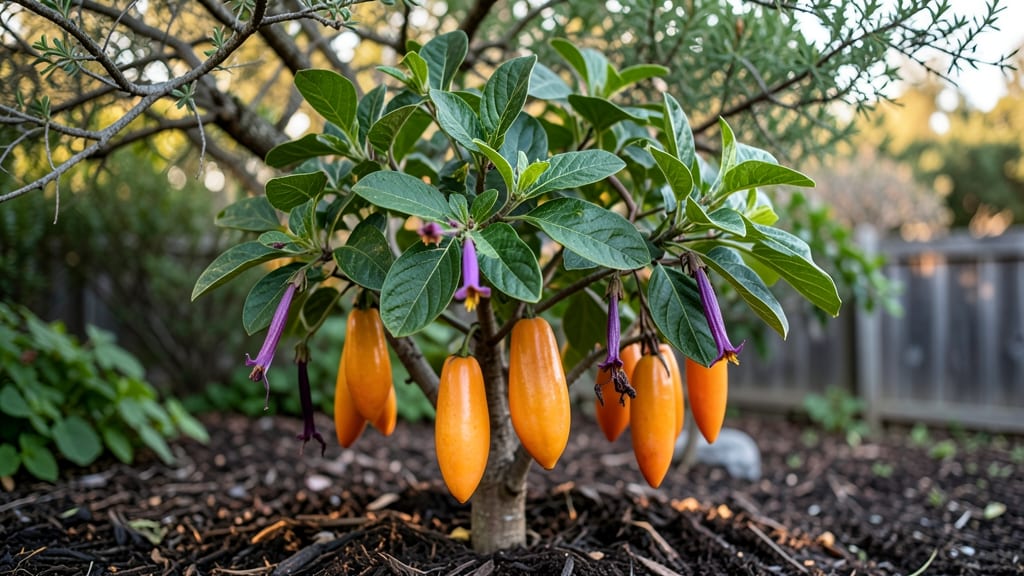
Tree tomato fruit—also called tamarillo—packs a bold, tangy punch that’s nothing like your average tomato. 🌱 I grew mine last summer in containers on my patio, and the harvest changed how I think about tropical flavors.
Unlike regular tomatoes, these need warm nights, well-draining soil, and a little extra TLC to thrive.
The key to success starts with full sun (6+ hours daily) and soil that drains like a sandy loam—think cactus mix with compost. Plant in spring after frost, space them 3-4 feet apart, and water deeply 2-3 times per week once fruit sets.
Prune leggy growth in early spring to encourage bushier plants and better airflow.
By midsummer, you’ll be picking glossy red or yellow fruits that taste like a mix of tomato, citrus, and pepper. They’re perfect for sauces, jams, or fresh eating—just wait until you try one straight off the vine.
The first harvest is the most exciting part, but troubleshooting blossom drop or cracking comes next.
Even in cooler climates, you can grow tree tomatoes in pots and bring them indoors for winter. They’re frost-sensitive but reward patience with vibrant, flavor-packed harvests year after year. Let’s get those plants thriving!
📚 In This Guide
- What you need
- Instructions
- Tips and common mistakes
- Wrapping up and next steps
What you need
- ● Tree Tomato Seeds (Solanum betaceum) – 10-20 seeds (choose heirloom or hybrid varieties like ‘Pink Banana’ or ‘Red Banana’).
- ● Well-draining potting mix – 5-10 gallons (blend garden soil with compost and perlite for aeration).
- ● Containers or garden plot – 5-gallon pots (minimum 12" deep) or a sunny garden bed (6+ hours of sunlight daily).
- ● Organic fertilizer – Balanced 10-10-10 or compost tea (for seedlings and mature plants).
- ● Watering can or hose with spray nozzle – For gentle, deep watering (avoid soggy roots!).
- ● Pruning shears – Sharp, sterilized shears (for shaping and harvesting).
- ○ Support stakes or trellis – 5-6 ft tall (tree tomatoes can grow 8+ ft; optional but helpful for heavy fruit!).
- ● pH test kit – Ideal soil pH: 5.8–6.5 (tree tomatoes love slightly acidic soil).
- ● Mulch (straw or wood chips) – 2–3 inches to retain moisture and suppress weeds.
- ● Grow lights (for indoor starts) – LED bulbs (12–16 hrs/day) if germinating seeds indoors.
- ● Cage or net – To protect young plants from pests like birds or squirrels.
- ● Harvest basket or mesh bag – For gently collecting ripe (but firm) fruit.
- ○ Gloves (optional) – Tree tomato leaves can be prickly—protect your hands!
Step-by-step guide to cultivating tree tomatoes
Here’s how to grow these tropical fruits with minimal fuss—just follow these clear steps.
🌱 Step 1: Start Seeds Indoors for Early Growth
Tree tomato seeds (also called tamarillo) need warmth to germinate. Fill a small container with seed-starting mix and plant 2 seeds per cell just ¼ inch deep. Cover lightly with more mix and mist until damp. Place the tray in a warm spot—75-85°F speeds up germination, which usually happens in 10-14 days.
Keep the soil consistently moist but not soggy. Once sprouts appear, remove any plastic wrap immediately to prevent fungal issues. Watch for the first true leaves (not the initial seed leaves) before transplanting.
☀️ Step 2: Transplant Seedlings to Larger Pots
After 4-6 weeks, when seedlings have 3-4 true leaves, move them to 5-6 inch pots filled with well-draining potting mix. Gently loosen the roots before transferring to avoid shocking the plant. Water thoroughly after transplanting to settle the soil.
Place the pots in a bright, sunny spot—tree tomatoes thrive in full sun (6+ hours daily). If growing indoors, supplement with a grow light kept 4-6 inches above the plants. Yellowing leaves signal too little light.
🪴 Step 3: Acclimate and Plant Outdoors
Once nighttime temperatures stay above 55°F, harden off seedlings by placing them outside for 1-2 hours daily over 7-10 days. Gradually increase exposure to sunlight and wind. Choose a sunny, sheltered spot with well-draining soil for planting.
Dig a hole twice as wide as the root ball but no deeper. Space plants 6-8 feet apart—they grow large and need room. Water deeply after planting to encourage root establishment. Mulch around the base to retain moisture.
💧 Step 4: Maintain Water and Fertility
Water deeply 1-2 times per week, ensuring the top 2 inches of soil stay dry between waterings. Overwatering causes root rot, while underwatering stresses the plant. Tree tomatoes prefer consistent moisture but hate soggy roots.
Fertilize every 4-6 weeks with a balanced, water-soluble fertilizer during the growing season. Reduce feeding in winter when growth slows. Prune leggy stems to encourage bushier growth and better fruit production.
✂️ Step 5: Harvest and Prune for Continued Growth
Fruits ripen 6-8 months after planting, turning from green to deep purple or red. Harvest when they soften slightly and pull away from the vine. Use pruning shears to avoid damaging the stem—pick in the morning for the best flavor.
After harvesting, trim back any dead or overcrowded branches to improve airflow. This prevents disease and encourages more fruit production. With proper care, your tree tomato plant can yield harvests for years.
Tips & tricks for growing tree tomatoes
Confession: I skipped the germination step for years and wondered why my seeds never sprouted—until I learned these game-changing tricks.
Heat Factor: For the 75-85°F germination range, I use a seedling heat mat under my seed trays. If you don't have one, place the tray on top of your fridge or near a sunny window during the day. The key is maintaining that warmth consistently—cold soil will delay or prevent germination entirely. Once sprouts appear, move them to normal room temperature to prevent overgrowth.
Transplanting Strategy: In Step 2, when moving seedlings to 5-6 inch pots, I always loosen the roots by gently teasing them apart with my fingers. This prevents transplant shock and encourages the roots to spread quickly in their new home. Water thoroughly after transplanting to help settle the soil and remove any air pockets around the roots.
Hardening Off: The 7-10 day hardening off period in Step 3 is where most people fail. Start with just 1-2 hours the first day and increase gradually. I place my seedlings in a sheltered spot where they get morning sun but afternoon shade—this mimics natural conditions and prevents leaf scorch. Watch for any wilting or yellowing leaves as signs they're not ready for full sun exposure.
Fertilizer Timing: When fertilizing every 4-6 weeks, I use half the recommended strength on the first feeding after transplanting. This gives your tree tomato time to adjust to its new environment before introducing extra nutrients. Also, always water your plant thoroughly before and after fertilizing to prevent root burn.
Pro Tips for Tree Tomato Fruit
- Confession: I skipped the germination step for years and wondered why my seeds never sprouted—until I learned these game-changing tricks.
- Heat Factor: For the 75-85°F germination range, I use a seedling heat mat under my seed trays.
- Transplanting Strategy: In Step 2, when moving seedlings to 5-6 inch pots, I always loosen the roots by gently teasing them apart with my fingers.
Frequently asked questions
Got questions about growing and enjoying tree tomato fruit? You’re not alone! Here are some of the most common queries from gardeners and foodies alike—plus quick, practical answers to help you succeed.
How long does it take for a tree tomato plant to bear fruit?
A healthy tree tomato (Solanum betaceum) typically starts flowering 6–12 months after planting and produces fruit within 3–6 months after flowering, depending on climate and care. In warmer regions, you might see your first harvest as early as 8–10 months. Patience pays off—these plants reward consistency with bold, vibrant fruit!
Can I grow tree tomatoes in containers, or do they need a garden bed?
Tree tomatoes thrive in large containers (15+ gallons) as long as they get full sun (6+ hours/day) and well-draining soil. Use a balanced fertilizer (like 10-10-10) every 4–6 weeks and ensure the pot has drainage holes. Just be prepared to prune aggressively to control size—container-grown plants may need staking or trellising.
Why are my tree tomato flowers falling off before fruiting?
This is often due to pollination issues, stress, or environmental factors. Try these fixes:
- Hand-pollinate flowers with a soft brush or gently shake the plant.
- Ensure consistent watering—drought stress causes drop-off.
- Avoid over-fertilizing with nitrogen (too much promotes leaves, not fruit).
- Check for pests (aphids, spider mites) or disease (powdery mildew).
How do I know when tree tomatoes are ripe and ready to pick?
Ripeness varies by variety, but look for these clues:
- Color shift: Most turn from green to yellow, orange, or deep red (depending on the type).
- Texture: Firm but slightly soft when gently squeezed (like a ripe avocado).
- Scent: A sweet, tangy aroma near the stem.
Pro tip: Pick them before they overripe—they don’t ripen well off the vine! Store in a cool, dark place for 1–2 weeks.
Are tree tomatoes spicy? Can I reduce the heat if I dislike it?
Tree tomatoes have a mild, peppery kick (like a cross between tomato and bell pepper), but the heat is far milder than jalapeños or chilies. If you prefer sweeter fruit:
- Choose yellow or orange varieties (often less spicy than red).
- Harvest smaller, less mature fruit—they’re milder.
- Balance the flavor with sweet ingredients (honey, pineapple, or citrus) in recipes.
Fun fact: The heat comes from capsaicin-like compounds, but it’s not as intense as true peppers!
Wrapping up and next steps
Growing tree tomato fruit is a rewarding journey that blends tropical flair with hands-on gardening—perfect for adventurous green thumbs! With the right pruning techniques, soil prep, and patience, you’ll soon enjoy a bountiful harvest of those bold, peppery delights. 🌱✨
Ready to take the next step? Start by planting your sapling in a sunny spot, then monitor its growth closely. Before you know it, you’ll be savoring homegrown tree tomatoes—whether fresh, pickled, or in your favorite dishes. Happy growing! 🍅🔥