Pruning
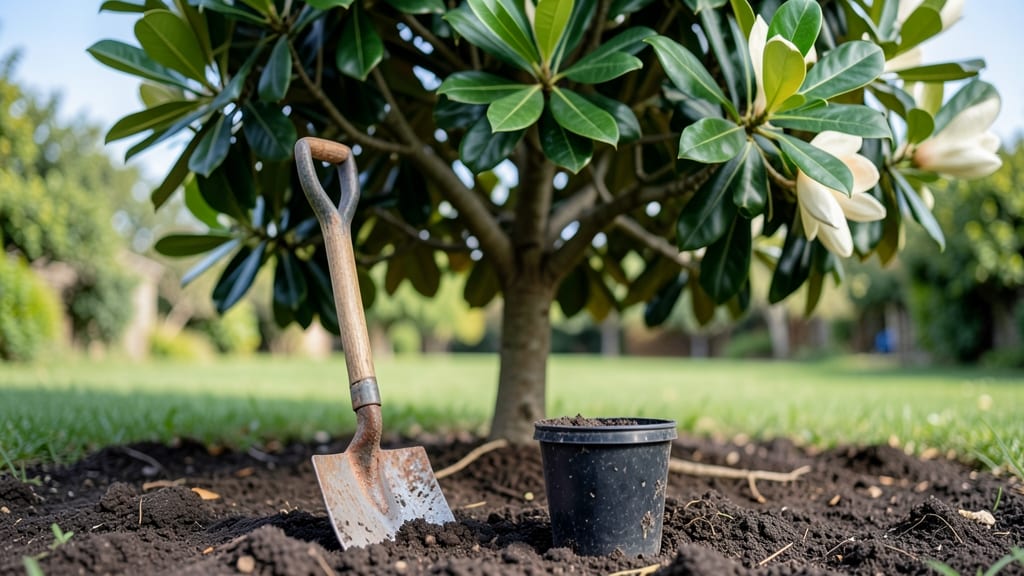
Planting a tree as part of your wedding isn’t just a trend—it’s a timeless promise to nurture love and legacy together. 🌳 The first time I saw a couple plant a flowering dogwood during their ceremony, I knew it was more than decoration; it became the heart of their celebration.
Guests gathered beneath its branches, exchanging vows under dappled sunlight, while the tree symbolized roots as deep as their commitment.
Fast-growing varieties like redbuds or crepe myrtles offer instant romance, while slower-growing oaks or magnolias create a lasting legacy. The key is choosing a tree that blooms or changes color during your wedding season, ensuring your canopy evolves with your love story.
We’ll cover everything from selecting the perfect species to planting logistics that won’t disrupt your big day.
Imagine exchanging rings beneath a tree you’ve chosen together, its leaves rustling like a whispered promise. Your guests will leave with more than memories—they’ll carry the knowledge that your love is planted to grow, just like the tree standing as your witness.
The planning might feel overwhelming at first, but with the right approach, it becomes one of the most meaningful elements of your celebration.
Whether you’re dreaming of a rustic woodland ceremony or a grand garden reception, trees can transform your venue into something magical. We’ll walk through creative ways to incorporate them—from ceremonial plantings to decorative arrangements—that make your wedding feel like a fairy tale come to life.
📚 In This Guide
- What you need
- Instructions
- Tips and common mistakes
- Wrapping up and next steps
What you need
- ● Native Tree Saplings: 10–20 (depending on guest count; choose fast-growing, low-maintenance species like dogwood, magnolia, or redbud).
- ● Root Stimulator: 1–2 bottles (to boost sapling survival rates).
- ● Compost or Mulch: 5–10 bags (3–5 cubic feet each) to retain moisture and suppress weeds.
- ● Shovels or D-handle Transplants: 5–10 (one per 2–3 guests for digging holes).
- ● Watering Cans or Hoses: 3–5 (with extenders for easy access).
- ● Gloves (gardening & work gloves): 10 pairs (for comfort and hygiene).
- ● Stakes & Twine: 20 stakes + 5 rolls of twine (to support young trees).
- ● Plant Tags: 20–30 (engraved with names, dates, or messages).
- ● Personalized Tree Markers: Custom wooden or metal signs with your wedding details.
- ● Seedling Trays: For guests to take home saplings as favors.
- ● Portable Water Barrel: A large container for easy water distribution.
- ● Solar-Powered Lights: To illuminate the planting area as the sun sets.
- ● Eco-Friendly Signage: Directions, care tips, or a "Thank You for Growing Love" banner.
- ● Permits: Check local regulations for planting on private or public land.
- ● Location Scout: Confirm soil quality, sunlight, and drainage at your site.
- ● Guest Briefing: Provide a quick demo on planting techniques (or hire a gardener!).
- ● Weather Backup Plan: A tent or indoor activity for rainy days.
Step-by-step instructions for creating a tree-lined wedding arbor
Here’s how to craft a lush, romantic canopy that doubles as a lasting legacy.
🌱 Step 1: Select and Prepare Your Tree Species
Choose fast-growing, ornamental trees that thrive in your climate. I recommend varieties like Bradford pear (for fragrant blooms) or ornamental cherry (for stunning spring blossoms) to ensure they’re mature enough for your wedding season. Verify the minimum spacing requirements—typically 15-20 feet apart for mature canopies—so branches intertwine beautifully without overcrowding.
Dig 12-18 inch deep holes for each tree, using a posthole digger or manual auger. The hole should be twice as wide as the root ball to encourage root expansion. Amend the native soil with 2-3 inches of compost at the bottom of each hole to boost early root growth. This step is critical—skipping it can lead to stunted growth or poor establishment.
☀️ Step 2: Plant Trees with Precision and Support
Position each tree in the hole so the top of the root ball sits 2-3 inches above ground level. This prevents soil from settling and suffocating the trunk. Backfill with the amended soil, tapping the sides of the hole gently to remove air pockets. Water deeply to settle the soil and encourage root contact.
Stake each tree only if necessary—young trees in windy areas benefit from two stakes positioned diagonally and secured with soft tree ties (never wire or anything that can girdle the trunk). Mulch the base with 3 inches of organic mulch, keeping it 6 inches away from the trunk to prevent rot. This mulch layer retains moisture and suppresses weeds, but avoid piling it too close to the stem.
💧 Step 3: Establish a Watering and Care Routine
Water each tree twice weekly for the first month, providing 10-15 gallons per tree to ensure deep root penetration. Reduce to once weekly after the first month, but increase frequency during droughts. Overwatering is just as harmful as underwatering—check soil moisture by sticking your finger 2-3 inches deep; if it’s dry, water again.
Fertilize lightly with a balanced, slow-release fertilizer (10-10-10 ratio) in early spring and again in midsummer. Avoid heavy applications—the goal is to support growth, not shock the trees. Prune any broken or crossing branches immediately, but wait until late winter or early spring for major shaping to avoid stressing the tree before your wedding season.
⏰ Step 4: Plan for Long-Term Growth and Wedding Readiness
If planting 12-18 months before your wedding, your trees should develop a dense canopy with intertwining branches. For a quicker solution, consider renting or purchasing a temporary arbor made of lattice or branches, then plant the trees afterward as a lasting keepsake. Monitor for pests like aphids or borers—treat with neem oil or insecticidal soap if needed, but avoid harsh chemicals near your wedding site.
Test the canopy’s stability 3-6 months before the wedding by gently shaking branches to ensure they won’t shed leaves or break under guest movement. If branches are too sparse, prune selectively to encourage fuller growth. This is the moment that matters: your arbor should feel like a natural, breathtaking backdrop—not a DIY project.
Tips & tricks for perfect tree planting wedding canopy
Creating a lasting arbor for your wedding takes thoughtful planning—here’s how to ensure your trees thrive and transform into a breathtaking backdrop.
Species Selection Matters: Bradford pears and ornamental cherries are ideal for their seasonal beauty, but consider your climate zone. For example, dogwoods thrive in cooler regions, while crape myrtles handle Southern heat beautifully. Always check the mature height—you want branches to intertwine naturally at 15-20 feet apart without overcrowding. I recommend consulting a local nursery to verify hardiness zones and growth rates.
Soil Prep is Non-Negotiable: The 2-3 inches of compost you add to each hole isn’t just filler—it’s the foundation for root development. Mix it thoroughly with the native soil to create a nutrient-rich layer. For heavy clay soils, consider adding sand or perlite to improve drainage, while sandy soils benefit from extra compost or peat moss. This step prevents waterlogging, which can suffocate roots.
Staking Strategy for Stability: Only stake trees in windy areas, and use two diagonal stakes with soft ties to avoid trunk damage. I’ve seen wire ties cut into bark over time—always opt for fabric or rubber straps. Position stakes 6 inches away from the trunk and remove them after 12-18 months to prevent girdling. This gives roots time to anchor naturally.
Watering Wisdom: Those 10-15 gallons per tree in the first month might seem excessive, but deep watering encourages roots to grow downward. Use a moisture meter or stick your finger 2-3 inches deep—if it’s dry, water again. Early morning watering minimizes evaporation, and mulch helps retain moisture. Overwatering is just as harmful, so always check before adding more.
Pro Tips for Tree Planting Wedding
- Creating a lasting arbor for your wedding takes thoughtful planning—here’s how to ensure your trees thrive and transform into a breathtaking backdrop.
- Species Selection Matters: Bradford pears and ornamental cherries are ideal for their seasonal beauty, but consider your climate zone.
- Soil Prep is Non-Negotiable: The 2-3 inches of compost you add to each hole isn’t just filler—it’s the foundation for root development.
Frequently asked questions
Got questions about turning your wedding into a tree-planting celebration? You’re not alone! Here are some of the most common concerns—and their eco-friendly, love-filled answers.
How do I choose the right tree for a wedding?
Opt for fast-growing, native species like dogwood or magnolia for quick symbolism. Avoid invasive types—check with local nurseries or conservation groups for region-specific recommendations. A small sapling (1-3 feet tall) is ideal for planting during the ceremony, while larger trees can be pre-planted as a centerpiece.
When is the best time to plant a tree at a wedding?
Spring or early fall are the golden windows—mild temps and consistent rain help roots establish. If your wedding is in summer, schedule planting before or after the ceremony (e.g., a post-reception tree-planting ritual) and water it thoroughly. Avoid winter unless you’re in a frost-free zone!
Can we still have a tree planting if it rains?
Yes! Pack a clear canopy tent or umbrellas for the planting crew, and opt for a shaded ceremony spot nearby. Pre-dug holes and a backup indoor "symbolic planting" (e.g., guests write wishes on paper "roots" for a tree to be planted later) are great contingencies. Just ensure the ground isn’t waterlogged!
What if guests can’t help plant trees?
No problem! Offer alternatives like:
- Donations to reforestation orgs (e.g., One Tree Planted) in your name.
- Seed packets as favors—guests can plant their own.
- A pre-planted tree with a plaque honoring your love.
Do we need special tools or permits?
Basic tools: shovels, gloves, and watering cans (borrow or rent if needed). For permits, check with your venue or local urban forestry office—some areas require approval for public land. Pro tip: Call 811 in the U.S. to check for underground utilities before digging!
Wrapping up and next steps
A tree-planting wedding isn’t just a trend—it’s a meaningful way to celebrate love while leaving a lasting legacy for the planet. 🌱 Whether you’re dreaming of a lush ceremony under young saplings or a symbolic planting ritual, this eco-friendly approach adds depth, romance, and purpose to your big day.
Ready to turn your vision into reality? Start by reaching out to local arborists or environmental nonprofits for guidance, then sketch out your dream canopy. Every tree you plant is a promise—one that grows with your love and your legacy!