
Pruning
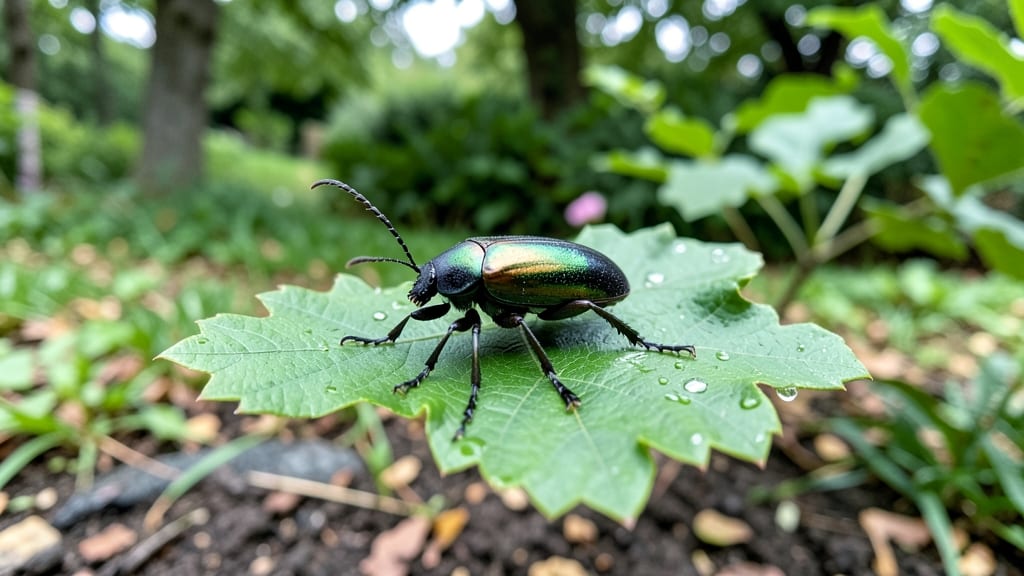
Flipping through tree insects pictures can help you spot the culprits—those specks crawling on your bark aren’t just weird, they’re a warning sign. 🌳 Fast action saves your tree from lasting damage, and knowing what you’re dealing with is half the battle.
The wrong insect can defoliate a tree in weeks, leaving it weak and vulnerable to disease.
Common culprits include aphids (tiny green clusters), borers (sawdust-like frass at the base), and scale (brown bumps on branches). Each leaves distinct damage—yellowing leaves, wilting branches, or even dead patches. The key is catching them early, before they spread beyond your tree’s defenses.
With the right identification, you’ll spot these pests before they cause real harm. A quick inspection every few weeks—especially after rain—lets you act fast. The sooner you intervene, the better your tree’s chances of bouncing back strong.
This guide covers what to look for, how to tell pests apart, and simple steps to stop them in their tracks. No fancy tools needed—just your eyes and a little know-how. Let’s get started before those insects become a bigger problem.
📚 In This Guide
- What you need
- Instructions
- Tips and common mistakes
- Wrapping up and next steps
What you need
- ○ Smartphone or digital camera (10+ MP recommended for clarity). Optional: Macro lens attachment for close-ups!
- ● Natural light source (sunlight or a portable LED ring light for shaded areas).
- ○ Tripod or stabilizer (optional but helpful for steady shots of insects in motion).
- ● Field notebook or digital note-taking app (to log dates, locations, and insect behaviors).
- ● Hand lens or magnifying glass (10x magnification for detailed inspection).
- ● Fine-tip paintbrush or soft-bristle brush (for gently dislodging insects from leaves/bark).
- ● Small vials or ziplock bags (2–3 empty containers for temporary insect storage).
- ● Tweezers or entomology forceps (for careful handling of specimens).
- ● Spray bottle with water (to rinse debris or dampen leaves for better visibility).
- ● Gloves (nitrile or latex) (to avoid skin irritation from sap or insects).
- ● Insect repellent (DEET-free options like picaridin if working near stinging insects).
- ● Pruning shears or small saw (for collecting damaged branches or bark samples).
- ● Field guide or insect ID app (e.g., iNaturalist or BugGuide for real-time identification).
- ● Disinfectant wipes (to clean tools between uses).
How to spot and respond to tree pests before they take over
Here's the quick method I use to catch tree problems early—before they become costly headaches.
🌿 Step 1: Inspect Leaves and Bark for Visual Clues
Start by examining the tree from top to bottom. Look for tiny holes in leaves (a sign of leaf miners) or sticky residue (aphids or scale insects). I always check the undersides of leaves first—pests love hiding there. Use a 10x magnifying glass if you spot anything suspicious; many insects are smaller than a grain of rice.
Run your fingers along the bark. If you feel sawdust-like frass (insect waste), that's a dead giveaway for bark beetles or borers. Freshly chewed edges on leaves? Likely caterpillars or beetles. I take a small sample of leaves or bark to compare against trusted tree pest pictures—this helps confirm what I'm dealing with before taking action.
💧 Step 2: Check for Sap or Sawdust at the Base
Kneel near the tree trunk and look for oozing sap or piles of sawdust-like debris at the base. This is a classic sign of borers or bark beetles tunneling inside. I tap the trunk gently with a small hammer—if it sounds hollow, the tree is already compromised. Borers create D-shaped exit holes about the size of a pencil tip, while beetles leave round holes.
Don't ignore small amounts of sap—it's the tree's way of sealing wounds. But if you see large amounts of sap combined with wilting branches, that's an emergency. I've seen trees go from healthy to dead in weeks if borers aren't treated early. This is why I check trees every 2-3 weeks during growing season—pests multiply fast.
✂️ Step 3: Compare Findings to Reliable Pest Guides
Pull up your phone and open a trusted tree pest identification app or website. I use the University Extension Service's pest database—it has side-by-side pictures of common tree insects. Match what you found: leaf damage patterns, hole sizes, or insect body shape. For example, spider mites leave stippled yellowing on leaves, while gypsy moth caterpillars create bare branches from skeletonized foliage.
Here's the thing—many pests look similar at first glance. I once mistook emerald ash borer larvae for woodpecker damage because the exit holes looked alike. Always zoom in on details like antennae length or wing patterns to narrow it down. If you're still unsure, take clear photos from multiple angles and post in gardening forums—they often have experts who can help.
⏰ Step 4: Act Fast Based on the Pest Found
Once you've identified the pest, act immediately. For soft-bodied insects like aphids or scale, a strong spray of water (from a hose nozzle) often knocks them off. I've seen entire infestations wiped out with 30 seconds of direct pressure—just repeat every 3-5 days until they're gone. For borers or beetles, inject an insecticidal soap directly into the holes using a syringe—this starves the larvae inside.
If the tree is already stressed (yellowing leaves, sparse canopy), combine treatment with deep watering to help it recover. I've saved multiple trees by catching borers early and giving the tree a slow-release fertilizer to boost its defenses. The key is speed—once a tree shows 50% defoliation, it's often too late to save it. Don't wait until you see large holes or wilting branches—that's when the damage is irreversible.
🪴 Step 5: Monitor and Prevent Future Infestations
After treatment, keep a monthly check schedule during growing season. I mark trees with brightly colored flags so I remember which ones need monitoring. Look for new egg masses (like the white, fuzzy sacs of spider mites) or fresh frass near pruning wounds. Healthy trees are less attractive to pests, so I also apply organic neem oil spray every 4-6 weeks as a preventive measure.
Real talk: prevention is easier than cleanup. I've spent hours scraping off gypsy moth egg masses in winter—it's tedious but beats losing the tree. If you're dealing with a severe infestation, consider consulting a certified arborist. They can assess whether the tree is salvageable or if removal is the safest option. The faster you act, the better your chances of keeping your tree healthy and strong.
Tips & tricks for identifying tree pests early
Here's what I've learned from years of battling tree pests—the small details make all the difference.
Timing is Everything: The 2-3 week inspection schedule during growing season is non-negotiable. I check my trees right after rain when pests are most active and their signs are freshest. Early morning inspections work best because dew makes leaf damage patterns more visible. If you miss this window, pests can go unnoticed for weeks, giving them time to multiply exponentially.
Lighting Matters: Always inspect trees in natural daylight, ideally between 10 AM and 2 PM when shadows are shortest. I use a small flashlight to examine undersides of leaves and bark crevices—this reveals hidden signs that direct sunlight might obscure. The 10x magnifying glass mentioned in Step 1 becomes especially valuable when you're looking for tiny egg masses or early-stage infestations that might only be visible under magnification.
Seasonal Adjustments: Spring and fall are critical seasons for pest detection. In spring, look for fresh frass and new egg masses, while fall inspections should focus on adult pests preparing for winter. I've caught emerald ash borer infestations early by examining trees in late summer when adults are most active. Remember that pest life cycles vary—what you see in May might be completely different from what appears in September.
Documentation Wins: Keep a simple record of your inspections using a notebook or phone app. I photograph each tree from multiple angles and note any suspicious signs. This creates a visual timeline that helps you spot changes over time. For example, if you notice new holes appearing between inspections, you know you've got an active infestation that needs immediate attention. This documentation also comes in handy when consulting with arborists later.
Pro Tips for Tree Insects Pictures
- Here's what I've learned from years of battling tree pests—the small details make all the difference.
- Timing is Everything: The 2-3 week inspection schedule during growing season is non-negotiable. I check my trees righ...
- Lighting Matters: Always inspect trees in natural daylight, ideally between 10 AM and 2 PM when shadows are shortest....
Frequently asked questions
Got questions about tree insects? You’re not alone! Here are some of the most common concerns—plus quick answers to help you act fast and protect your trees.
What are the most common tree insects I should look for in pictures?
Start with these troublemakers: emerald ash borers, gypsy moth caterpillars, pine bark beetles, and tent caterpillars. Each leaves distinct signs like holes in leaves, sawdust-like frass, or webbing. Snap a clear picture (include bark, leaves, and damage) and compare it to online guides or contact your local extension office for ID help.
How do I know if my tree has an insect problem early before damage spreads?
Watch for subtle clues like tiny holes in leaves, unusual wilting, or sap oozing from bark. Check for insects crawling on branches or eggs laid on undersides of leaves. Pro tip: Inspect in spring/early summer when many pests are most active. If you spot frass (insect poop) or new growth stunting, act fast!
Are there natural ways to control tree insects without harsh chemicals?
Try these eco-friendly fixes:
- Horticultural oil or neem oil: Spray on leaves (follow label instructions) to suffocate eggs/larvae.
- Beneficial nematodes: Target soil-dwelling pests like grubs.
- Prune and remove infested branches (sterilize tools with rubbing alcohol).
- Attract predator birds (like woodpeckers) with nest boxes.
For severe infestations, consult a certified arborist—they’ll recommend targeted solutions.
How much does it cost to treat a tree for insects, and is DIY worth it?
Costs vary: DIY treatments (oils, sprays) run $10–$50, while professional treatments (systemic insecticides or drilling for borers) can hit $200–$1,000+ depending on tree size. DIY is worth it for minor issues, but call an expert if you see large exit holes (sign of borers) or widespread defoliation—delaying can cost you the tree!
Can I save a tree if it’s already heavily damaged by insects?
Maybe! Act immediately—even if the tree looks bad. Prune dead branches, treat with systemic insecticides (like imidacloprid), and monitor for regrowth. Some trees (like oaks or maples) are resilient, but borer-infested trees (e.g., ash, elm) often can’t be saved. If the trunk is hollow or oozing sap heavily, it’s likely a loss—focus on preventing spread to nearby trees.
Wrapping up and next steps
From leaf-eating caterpillars to bark-boring beetles, recognizing tree insects early can save your greenery—and your wallet! 🌳🐛 These tree insects pictures and tips empower you to act before damage spreads, ensuring your trees stay healthy and vibrant.
Whether you’re a gardening pro or a curious beginner, knowledge is your best defense.
Ready to take action? Start inspecting your trees today—grab a magnifying glass, snap a few photos, and compare them to our gallery. Need help? Book a quick consultation with a local arborist or dive deeper into organic pest control methods. Your trees will thank you! 🌿✨