
Trees
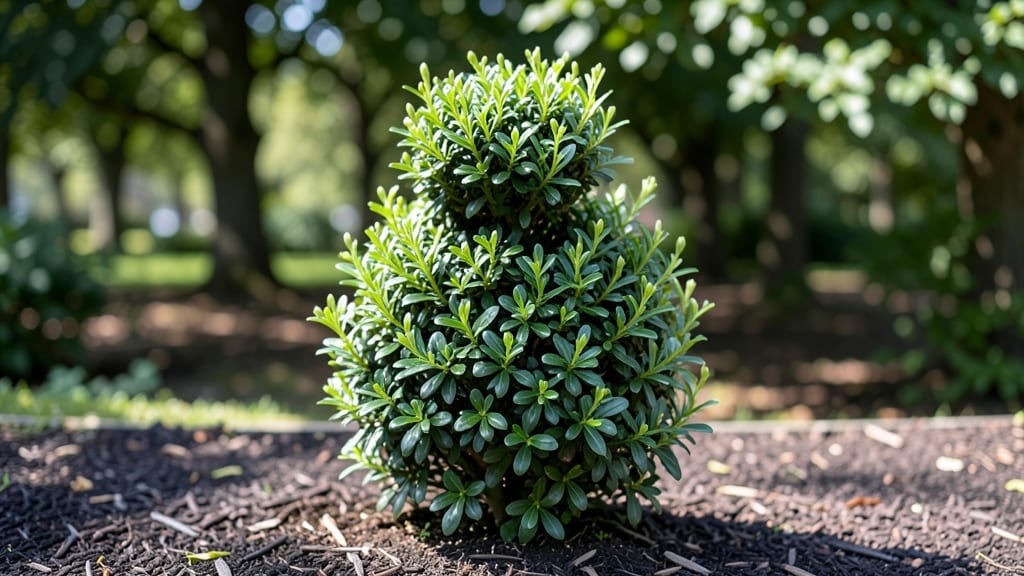
Transforming flowering trees into topiary masterpieces adds year-round elegance that turns heads—and your garden into the envy of the neighborhood. 🌿 The key lies in choosing the right species (like flowering cherry or hibiscus) that bloom reliably while holding their sculpted shapes, then pruning them at just the right moments to encourage both flowers and structure.
Most people assume topiary means sacrificing blooms, but it doesn’t have to. I’ve trained flowering trees to stay lush and productive by pruning after their main bloom cycle—think late summer for spring bloomers, or early spring for fall varieties.
The result? A tree that looks like a living sculpture while still bursting with color every season.
Imagine a bold focal point where your topiary flowering tree stands out against a dark hedge, or a romantic archway framing your garden entrance. With the right placement and seasonal care, these trees become the centerpiece that works year-round—even when they’re not in bloom, their trained shapes create drama.
Whether you’re working with a small patio hibiscus or a towering magnolia, the same principles apply. The trick is balancing structure and growth, so your tree stays striking without losing its natural beauty. Let’s get started with the species and techniques that work best.
📚 In This Guide
- What you need
- Instructions
- Tips and common mistakes
- Wrapping up and next steps
What you need
- ● Flowering Tree Varieties: 1-3 topiary-friendly flowering trees (e.g., Forsythia, Japanese Maple, or Viburnum). Choose slow-growing species for easier shaping.
- ● Pre-pruned saplings (3-5 ft tall) for faster establishment.
- ● Soil & Fertilizer: 50 lbs well-draining potting mix (or garden soil amended with compost).
- ● 1 bag slow-release granular fertilizer (10-10-10 ratio).
- ○ 1 lb mycorrhizal fungi (optional but boosts root health).
- ● Pruning Tools: 1 pair bypass pruners (for clean cuts).
- ● 1 hand pruner (for smaller branches).
- ● 1 hedge shears (for shaping, 8-12" blade).
- ● Support Structures: 1-2 topiary frames (wire or wooden, sized to your tree).
- ● Soft twine or florist wire (for temporary shaping).
- ● Safety Gear: 1 pair gardening gloves (cut-resistant).
- ● Safety goggles (if working with thorny varieties).
- ● Design Aids: Graph paper + markers (to sketch your topiary design).
- ● Stakes + string (for outlining shapes before pruning).
- ● Maintenance: 1 spray bottle (for misting new cuts).
- ● Tree sealant (to protect pruning wounds).
How to shape and maintain topiary flowering trees
Here's the method I've used to transform ordinary flowering trees into stunning, sculptural centerpieces.
🪴 Step 1: Select the Right Trees and Pruning Tools
Start with flowering trees known for topiary potential—think boxwoods, lilacs, or flowering cherries. Their dense growth and natural branching make them ideal for sculpting. I always choose varieties with strong structural branches to support the final shape.
Gather your tools: sharp bypass pruners for clean cuts, concave cutters for larger branches, and a fine-toothed pruning saw if you're working with thicker stems. Don't forget gloves—thorns on some flowering varieties can be sneaky. I also keep a small brush on hand to clean up fallen debris after pruning.
✂️ Step 2: Establish the Basic Structure First
Begin shaping in late winter or early spring, just as new growth begins to emerge. This is when the tree is most responsive to pruning. I like to start with a rough outline—think of it like sketching with branches. Use your pruners to remove any crossing or inward-growing branches first; these compete for energy and will only make your design messy.
Focus on creating a strong framework. For a classic topiary shape, start with a central leader (the main vertical stem) and then establish horizontal branches at intervals of about 6-12 inches apart. This spacing gives you room to fill in later. Remember, you're building a skeleton that will support your final design, so take your time with this step.
🌿 Step 3: Refine the Shape Gradually
Once the basic structure is in place, wait until mid-spring when new growth is about 2-3 inches long. This is the ideal time to begin refining your topiary. I use my fingers to gently pinch back the tips of branches to encourage bushier growth. For more precise shaping, I reach for my pruners again, making small cuts just above a leaf node or bud.
Here's where patience pays off. Don't rush to create the final shape—work in stages. Each year, you'll refine the outline further, and within 3-5 years, you'll have a fully formed topiary. I like to think of it like sculpting with living material: every cut is a brushstroke, and every season adds another layer of detail.
☀️ Step 4: Maintain Year-Round with Seasonal Care
Topiary flowering trees need consistent care to keep their shape and encourage blooms. After the initial shaping, I prune lightly in late summer to shape the new growth and again in early spring to refine the outline. Always prune just above a bud or leaf node to encourage new growth in the right direction.
Don't forget to feed your trees. In early spring, I apply a balanced fertilizer to encourage healthy growth and vibrant blooms. Water deeply once a week during the growing season, ensuring the soil stays moist but not soggy. Mulch around the base of the tree to retain moisture and suppress weeds—2-3 inches of mulch is perfect.
💧 Step 5: Protect and Preserve for Long-Term Beauty
To keep your topiary flowering tree looking its best, protect it from harsh winter winds and heavy snow. I wrap young trees in burlap or use tree guards to shield them from damage. In late winter, before new growth starts, give your tree a final check for any dead or damaged branches and prune them out immediately.
Watch for signs of stress, like yellowing leaves or sparse blooms. These can indicate over-pruning, poor soil, or pests. If you notice issues, adjust your care routine accordingly. With consistent attention, your topiary flowering tree will reward you with bold, year-round elegance and stunning seasonal blooms.
Tips & tricks for perfect topiary flowering trees
A few subtle techniques make all the difference when sculpting living art. These insights will help you avoid common pitfalls and create topiaries that stand the test of time.
Timing Secret: Late winter to early spring is your golden window for initial shaping—this is when the tree's energy is just waking up. I've seen beginners rush this step and end up with stressed trees that struggle to recover. Wait until you see those first tender buds pushing through the bark; that's your cue to start. The 6-12 inch spacing between branches mentioned in Step 2 isn't arbitrary—this spacing allows for proper air circulation and prevents overcrowding that can lead to disease.
Tool Technique: Never use dull pruners on flowering trees—they tear tissue instead of making clean cuts. I invest in high-quality bypass pruners specifically for my topiary work. For branches thicker than 1/4 inch, use concave cutters to maintain the branch collar. And here's what nobody tells you: always sterilize your tools between cuts with rubbing alcohol. This prevents spreading fungal spores that can cause unsightly blemishes on your carefully shaped branches.
Seasonal Strategy: The mid-spring refinement in Step 3 requires patience—wait until new growth reaches 2-3 inches before pinching. I've learned this the hard way after seeing premature pruning stunt growth. When you do pinch, make clean cuts just above a leaf node or bud, angled slightly away from the branch. This small detail ensures new growth emerges in the right direction. For flowering varieties, time your pruning to just after blooming to preserve next year's flowers.
Long-Term Preservation: The 3-5 year timeline for full formation might seem long, but it's crucial for establishing a strong root system. I recommend marking your trees with small flags to track yearly progress. In winter, protect young specimens with burlap wraps—this prevents winter burn that can scorch tender new growth. For mature trees, I add a 2-3 inch layer of mulch in late fall to insulate roots during cold snaps.
Pro Tips for Topiary Flowering Trees
- A few subtle techniques make all the difference when sculpting living art.
- Timing Secret: Late winter to early spring is your golden window for initial shaping—this is when the tree's energy is just waking up.
- Tool Technique: Never use dull pruners on flowering trees—they tear tissue instead of making clean cuts.
Frequently asked questions
Got questions about topiary flowering trees? You’re not alone! Here are some of the most common concerns—plus straightforward answers to help you create stunning, year-round greenery with a pop of color.
How often do I need to prune a topiary flowering tree to keep its shape?
Pruning frequency depends on the tree type, but most topiary flowering trees need light trims every 4–6 weeks during the growing season (spring through early fall). For formal shapes, use sharp shears to refine edges. Pro tip: Avoid heavy pruning in late summer or fall, as new growth may not harden off before winter.
Can I grow topiary flowering trees in containers, or do they need to be planted in the ground?
Yes! Many flowering topiary trees—like Fuchsia magellanica or Lagerstroemia—thrive in large containers (15+ gallons) with well-draining soil. Just ensure the pot has drainage holes and replant every 2–3 years to refresh nutrients. Bonus: Container-grown trees are easier to move if you need to protect them from frost.
When is the best time to plant a topiary flowering tree for maximum blooms?
Plant in early spring or fall when temperatures are mild (50–70°F). This gives roots time to establish before extreme heat or cold. For tropical varieties (e.g., Ixora), avoid winter planting—wait until spring to prevent frost damage. Patience pays off: Some trees take 1–2 years to bloom fully after planting.
Why aren’t my topiary flowering trees blooming as much as they should?
Several factors can stunt blooms: over-fertilizing with high-nitrogen feed (promotes leaves, not flowers), poor sunlight (most need 6+ hours of sun), or stress from drought/overwatering. Try a balanced bloom booster fertilizer (like 10-10-10) in early spring, and adjust watering to keep soil consistently moist but not soggy.
Are there low-maintenance topiary flowering tree alternatives for busy gardeners?
Opt for slow-growing varieties like Abelia grandiflora (drought-tolerant, blooms spring–fall) or Weigela (hardy, minimal pruning needed). For instant impact with less upkeep, consider pre-trained topiary balls (e.g., Boxwood or Lavender) that require only seasonal shaping. Time-saver tip: Use slow-release granules to cut back on monthly fertilizing.
Wrapping up and next steps
Transforming your outdoor space with topiary flowering trees is a rewarding journey that blends artistry with nature’s beauty. These stunning plants offer year-round elegance, vibrant blooms, and a touch of sophistication—perfect for elevating any garden or patio.
Whether you’re a seasoned gardener or just starting, the key is patience, creativity, and a little love! 🌸
Ready to bring your vision to life? Start small—pick one tree or shape to practice, gather your tools, and dive in! With each trim, you’ll watch your garden flourish into a masterpiece. Happy pruning! ✂️🌿