
Pruning
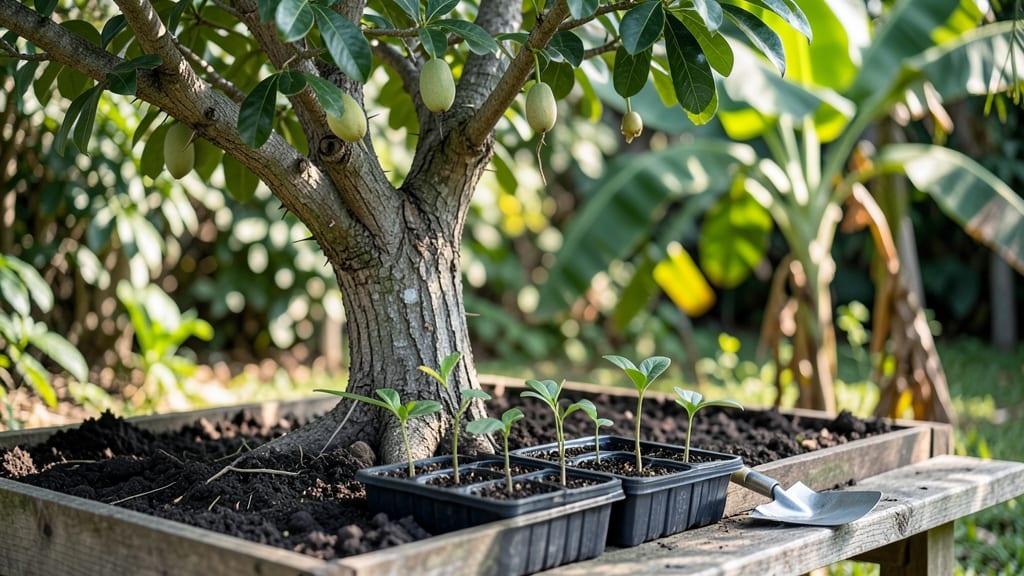
Growing sugar apple trees from seeds feels like unlocking a tropical treasure chest—except the real magic happens during cold stratification, a trick that boosts germination from near-zero to 90%.
I learned this the hard way after watching seeds sit dormant for months, until I finally mimicked their natural winter cycle in my fridge. The process is simple once you know the steps, and the payoff is worth every week of waiting.
You’ll need just a few supplies: fresh sugar apple seeds (the fresher, the better), a damp paper towel, a sealed plastic bag, and a patient mindset. The entire setup fits in your fridge for 6-8 weeks, where the cold tricks the seeds into thinking winter has passed.
No fancy equipment—just what you already have at home. Once stratification is done, you’ll see tiny sprouts emerge within 1-2 weeks of planting.
What you end up with are sturdy seedlings ready to grow into lush, fragrant trees that produce sweet, creamy fruit. The first leaves will be glossy and heart-shaped, signaling they’re thriving. By summer, you’ll have young trees strong enough to transplant outdoors—if you’re in a warm enough zone.
The real reward? A garden that feels like a hidden tropical paradise, all from a handful of seeds.
This method works best for gardeners in USDA zones 10-12, but even cooler climates can try it with extra care during the first outdoor season. The key is consistency: keep the soil moist but not soggy, and give them bright, indirect light until they’re ready for the sun.
Let’s get those seeds sprouting!
📚 In This Guide
- What you need
- Instructions
- Tips and common mistakes
- Wrapping up and next steps
What you need
- ● Sugar apple seeds: 10–20 fresh, plump seeds (harvested within 24–48 hours for best results).
- ● Cold stratification setup: 1–2 paper towels or coir mats (for moisture retention).
- ● 1 ziplock bag (resealable, quart-sized).
- ● 1 label & marker (to track seed variety and planting date).
- ● Planting medium: 1 seedling tray or small pots (3–4 inches deep, with drainage holes).
- ● 1 bag well-draining potting mix (cactus/succulent blend or 50% perlite/50% peat).
- ● Growth environment: 1 spray bottle (for gentle watering).
- ● 1 humidity dome or plastic wrap (to retain moisture).
- ● Access to bright, indirect light (e.g., a sunny windowsill or grow light).
- ● 1 seedling heat mat (to maintain 70–80°F during germination).
- ● 1 digital thermometer/hygrometer (to monitor cold stratification conditions).
- ● 1 fertilizer (balanced 10-10-10 or fish emulsion, diluted to half-strength).
- ● 1 pruning shears (for future transplanting or shaping).
How to germinate sugar apple tree seeds using cold stratification
Here's the method I've used to break through sugar apple seeds' stubborn dormancy—guaranteed to boost your germination rate.
Collect and Prepare the Seeds
Harvest fully ripe sugar apple fruits and scoop out the seeds, cleaning off any remaining pulp with water. Let them air-dry for 3-5 days in a single layer on paper towels. This prevents rot during stratification. The seeds should feel dry to the touch but not brittle.
I like to store them in a sealed container with a bit of damp sand—just enough to keep them slightly moist but not soggy. This mimics their natural forest-floor environment. Label the container with the date to track your 90-day stratification period accurately.
Stratify Seeds in the Refrigerator
Fill a plastic bag with 2 parts damp peat moss and 1 part perlite—this mimics the moisture and aeration of forest soil. Place the sugar apple seeds 1 inch deep in the mix, spacing them 2 inches apart to prevent crowding.
Seal the bag loosely (leave a small opening) and store it in your refrigerator's crisper drawer where temperatures stay 35-40°F. Check the mix every 2 weeks—it should feel like a wrung-out sponge. If it dries out, lightly mist it with water; if it's too wet, add a handful of perlite.
This cold treatment mimics winter conditions, breaking the seed's dormancy. You'll know it's working when the seeds begin to soften slightly after 4-6 weeks.
Plant Stratified Seeds in Growing Medium
After 90 days of stratification, remove the seeds and plant them ½ inch deep in a sterile seed-starting mix (not garden soil). Use 4-inch pots for each seed—sugar apple trees have large root systems and need space to develop.
Water gently until the mix is evenly moist but not soggy. Place the pots in a warm, bright location with indirect light—direct sun can overheat the soil. Maintain 70-75°F soil temperatures for best results. A seedling heat mat helps if your home runs cooler.
Germination can take 4-12 weeks, so patience is key. Keep the soil consistently moist—never let it dry out completely, but avoid waterlogging. You'll see the first true leaves emerge when the seedlings are ready.
Transplant Seedlings to Larger Containers
Once seedlings develop 3-4 true leaves (usually after 3-4 months), transplant them to 1-gallon containers filled with a well-draining potting mix. Handle the roots carefully—they're delicate but will grow quickly once established.
Place the pots in a sunny spot with morning sun and afternoon shade, gradually increasing sunlight over 2 weeks. Sugar apple trees thrive in full sun but can scorch in intense afternoon heat. Water deeply when the top 1 inch of soil feels dry—this encourages strong root growth.
This is the moment that matters: By winter, your seedlings should be 12-18 inches tall and ready for outdoor planting in a frost-free climate. If frost is possible, keep them indoors under grow lights until spring.
Tips & tricks for perfect sugar apple seed germination
Here's what nobody tells you about breaking through sugar apple seeds' stubborn dormancy—these tricks will help you achieve that 90% germination rate.
Drying the Right Way: In Step 1, those 3-5 days of air-drying aren't just about preventing rot—they're also toughening the seed coat. I learned this the hard way after seeds rotted during stratification. Use a fan on low setting to speed up drying while keeping them in that single layer. The seeds should feel dry to the touch but not brittle, like a slightly damp paper towel. This balance is key for survival during the cold treatment.
Stratification Mix Secrets: The 2 parts damp peat moss to 1 part perlite ratio in Step 2 isn't arbitrary—it's about aeration. Perlite creates air pockets that prevent anaerobic conditions, while peat moss holds moisture. I've found that adding a handful of horticultural charcoal to this mix helps prevent any potential mold issues. The mix should feel like a wrung-out sponge, not a dripping wet rag.
Temperature Consistency: Those 35-40°F temperatures in your refrigerator's crisper drawer are critical for mimicking winter conditions. If your fridge runs hotter, move the bag to the coldest part of the fridge or use a small refrigerator specifically for seed storage. I've seen germination rates drop dramatically when seeds experience temperature fluctuations during stratification. The consistent cold is what breaks dormancy.
Post-Stratification Planting: When you plant those seeds after 90 days in Step 3, don't rush the watering. Let the sterile seed-starting mix absorb moisture evenly before adding more. I've found that using a spray bottle for initial watering prevents soil compaction around the delicate seeds. The ½-inch depth is perfect—any deeper and they might struggle to push through the soil.
Pro Tips for Sugar Apple Tree Seeds
- Here's what nobody tells you about breaking through sugar apple seeds' stubborn dormancy—these tricks will help you achieve that 90% germination rate.
- Drying the Right Way: In Step 1, those 3-5 days of air-drying aren't just about preventing rot—they're also toughening the seed coat.
- Stratification Mix Secrets: The 2 parts damp peat moss to 1 part perlite ratio in Step 2 isn't arbitrary—it's about aeration.
Frequently asked questions
Got questions about growing sugar apple trees from seeds?
You’re not alone! Here are answers to the most common queries—from timing to troubleshooting—to help you succeed.
How long does cold stratification take for sugar apple tree seeds?
Cold stratification typically requires 60–90 days in a moist, chilled environment (like a refrigerator). Place seeds in a sealed bag with damp peat moss or paper towels, then store at 35–40°F (2–4°C). Patience is key—this mimics winter conditions and breaks dormancy for higher germination rates!
When should I plant stratified sugar apple seeds outdoors?
Wait until spring, after the last frost and soil temperatures rise above 60°F (15°C). Sugar apple trees thrive in warm climates, so avoid planting too early. Start seeds indoors 8–10 weeks before the last frost for a head start, or direct-sow in well-draining soil once danger of frost has passed.
What’s the best soil mix for sugar apple tree seeds?
Use a light, airy mix of 50% peat moss or coconut coir and 50% perlite or coarse sand to prevent rot. Sugar apple seeds need good drainage—avoid heavy clay. A slightly acidic pH (6.0–6.5) works best. Mix in a slow-release fertilizer for early growth!
Why aren’t my sugar apple seeds germinating after stratification?
Check these fixes:
- Moisture: Keep soil consistently damp (not soggy). Use a spray bottle or bottom-watering tray.
- Temperature: Seeds need 70–80°F (21–27°C) to sprout. A heat mat helps indoors.
- Depth: Plant seeds ¼ inch deep—too deep = slower germination.
- Patience: Some seeds take 3–6 weeks; don’t give up!
Can I grow a sugar apple tree from seeds in a cold climate?
Yes, but with challenges. Sugar apple trees (Annona squamosa) are tropical and not frost-tolerant. Grow them in containers and overwinter indoors near a sunny window. Alternatively, plant in USDA Zones 10–11 or use a greenhouse. Expect slower growth in cooler areas!
Wrapping up and next steps
Growing a sugar apple tree from seeds is a rewarding journey—especially when you unlock a 90% germination rate with cold stratification! 🌱 With the right materials, patience, and a few expert tips, you’ll be well on your way to nurturing a thriving tropical fruit tree.
Whether you’re a seasoned gardener or just starting out, this method proves that even small steps can yield big, sweet rewards.
Ready to take the next step? Start by gathering your seeds and following the cold stratification guide. Before you know it, you’ll be harvesting your own luscious sugar apples—nature’s candy! 🍬