
Pruning
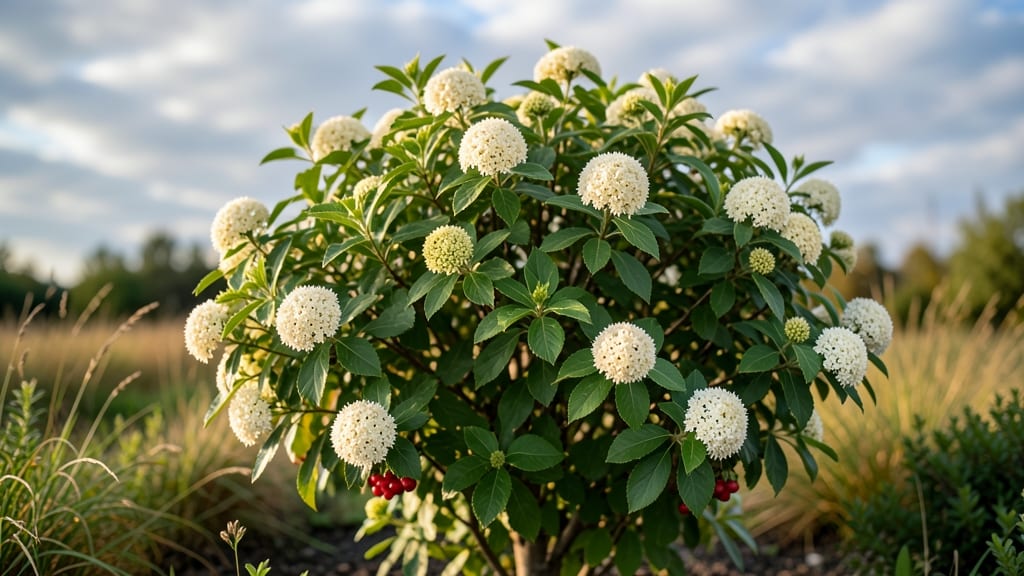
Proper snowball tree care starts with dormant pruning—the key to those dazzling white blooms every spring. I’ve pruned mine every winter for five years, and the difference in branch strength and flower production is night-and-day—thicker stems, more blooms, and fewer broken branches after snowstorms.
The best time to prune is late winter, just as buds begin to swell but before new growth starts. You’ll shape the tree while it’s still dormant, so it heals faster and puts energy into next year’s flowers instead of repairing cuts.
Here’s the simple toolkit you’ll need: sharp bypass pruners (dull blades tear bark), gloves (those thorns don’t play nice), and a ladder if your tree is over 6 feet tall.
The goal is to remove dead, crossing, or weak branches first—these are the ones that rob energy from your stunning flower clusters. Then, thin out the center to improve airflow, which keeps diseases at bay.
Snowball trees thrive in full sun to partial shade and well-draining soil, but pruning correctly makes them even more resilient to heat stress and winter damage.
After pruning, you’ll notice something magical: the remaining branches fill out with dense, velvety foliage by summer, and by late spring, those football-sized clusters of white flowers appear like clockwork. The berries that follow add a bonus splash of color for birds and wildlife.
Just avoid pruning in fall or early spring—you’ll risk encouraging new growth that can’t survive frost, and those tender shoots become prime targets for pests. A little winter maintenance now means fewer headaches later.
This method works for Viburnum opulus varieties like ‘Roseum’ and ‘Compactum,’ whether you’re growing it as a shrub or small tree. If your tree is young, prune lightly to encourage a strong structure—older trees can handle a little more aggressive shaping.
The key is consistency: stick to this routine, and your snowball tree will reward you with decades of effortless beauty. Ready to transform those ratty branches into a showstopper?
📚 In This Guide
- What you need
- Instructions
- Tips and common mistakes
- Wrapping up and next steps
What you need
- ● Pruning shears: Bypass pruners (for cuts under ½ inch thick) – 1 pair (sharp, stainless steel blades recommended).
- ● Loppers: For branches ½ to 1½ inches thick – 1 pair (with a long handle for reach).
- ● Pruning saw: For thicker branches (1½+ inches) – 1 saw (curved blade for clean cuts).
- ● Disinfectant: 70% isopropyl alcohol or pruning sealant – small bottle (to prevent disease spread).
- ● Gloves: Heavy-duty gardening gloves – 1 pair (cut-resistant for safety).
- ● Ladder: Sturdy, extendable ladder – 1 (if tree exceeds 6 feet tall).
- ● Trash bags: Heavy-duty contractor bags – 2-3 bags (for pruned debris).
- ○ Pruning paint/sealant: (Optional but recommended for cuts larger than ½ inch) – small tube.
- ● Hand pruners: For small twigs (if you prefer precision).
- ● Safety glasses: To protect eyes from debris.
- ● Tree wound dressing: For large cuts (controversial but some swear by it!).
- ● Notebook & pen: To sketch your pruning plan or track branch sizes.
- ● Extension pole: For high branches (if you don’t want a ladder).
How to prune a snowball tree for healthier growth
Winter’s the perfect time to shape your snowball tree’s future—stronger branches start with the right cuts.
Choose the Right Time and Tools
Prune your snowball tree (Viburnum opulus) during late winter or early spring, just before buds begin swelling. This timing ensures you’re cutting when the tree is dormant but about to wake up, minimizing stress. Avoid pruning in fall—new growth won’t harden off before winter, and you risk dieback.
Use clean, sharp pruning shears for cuts under ½ inch in diameter, and a pruning saw for thicker branches. Sterilize your tools with rubbing alcohol to prevent spreading disease between cuts. I always make my first cut slightly off-center from the branch collar—the raised area where the branch meets the trunk—to promote faster healing.
Remove Dead, Weak, or Crossing Branches
Start by scanning the tree for dead wood—branches that snap when bent or have no green bark underneath. These should go first. Next, look for weak or spindly growth (thin stems with few buds) and crossing branches rubbing against each other, which creates wounds and invites disease.
When removing a branch, cut back to the branch collar—never leave a stub. Make your cut at a 45-degree angle just outside the collar, avoiding the bark ridge itself. This technique prevents water from pooling and rotting the wound. If a branch is too large to cut in one go, make a notch on the underside first to control the direction of the fall.
Thin Out for Better Airflow and Light
Snowball trees thrive with open, airy canopies, so aim to remove 20-30% of the total branches to improve airflow and sunlight penetration. Focus on branches growing inward or downward—they compete with stronger, outward-facing growth and weaken the tree’s structure over time.
Use the "third-branch rule" as a guide: If a branch is smaller than the third branch down from its origin, it’s likely unnecessary. Also, look for water sprouts—fast-growing, vertical shoots with no buds. These saplings drain the tree’s energy and should be cut at the base. After thinning, step back to visualize the tree’s shape—you want a balanced, rounded silhouette.
Shape for Balance and Structure
Snowball trees naturally grow in a rounded, multi-stemmed form, so your goal is to enhance that shape rather than force a rigid structure. Start by identifying the main scaffold branches—the thickest, most vigorous limbs that form the tree’s framework. These should be spaced 6-12 inches apart along the trunk.
To encourage a fuller look, shorten the outer branches by about one-third to stimulate bushier growth. Avoid cutting back into old wood—always prune just above a bud or lateral branch facing the direction you want growth to go. If you’re unsure which way a branch will grow, cut at a 45-degree angle to expose more bud potential.
Clean Up and Monitor Recovery
After pruning, remove all debris from the ground beneath the tree to prevent fungal growth. Dispose of diseased branches separately in a sealed bag. Water the base of the tree deeply to help it recover, especially if you’ve made large cuts. Mulch around the root zone with 2-3 inches of organic mulch to retain moisture and regulate soil temperature.
Watch for new growth in 4-6 weeks—this is your sign the tree is healing well. If you see oozing sap from cuts, it’s normal and will seal over time. Avoid fertilizing immediately after pruning; wait until spring growth is active. Over the next growing season, you’ll notice thicker, more vigorous branches and a fuller canopy—proof your pruning paid off.
Tips & tricks for perfect snowball tree pruning
These insider techniques will help you transform your snowball tree into a thriving, disease-resistant beauty—without the common pitfalls that leave trees stressed or stunted.
Timing is Everything: The late winter to early spring window is critical because your snowball tree is dormant but just beginning to wake up. This timing allows the tree to heal quickly without the risk of dieback that comes from fall pruning. If you miss this window, wait until spring when buds begin to swell—never prune in summer or fall when the tree is actively growing or preparing for dormancy. Confession: I skipped this timing once and ended up with weak new growth that didn't harden off properly before winter.
Branch Collar Technique: When you make your cuts in Step 2, focus on preserving the branch collar—the raised area where the branch meets the trunk. Cutting just outside this collar at a 45-degree angle prevents water from pooling and rotting the wound. I learned this the hard way after seeing multiple trees develop fungal infections from improper cuts. For branches too large to cut in one go, make a notch on the underside first to control the direction of the fall and avoid tearing the bark.
Visualizing the Third-Branch Rule: In Step 3, use the "third-branch rule" as your guide when thinning. Imagine looking at a branch and counting down its smaller offshoots—if a branch is smaller than the third branch down from its origin, it's likely unnecessary. This rule helps maintain the tree's natural shape while improving airflow and sunlight penetration. I always step back after thinning to visualize the silhouette—you want a balanced, rounded form that resembles a snowball, not a lopsided bush.
Recovery Monitoring: After pruning, watch for new growth in 4-6 weeks as your sign the tree is healing well. Sap oozing from cuts is normal and will seal over time, but avoid fertilizing immediately—wait until spring growth is active. The 2-3 inches of organic mulch around the root zone helps retain moisture and regulate soil temperature, which is especially important if you've made large cuts. Between us, this is where most pruning mistakes show up—trees that don't get proper recovery care often struggle the following season.
Pro Tips for Snowball Tree Care
- These insider techniques will help you transform your snowball tree into a thriving, disease-resistant beauty—without the common pitfalls that leave trees stressed or stunted.
- Timing is Everything: The late winter to early spring window is critical because your snowball tree is dormant but just beginning to wake up.
- Branch Collar Technique: When you make your cuts in Step 2, focus on preserving the branch collar—the raised area where the branch meets the trunk.
Frequently asked questions
Got questions about keeping your Viburnum opulus (snowball tree) happy and healthy? You’re not alone! Here are answers to the most common concerns—whether you’re a first-time pruner or just want to refine your routine.
When is the best time to prune a snowball tree?
Prune your snowball tree during dormancy—typically late winter or early spring (before buds swell). This timing minimizes stress and disease risk. Avoid pruning in fall or summer, as it can stimulate late growth vulnerable to frost damage. Check our pruning calendar for your zone!
Can I prune a snowball tree in summer?
Summer pruning is not recommended unless removing dead or diseased branches. Heavy summer cuts can stress the tree and reduce next year’s blooms. If you must prune, do so after flowering (late June/July) and keep cuts minimal. Always sterilize tools to prevent bacterial infections.
How much can I trim back a mature snowball tree?
Never remove more than 25% of the tree’s canopy in one season. For mature trees, focus on thinning out crowded branches (cut back to a healthy bud or lateral branch) rather than shearing. Over-pruning weakens the tree and may reduce flower production. See our pruning diagram for visual guidance!
Why are my snowball tree’s leaves yellowing after pruning?
Yellowing leaves post-pruning often signal stress or over-pruning. Check for these fixes:
- Water deeply to help recovery.
- Avoid fertilizing until new growth appears.
- Inspect for pests (aphids, spider mites) or fungal spots.
Are there alternatives to pruning for shaping a snowball tree?
Yes! For a natural, low-maintenance look, try:
- Selective thinning: Remove only crossing or dead branches.
- Natural layering: Let lower branches grow freely for a bushier shape.
- Support stakes: Gently guide young branches with soft ties.
Wrapping up and next steps
Caring for your snowball tree doesn’t have to be overwhelming—with the right timing and techniques, you’ll nurture a strong, vibrant tree for years to come! Remember, dormant pruning in late winter or early spring is key to encouraging healthy growth and preventing disease.
Now that you’re armed with the knowledge, grab those pruners and get ready to shape your tree with confidence.
Ready to take the next step? Mark your calendar for this year’s pruning window and check out our seasonal care calendar for ongoing tips. Your snowball tree will thank you with lush blooms and sturdy branches! 🌸✨