
Pruning
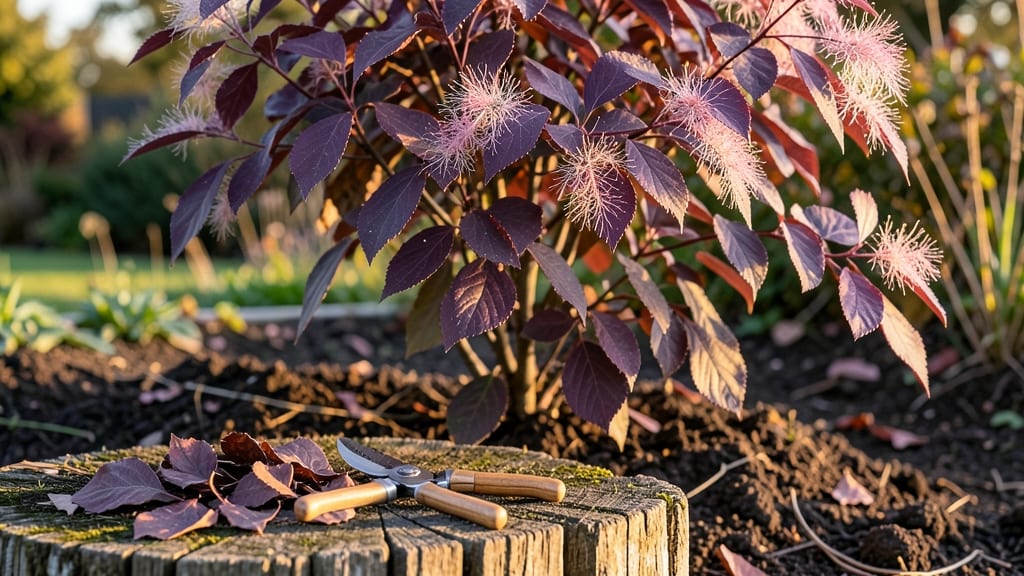
Royal purple smoke tree pruning in late winter reveals the secret to a showstopping summer silhouette—those iconic purple plumes and airy branches that make neighbors stop and stare. 🌿 I learned the hard way that timing matters more than technique, and cutting too early can leave your tree vulnerable to frost damage while waiting for new growth.
The right tools and a little patience make all the difference: sharp pruners for clean cuts, a ladder if branches reach high, and a clear vision of your tree's natural shape.
Most people overdo it by removing too many branches at once, which stresses the plant and reduces next year's foliage display. Focus on removing dead wood first, then thin out crowded branches to improve airflow.
What you end up with is a tree that bursts into vibrant purple leaves by spring and maintains that dramatic form all season. The plumes stay lush and the branches grow stronger, creating that wispy, ethereal look that makes this tree a landscape star.
Just avoid heavy pruning in fall—it encourages tender new growth that won't survive winter.
This method works for both young trees and mature specimens, though established trees may need more gradual shaping over a few seasons. The key is consistency: a little pruning each year keeps your smoke tree looking effortlessly elegant without the risk of over-pruning mistakes.
📚 In This Guide
- What you need
- Instructions
- Tips and common mistakes
- Wrapping up and next steps
What you need
- ● Pruning shears: Bypass pruners with sharp, bypass blades (4–6 inches) for clean cuts on small branches (up to ½ inch thick). Example: Felco F-2 or Corona CTS.
- ● Loppers: Bypass-style (8–10 inches) for medium branches (½–1½ inches thick). Look for ratcheting handles for leverage.
- ● Pruning saw: Curved-tooth handsaw or folding saw for thick branches (1½+ inches). Example: Fiskars X27.
- ● Gloves: Heavy-duty, cut-resistant (e.g., Mechanix Wear or garden gloves with reinforced palms).
- ● Disinfectant: 70% isopropyl alcohol or rubbing alcohol to sterilize tools between cuts (prevents disease spread).
- ○ Pruning sealant: Optional but recommended for larger cuts (1+ inch diameter) to protect wounds. Example: Tree Seal Tape or pruning paste.
- ● Ladder or step stool: Sturdy, non-slip (extendable ladder for taller trees; ensure weight capacity exceeds 250 lbs).
- ● Heavy-duty trash bags: 30–50 gallon size for debris cleanup.
- ● Work boots: Steel-toe or composite-toe for foot protection.
- ● Safety glasses: Protects eyes from debris.
- ● Work apron: With tool loops for easy access.
- ● Extension pole pruners: For high branches (e.g., 20–30 feet reach).
- ● Garden hose: For rinsing tools post-pruning.
- ● Notebook & pen: To sketch your tree’s structure before/after pruning.
- ● Check the weather forecast: Prune on a dry, calm day (avoid wind or rain).
- ● Gather local regulations: Some areas require permits for tree work over a certain height.
- ● Review your tree’s health: Look for signs of disease (e.g., fungus, cankers) or pests before pruning.
- ● Have a cleanup plan: Designate a spot for branches/chips (compost or municipal pickup).
Step-by-Step guide to pruning your royal purple smoke tree
Transform your smoke tree's shape and health with these simple, effective techniques.
✂️ Step 1: Time Your Pruning for Optimal Growth
Prune your Royal Purple Smoke Tree in early spring, just as new growth begins but before buds break. This timing ensures you encourage vigorous new shoots while avoiding late-season cuts that can stimulate tender growth too close to winter. Look for the first signs of swelling buds—those plump, rounded nubs along the branches. If you miss spring, late winter works too, but avoid pruning after mid-summer to prevent stimulating tender growth that won't harden off before frost.
Here's the thing—if your tree has been neglected, you can do light structural pruning in fall to remove dead or crossing branches, but wait until after leaves drop. Never prune in winter when the tree is completely dormant, as this can stress it unnecessarily. I always mark my calendar for mid-March in my zone, when the days start warming but frost is still possible.
✂️ Step 2: Remove Dead, Diseased, or Crossing Branches First
Start by identifying and removing dead, diseased, or damaged branches—these are your priority. Dead branches snap easily when bent, while diseased ones may have dark spots, oozing sap, or unusual growths. Cut these back to the main trunk or a healthy lateral branch, making your cut just outside the branch collar (the swollen area where the branch meets the trunk). Use clean, sharp pruners to make a smooth cut at a 45-degree angle to prevent water from pooling and causing rot.
Next, tackle crossing branches—these rub against each other, creating wounds that invite disease. Remove the smaller of the two branches, cutting back to a healthy lateral branch or the trunk. I always step back after each cut to visualize the tree's shape. You want to maintain an open center that allows light and air to circulate freely. If a branch is growing straight up from a lower branch, it's called a "water sprout" and should be removed entirely to redirect the tree's energy.
✂️ Step 3: Shape the Tree for Balance and Airflow
Now focus on shaping the tree to encourage a balanced, open structure. Start by thinning out overcrowded branches—remove about 20-30% of the total branches to improve airflow and reduce disease risk. Look for branches that are growing inward or downward; these should be pruned back to a lateral branch or the trunk. The goal is to create a natural, vase-like shape that allows sunlight to reach the inner branches, which is especially important for the Royal Purple Smoke Tree's stunning foliage.
If your tree has become too tall or leggy, you can lightly prune the top to encourage bushier growth. Cut back the uppermost branches by about one-third, making sure to leave a healthy lateral branch or bud below the cut. Avoid heavy topping, as this can stress the tree and lead to excessive water sprouts. After each cut, step back and assess the tree's silhouette—you want a shape that feels harmonious and balanced, not one that looks abruptly chopped.
✂️ Step 4: Clean Up and Maintain Your Tools
Once you've finished pruning, clean up all debris from the base of the tree. Small branches and leaves left behind can harbor pests or diseases, so rake them up and dispose of them in the trash—not the compost, as some tree diseases can survive decomposition. This is also a great time to sterilize your pruners by wiping them down with rubbing alcohol or a 10% bleach solution to prevent spreading disease to other plants.
Finally, give your Royal Purple Smoke Tree a deep watering to help it recover from the pruning stress. Water slowly at the base, ensuring the soil is moist 6-12 inches deep. Avoid overhead watering, which can spread disease through open pruning wounds. Watch for new growth in the coming weeks—that's your sign the tree is healing and responding well to the pruning. If you see excessive water sprouts (those fast-growing, vertical shoots), prune them back early to maintain the tree's shape.
Tips & tricks for perfect royal purple smoke tree pruning
Here's what nobody tells you about transforming your smoke tree without stressing it out.
Seasonal Timing: That mid-March window in Step 1 is your sweet spot for early spring pruning—when buds swell but haven't broken yet. This timing triggers vigorous new growth while avoiding late-season cuts that produce tender wood vulnerable to frost. If you're in a warmer zone, aim for when forsythia blooms nearby as your natural cue. I've seen trees recover beautifully when pruned at this stage, but missed the window once and ended up with leggy new growth that flopped in winter.
Branch Selection Strategy: In Step 2, when choosing between crossing branches, always remove the smaller one—it's already at a disadvantage. Look for branches that grow inward or downward; these are prime candidates for removal to open up the tree's center. I learned this the hard way after leaving too many inward-growing branches, which created a dense canopy that blocked sunlight from reaching the lower branches. Now I step back after each cut to visualize the tree's silhouette and ensure light can reach all branches.
Pruning Angle Matters: That 45-degree angle in Step 2 isn't just for looks—it prevents water from pooling in the cut, which can lead to rot. Make your cut just outside the branch collar (the swollen area where the branch meets the trunk) to promote faster healing. I use a small marker to trace the cut line before making it, which helps me visualize the perfect angle and ensures I don't accidentally cut into the trunk.
Post-Pruning Care: After you've finished, don't forget the deep watering in Step 4—your tree needs moisture to recover from the stress of pruning. Water slowly at the base until the soil is moist 6-12 inches deep, which encourages strong root growth. I've seen trees show new growth within weeks when properly cared for after pruning, but neglected trees can take months to recover. Keep an eye out for water sprouts (those fast-growing vertical shoots) and prune them back early to maintain the tree's shape.
Pro Tips for Royal Purple Smoke Tree Pruning
- Here's what nobody tells you about transforming your smoke tree without stressing it out.
- Seasonal Timing: That mid-March window in Step 1 is your sweet spot for early spring pruning—when buds swell but haven't broken yet.
- Branch Selection Strategy: In Step 2, when choosing between crossing branches, always remove the smaller one—it's already at a disadvantage.
Frequently asked questions
Got questions about pruning your Royal Purple Smoke Tree? You’re not alone! Here are the most common concerns—and straightforward answers—to keep your tree thriving with confidence.
When is the best time to prune a Royal Purple Smoke Tree?
The ideal window is late winter or early spring (before new growth starts), but you can also prune lightly in summer to shape the tree. Avoid heavy pruning in fall or winter, as it can stress the plant. Pro tip: Prune after a cold snap to reduce disease risk!
How much can I trim back my Royal Purple Smoke Tree?
You can safely remove up to 25-30% of the canopy in a single session without harming the tree. For dramatic shaping, spread pruning over 2-3 years. Avoid over-pruning—this tree thrives on its natural, airy structure!
What if my cuts bleed sap? Is that normal?
Yes! Royal Purple Smoke Trees often "bleed" a sticky sap after pruning—it’s harmless and will dry up in a few days. To minimize it, prune on a cool, dry day and seal larger cuts (1"+) with pruning sealant. Think of it as a natural healing process!
Can I prune for color enhancement, or is it just about shape?
Pruning opens the canopy to more sunlight, which intensifies the vibrant purple foliage. Focus on removing crossing branches and overcrowded growth to boost color vibrancy. Just avoid "topping" (cutting back to a stub)—it weakens the tree.
What should I do if my tree looks stressed after pruning?
If leaves yellow or growth slows, your tree may need time to recover. Ensure it’s well-watered (deep watering 1-2x/week) and avoid fertilizing for 4-6 weeks. Stress is temporary—most trees bounce back within a growing season!
Still unsure? Snap a photo of your tree’s pruning needs and ask your local nursery for tailored advice—they’re happy to help!
Wrapping up and next steps
Mastering the art of royal purple smoke tree pruning transforms your garden into a vibrant, well-structured oasis—one that thrives with health, beauty, and resilience. 🌿 By focusing on strategic cuts, timing, and tools, you’re not just shaping branches; you’re nurturing a tree that will reward you with stunning foliage and longevity.
Ready to see your smoke tree shine? Grab your pruners and start with confidence—your garden’s spring revival begins with a single, well-placed cut!