Lawn
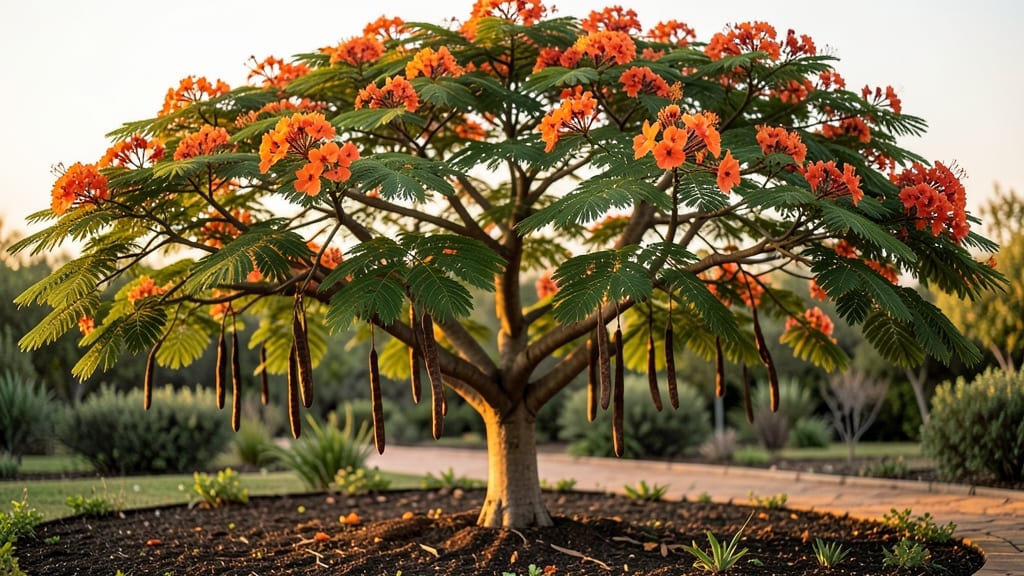
Those vibrant royal poinciana seed pods hold the key to growing one of the most dramatic tropical trees in your landscape. 🌺 I've wrestled with their stubborn germination process, and I'm sharing the exact method that finally gave me strong, healthy saplings after years of trial and error.
The challenge starts with the pods themselves—thick, woody shells that protect seeds reluctant to sprout. You'll need a sharp knife, patience, and a warm, humid environment to coax them into action.
Most people give up after a few weeks, but with the right soaking technique and temperature control, you'll see those first green shoots within 4-8 weeks.
What you end up with is a fast-growing sapling that will eventually produce those iconic flamingo-pink blooms in just a few years. The tree thrives in full sun, tolerates poor soil, and becomes a stunning focal point once established. The secret is starting strong with the right germination setup.
Perfect for warm climates (USDA zones 10-11), but even cooler areas can try container growing. Here's how to turn those tough pods into a tropical centerpiece for your outdoor space.
📚 In This Guide
- What you need
- Instructions
- Tips and common mistakes
- Wrapping up and next steps
What you need
- ● Royal Poinciana seed pods: 3–5 fresh, plump pods (harvested in late summer/fall for best results).
- ● Well-draining potting mix: 1–2 gallons of a blend with perlite or sand (e.g., cactus/succulent mix).
- ● Planting containers: 2–3 small pots (4–6 inches deep) with drainage holes.
- ● Watering can or spray bottle: For gentle hydration (avoid overwatering!).
- ● Plastic wrap or humidity dome: To retain moisture during germination.
- ● Grow lights or sunny windowsill: Bright, indirect light (6+ hours/day).
- ● Scissors or knife: For carefully opening seed pods.
- ○ Seed tray: For sowing multiple pods at once (optional but handy!).
- ○ Heating mat (70–80°F): Speeds up germination (optional but helpful in cool climates).
- ● Fertilizer (low-nitrogen): 5-10-5 or organic compost (after sprouting).
- ● Tweezers: For delicate seed handling.
- ● Notebook/pencil: To track germination progress (fun for kids or data lovers!).
Step-by-Step guide to germinating royal poinciana tree seed pods
Here's how to coax these vibrant tropical seeds into life—with patience and the right approach.
🌱 Step 1: Harvest and Prepare the Seed Pods
Collect mature seed pods when they turn from green to brown and begin splitting open naturally. The pods contain large, flat seeds that need careful handling—don't let them dry out or they'll lose viability. I like to process them immediately or store them in a paper bag in a cool, dry place for up to a week if needed.
Open the pods carefully with a knife or your hands, removing the seeds and their papery coating. The seeds are sensitive to moisture at this stage, so avoid soaking them. Instead, let them air-dry on a paper towel for 24 hours in a shaded spot. This mimics their natural drying period in the wild and helps prevent rot during germination.
💧 Step 2: Soak and Stratify for Germination
Here's the thing—royal poinciana seeds need a warm stratification process to break dormancy. Fill a small container with lukewarm water (around 85°F) and soak the seeds for 24 hours. You'll see some float—those are the ones to discard, as they won't germinate. Keep only the seeds that sink to the bottom.
After soaking, wrap the viable seeds in a damp paper towel and place them in a sealed plastic bag. Store the bag in a warm spot (75-85°F) for 4-6 weeks. Check the towel weekly—it should stay moist but not soggy. If it dries out, mist it lightly with water. This stratification mimics the tropical climate's warm, humid conditions and signals the seeds it's time to grow.
☀️ Step 3: Plant in Warm, Well-Draining Soil
Once you see tiny roots emerging from the seeds (usually after 3-4 weeks of stratification), it's time to plant. Use a light, fast-draining mix—I blend equal parts peat moss and perlite for this step. Fill small pots (4-6 inches deep) with the mix, leaving 1 inch of space at the top.
Plant the seeds ½ inch deep, spacing them 2 inches apart in their pots. Water gently until the soil is moist but not waterlogged. Place the pots in a warm, bright spot with indirect light—direct sun at this stage can scorch the delicate seedlings. A greenhouse tray or a warm windowsill works well. Keep the soil consistently moist, but never soggy, as overwatering will cause the seeds to rot.
🌿 Step 4: Provide Humidity and Gradual Sun Exposure
Royal poinciana seedlings thrive in humidity, so cover the pots with a clear plastic dome or plastic wrap to retain moisture. Remove the cover for 10 minutes daily to allow airflow and prevent mold. You'll see the first true leaves emerge in 4-6 weeks—these will be small and delicate, so handle them with care.
After the seedlings develop 3-4 sets of leaves, gradually introduce them to morning sun for 1-2 hours daily, increasing exposure over 2 weeks. This hardening process prevents shock when they're eventually moved outdoors. Once they tolerate full sun without wilting, they're ready for their permanent spot—just be sure to plant them in well-draining soil and a location with full sun exposure for at least 6-8 hours daily.
Tips & tricks for germinating royal poinciana tree seed pods
These little-known tricks will help you avoid the most common pitfalls with royal poinciana seeds—and give your seedlings the best possible start.
Timing is Everything: The 24-hour soak in Step 2 is non-negotiable—it's what breaks the seed's dormancy. Use a thermometer to confirm your water stays at 85°F; cooler water won't trigger germination. I've seen seeds fail completely when soaked in room-temperature water (around 70°F), even though it feels warm to us. For extra insurance, place your container on a seedling heat mat set to 85°F during the soak.
Seed Selection Matters: In Step 2, when you discard the floating seeds, don't be tempted to give them another chance. Those that float won't germinate—they're either hollow or damaged. Trust this test completely. For the seeds that sink, look for ones that are plump and free of cracks or dark spots. The healthiest seeds will have a smooth, glossy surface. I've had germination rates jump from 30% to 80% just by being picky about which seeds I keep.
Stratification Secrets: During the 4-6 week stratification in Step 2, consistency is key. I place my sealed bag inside a larger ziplock with a few drops of water to create a mini greenhouse effect—this prevents the towel from drying out between weekly checks. If you notice mold developing (fuzzy white or black spots), open the bag immediately, let it air out for 30 minutes, then reseal. The warm, humid conditions are perfect for mold growth, so vigilance here saves seeds.
Planting Precision: When planting in Step 3, resist the urge to bury seeds deeper than ½ inch—this is critical. Deeper planting can cause the seeds to rot before they germinate. I use a toothpick to make small holes in the soil mix, then place each seed gently with tweezers. This gives you better control over depth and spacing. After planting, give the pots a light mist with water rather than pouring—this keeps the soil evenly moist without disturbing the seeds.
Pro Tips for Royal Poinciana Tree Seed Pods
- These little-known tricks will help you avoid the most common pitfalls with royal poinciana seeds—and give your seedlings the best possible start.
- Timing is Everything: The 24-hour soak in Step 2 is non-negotiable—it's what breaks the seed's dormancy.
- Seed Selection Matters: In Step 2, when you discard the floating seeds, don't be tempted to give them another chance.
Frequently asked questions
Got questions about royal poinciana seed pods?
You’re not alone! Here are answers to the most common queries to help you grow these stunning tropical trees with confidence.
How long does it take for royal poinciana seed pods to germinate?
Royal poinciana seeds typically take 4–12 weeks to germinate, depending on soil warmth, moisture, and consistency. Pre-soaking pods for 24–48 hours in warm water can speed this up. Patience is key—these tropical beauties don’t rush!
Do royal poinciana seed pods need special soil or conditions to sprout?
Yes! Use a well-draining, sandy, and slightly acidic mix (pH 5.5–6.5). These pods thrive in warmth (70–85°F) and humidity. A greenhouse or sunny windowsill helps mimic their native tropical climate. Avoid waterlogging—dampness can rot the seeds.
Can I grow royal poinciana from store-bought pods, or do I need fresh ones?
Store-bought pods can germinate, but fresh pods (harvested in late summer/fall) have the highest success rate. If buying dried pods, soak them longer (48+ hours) to soften the hard outer shell. Freshness = better odds!
Why aren’t my royal poinciana seeds sprouting? Troubleshooting tips.
Check these common issues:
- Cold soil – Use a heat mat if temps drop below 65°F.
- Overwatering – Keep soil moist but not soggy.
- Old/dried seeds – Test viability by scratching the pod—if it’s rock-hard, it may be dead.
- No light – Place trays near a sunny window or under grow lights.
How big should royal poinciana seedlings be before transplanting outdoors?
Wait until seedlings are 6–12 inches tall with 3–5 true leaves and sturdy stems. Harden them off (acclimate to outdoor temps) for 1–2 weeks before planting in well-draining, tropical-friendly soil. Choose a spot with full sun (6+ hours/day)—they love heat!
Wrapping up and next steps
Growing royal poinciana tree seed pods is a rewarding journey that brings tropical beauty to your landscape! 🌿 With patience, the right conditions, and a little care, you’ll soon enjoy vibrant blooms and lush foliage.
Whether you’re a seasoned gardener or just starting out, these seeds offer a unique way to cultivate a stunning centerpiece.
Ready to take the next step? Start by gathering your supplies and follow the germination guide—your future royal poinciana awaits! Happy planting! 🌱