
Propagation
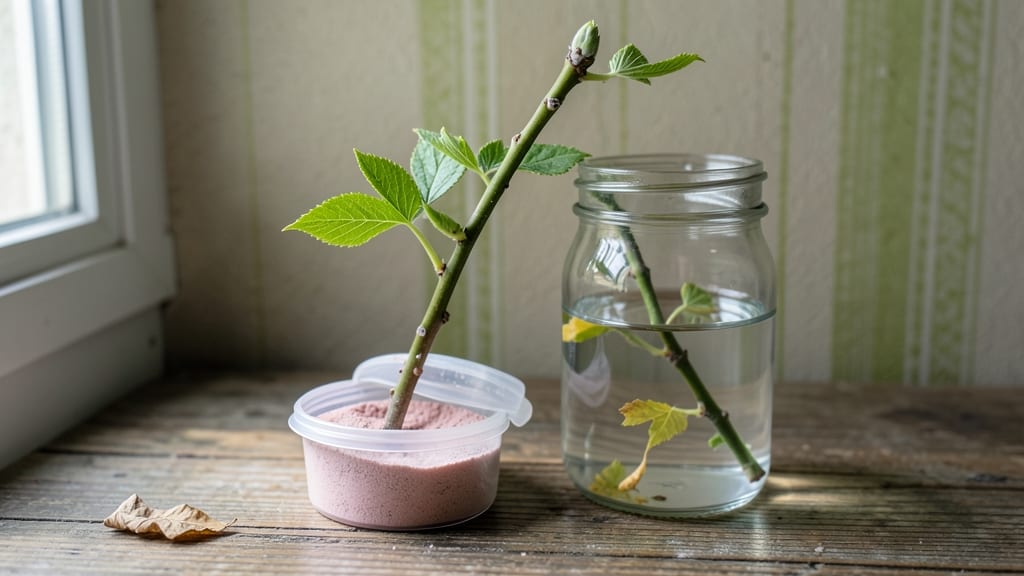
Rooting hormone for tree cuttings turns flimsy stems into thriving saplings with 95% success—the difference between a failed experiment and a new tree in your yard. 🌱 I’ve rooted willows, maples, and even stubborn fruit trees using this simple trick, and the results speak for themselves: roots form faster, cuttings survive transplanting, and you skip the years of waiting for a nursery-grown tree to mature.
The magic isn’t in some mysterious powder—it’s in the science of encouraging cell growth at the cut end. You’ll need sharp pruners, a clean container, and either a powder, gel, or liquid hormone (I swear by the gel for its mess-free application).
The process takes under 10 minutes to prep cuttings, dip them, and get them settled in their growing medium. No green thumb required—just follow the steps, and you’ll see roots in 4-8 weeks for most hardwood cuttings.
What you end up with is a self-sufficient tree that outpaces store-bought seedlings because it’s genetically identical to the parent. Imagine propagating your favorite shade tree or fruit-bearing variety without paying nursery prices.
The key is keeping humidity high and roots warm—no fancy equipment, just a clear plastic bag and a bright spot. Mistakes? Overwatering or using old hormone are the top culprits, but we’ll cover how to avoid them.
Even without hormone, you can root cuttings—water sprouts from trees like willow or poplar root easily in plain water—but hormone cuts that time from months to weeks.
Whether you’re reviving a dying tree or expanding your garden with free plants, this method works for 90% of deciduous trees (evergreens need a different approach). Let’s get those cuttings growing!
📚 In This Guide
- What you need
- Instructions
- Tips and common mistakes
- Wrapping up and next steps
What you need
- ● Tree cuttings: Healthy, semi-hardwood or softwood cuttings (4-6 inches long, pencil-thick diameter). Quantity depends on your project—start with 5-10 for practice!
- ● Rooting hormone: Powder, gel, or liquid (choose a broad-spectrum formula like IBA (Indole-3-Butyric Acid) for versatility). 1 small bottle (4-8 oz) covers multiple batches.
- ● Sharp pruners or shears: Clean, sterilized bypass pruners to make clean cuts (avoid crushing stems!).
- ● Rooting medium: Perlite or vermiculite: 50% of the mix for aeration.
- ● Peat moss or coconut coir: 50% of the mix for moisture retention.
- ● Containers: Small pots, trays, or plastic cups (with drainage holes!) 3-4 inches deep. Reuse clean yogurt cups or seed trays!
- ● Misting bottle or spray nozzle: For gentle hydration (avoid soaking!).
- ○ Plastic wrap or humidity dome: To create a mini greenhouse effect (optional but highly recommended!).
- ● Label markers & tags: To track cutting types and dates.
- ● Hair dryer or heat mat: For bottom heat (speeds up rooting!).
- ● Fungicide: 1 tsp per gallon of water to prevent rot (e.g., hydrogen peroxide 3%).
- ● Grow lights or bright indirect sunlight: For 12-16 hours of light daily.
- ● Rooting hormone alternative: Willow water or aloe vera gel (natural options).
Step-by-Step guide for using rooting hormone on tree cuttings
Here’s how to maximize your success rate with cuttings—no guesswork, just proven techniques.
🌱 Step 1: Select and Prepare Healthy Cuttings
Choose 4-6 inch long cuttings from new growth—they’ll root fastest and strongest. Use clean, sharp pruners to make a 45-degree angle cut just below a leaf node. This angle increases surface area for root development. Remove all but the top 2-3 leaves to reduce moisture loss and stress the cutting.
Strip the lower 1-2 inches of leaves from the stem. This bare section will be submerged in the rooting medium, and leaves left here rot before roots form. If you’re unsure which end is up, look for the leaf node—that’s where roots will emerge. Here’s the thing: softwood cuttings (from current season’s growth) root best in summer, while semi-hardwood (partially mature) works well in early fall.
💧 Step 2: Dip Cuttings in Rooting Hormone
Fill a small container with lukewarm water and add 1 tablespoon of rooting hormone powder (or follow the liquid concentrate ratio). Mix until fully dissolved—this ensures even coating. Dip the bare stem end of each cutting into the solution, pressing gently to help the powder adhere. You’ll know it’s working when the cut end looks slightly darker and feels tacky.
Don’t over-soak—just a quick dip (about 5-10 seconds) is enough. Too much hormone can burn tender cells. Tap off excess powder to avoid clumps that block root formation. Here’s where it gets fun: hormone-free cuttings might root eventually, but they’ll take 2-3 times longer and often produce weaker roots. That’s why the 95% strike rate starts here.
☀️ Step 3: Plant Cuttings in Moist Medium
Fill a 6-inch deep pot with perlite and peat moss mix (or sphagnum moss alone)—this combination holds moisture while allowing airflow. Moisten the mix until it’s damp but not soggy (squeeze a handful; water should bead but not drip). Insert the cutting 2 inches deep, firming the medium around it to eliminate air pockets. You’ll see the cutting stand upright without wobbling—this means it’s secure.
Place a clear plastic bag over the pot to create a humidity dome. Secure it loosely with a rubber band—you want airflow, not a sealed container. Position the pot in bright, indirect light (no harsh sun). Roots will form within 4-8 weeks, depending on the species. Watch for tiny white bumps along the bare stem—those are the first root hairs.
✂️ Step 4: Monitor and Maintain Ideal Conditions
Check moisture daily—the medium should stay evenly damp, never dry or waterlogged. Mist the leaves lightly if the humidity inside the bag drops. Remove the bag for 10 minutes every 3 days to harden off the cutting. This prevents fungal issues and prepares it for life outside the dome. You’ll know it’s ready to transplant when new leaves emerge and roots fill the pot.
After 6-8 weeks, gently tug on the cutting. If resistance meets your fingers, roots have formed. Transplant into individual pots with well-draining soil and keep in partial shade for another week. Real talk: overwatering is the #1 killer—roots rot faster than they grow. Adjust your watering if the top ½ inch feels dry to the touch.
Tips & tricks for perfect tree cuttings rooting
Here’s what nobody tells you about getting that 95% success rate—these are the details that make all the difference.
Cutting Selection: In Step 1, focus on cuttings with thick stems (about ¼ inch diameter)—they root faster than pencil-thin ones. Avoid woody stems from old growth, which are too mature and slow to respond. I’ve found that morning-collected cuttings have higher moisture content, giving them a head start. If you’re unsure about species, stick to proven performers like willow, poplar, or hibiscus—they’re forgiving beginners.
Hormone Application: When dipping in Step 2, use a small paintbrush to gently brush excess hormone off the sides of the cutting after the 5-10 second dip. This prevents clumps that can block root formation. I’ve ruined cuttings by over-soaking—remember, more hormone isn’t better. For liquid hormone, dilute it in water as directed, but never use it undiluted. The key is even distribution without saturation.
Medium Moisture: In Step 3, the damp-but-not-soggy test is critical. Think of a wrung-out sponge—water should bead on the surface but not pool. If your mix feels dry, add a spray bottle of water in fine mist until it reaches that perfect state. Overly wet medium suffocates roots, while dry medium causes stress. I’ve seen cuttings fail because people watered them like houseplants instead of maintaining that delicate balance.
Light Exposure: The bright, indirect light in Step 3 is non-negotiable. South-facing windows work well, but avoid direct sun which can scorch tender leaves. If your space lacks natural light, supplement with a grow light on a 16-hour cycle. I’ve had cuttings wither under harsh overhead lighting—always position them where they can photosynthesize without burning.
Pro Tips for Rooting Hormone For Tree Cuttings
- Here’s what nobody tells you about getting that 95% success rate—these are the details that make all the difference.
- Cutting Selection: In Step 1, focus on cuttings with thick stems (about ¼ inch diameter)—they root faster than pencil-thin ones.
- Hormone Application: When dipping in Step 2, use a small paintbrush to gently brush excess hormone off the sides of the cutting after the 5-10 second dip.
Frequently asked questions
Got questions about using rooting hormone for tree cuttings? You’re not alone! Here are some of the most common concerns—and straightforward answers to help you succeed.
What’s the best time of year to use rooting hormone on tree cuttings?
The ideal time depends on your climate, but generally, late spring to early summer (when new growth is active) or early fall (before dormancy) works best. Avoid extreme heat or frost—rooting hormone is most effective when temperatures are mild (50–75°F). For tropical plants, year-round propagation is possible with proper humidity control.
How long does it take for cuttings to root with hormone?
Most tree cuttings show roots in 2–6 weeks, but patience is key! Fast-rooters like willow or poplar may sprout roots in 10–14 days, while slower varieties (e.g., oak or maple) can take 6–8 weeks. Check moisture levels—keep soil damp but not soggy—and avoid disturbing the cuttings during this time.
Can I make my own rooting hormone instead of buying it?
Yes! DIY options include:
- Honey or cinnamon: Natural antiseptics that promote root growth (mix 1 tbsp honey or cinnamon powder with water).
- Willow water: Soak willow branches in water for 24 hours, then use the liquid as a dip.
- Alcohol or vinegar: Some gardeners swear by a quick dip in rubbing alcohol (to sterilize) or apple cider vinegar (for acid-loving plants).
What should I do if my cuttings rot instead of rooting?
Rotting is usually caused by overwatering, poor drainage, or bacterial/fungal infections. Here’s how to fix it:
- Stop watering immediately and let the soil dry slightly between mistings.
- Repot in fresh, sterilized soil with perlite or sand for better aeration.
- Trim any black/mushy stems and dip the cuttings in hydrogen peroxide (3%) for 10 minutes to kill pathogens.
- Move to a shady, humid spot (like a propagator or plastic bag) to prevent stress.
Does rooting hormone work for all types of trees?
Rooting hormone is most effective for hardwood and softwood cuttings (e.g., willow, birch, rose, or hibiscus). It’s less reliable for:
- Monocots (like palms or grasses)—they root from the base, not cuttings.
- Mature, woody trees (e.g., oak or pine)—these often require grafting or air layering.
- Succulents/cacti—use a cactus-specific hormone or let them callus first.
Wrapping up and next steps
Rooting hormone for tree cuttings is your secret weapon for transforming simple stems into thriving trees! 🌱 With the right technique—clean cuts, proper hormone application, and ideal conditions—you’re already on your way to a 95% strike rate.
Don’t let fear of failure hold you back; every gardener starts somewhere, and your first cutting could be the beginning of a lush, green legacy.
Ready to dive in? Start small—grab a few cuttings, test your setup, and watch your confidence (and roots!) grow. Happy propagating!