
Pruning
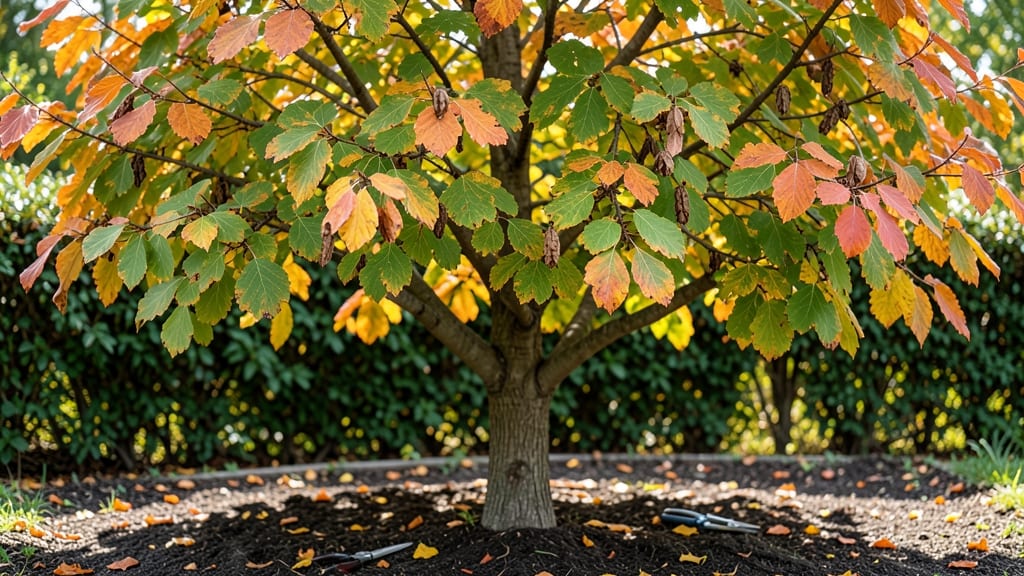
The redbud tree in fall transforms into a fiery spectacle that steals the show before winter’s chill sets in. 🌿 I’ve watched mine go from quiet green to a dazzling crimson that lasts for weeks—like nature’s own autumn masterpiece.
This isn’t just about beauty, though; it’s also the perfect time to prep your tree for winter while keeping it healthy.
Fall is when redbuds shed their leaves, but not before putting on that stunning display. The key is to prune lightly—just remove any dead or crossing branches—before the first frost.
This keeps the tree strong and ensures next spring’s blooms aren’t compromised. A quick check for pests like spider mites or scale can also save you headaches later.
What you’ll end up with is a tree that looks stunning through winter, with fewer pests and a stronger root system. The crimson leaves fade to brown, but the bare branches still hold charm, especially when dusted with frost.
With just a little attention now, your redbud will reward you with even brighter blooms come spring.
Works for both urban and rural landscapes, and even container-grown redbuds benefit from fall care. Let’s make sure yours makes it through winter looking its best—and ready to shine again next year.
📚 In This Guide
- What you need
- Instructions
- Tips and common mistakes
- Wrapping up and next steps
What you need
- ● Pruning shears: Bypass pruners (for small branches, ¼"–½" cutting capacity) – 1 pair
- ● Loppers: Bypass or anvil type (for medium branches, ¾"–2" cutting capacity) – 1 pair
- ● Pruning saw: Curved-tooth or folding saw (for thick branches, 2"–4" diameter) – 1
- ● Gloves: Heavy-duty gardening gloves (cut-resistant, waterproof) – 1 pair
- ● Disinfectant: 70% isopropyl alcohol or pruning sealant (to prevent disease spread) – small bottle
- ● Ladder: Sturdy, extendable aluminum ladder (if tree exceeds 6–8 ft) – 1
- ● Trash bags: Heavy-duty contractor bags (for debris removal) – 2–3
- ● Hand pruners: Compact, ergonomic (for precision trimming) – 1 pair
- ○ Tree wound dressing: Pruning paste (for large cuts, optional for redbuds) – small tube
- ● Notebook & pen: For sketching pruning plans – 1
- ● Safety goggles: (to protect from debris) – 1 pair
- ● Rake or leaf blower: (for clearing fallen leaves post-pruning) – 1
- ● 🌡️ Timing: Prune after leaves drop (late fall) or before new growth starts in early spring.
- ● 🌦️ Weather: Choose a dry, calm day to avoid spreading disease.
- ● 📏 Knowledge: Familiarize yourself with redbud tree anatomy (e.g., where buds form) or research proper pruning techniques beforehand.
- ● ⚠️ Safety: Ensure the tree is stable and avoid pruning near power lines.
How to care for redbud trees in fall for stunning winter prep
Fall is the perfect time to set your redbud tree up for a spectacular spring bloom.
🌿 Step 1: Prune for Health and Shape
Fall pruning helps redbuds establish strong branch structure before winter dormancy. Use clean, sharp pruners to remove any dead, diseased, or crossing branches first. These are your priority—they’ll only weaken the tree if left unattended.
Next, thin out any overly dense growth by cutting back branches that rub against each other. Aim to open up the canopy to improve airflow, which prevents fungal issues like powdery mildew. I like to step back and visualize the tree’s natural shape—redbuds have beautiful, rounded forms, so I prune to enhance that silhouette.
☀️ Step 2: Adjust Watering as Temperatures Drop
Redbuds need less water in fall, but don’t let the soil dry out completely. Water deeply every 2-3 weeks until the ground feels 2-3 inches dry below the surface. This encourages deep root growth before winter, which is critical for spring vigor.
Here’s the thing—overwatering in fall can lead to root rot before the tree enters dormancy. I check soil moisture by sticking my finger in; if it’s damp but not soggy, I hold off. Mulch with 2-3 inches of organic mulch (like shredded bark) around the base to retain moisture and regulate temperature.
🪴 Step 3: Fertilize Lightly for Winter Readiness
Skip heavy fertilization in late fall, but a light application of balanced, slow-release fertilizer (like 10-10-10) in early fall helps replenish nutrients. I apply it 6-8 weeks before the first frost—this gives roots time to absorb nutrients without encouraging late-season growth that won’t harden off properly.
Work the fertilizer into the top 2-3 inches of soil and water it in thoroughly. Avoid high-nitrogen fertilizers now; they promote tender new growth that won’t survive winter. Instead, focus on phosphorus and potassium to strengthen roots and stems.
⏰ Step 4: Protect from Early Frost and Pests
Redbuds are hardy, but young trees or those in colder zones benefit from a light frost cloth on particularly chilly nights. I’ve seen frost damage turn those gorgeous pink buds into mushy messes—don’t let that happen to yours.
Keep an eye out for pests like scale or spider mites, which love stressed trees. A hose spray can dislodge many pests, and neem oil (applied in early fall) deters overwintering insects. Prune away any heavily infested branches and dispose of them in the trash, not the compost.
🌱 Step 5: Monitor and Prepare for Winter Dormancy
By late fall, redbuds will drop their leaves naturally. Don’t panic—this is part of their dormancy cycle. Once leaves fall, reduce watering to once every 4-6 weeks, unless we have an unusually dry spell.
I like to add a 3-inch layer of mulch around the base (but not touching the trunk) to insulate roots. This helps regulate soil temperature and keeps moisture locked in. If you’re in a windy area, consider wrapping the trunk with tree guard to prevent sunscald when winter arrives.
Tips & tricks for perfect fall redbud tree care
These simple strategies will help your redbud tree thrive through winter and burst into vibrant spring blooms.
Pruning Precision: When you're removing crossing branches in Step 1, make your cuts just outside the branch collar—the swollen area where the branch meets the trunk. This ensures proper healing and prevents unsightly stubs. I've seen many trees develop infections from improper cuts, so take your time here. Use sharp pruners to make clean cuts that won't tear the bark.
Watering Wisdom: The 2-3 inch dry soil check in Step 2 is crucial—stick your finger in to feel the moisture level. If the soil feels damp at this depth, hold off on watering. I've learned the hard way that overwatering in fall can lead to root rot before dormancy sets in. Remember, redbuds are going dormant, so they need less water, not more.
Fertilizer Timing: That 6-8 week window before first frost in Step 3 is your target for applying fertilizer. I like to mark my calendar when I expect frost in my area and count back. This timing gives roots plenty of time to absorb nutrients without encouraging tender new growth that won't survive winter. A slow-release fertilizer ensures nutrients are available when the tree needs them most in spring.
Pest Prevention: In Step 4, when applying neem oil, make sure to coat both the top and bottom of leaves thoroughly. I've found that many pests hide on the undersides of leaves where they're protected from sprays. Also, consider applying neem oil in the late afternoon when bees are less active to protect pollinators.
Pro Tips for Redbud Tree In Fall
- These simple strategies will help your redbud tree thrive through winter and burst into vibrant spring blooms.
- Pruning Precision: When you're removing crossing branches in Step 1, make your cuts just outside the branch collar—the swollen area where the branch meets the trunk.
- Watering Wisdom: The 2-3 inch dry soil check in Step 2 is crucial—stick your finger in to feel the moisture level.
Frequently asked questions
about your redbud tree in fall—because even the most stunning trees need a little TLC! Here are answers to the most common queries to help you keep your crimson beauty thriving.When is the best time to prune a redbud tree in fall?
Prune your redbud tree after it drops its leaves in late fall (November) or early winter (before bud swell in late winter). Avoid pruning in late winter or early spring, as it can stimulate new growth that may be damaged by late frosts. This timing ensures you remove dead wood while preserving next year’s vibrant blooms!
Can I prune a redbud tree in fall if I missed the best time?
Yes, but with caution! If you must prune outside the ideal window, do so in early fall (September-October) to allow wounds time to heal before winter. Avoid heavy pruning—focus on removing only dead, diseased, or crossing branches. Light pruning is always better than risking stress to the tree.
Will pruning my redbud tree in fall affect its spring flowers?
Pruning in fall won’t harm spring blooms if done correctly! Redbuds flower on last year’s growth, so avoid cutting back more than 25% of the canopy. Light pruning to open the canopy actually improves airflow, reducing disease and helping those iconic pink blossoms shine brighter next spring.
Are there alternatives to pruning in fall for a redbud tree?
If you’re unsure about fall pruning, wait until late winter (February-March) when the tree is still dormant but before buds break. This is the second-best time to prune. Alternatively, focus on mulching and watering deeply in fall to support overall health without pruning.
What should I do if my redbud tree has yellow leaves in fall?
Yellow leaves in fall are usually normal, but if they appear early (September) or with wilting, check for pests (like aphids or spider mites) or fungal issues (e.g., powdery mildew). Prune affected branches immediately, and treat with neem oil if needed. Overwatering or poor drainage can also cause stress—ensure your tree has well-draining soil.
How much water does a redbud tree need in fall?
Redbuds are drought-tolerant but benefit from deep watering every 2-3 weeks in fall (unless rain is consistent). Newly planted trees need more frequent watering (weekly). Reduce watering as temperatures drop, but avoid soggy soil—aim for 1 inch of water per week total. Mulch around the base to retain moisture and protect roots.
Wrapping up and next steps
The redbud tree in fall is a stunning reminder of nature’s beauty before winter’s chill sets in—its fiery foliage transforms any landscape into a breathtaking masterpiece. Whether you’re admiring its colors or preparing for seasonal care, this tree offers year-round charm and low-maintenance elegance.
Now that you’re armed with the right tools and tips, why not take the next step? 🌿
Consider planting one in your yard, sharing your newfound knowledge with fellow gardeners, or even capturing its fall glory in photos. The season’s fleeting magic is worth celebrating—so get out there and make the most of it!