
Pruning
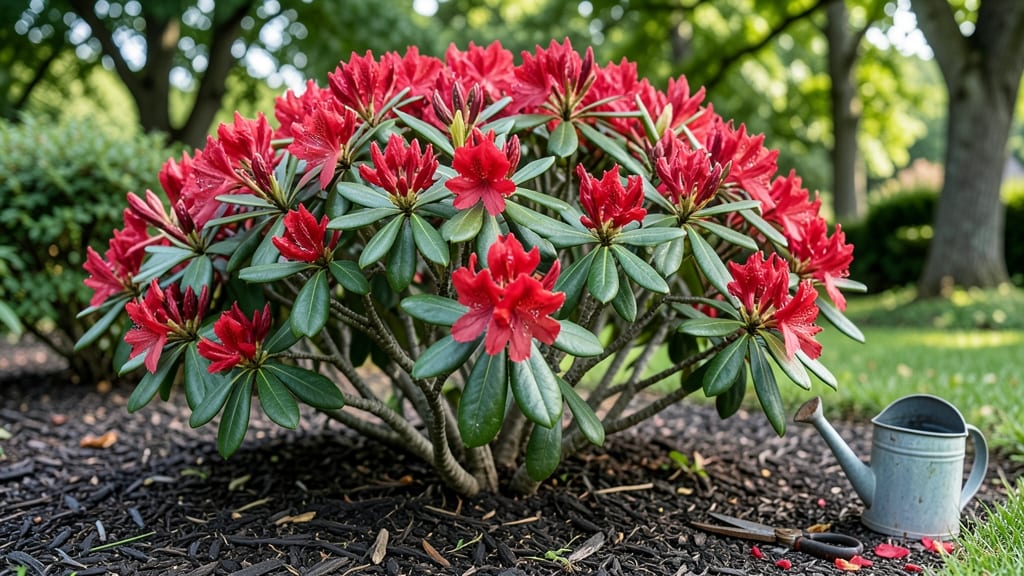
Your red rhododendron tree could be the star of your landscape—but only if you prune it right. I’ve spent years watching these bold, fire-engine shrubs transform from scraggly to showstopping, and the secret isn’t just timing.
It’s about understanding how these thick-skinned beauties respond to cuts, and when to leave them alone. That first snip after blooms can make the difference between a bush full of leggy branches and one bursting with next year’s flower buds.
Most gardeners mess this up by pruning too late or too aggressively. The ideal time is right after spring blooms fade, when the foliage is still fresh but the new growth hasn’t had time to harden.
Grab your loppers and focus on removing dead wood, crossing branches, and thinning out crowded stems—never cut back more than one-third of the plant at once. Red rhododendrons hate being trimmed too hard; they’ll sulk by producing fewer flowers or even shedding leaves in protest.
What you’ll end up with is a tree that looks like it belongs in a botanical garden, not your backyard. The branches will be balanced, the blooms will be bigger, and the foliage will stay dense and glossy all season.
Plus, you’ll avoid the common mistake of waiting until summer, which stresses the plant and invites pests. Think of pruning as a conversation with your tree—listen to its shape, and it’ll reward you with years of vibrant red blooms.
This works for both container-grown rhododendrons and those planted in the ground, though larger specimens need heavier-duty tools. If you’re in a cold climate, a light mulch layer after pruning helps protect the roots through winter.
The key is consistency—prune the same way every year, and your red rhododendron will thank you with bold, healthy growth for decades.
📚 In This Guide
- What you need
- Instructions
- Tips and common mistakes
- Wrapping up and next steps
What you need
- ● Pruning shears: Bypass pruners (for small branches, ¼"–½" thick) – 1 pair (e.g., Felco F-2 or Corona Pro).
- ● Loppers: For medium branches (½"–1½" thick) – 1 pair (e.g., Fiskars X27).
- ● Pruning saw: For thick branches (>1½" thick) – 1 saw (e.g., Felco F-3).
- ● Garden gloves: Heavy-duty, cut-resistant (e.g., Mechanix or Dr. McGill’s).
- ● Disinfectant: 70% isopropyl alcohol or 10% bleach solution (to sterilize tools between cuts).
- ○ Sharpie or marker: For labeling branches if grafting/propagating (optional).
- ● Buckets or bags: 2–3 gallon-sized containers for clippings (for compost or disposal).
- ● Weather check: Prune on a dry, overcast day (avoid rain or direct sun to prevent stress).
- ● Safety gear: Safety glasses (to protect from debris) and long sleeves/pants.
- ● Tree knowledge: Identify dead, diseased, or crossing branches before starting.
- ● Ladder (if needed): Extendable or sturdy step ladder (for tall trees >6 ft).
- ● Hand pruners: For precision trimming of tiny stems (e.g., Corona Classic).
- ● Tree wound dressing: Pruning sealant (controversial—skip if your tree is healthy!).
- ● Notebook & pen: To sketch your tree’s structure before/after pruning.
- ● Compost bin: For recycling clippings into nutrient-rich compost.
Step-by-step guide to pruning your red rhododendron tree
Here's how to keep your shrub thriving with clean, seasonal cuts.
Prune Immediately After Flowering
This is the single most important timing for red rhododendrons. Wait until all blooms have faded—typically late spring to early summer—and then prune within 2-3 weeks. The reason matters: new flower buds form on old wood, so cutting too early removes next year's blooms.
Start by removing any dead, diseased, or crossing branches. Use clean, sharp pruners to make cuts just above a leaf node or outward-facing bud. I like to step back and look at the plant from all sides—this helps spot branches that block sunlight or create awkward shapes. Never remove more than one-third of the plant's total growth in a single season, or you'll stress the shrub.
Thin Out Overcrowded Branches
In early summer, focus on improving airflow and light penetration. Look for branches that grow inward or rub against each other—these create entry points for pests and diseases. Remove them at the base, cutting just outside the branch collar where it meets the main stem.
For thicker branches, I make the cut on the underside of the branch, angled slightly downward. This prevents water from pooling and rotting the wound. If you're unsure which branches to remove, prioritize the oldest wood first—this encourages younger, more vigorous growth. You'll know you're doing well when sunlight reaches the center of the plant and leaves look uniformly green.
Light Maintenance Pruning in Late Summer
This is a gentle touch-up phase. In late summer, simply shape the plant by trimming any new growth that looks leggy or out of place. Use your fingers to pinch back the tips of soft new shoots—this encourages bushier growth. Avoid heavy pruning now, as it can stimulate tender new growth that won't survive winter.
I also check for any suckers or water sprouts that might have appeared at the base. These are fast-growing, weak stems that drain energy from the main plant. Snip them off at ground level. If your rhododendron has become too large, you can make small reductions now, but never cut back more than 10-15% of the plant's height in one session.
Winter Preparation and Cleanup
After the first hard frost, do a final inspection. Remove any dead or damaged branches that might have appeared over winter. This is also the time to clean up all fallen leaves and debris from around the base—this prevents fungal diseases from overwintering.
If you have a particularly large or overgrown rhododendron, you can do a more aggressive shaping now, but only if absolutely necessary. The key is to make clean cuts just above a bud or branch collar. Avoid leaving stubs, as these can rot and invite pests. After pruning, apply a 2-3 inch layer of mulch around the base to protect roots from temperature swings.
Tips & tricks for pruning red rhododendron trees
Let me share the insights I've picked up after years of working with these stunning shrubs—these little details make all the difference.
Timing is everything: That 2-3 week window after flowering is critical. I've seen gardeners cut too early and wonder why their rhododendron didn't bloom the next year—those flower buds are already forming on last year's growth. Mark your calendar for when the last bloom fades, then wait exactly 2-3 weeks before pruning. This timing ensures you're not accidentally removing next year's flowers while still giving the plant time to recover from blooming.
The 1/3 rule for healthy growth: Never remove more than one-third of the plant's total growth in a single season. I learned this the hard way after over-pruning a mature rhododendron and watching it struggle for years to recover. Think of it like haircuts—you wouldn't shave your head bald in one session! For large shrubs, spread pruning over two seasons if needed. This rule applies to all pruning steps, from the initial post-bloom cut to any winter shaping.
Cutting technique matters: When making cuts, always aim for just above a leaf node or outward-facing bud. I use a simple trick: hold the branch so you can see the bud pointing in the direction you want new growth to go. For thicker branches, make the cut on the underside at a slight downward angle—this creates a natural water-shedding surface that prevents rot. The branch collar (that swollen area where the branch meets the stem) is your guide—never cut into it.
Seasonal maintenance secrets: In late summer, use your fingers to pinch back soft new shoots—this simple action encourages bushier growth without heavy pruning. For winter cleanup, focus on removing only what's absolutely necessary. The 2-3 inch layer of mulch after pruning is non-negotiable—it's like putting a cozy blanket around your plant's roots, protecting them from winter temperature swings that can stress the shrub.
Pro Tips for Red Rhododendron Tree
- Let me share the insights I've picked up after years of working with these stunning shrubs—these little details make all the difference.
- Timing is everything: That 2-3 week window after flowering is critical.
- The 1/3 rule for healthy growth: Never remove more than one-third of the plant's total growth in a single season.
Frequently asked questions
Got questions about pruning your red rhododendron tree? You’re not alone! Whether you’re a first-time pruner or just want to refine your technique, these answers will help you keep your shrub thriving and blooming beautifully.
When is the best time to prune a red rhododendron?
The ideal time to prune is right after flowering (late spring to early summer) but before new growth hardens. Avoid pruning in fall or winter—this can expose tender buds to frost damage. For light shaping, you can also trim lightly in early spring before buds swell.
How much can I cut back my red rhododendron?
Never remove more than one-third of the plant’s growth in a single season. For mature shrubs, focus on dead, crossing, or overcrowded branches first. Over-pruning can stress the plant and reduce next year’s blooms. Think of it like a haircut—less is more!
Why aren’t my red rhododendron blooms as vibrant as last year?
Duller blooms often signal over-pruning, poor nutrition, or stress. Check for:
- Pruning too late in the season (cutting next year’s flower buds).
- Compacted or waterlogged soil (they love acidic, well-draining soil).
- Lack of fertilizer (use a rhodo-specific or azalea fertilizer in early spring).
Can I prune a red rhododendron in winter?
Pruning in winter (especially during freezing temps) is risky because it can stimulate new growth that won’t survive frost. If you must trim in cold months, do so on a mild day and avoid heavy cuts. Wait until spring for major work.
What if I accidentally prune too much?
Don’t panic! If you’ve over-pruned, stop cutting immediately and focus on recovery:
- Water deeply to reduce stress.
- Avoid fertilizing until new growth appears (usually spring).
- Mulch around the base to protect roots.
Wrapping up and next steps
The red rhododendron tree thrives when pruned with care, and now you’re armed with the knowledge to keep it vibrant and blooming! 🌸 Whether you’re trimming for shape, health, or those stunning flowers, timing and technique make all the difference.
With the right tools and seasonal approach, your rhododendron will reward you with years of lush foliage and breathtaking color.
Ready to put your new skills to work? Grab your pruners and schedule that first cut—your tree (and future blooms) will thank you! 🌿