
Pruning
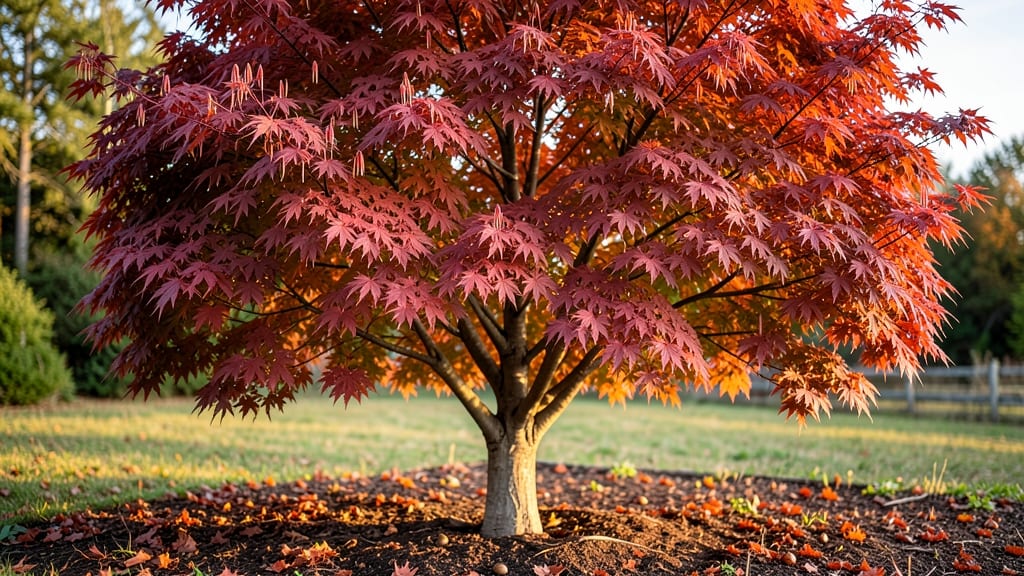
Caring for a red maple tree means unlocking that showstopping fall color and sturdy growth year after year. 🌳 I’ve learned the hard way that skipping pruning or ignoring soil needs turns vibrant canopies into weak, leggy shadows—so I’ve perfected a simple year-round routine that keeps these trees thriving.
The secret isn’t complicated: it’s timing, clean cuts, and paying attention to what the tree needs at each season.
You’ll need basic tools—a sharp pruning saw, gloves, and a ladder if branches are high—and a little patience. Red maples respond best to light pruning in late winter or early spring, but you can also shape them in summer without stressing the tree.
The goal is to remove dead wood, thin crowded branches, and open the canopy for sunlight to reach all the way to the ground.
What you end up with is a tree that bursts with deep red foliage in autumn, produces strong new growth in spring, and stands resilient against storms. Even better, you’ll avoid the common mistakes—like over-pruning or cutting too close to the trunk—that leave trees vulnerable to disease.
This method works for young saplings and mature giants alike.
Whether you’re dealing with a 10-foot sapling or a 50-foot veteran, the principles stay the same. Let’s get started with the steps that’ll keep your red maple looking its best for decades.
📚 In This Guide
- What you need
- Instructions
- Tips and common mistakes
- Wrapping up and next steps
What you need
- ● Pruning shears: Bypass pruners (sharp, 6–8 inch blades) for small branches (¼ inch thick). Pro tip: 💡 Sanitize blades with rubbing alcohol between cuts to prevent disease!
- ● Loppers: 1 pair (8–10 inch blades) for medium branches (½–1½ inch thick). Look for ratcheting models for extra leverage.
- ● Pruning saw: 1 handheld saw (bow or folding) for thick branches (1½+ inches). A curved blade reduces tear-out.
- ● Extension pole: 1 (6–10 ft) with a saw attachment for high branches. ✨ Safety first: Wear gloves and eye protection!
- ● Ladder: 1 sturdy, extendable ladder (rated for your height + 3 ft extra). Never stand on the top rung!
- ○ Disposable pruning bags: 1–2 (10–15 gallon) for debris collection. 🌡️ Optional: Wet bags for heavy pruning sessions.
- ● Sealing wax: 1 small bottle (e.g., Tanglefoot Tree Wound Pruning Sealer) for large cuts (2+ inches).
- ● Tree pruning spray: 1 bottle (e.g., Ortho Fruit Tree Spray) to disinfect tools between trees.
- ● Marking twine/paint: For tagging branches to remove (e.g., red paint for dead wood).
- ● Work gloves: 1 pair (cut-resistant, like Mechanix Wear) to protect hands.
- ● First-aid kit: Small kit for minor scrapes or stings (just in case!).
- ● Weather check: A portable weather app to avoid pruning during rain or high winds.
- ● Safety gear: Eye protection (safety glasses), earplugs (if using a chainsaw for large limbs), and closed-toe shoes.
- ● Tree health assessment: Inspect the tree for disease signs (fungus, oozing sap) or pests before pruning.
- ● Local regulations: Check if your area requires a permit for tree work over a certain height or diameter.
- ● Timing knowledge: Prune red maples in late winter/early spring (Feb–March) for best results.
Step-by-step instructions for pruning red maple trees
Here's how I keep red maples thriving—stronger branches, fuller canopies, and fewer surprises.
✂️ Step 1: Prune in Late Winter or Early Spring
Timing matters most for red maples. I prune 2-4 weeks before new growth begins—usually February to early March in most climates. This prevents heavy sap flow and disease risk while the tree is still dormant. Look for bare branches with no buds to identify dead wood first; these are your top priority.
Red maples bleed sap heavily when pruned too late. If you must prune in summer or fall, do it after mid-August to avoid encouraging new growth that won't harden off before winter. I always check the forecast—prune on a dry, calm day when rain isn't expected for at least 24 hours.
🌿 Step 2: Remove Dead, Diseased, or Crossing Branches
Start with dead or diseased branches—they drain energy from your tree. Cut these back to the main trunk or a healthy lateral branch. Use clean, sharp pruners to make smooth cuts just outside the branch collar (that swollen area where the branch meets the trunk). Never leave stubs; they invite rot and pests.
Next, remove crossing or rubbing branches—these create wounds that weaken the tree. If two branches grow toward each other, cut the smaller one at its base. For larger branches, use the three-cut method: make an undercut first, then a top cut, and finally remove the branch cleanly. Red maples have brittle wood, so work carefully to avoid tearing.
☀️ Step 3: Thin the Canopy for Better Airflow
Thinning isn't just about aesthetics—it's about light penetration and disease prevention. Aim to remove 20-30% of the canopy by selectively pruning branches that crowd the center. Focus on smaller branches first; they're easier to remove and less traumatic to the tree. Look for branches growing inward or downward—they block sunlight and trap moisture.
I step back frequently to visualize the tree's shape. Red maples naturally develop a rounded canopy, so I avoid heavy topping (cutting the top flat). Instead, I remove suckers (shoots growing from the base) and water sprouts (fast-growing vertical shoots) as I go. These compete for nutrients and weaken the tree's structure.
⏰ Step 4: Maintain Year-Round with Light Checks
After the main pruning, schedule quarterly checks to catch problems early. In summer, remove any dead or diseased branches you missed earlier—red maples can develop fungal issues if left unchecked. Always sterilize your tools with rubbing alcohol between cuts to prevent spreading disease.
In fall, focus on structural integrity. Look for branches with weak crotches (where two branches meet) or those growing at sharp angles—these are prone to breaking in storms. Prune these back before winter winds to reduce risk. I also remove any seed pods left on the tree; while they're not harmful, they can weigh down branches in heavy snow.
🪴 Step 5: Protect the Tree After Pruning
Water deeply right after pruning to help the tree recover. Red maples have shallow roots, so 1-2 inches of water per week (including rainfall) keeps them healthy. Mulch around the base with 2-3 inches of organic mulch, keeping it 6 inches away from the trunk to prevent rot.
Monitor the tree for 3-4 weeks post-pruning. If you see yellowing leaves or oozing sap, the cuts may have been too severe. In that case, apply pruning sealant to larger wounds (over 4 inches in diameter) to protect against pests and disease. Most small cuts will heal naturally if made cleanly.
Tips & tricks for perfect red maple tree care
Pruning red maples is an art that transforms your tree from good to spectacular. Here's what I've learned after years of trial and error.
Timing is Everything: The 2-4 week window before new growth begins is critical for red maples. I've seen trees bleed sap excessively when pruned outside this period—it's like opening a vein! If you must prune in summer or fall, stick to after mid-August to prevent new growth that won't survive winter. Always check the weather—pruning on a dry, calm day with no rain in the forecast for at least 24 hours makes all the difference.
Clean Cuts Prevent Problems: Never leave stubs when pruning—this is where rot and pests enter. For larger branches, the three-cut method is your best friend. Start with an undercut about 6-12 inches from the branch collar, then make your top cut just outside the collar, and finally remove the branch cleanly. Red maples have brittle wood, so work carefully to avoid tearing the bark, which creates larger wounds that take longer to heal.
Canopy Vision Matters: Step back frequently to visualize your tree's shape. Red maples naturally form rounded canopies, so aim to maintain that natural shape. When thinning, focus on removing smaller branches first—they're easier to remove and less traumatic. Look for branches growing inward or downward; these block sunlight and trap moisture, creating perfect conditions for fungal diseases. Remember, we're aiming for 20-30% canopy reduction, not deforestation!
Post-Pruning Recovery: After pruning, water deeply to help the tree recover. Red maples have shallow roots, so consistent moisture is crucial. Apply 2-3 inches of organic mulch around the base, but keep it 6 inches away from the trunk to prevent rot. Monitor the tree for 3-4 weeks post-pruning—yellowing leaves or oozing sap are signs the cuts may have been too severe, especially on larger branches over 4 inches in diameter.
Pro Tips for Red Maple Tree Care
- Pruning red maples is an art that transforms your tree from good to spectacular.
- Timing is Everything: The 2-4 week window before new growth begins is critical for red maples.
- Clean Cuts Prevent Problems: Never leave stubs when pruning—this is where rot and pests enter.
Frequently asked questions
Got questions about keeping your red maple thriving?
Here are answers to the most common concerns—whether you're a pruning pro or just starting out.
When is the best time to prune a red maple tree?
The ideal time is late winter or early spring (before buds swell), when the tree is dormant but sap is flowing. Avoid pruning in fall—it increases disease risk. For minor shaping, you can prune in summer, but always use sterile tools to prevent infections.
How much can I trim without harming my red maple?
Never remove more than 25% of the canopy in one season. Red maples are resilient, but excessive pruning stresses the tree. Focus on dead, diseased, or crossing branches first, then thin selectively to improve airflow. For large cuts, make them just outside the branch collar for faster healing.
Why are my red maple leaves turning yellow or brown?
Yellowing leaves often signal nutrient deficiencies (like iron or nitrogen) or overwatering. Brown edges may mean underwatering or drought stress. Check soil moisture and test pH—red maples prefer slightly acidic soil (pH 4.5–6.5). If pests (like aphids) are present, treat with neem oil or insecticidal soap.
Can I prune a red maple in extreme heat or cold?
Avoid pruning when temperatures are below 40°F or above 90°F. Cold weather weakens the tree, while heat stress can shock the system. If you must prune in summer, do it early morning or late evening to reduce sap flow and stress. Always water deeply before and after pruning in hot/dry conditions.
What’s the best alternative if my red maple isn’t thriving?
If your red maple struggles with disease, pests, or poor growth, consider disease-resistant alternatives like:
- Autumn Blaze® red maple (faster growth, fewer leaf spots)
- Armstrong maple (tolerates urban pollution well)
- Japanese maple (for smaller spaces, but needs more care)
Wrapping up and next steps
Caring for your red maple tree is a rewarding journey that yields stunning results—a vibrant canopy and healthier growth year after year!
By following this pruning blueprint, you’re not just shaping your tree; you’re investing in its long-term vitality. 🌿 Now that you’re armed with the right tools, techniques, and seasonal insights, it’s time to roll up your sleeves and give your tree the TLC it deserves.
Ready to take the next step? Schedule your first pruning session this spring and watch your red maple thrive! For extra confidence, consider consulting a local arborist or joining a gardening community to share tips and progress. Happy pruning—your tree’s future starts with your hands! ✂️💚