Trees
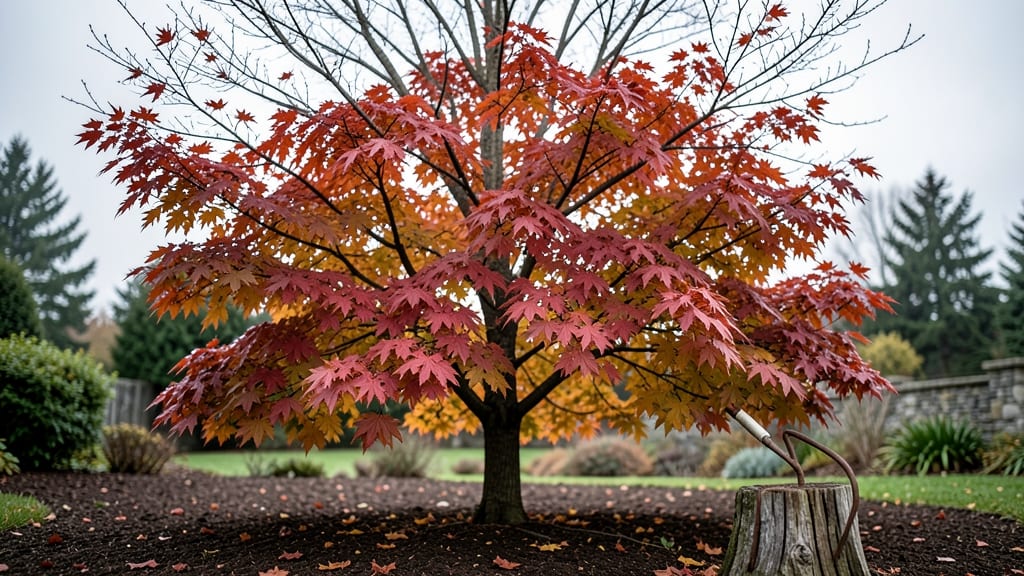
A red leaf fall tree transforms your yard into a masterpiece when autumn arrives. 🌿 I still remember the first time I saw a sugar maple ablaze in October—it felt like nature had painted the whole neighborhood in fire.
These trees don’t just survive fall; they steal the show, turning ordinary landscapes into postcard-worthy scenes that make neighbors pause and point.
What makes them special? Their crimson foliage isn’t just pretty—it’s a seasonal event. Plant one in a high-visibility spot near your front walk or patio, where its colors will draw eyes and create conversation.
Pair it with evergreens like pine or spruce to extend the impact, or add golden-leafed shrubs to make the red pop even more dramatically. The best part? Many of these trees thrive in average soil and handle both sun and partial shade.
Imagine walking outside in October to find your yard glowing with deep burgundy, fiery orange, and golden crimson hues. The right tree will keep its vibrant colors for weeks, long after other deciduous trees have faded to brown.
You’ll get compliments, better curb appeal, and a natural centerpiece that works year-round—even when the leaves fall, the structure and winter interest remain.
Whether you’ve got a small city yard or a sprawling suburban lot, there’s a red-leafed beauty that fits. Some stay compact enough for tight spaces, while others stretch their branches wide for bold statements. Let’s find the perfect one for your vision—your fall landscape will thank you.
📚 In This Guide
- What you need
- Instructions
- Tips and common mistakes
- Wrapping up and next steps
What you need
- ● Tree seedlings or saplings: Choose from species like Japanese Maple (Acer palmatum), Red Oak (Quercus rubra), or Sumac (Rhus typhina)—ensure they’re disease-free and locally adapted.
- ● Shovel or tree spade: A digging shovel (18–24 inches) for planting or a tree spade (for minimal root disturbance).
- ● Compost or organic mulch: 2–3 cubic feet per tree to enrich soil and retain moisture.
- ○ Watering can or hose with nozzle: A soaker hose (optional but ideal) for deep root hydration.
- ● Pruning shears or loppers: Bypass pruners (for small branches) or loppers (for thicker stems).
- ● Tree stakes & ties (if needed): 2–3 stakes per tree for young, top-heavy species.
- ● Slow-release fertilizer: Balanced 10-10-10 or tree-specific formula for nutrient boosts.
- ● Tree guard or protective wrap: For young trees in urban areas to prevent damage.
- ● Soil pH tester: Ensure your soil’s acidity (6.0–7.0 ideal for most red-leaf trees).
- ● Leaf rake: For cleanup after autumn’s vibrant display!
Step-by-step guide to selecting and planting stunning red leaf trees
Here's how to create a showstopping fall display that neighbors will envy.
🌱 Step 1: Choose the Right Species for Your Climate
Start with trees that thrive in your USDA hardiness zone—this ensures vibrant foliage year after year. My top picks for dramatic crimson fall color include sugar maple (Acer saccharum), red maple (Acer rubrum), and Japanese maple (Acer palmatum). Each offers a different leaf shape and size, so mix them for texture.
Check local nurseries for disease-resistant varieties—some red maples, for example, are prone to tar spot fungus if planted in humid areas. I always ask for provenance information to avoid invasive species that might spread aggressively. Your soil type matters too: Japanese maples prefer well-draining, acidic soil, while sugar maples tolerate heavier clay.
☀️ Step 2: Select the Perfect Planting Location
Red leaf trees need full sun to partial shade—at least 6 hours of direct sunlight daily for optimal fall color development. I recommend planting on the south or west side of your property to maximize autumn light exposure. Avoid low-lying areas where cold air pools, as this can stress young trees.
Consider mature tree size when spacing. A 20-foot sugar maple needs 30-40 feet of clearance from structures and other plants to prevent root competition. For smaller Japanese maples (8-12 feet), 15-20 feet between specimens creates a stunning layered effect. Always dig a hole twice as wide as the root ball but no deeper—this prevents soil compaction around the roots.
💧 Step 3: Plant with Proper Technique for Long-Term Health
Remove the tree from its container and loosen any circling roots gently with your fingers—this encourages outward growth. Place the root ball in the hole so the top is level with the surrounding soil (never buried deeper). Backfill with the original soil, tamping lightly every 6 inches to eliminate air pockets.
Water deeply immediately after planting—about 10 gallons per 1-inch trunk diameter—to settle the soil. Mulch with 3 inches of organic mulch (like shredded bark) over the root zone, keeping it 6 inches away from the trunk to prevent rot. This mulch layer retains moisture while protecting roots from temperature swings. Avoid heavy watering schedules now; overwatering suffocates roots in dense soil.
✂️ Step 4: Prune for Shape and Airflow
Prune only in late winter or early spring before new growth begins. Remove dead, diseased, or crossing branches first—these compete with healthy foliage for nutrients. For structural shaping, cut back to just outside the branch collar (the swollen area where the branch meets the trunk) to promote faster healing.
Thin the canopy by selecting 3-4 main branches per tree to create an open center. This improves airflow, reducing fungal diseases that can dull fall colors. I like to leave some lower branches to maintain a natural, full silhouette. Never remove more than 25% of the canopy in one season—this stresses the tree and delays color development.
🌿 Step 5: Feed and Maintain for Vibrant Fall Foliage
Apply a balanced 10-10-10 fertilizer in early spring and again in mid-summer to support leaf production. For established trees, slow-release granules work best—scatter them evenly under the dripline (the edge of the tree's canopy) and water deeply. Avoid high-nitrogen fertilizers in late summer; they encourage tender new growth that won't harden off before frost.
Monitor for pests like aphids or spider mites, which can weaken trees and reduce fall color intensity. A strong hose spray usually dislodges them, but for severe infestations, use neem oil (follow label rates). Water deeply once a week during dry spells—red leaf trees show stress quickly through yellowing or curling leaves. Adjust your irrigation schedule based on rainfall; soggy soil leads to root rot, which kills trees faster than drought.
Tips & tricks for perfect red leaf fall trees
Here's what nobody tells you about creating that jaw-dropping autumn display.
Species Selection Matters: The difference between a "nice" fall display and a "wow" one often comes down to choosing the right mix of trees. Sugar maples offer bold reds, while Japanese maples provide delicate lace-like foliage that catches light beautifully. I always recommend planting at least one of each—this creates that magical layered effect where colors blend seamlessly. For maximum impact, group odd numbers of trees (3, 5, or 7) rather than even rows; this creates natural focal points in your landscape.
Sunlight Strategy: Those crucial 6 hours of direct sunlight make all the difference in fall color intensity. If your yard has partial shade, position your trees to catch morning sun (east side) and afternoon sun (west side). I've seen trees in similar climates produce completely different fall colors just because one was planted in full sun while its neighbor got afternoon shade. For container-grown trees, rotate them every few weeks to ensure even light exposure all around.
Planting Depth Secret: Getting the planting depth right is more important than most people realize. The top of the root ball should be level with the surrounding soil—never buried deeper, never sitting above ground. I've seen new tree owners bury the root flare (where roots meet trunk) by an inch or two, which can actually strangle the tree over time. Use a level tool to check, and if you're unsure, dig a small reference hole next to your planting site to compare.
Pruning Timing: Late winter or early spring pruning isn't just about timing—it's about giving your trees the best chance to develop vibrant fall colors. When you prune at this time, you're removing branches that would otherwise compete for nutrients needed for leaf production. I like to do a light pruning in late winter to remove dead wood, then a more structural pruning in early spring just as buds begin to swell. This two-step approach keeps your trees healthy while maximizing their fall color potential.
Pro Tips for Red Leaf Fall Trees
- Here's what nobody tells you about creating that jaw-dropping autumn display.
- Species Selection Matters: The difference between a "nice" fall display and a "wow" one often comes down to choosing the right mix of trees.
- Sunlight Strategy: Those crucial 6 hours of direct sunlight make all the difference in fall color intensity.
Frequently asked questions
Got questions about those stunning red leaf fall trees? You’re not alone!
Here are some of the most common queries—plus answers to help you plan, troubleshoot, and enjoy the crimson spectacle.
When do red leaf fall trees change color?
Timing depends on the species and climate, but most red leaf fall trees—like Japanese maples or sweetgums—peak in October to November. Cooler nights and shorter days trigger the shift. Check your local hardiness zone for precise dates!
How do I choose the right red leaf tree for my yard?
Consider size, sunlight, and soil. Dwarf varieties (e.g., Bloodgood Japanese maple) thrive in small spaces, while larger trees (e.g., red oak) need room. Acidic, well-draining soil suits most red-leaf species. Review our guide for species-specific tips!
Why aren’t my red leaf trees turning red this fall?
Lack of color could stem from over-fertilizing (too much nitrogen), drought, or poor sunlight. Try pruning to improve airflow, water deeply but infrequently, and avoid late-season fertilizers. Patience helps—some trees take years to reach peak vibrancy!
Are there red leaf trees that work in cold climates?
Red maples and Amur maples handle zones 3–9, while serviceberry (zone 4–8) offers both red foliage and edible berries. For extreme cold (zone 2–3), try red twig dogwood—its stems add winter interest too!
Can I extend the red leaf season with care?
While you can’t stop fall’s end, strategic pruning in early spring and consistent watering (but not overwatering) can enhance color. Avoid heavy pruning in late summer—it stresses trees and dulls their autumn glow.
Pro Tip:
For maximum impact, pair red leaf trees with golden or yellow foliage (like hackberry or sumac). The contrast makes colors pop—perfect for photos or curb appeal!
Wrapping up and next steps
Witnessing a red leaf fall is like nature putting on a breathtaking show—one that transforms ordinary landscapes into postcard-perfect scenes. Whether you're admiring fiery maples, bold oaks, or striking sumacs, these trees remind us that beauty thrives in patience and change.
Now that you know how to spot, care for, and celebrate them, why not take the next step?
🌿 Plant a red-leafed tree in your yard or community space—your future self (and local wildlife!) will thank you.
Even a small effort, like sharing this knowledge with fellow plant lovers, helps spread the magic of autumn’s fiery palette. Go ahead—make your corner of the world a little more vibrant! 🍂