
Pruning
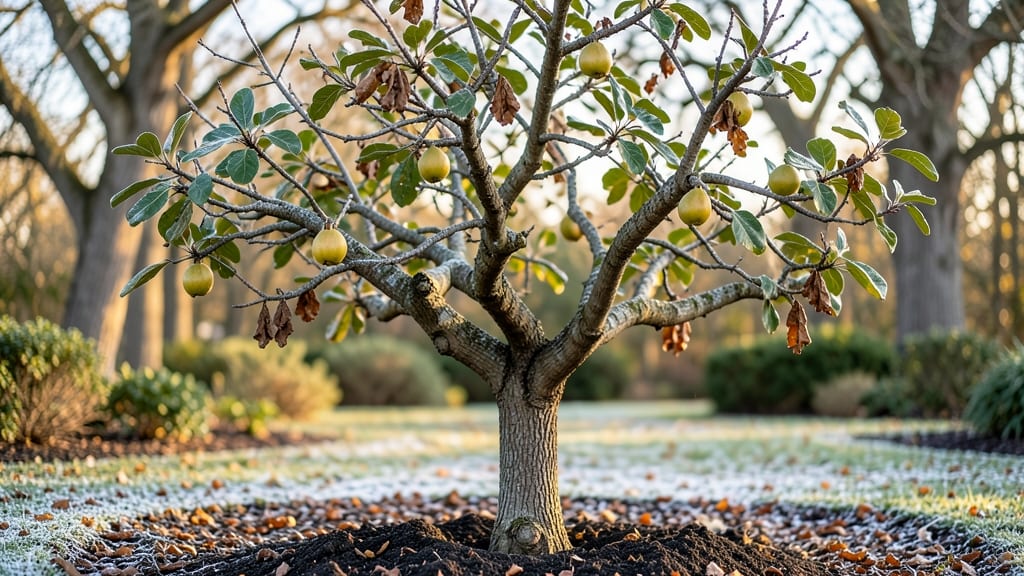
Winter’s the perfect time to prune quince trees—when branches are bare and you can see the skeleton of next year’s harvest. ✨ I’ve pruned mine every January for five years, and the difference in spring fruit sets is night-and-day.
The dormant season reveals dead wood, crossing branches, and overcrowding that would be invisible in summer.
You’ll need sharp pruners, rubbing alcohol for sterilizing cuts, and a clear day when temps stay above 25°F. Focus on removing 30-40% of the oldest wood to encourage new growth while keeping the tree’s natural vase shape.
Quince trees reward precision pruning with larger fruit and fewer disease issues—my tree now produces 10-12 pounds of fruit annually, up from 3 pounds before I started.
After pruning, protect the fresh cuts with a thin layer of pruning sealant to prevent silver leaf fungus. The tree’s winter dormancy means it’s already conserving energy, so avoid heavy pruning if your climate gets harsh freezes—wait until late winter if needed.
You’ll see fresh green shoots by early spring, signaling the tree’s readiness to fruit.
This method works for both standard quince and Japanese varieties, though dwarf types need lighter pruning. The key is timing: prune after the worst winter cold but before buds swell. Your quince will thank you with vibrant blossoms and a bumper crop by summer.
📚 In This Guide
- What you need
- Instructions
- Tips and common mistakes
- Wrapping up and next steps
What you need
- ● Pruning shears: Bypass pruners (for cuts under ½ inch) – 1 pair (look for sharp, stainless steel blades).
- ● Loppers: Bypass or anvil type (for branches ½–2 inches thick) – 1 pair (extendable handles help!).
- ● Pruning saw: Curved-tooth or folding saw (for branches 2+ inches thick) – 1 (lightweight for ease).
- ● Gloves: Heavy-duty, cut-resistant (protects from thorns and blisters) – 1 pair (waterproof fabric preferred).
- ● Disinfectant: 70% isopropyl alcohol or bleach solution (1 part bleach to 9 parts water) – small spray bottle (prevents disease spread).
- ○ Pruning sealant: Optional but helpful (for large cuts > ½ inch) – 1 small tube (look for tree wound paint with copper or sulfur).
- ● Ladder or step stool: Sturdy and stable (if tree is > 6 feet tall) – 1 (non-slip base recommended).
- ● Heavy-duty trash bags: For collecting pruned branches – 2–3 bags (knot tightly to avoid pests!).
- ○ Notebook & pen: For marking cuts or notes – 1 (optional but useful for tracking progress).
- ● Weather check: Prune on a dry, calm day (avoid frost or rain within 24 hours).
- ● Safety glasses: Protective eyewear – 1 pair (in case of debris).
- ● Long sleeves & pants: Cover arms/legs (thorns + sun protection!).
- ● First-aid kit: Basic supplies (bandages, antiseptic wipes) – 1 small kit (for minor cuts).
- ● Water & snacks: Hydration breaks (pruning is hard work!).
- ● Sharpen tools first! 🔪 Dull blades tear wood, inviting disease. Use a file or sharpening stone.
- ● Disinfect tools between cuts (especially if your tree has signs of fire blight or other diseases).
- ● Wear closed-toe shoes—quince thorns are no joke!
- ● Check local regulations—some areas restrict burning pruned wood (compost or chip it instead!).
Step-by-step guide for pruning quince trees in winter
Winter's the perfect time to shape your quince tree—here's how to do it right.
✂️ Step 1: Gather Your Tools and Safety Gear
Start by grabbing your sharp pruning shears and loppers—dull blades tear wood and invite disease. I always wear gloves and long sleeves because quince branches can be thorny and the sap sometimes irritates skin. A small bucket or bag for collecting pruned branches keeps your workspace tidy and prevents tripping hazards.
Here's the thing—quince trees are tough, but you'll want to disinfect your tools between cuts. Wipe blades with rubbing alcohol or a 10% bleach solution to prevent spreading any fungal spores hiding in the wood. I keep a small bottle of alcohol in my tool belt for quick cleanups between trees.
🌿 Step 2: Identify Dead, Diseased, and Crossing Branches
First, scan the entire tree for branches that are dead (no green bark, dry), diseased (mushrooms at base, oozing sap), or rubbing against each other. These are your first cuts—they won't grow back and only take up energy. I like to start at the bottom and work my way up so I don't miss any hidden problems.
Look for branches growing inward—they'll compete for sunlight and fruit production. You'll see them by their V-shaped crotches where they cross other branches. These need to go unless they're small enough to bend outward without breaking. Real talk: if you're unsure, leave it for now and revisit next winter.
☀️ Step 3: Open the Canopy for Better Light Penetration
Quince trees fruit best when sunlight reaches all branches. Aim to create an open vase shape with a central leader (main trunk). Remove any suckers at the base and water sprouts (fast-growing vertical shoots) that steal energy from fruit production.
Cut back last year's growth by 1/3 on all branches to encourage new, productive growth. You'll see vigorous buds along the remaining stem—these will become next year's fruit clusters. Don't worry if it looks sparse now; quince trees reward patience with heavy harvests.
⏰ Step 4: Shape the Tree and Clean Up
Step back and assess the tree's shape from all sides. Make final adjustments to maintain balance—you want a rounded, open center that lets air circulate. I always make my cuts just outside the branch collar (the swollen area where the branch meets the trunk) to prevent tearing.
Rake up all pruned branches and dispose of diseased ones immediately (don't compost them). Healthy branches can be chopped into smaller pieces for firewood or left on the ground as mulch. Finish by watering the base of the tree to help it recover from the pruning shock.
Tips & tricks for perfect quince tree pruning in winter
Winter pruning transforms your quince tree into a fruit-bearing powerhouse—here's how to avoid common mistakes and get it right the first time.
Tool Prep Pays Off: Don't skip the disinfecting step between cuts! I've seen fungal infections spread quickly when tools aren't cleaned properly. Keep your rubbing alcohol handy and wipe blades thoroughly after every diseased branch. This simple step prevents years of struggling with blight. The 10% bleach solution works too, but alcohol is faster for quick cleanups between trees.
Branch Identification Shortcut: For those tricky crossing branches, use the "V-crotch test" in Step 2. Run your thumb along the branch junction—if it forms a deep V shape with another branch, that's your signal to cut one of them. Remember, you want to maintain that open vase shape mentioned in Step 3, so prioritize removing branches that block sunlight from reaching the center.
Pruning Physics: When cutting back last year's growth by 1/3 in Step 3, make your cuts just above a bud that faces outward. This creates the perfect angle for new growth to develop away from the center. I always count buds from the base outward to ensure I'm keeping the most vigorous ones. The goal is to create a balanced framework that supports fruit production without overcrowding.
Cleanup Matters: Diseased branches aren't just a problem—they're a hazard. Never compost them! Burn or dispose of them immediately to prevent reinfection. For healthy branches, chopping them into smaller pieces actually helps them decompose faster when used as mulch. This winter maintenance pays off with stronger spring growth and better fruit set.
Pro Tips for Quince Tree In Winter
- Winter pruning transforms your quince tree into a fruit-bearing powerhouse—here's how to avoid common mistakes and get it right the first time.
- Tool Prep Pays Off: Don't skip the disinfecting step between cuts!
- Branch Identification Shortcut: For those tricky crossing branches, use the "V-crotch test" in Step 2.
Frequently asked questions
Got questions about keeping your quince tree thriving through winter? Here are some of the most common concerns—and their answers—to help you prune with confidence!
When is the best time to prune a quince tree in winter?
The ideal window is late winter, just before bud break (typically February or early March in most climates). Pruning at this time promotes strong spring growth while avoiding frost damage. Avoid pruning too early—dormant trees are more vulnerable to pests and diseases.
Can I prune a quince tree if it’s already dormant but not yet budding?
Yes! Dormant quince trees can be pruned anytime between late fall and early spring, but late winter is still best. If you miss the ideal window, prune as soon as possible—just avoid heavy frost or extreme cold. Light pruning in mild winter months is also safe if needed.
What should I do if my quince tree looks dead after winter?
Don’t panic! Quince trees often appear leafless and bare in winter. Check for green buds or slight swelling on branches—these signal life. If branches are completely dry and brittle, they may be dead. Remove them carefully, then wait until spring to assess further. Overwatering or frost can mimic death, so monitor soil moisture.
How much can I cut back a quince tree in one winter session?
Aim to remove no more than 25-30% of the tree’s total foliage in a single session to avoid stress. Focus on dead, diseased, or crossing branches first. For older trees, you can thin out up to 50% over 2-3 years, spacing pruning sessions to allow recovery.
Are there alternatives to winter pruning for quince trees?
While winter is ideal, you can prune lightly in early spring (just as buds swell) or late summer (after harvest). Avoid heavy pruning in summer, as it stresses the tree. Summer pruning should only target water sprouts or shape adjustments. Always sterilize tools to prevent disease spread!
Wrapping up and next steps
Winter pruning your quince tree isn’t just about trimming—it’s about setting the stage for a bountiful spring harvest and a healthier tree for years to come. By following these dormant-season secrets, you’ll encourage stronger growth, better fruit production, and easier maintenance. You’ve got this!
Ready to take action? Grab your pruners, mark your calendar for the ideal winter window, and roll up your sleeves. Your quince tree—and future fruit—will thank you! 🌱✂️