
Pruning
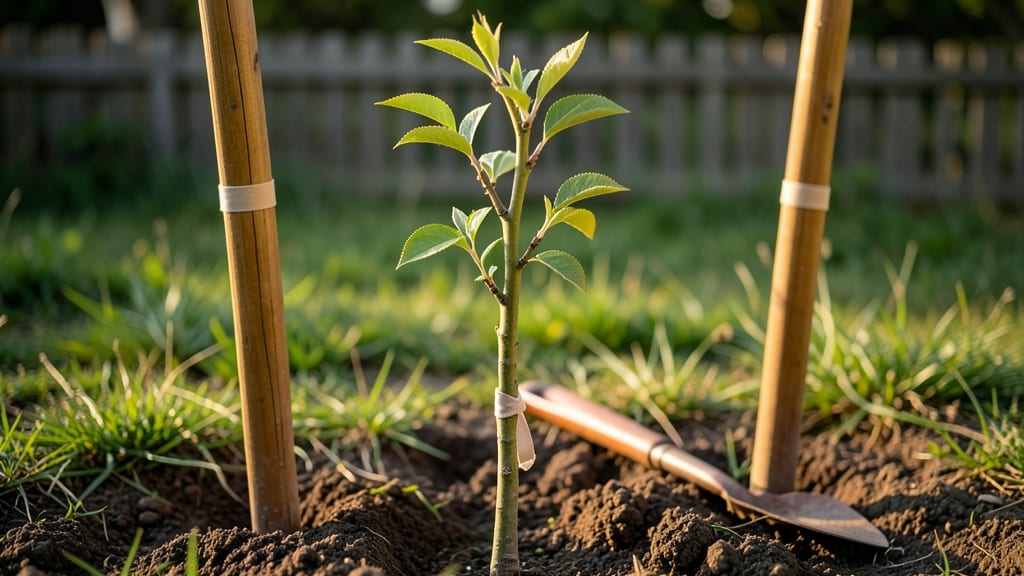
Mastering proper tree staking prevents stunted growth—here’s how to avoid tying young trees too tight, turning support into a crutch that bends their trunks instead of letting them stand. 🌳 strong.
The key isn’t just when to stake but how—using the right materials, tension, and timing to let roots anchor naturally while still preventing wind damage.
You’ll need 3-4 stakes per tree, soft ties (like tree straps or wide fabric), and a little patience. Most trees only need staking for 1-2 years—any longer and you risk girdling or poor trunk development.
The goal is temporary stability, not a permanent harness. I’ve even used repurposed PVC pipes for heavy winds, but always check ties monthly to loosen as the tree grows.
What you’ll end up with is a tree that stands tall on its own, with a sturdy trunk and strong root flare. No more leaning like a drunkard or snapping in storms.
The stakes come out just as the tree starts to outgrow the wind’s push—usually by its third season. It’s a small effort now for a lifetime of structural integrity.
Works for bare-root seedlings, balled-and-burlapped trees, and even young fruit trees. The same principles apply whether you’re planting in spring or fall—just adjust timing for your climate. Let’s get those trees growing right from the start.
📚 In This Guide
- What you need
- Instructions
- Tips and common mistakes
- Wrapping up and next steps
What you need
- ● Stakes: 2–4 tapered wooden or metal stakes per tree (1–2 inches in diameter, 4–6 feet tall).
- ○ Flexible plastic or fiberglass stakes (optional but gentler on tree bark).
- ● Staking Tape or Straps: Soft tree tape (1–2 inches wide, 10–20 feet per tree) or rubberized fabric strips.
- ● Tools: Hand saw or pruning shears (for adjusting stakes).
- ● Mallet or hammer (for driving stakes gently).
- ● Measuring tape (to ensure proper spacing).
- ● Gloves (for protection).
- ○ Soil Amendments (Optional but Helpful): Mulch (2–3 inches around the base, keeping it away from the trunk).
- ● Compost or fertilizer (to promote root growth).
- ● A young, newly planted tree (ideal candidates: deciduous or coniferous species with shallow root systems).
- ● Sturdy, well-drained soil (avoid waterlogged areas).
- ● Time of year: Plant in early spring or fall (avoid extreme heat or frost).
- ● Weather forecast: Stake on a calm, dry day to prevent soil erosion.
Step-by-Step guide to staking young trees correctly
Here's how to support your trees without stunting their natural growth.
🪴 Step 1: Choose the Right Stakes and Ties
Use 2-3 stakes per tree—never just one. I recommend 4-6 foot fiberglass or bamboo stakes for most young trees, positioned 6-12 inches from the trunk on opposite sides. Avoid metal stakes, which can damage bark as the tree grows. For larger trees, add a third stake on the windward side.
Select soft tree ties made from fabric or rubber—not wire or plastic. The ties should stretch slightly to accommodate trunk growth. I like the 1-inch wide fabric ties because they won't cut into the bark as the tree thickens. Cut ties to 18-24 inches long so you can adjust them easily later.
☀️ Step 2: Position Stakes for Maximum Stability
Drive stakes into the ground at a 45-degree angle—this creates a triangle of support that resists wind better than vertical stakes. The top of the stake should be 2-3 inches above the tree's highest branch to allow for future growth. For multiple stakes, space them 12-18 inches apart around the trunk.
Here's the thing—don't stake too close to the trunk. Place stakes 4-6 inches from the trunk to prevent girdling as the tree grows. If you see the stake touching the bark, reposition it immediately. The goal is support, not restriction.
🌱 Step 3: Secure the Tree Without Restricting Movement
Wrap the tie around the trunk first, then loop it around the stake. Cross the tie in an X pattern for stability, but leave 1-2 inches of slack at the top. The tree should move slightly in the wind—this encourages trunk strength. You'll know it's too tight if the bark shows any indentation or if the tree can't sway at all.
I adjust the ties every 4-6 weeks as the tree grows. If the tie feels snug or the tree is rubbing against it, loosen it immediately. The rule is: you should be able to slide two fingers between the tie and the trunk. This prevents girdling while still providing support.
⏰ Step 4: Monitor and Remove Stakes at the Right Time
Check your staking system every 2-3 months for signs of damage. Look for darkened bark where ties are too tight, or stakes leaning dangerously. If the tree is growing well and the trunk feels sturdy, it's time to remove stakes. Most trees can be unstaked after 1-2 growing seasons, usually by late spring of their second year.
Don't wait until the tree is fully grown to remove stakes—that's too late. The moment the trunk feels rigid when you gently shake it, the tree has developed enough strength to stand alone. Remove stakes gradually over a week to give the tree time to adjust to wind movement naturally.
Tips & tricks for proper tree staking
Took me years to figure out these details—here's what nobody tells you about supporting young trees the right way.
Stake Placement Matters: When positioning your 2-3 stakes at a 45-degree angle, imagine forming a triangle around the trunk. This creates a natural windbreak that mimics how trees naturally sway. I've seen stakes placed too vertically—they offer almost no resistance to strong winds. For trees in exposed areas, consider adding a third stake on the windward side (the direction the wind most frequently comes from) as mentioned in Step 1.
The Tie Test: After securing your tree with fabric ties in that X pattern, perform this simple test: Gently shake the tree. If it moves slightly but feels supported, you've done it right. If it moves too much, tighten just enough to restrict movement by about 30%. If it doesn't move at all, you've gone too tight. Remember the two-finger rule from Step 3—this is your best indicator of proper tension.
Seasonal Adjustments: In spring and summer when growth is most active, check your ties every 4-6 weeks as specified. But don't forget to inspect during winter too—freezing temperatures can make ties contract and become too tight. I've had to loosen ties in January after they tightened up during cold snaps. Also, if you planted in early spring, your tree might need additional support during summer storms.
Stake Removal Strategy: When removing stakes after 1-2 growing seasons, don't cut them all at once. Remove one stake completely, then wait a week before removing the others. This gradual approach lets the tree adjust to wind movement naturally. I've seen trees topple when all stakes were removed simultaneously—this gives them time to develop their own stability.
Pro Tips for Proper Tree Staking
- Took me years to figure out these details—here's what nobody tells you about supporting young trees the right way.
- Stake Placement Matters: When positioning your 2-3 stakes at a 45-degree angle, imagine forming a triangle around the trunk.
- The Tie Test: After securing your tree with fabric ties in that X pattern, perform this simple test: Gently shake the tree.
Frequently asked questions
Got questions about tree staking?
You’re not alone! Proper staking is key to healthy growth, but timing, materials, and techniques can be tricky. Here are answers to the most common questions to help you stake like a pro.
How long should I stake a young tree?
Stake a tree only as long as necessary—usually 1-2 years for most species. The goal is to stabilize it while its root system strengthens. Remove stakes too soon, and the tree may lean; leave them too long, and the trunk can weaken from over-reliance. Check for stability by gently tugging—if it wobbles, keep the stakes on!
What’s the best material for tree stakes?
Opt for biodegradable stakes (like bamboo or untreated wood) to avoid girdling as the tree grows. Avoid metal or plastic, which can damage the trunk over time. Stakes should be 1/4-inch thick or less and 2-3 feet tall, with a diameter just wide enough to wrap a soft tie (like tree tape or rubber) around the trunk without cutting into it.
When is the best time to stake a tree?
Stake a tree immediately after planting to prevent toppling from wind or watering. If you’re planting in fall or winter, stakes can stay in place until spring. For spring planting, remove stakes after the first growing season (usually 6-12 months) to encourage natural trunk strength. Never stake a tree in summer heat—roots need time to establish first!
Can I use alternatives to traditional stakes?
Yes! For small trees, tree guards or spiral wraps can provide support without stakes. For larger or top-heavy trees, cables or guy wires (anchored to the ground at a 45° angle) work well. Just ensure any ties are loose enough to allow trunk movement—about 1/4-inch gap when wrapped. Avoid tight ties, which can strangle the tree!
My tree is leaning—did I stake it wrong?
Not necessarily! A slight lean (10-15°) is normal and helps trees develop stronger roots. If the lean is severe (30°+) or the tree is consistently bending, check your stakes: they may be too short, too tight, or improperly angled. Loosen ties, adjust stakes to 45° angles, and ensure they’re spread apart (not clustered). If the trunk shows girdling marks, remove stakes immediately and monitor the tree.
Wrapping up and next steps
Proper tree staking isn’t just about supporting your young trees—it’s about empowering them to grow strong and resilient. By using the right materials, techniques, and timing, you’ll help your trees thrive without the risks of over-restriction or damage. Remember, the goal is to guide, not to control.
Now that you’re equipped with the knowledge, roll up your sleeves and give your trees the care they deserve! Start by assessing your young trees today—check off the steps you’ve learned, and watch your garden flourish with confidence. 🌱✨