Container Gardens
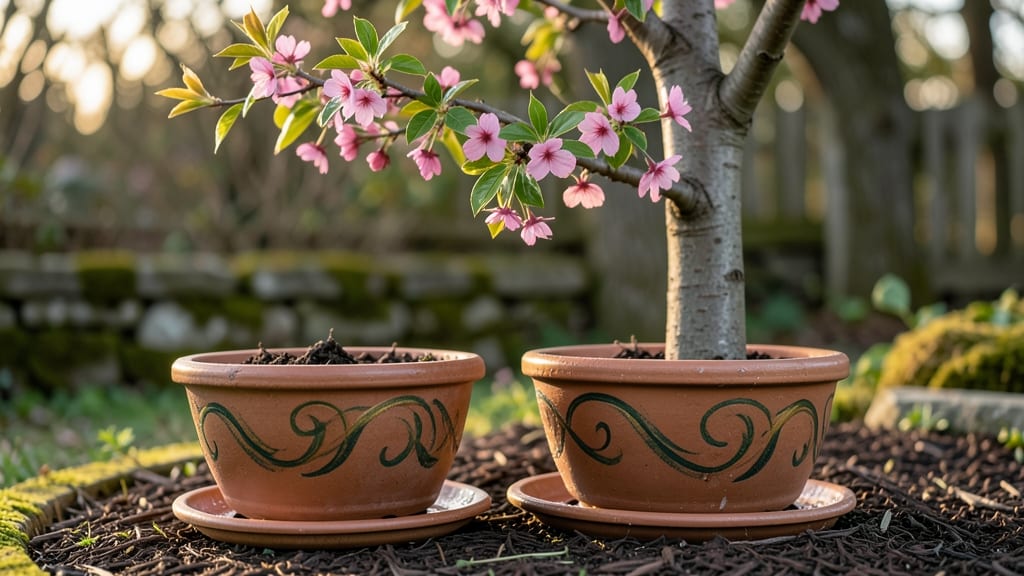
A potted flowering cherry tree can turn your balcony into a springtime spectacle—imagine delicate pink blossoms cascading over a patio container by April. 🌸 I’ve grown these finicky beauties for years, and the secret isn’t just picking the right dwarf variety like ‘Shirofugen’ (the one with those stunning white-pink blooms), but also mimicking their forest-floor roots with the perfect pot and soil mix.
The right setup makes all the difference: a 15-gallon container with drainage holes, a mix of potting soil and perlite, and a spot that gets at least 6 hours of sunlight daily.
Most people overwater these trees, drowning their roots—so we’ll focus on keeping the soil slightly moist but never soggy. With the right care, your tree will reward you with 3-4 weeks of nonstop blooms every spring.
Pruning after flowering keeps the shape tidy, and a balanced fertilizer in early spring jumpstarts those showstopping blossoms. Even in small spaces, these trees thrive when given the right conditions—no more watching cherry blossoms from afar. Let’s get your tree blooming beautifully.
From winter protection tips to troubleshooting yellowing leaves, we’ll cover everything to keep your potted cherry happy for years. The key is patience—these trees take 2-3 years to really shine, but the wait is worth every petal.
📚 In This Guide
- What you need
- Instructions
- Tips and common mistakes
- Wrapping up and next steps
What you need
- ● Potted flowering cherry tree (Prunus serrulata or Prunus 'Kanzan') – Choose a dwarf variety (3-6 ft mature height) for containers.
- ● Container – 15-20 gallon pot with drainage holes (or larger for mature trees). Terracotta or resin work best!
- ● Well-draining potting mix – 3-5 gallons of a blend like 50% premium potting soil + 30% perlite + 20% compost.
- ● Slow-release fertilizer – 1-2 cups of balanced 10-10-10 or 20-20-20 granules.
- ● Organic mulch – 1-2 inches of pine bark fines or shredded bark.
- ● Pruning shears – Sharp, clean pair for shaping and maintenance.
- ● Watering can or hose with gentle nozzle – For deep, even hydration.
- ● Gloves and dust mask – Protect yourself while handling soil and mulch.
- ● Tree support stake – If your cherry tree is young or top-heavy.
- ● Liquid bloom booster – Like fish emulsion or seaweed extract for extra floral vibrancy.
- ● Pot saucer or tray – To catch runoff and keep surfaces clean.
- ● Slow-release moisture beads – For drought-prone areas.
- ● Decorative stones or gravel – For a polished, finished look around the base.
Step-by-step guide to cultivating a thriving potted flowering cherry tree
Here’s how to coax vibrant blooms from your dwarf cherry—with patience and precision.
🪴 Step 1: Select the Right Container and Soil Mix
Flowering cherries need root room but not excess moisture. Choose a 15-20 gallon container with drainage holes—larger pots stabilize moisture better than small ones. I use a well-draining mix (equal parts potting soil, perlite, and compost) to prevent soggy roots, which rot easily. Tap the container gently after filling to settle the mix without compacting it.
Here’s the thing—dwarf varieties (like ‘Okame’ or ‘Shirotae’) thrive in 5-7 gallon pots for the first 2-3 years, but their roots will outgrow them. Upgrade to 15 gallons by spring of year three to match their growth. A terracotta pot helps wick excess moisture, but if you prefer plastic, add extra perlite (20% of the mix) to improve aeration.
☀️ Step 2: Position for Light and Shelter
Flowering cherries demand full sun—at least 6-8 hours daily—but their delicate blooms need protection from wind and harsh afternoon sun. Place your pot where it gets morning sun and afternoon shade (like a covered patio or east-facing balcony). If your space is fully sunlit, dappled shade from a sheer curtain prevents leaf scorch.
I know it seems counterintuitive, but too much direct sun can stress young trees. Watch for yellowing leaves or curled petals—those are signs to adjust placement. In winter, move pots to a sheltered spot (like a garage or under eaves) if temperatures drop below 15°F, as roots can freeze in unprotected containers.
💧 Step 3: Water Deeply and Strategically
Overwatering kills flowering cherries faster than underwatering. Stick your finger 2 inches into the soil—if it’s dry, water slowly until it drains from the bottom. Use room-temperature water (cold water shocks roots) and avoid wetting the foliage to prevent fungal diseases like powdery mildew. A self-watering pot helps maintain consistency, but empty the reserve weekly to prevent stagnation.
Real talk: wilting leaves don’t always mean thirst. Check the soil first—if it’s damp, the tree might be struggling with root-bound conditions or poor drainage. If roots circle the pot’s bottom, it’s time to repot into a larger container (spring is ideal). Mulch the top 1 inch with orchid bark to retain moisture without suffocating roots.
✂️ Step 4: Prune for Shape and Bloom Health
Prune right after flowering (late spring) to shape the tree and encourage next year’s blooms. Remove dead, crossing, or weak branches first—cut at a 45-degree angle just above a outward-facing bud. Avoid heavy pruning in fall or winter, as new growth won’t harden off before cold snaps.
This is the moment that matters: never prune during bloom season. You’ll sacrifice next year’s flowers if you trim too late. For dwarf varieties, light annual pruning keeps them compact. Use sterilized shears (wipe with rubbing alcohol) to prevent bacterial spread—cherry trees are prone to silver leaf disease if tools aren’t clean.
Tips & tricks for perfect potted flowering cherry care
Common pitfalls—and how to sidestep every one—when nurturing your dwarf cherry to burst with blooms.
Container Upgrade Timing: The transition from 5-7 gallon pots to 15 gallons by spring of year three is non-negotiable for dwarf varieties. I’ve seen roots spiral tightly around the bottom of smaller containers, strangling growth—this is your warning sign. Root-bound trees show stunted new growth and yellowing leaves despite proper watering. If you notice roots circling the drainage holes, it’s time to repot. Spring is ideal because the tree can establish new roots before summer heat stress.
Light Balance Secret: That 6-8 hours of daily sun isn’t just about quantity—it’s about quality. The morning sun provides gentle warmth to kickstart photosynthesis, while afternoon shade prevents leaf scorch. I’ve learned this the hard way after watching leaves curl under relentless afternoon rays. For maximum bloom potential, position your tree where it gets morning sun and filtered light in the afternoon. If you must place it in full sun, use a sheer white curtain to diffuse the intensity during peak hours (11 AM–3 PM).
Watering Wisdom: The 2-inch soil check is your best friend, but timing matters just as much. Water deeply in the morning so the soil has all day to dry slightly before evening. This prevents fungal diseases that thrive in damp conditions overnight. I’ve found that self-watering pots are a game-changer for busy gardeners, but remember to empty the reservoir weekly—stagnant water becomes a breeding ground for root rot. The key is consistency: let the top 2 inches dry out completely between waterings, but never let the soil become bone-dry.
Pruning Precision: That late spring timing for pruning isn’t arbitrary—it’s when the tree has finished flowering and can redirect energy to new growth. Cutting at a 45-degree angle above an outward-facing bud encourages healthy branching. I always sterilize my shears with rubbing alcohol between cuts to prevent silver leaf disease, which can devastate a tree’s health. For dwarf varieties, limit pruning to shaping rather than heavy thinning—you want to maintain that compact form while encouraging abundant blooms. Never remove more than 25% of the foliage in one session.
Pro Tips for Potted Flowering Cherry Tree
- Common pitfalls—and how to sidestep every one—when nurturing your dwarf cherry to burst with blooms.
- Container Upgrade Timing: The transition from 5-7 gallon pots to 15 gallons by spring of year three is non-negotiable for dwarf varieties.
- Light Balance Secret: That 6-8 hours of daily sun isn’t just about quantity—it’s about quality.
Frequently asked questions
Got questions about growing a potted flowering cherry tree?
You’re not alone! Here are answers to the most common concerns—from care tips to troubleshooting—so you can enjoy stunning blooms year after year.
How often should I water my potted flowering cherry tree?
Water your tree when the top 1–2 inches of soil feel dry to the touch. In hot weather, this could be every 2–3 days, while cooler months may require watering every 5–7 days. Pro tip: Always use well-draining soil and a pot with drainage holes to prevent root rot.
Can a potted flowering cherry tree bloom every year?
With proper care, many varieties—like Prunus serrulata—can bloom annually, though heavy fruiting may reduce flowers the following year. Prune spent blooms and ensure full sun (6+ hours/day) to encourage repeat flowering. Fun fact: Some trees bloom best after a cold winter, so mimic this with chilly nights if indoors!
What’s the best way to overwinter a potted flowering cherry tree?
Move your tree to a sheltered spot (like a garage or balcony) before frost, and wrap the pot in burlap or bubble wrap. Reduce watering but keep soil slightly moist. If temps drop below 20°F, consider indoor overwintering with bright, indirect light. Warning: Sudden temperature swings can shock the tree!
Are there dwarf varieties that work well in pots?
Yes! Look for Prunus ‘Shirofugen’ or ‘Amanogawa’, which stay compact (10–15 ft tall). These thrive in large containers (15+ gallons) and produce abundant blooms. Just ensure the pot is deep enough for strong root growth—shallow pots can stunt the tree.
Why are my flowering cherry tree leaves turning yellow?
Yellow leaves often signal overwatering, nutrient deficiency, or pests. Check for soggy soil (adjust watering) or aphids (spray with neem oil). If leaves are pale, fertilize with a balanced, slow-release formula in spring. Quick fix: Repot if roots are circling or crowded!
How big should the pot be for a mature flowering cherry tree?
Start with a pot 12–18 inches wide and deep for young trees. Mature trees need 20+ gallons (e.g., a 24-inch pot). Larger pots stabilize moisture and support root growth, but ensure the container has drainage holes to prevent waterlogging. Rule of thumb: Add 2–3 inches of extra depth for every foot of tree height!
Wrapping up and next steps
Bringing a potted flowering cherry tree into your space isn’t just about adding beauty—it’s about creating a living masterpiece that thrives in even the smallest corners.
With the right soil, sunlight, and care, you’ll enjoy bursts of vibrant blooms year after year, proving that big dreams don’t need big yards. 🌸
Ready to transform your balcony, patio, or windowsill? Start by choosing your favorite variety and gathering your supplies—then roll up your sleeves and get planting! The satisfaction of nurturing a tree that blooms like a wild cherry in the forest is worth every step.
- Next step: Pick your pot, soil, and spot, and let the magic begin! 🌱
- Pro tip: Snap a photo of your tree’s first bloom—you’ll love looking back at its growth journey.